 EN
EN

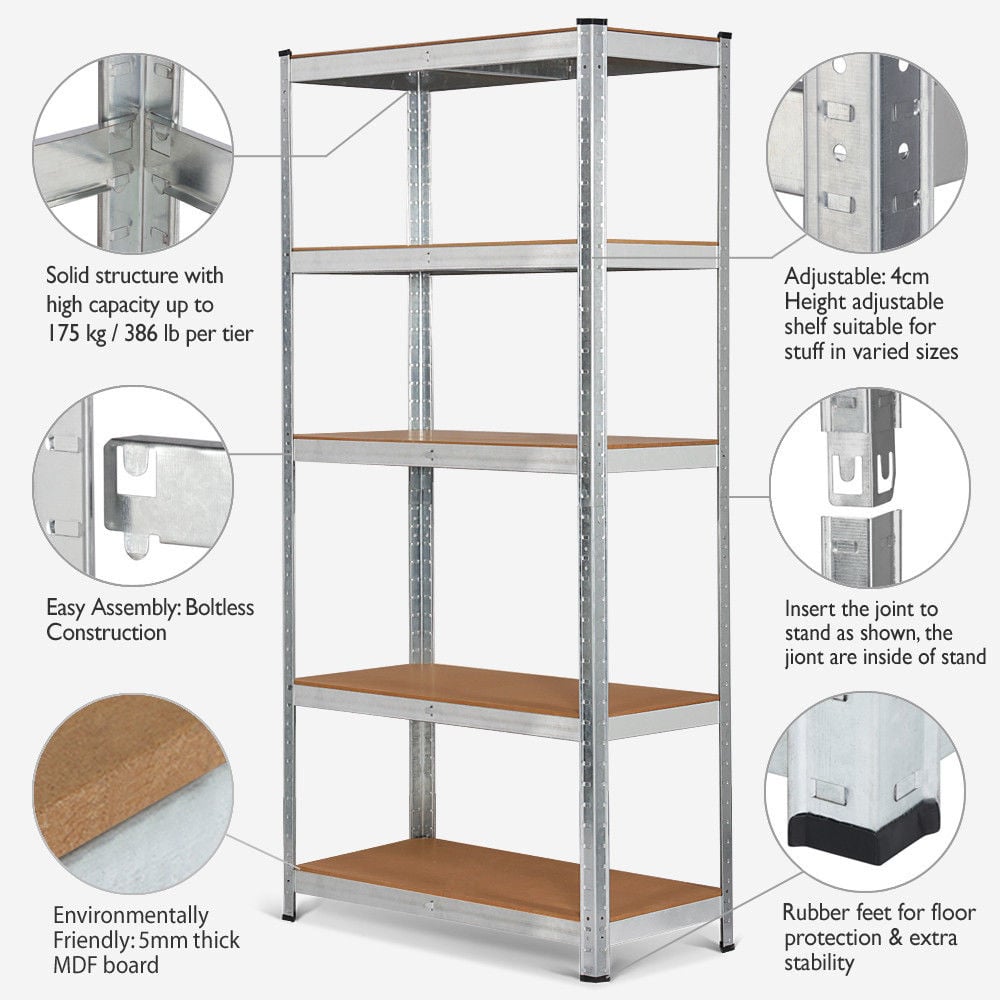
A powder-coated metal shelf is often the most reliable choice when moisture is part of daily operating conditions. In storage rooms, utility zones, washdown-adjacent spaces, and semi-open facilities, humidity can quietly degrade ordinary materials, leading to warping, staining, and structural instability. A well-finished metal shelf addresses these risks by combining a stable steel base with a protective surface that resists moisture exposure better than many untreated alternatives. For B2B buyers, this means less unplanned replacement, lower maintenance disruption, and a cleaner long-term lifecycle profile.
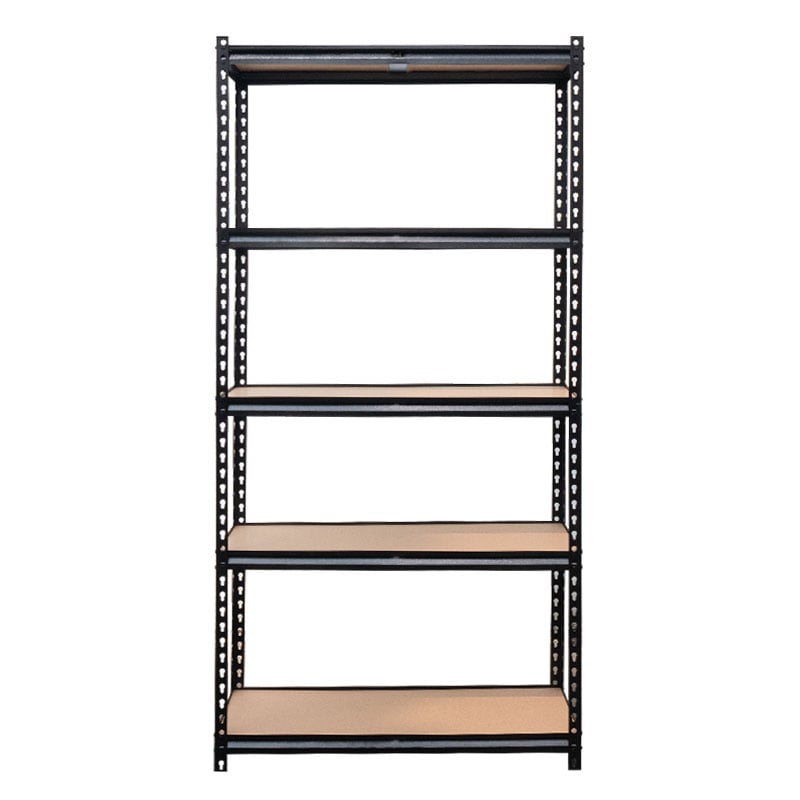
When people ask what makes this type of metal shelf ideal for damp areas, the answer is not a single feature but a system of material behavior, coating performance, and practical design details. The powder coating creates a durable barrier, the substrate carries predictable loads, and the overall form reduces moisture traps that accelerate corrosion. Together, these elements help a metal shelf stay dependable where condensation, occasional splashes, or persistent humidity are hard to avoid. That combination is exactly why facilities teams increasingly specify powder-coated configurations for moisture-sensitive environments.
Core material and coating factors that define damp-area suitability
Powder coating as a protective barrier
The most important reason a powder-coated metal shelf performs well in damp settings is surface isolation. Powder coating forms a continuous film that separates steel from water vapor and airborne contaminants. Unlike thin or uneven finishes, a properly applied coat provides more uniform coverage across broad panels and structural members, helping the metal shelf maintain surface integrity over time. In real operations, that translates into slower corrosion onset and fewer visible defects in high-humidity zones.
The curing process also matters because it hardens the finish into a resilient layer that tolerates routine contact and cleaning better than many basic paint systems. When minor abrasion happens, a quality metal shelf with an intact coating still retains broad protection across the remaining surface area. This durability is critical in shared industrial spaces where carts, containers, and tools frequently touch storage structures. The coating is not just cosmetic; it is a performance layer that supports service life.
Steel stability under fluctuating humidity
A damp environment challenges dimensional consistency, especially where temperature swings drive condensation cycles. A structural metal shelf keeps its geometry under these conditions, which protects load distribution and shelf alignment. That stability is a major operational advantage over materials that can swell, soften, or deform after repeated moisture exposure. In practice, a rigid metal shelf helps preserve safe handling workflows and keeps stored items level and accessible.
This mechanical consistency is especially valuable in B2B settings with predictable storage patterns and recurring load profiles. Teams can plan around known capacities and avoid constant adjustments caused by material movement. Over long service periods, a powder-coated metal shelf supports better process reliability because physical performance remains more consistent despite ambient dampness. The result is fewer surprises during audits, inspections, and routine operations.
Design details that improve real-world moisture resistance
Geometry that minimizes water retention
What makes one metal shelf more suitable than another in damp areas often comes down to shape and detailing. Clean bends, reduced crevice exposure, and thoughtful joint transitions help water drain or evaporate rather than linger. A well-designed metal shelf avoids unnecessary pockets where moisture can remain trapped after cleaning or condensation events. That matters because persistent wet spots usually become early corrosion points.
Open airflow paths also support faster drying, particularly in rooms with intermittent ventilation. When air can circulate around stored goods and structural members, the metal shelf spends less time in a continuously wet microclimate. Over months and years, this simple physical behavior contributes significantly to finish longevity. In damp-area applications, subtle geometric choices can influence maintenance outcomes as much as base material thickness.
Surface continuity and edge protection
Edges, corners, and connection zones are common weak points in any coated structure. A durable metal shelf intended for humidity-prone spaces should present smooth, well-finished edges and consistent coat coverage around high-contact areas. Where the coating is thin or irregular, moisture ingress can begin earlier and spread beneath the finish. Better edge quality helps the metal shelf preserve protective continuity even when exposed to routine movement and light impact.
For operations teams, this translates into easier condition monitoring and simpler preventive care. When surfaces are uniform, it is easier to spot early wear and address it before corrosion expands. A powder-coated metal shelf with strong finish continuity can therefore lower inspection complexity while extending replacement intervals. In damp areas, these practical details often determine whether storage infrastructure remains an asset or becomes a recurring maintenance issue.
Operational value in industrial and commercial damp environments
Reduced maintenance burden and cleaner workflows
In facilities where moisture is unavoidable, maintenance teams look for equipment that does not demand constant intervention. A powder-coated metal shelf generally requires straightforward cleaning and periodic visual checks instead of intensive restorative work. That predictable upkeep model frees labor for higher-priority tasks and reduces process interruptions. Over time, each metal shelf that stays serviceable with minimal attention supports better operational efficiency.
This is also important for hygiene-adjacent spaces where surface condition affects daily standards. A stable coated finish can be cleaned consistently without the same risk of swelling or texture breakdown seen in less suitable materials. As a result, a metal shelf helps maintain a more controlled and professional storage environment. In B2B settings, cleaner workflows are not only cosmetic; they influence compliance readiness and internal quality confidence.
Long-term cost control through lifecycle durability
When evaluating storage infrastructure, purchase price is only one part of total cost. The stronger case for a powder-coated metal shelf in damp areas comes from lifecycle performance, including slower degradation and fewer replacements. If the shelf remains structurally sound and visually acceptable for longer intervals, procurement cycles become more predictable. That durability makes a metal shelf easier to justify in budget planning tied to long-term asset management.
Cost control also improves when downtime risk is reduced. Unexpected shelf failure or severe corrosion can disrupt inventory flow and require urgent corrective actions. A reliable metal shelf lowers the probability of these events in moisture-prone zones. For many organizations, that risk reduction is as valuable as direct maintenance savings.
Specification and implementation criteria for confident selection
Matching finish quality to exposure intensity
Not all damp environments are equal, so decision makers should align coating expectations with actual exposure patterns. A metal shelf used in occasional humidity requires a different specification mindset than one operating near wash processes or frequent condensation cycles. Evaluating how often surfaces become wet, how long they remain wet, and how cleaning is performed helps determine whether a given metal shelf configuration is appropriate. This context-based approach prevents under-specification and improves service outcomes.
It also helps to review expected contact points and handling intensity. In high-traffic areas, the metal shelf should combine moisture resistance with coating toughness to withstand repeated touch and movement. Aligning these factors early leads to better fit and fewer performance complaints after installation. The goal is not maximum complexity, but a practical specification matched to real operational stressors.
Installation practices that protect performance from day one
Even a high-quality metal shelf can underperform if installed without attention to damp-area realities. Positioning should support airflow, avoid persistent pooling zones, and maintain safe clearance from direct moisture sources where possible. Correct leveling is equally important because uneven placement can create localized stress and moisture retention patterns. A properly installed metal shelf starts its lifecycle with fewer risk factors and better structural balance.
Post-installation routines should include periodic wipe-downs, simple visual checks, and quick response to coating damage at high-contact spots. These basic practices preserve the advantages that make a powder-coated metal shelf ideal for damp conditions in the first place. In industrial operations, disciplined execution often determines whether theoretical durability becomes real durability. When installation and upkeep align with environment demands, the metal shelf delivers sustained value and dependable performance.
FAQ
Can a powder-coated metal shelf still rust in a damp room?
A powder-coated metal shelf can rust if the protective layer is deeply damaged and exposed steel remains wet for long periods. The coating significantly lowers this risk, but no finish is indestructible under severe neglect. Regular inspection and prompt touch-up of visible damage help keep the metal shelf protected in humid settings.
Is a powder-coated metal shelf suitable for storage near cleaning areas?
In many cases, yes, provided the exposure is within normal operational limits and the metal shelf is specified correctly for that environment. Occasional splashes and ambient humidity are typically manageable when finish quality and maintenance are consistent. The key is matching the metal shelf to actual moisture intensity rather than assuming all damp areas are the same.
How often should a metal shelf be inspected in a damp facility?
A practical routine is a brief monthly visual check, with closer attention in high-traffic or high-condensation zones. Look for chips, scratches, or persistent wet spots where a metal shelf might lose protection over time. This light schedule is usually enough to keep a metal shelf in strong working condition and avoid costly deterioration.
Does powder coating affect the load reliability of a metal shelf?
The coating itself mainly protects the surface, while load reliability comes from the underlying structure and engineering of the metal shelf. In damp areas, coating performance indirectly supports load reliability by reducing corrosion that could weaken components over time. Together, structural design and protective finish help the metal shelf maintain dependable service under moisture exposure.

