 EN
EN

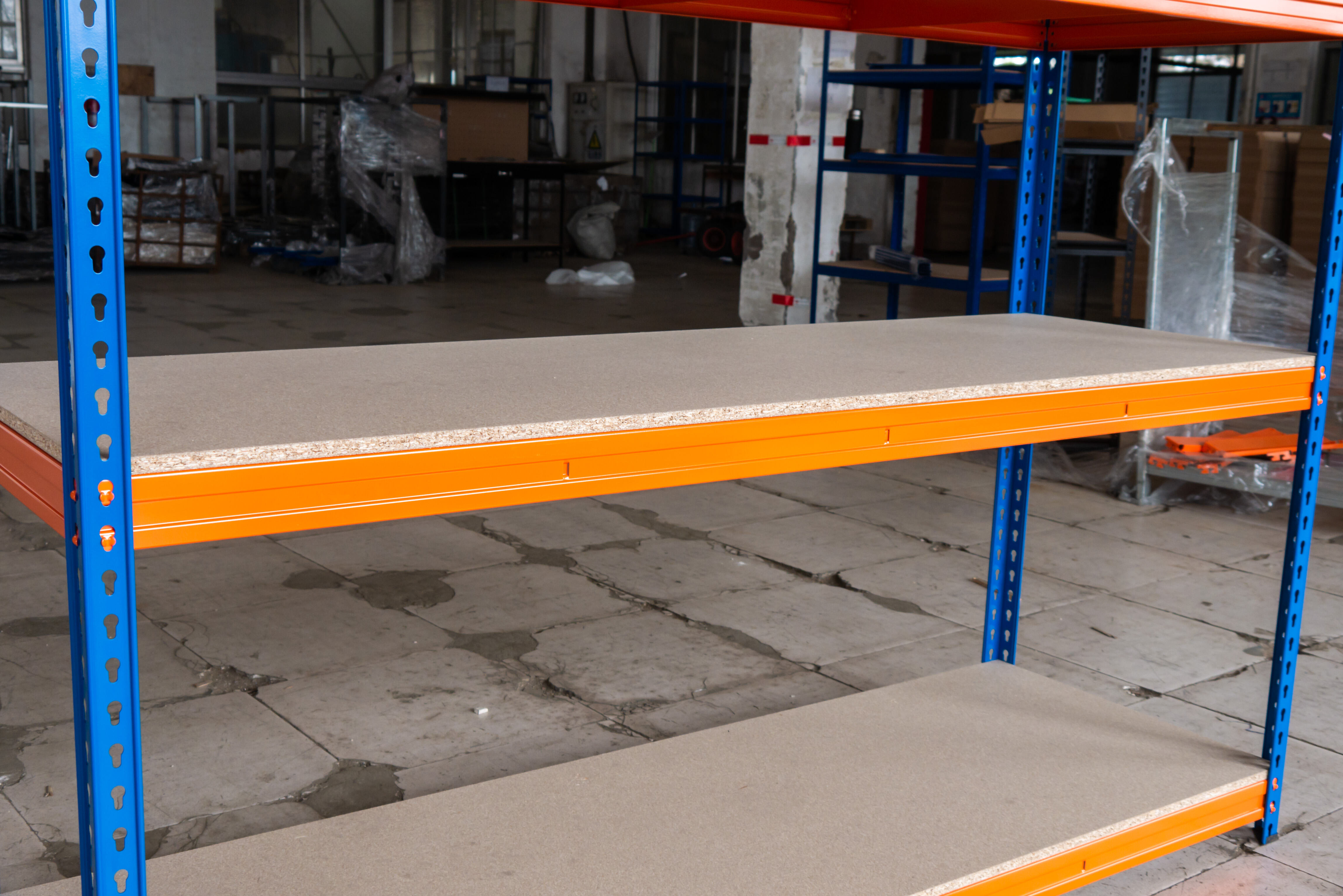
When companies need to buy garage shelving for their facilities, the procurement process involves far more than selecting the first available option. Corporate purchasing decisions require careful evaluation of multiple criteria that impact both immediate functionality and long-term operational efficiency. Understanding these procurement standards helps businesses make informed decisions that align with their storage requirements, budget constraints, and safety compliance obligations.
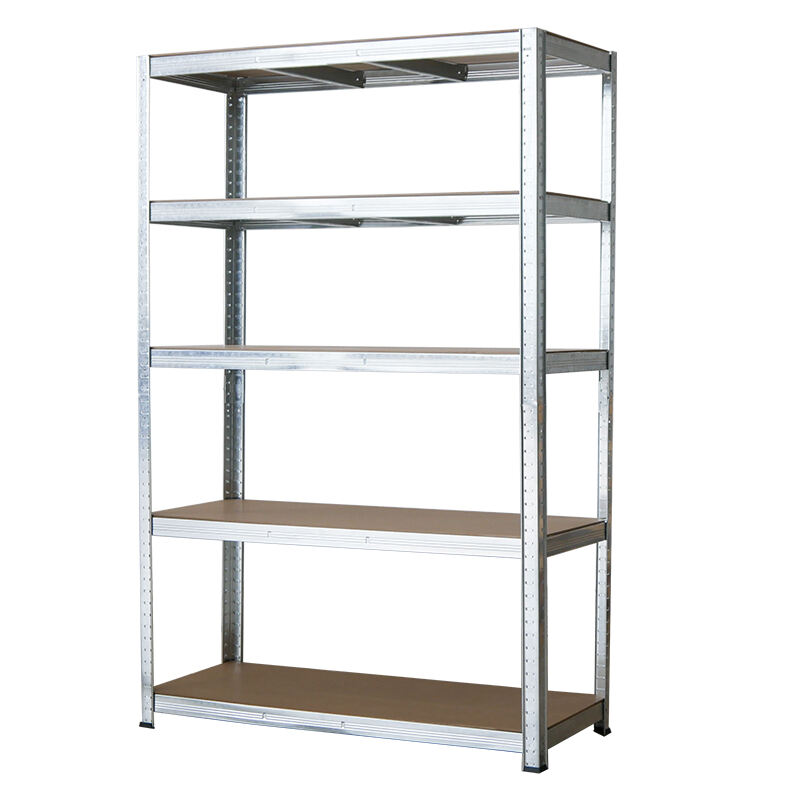
The procurement criteria for garage shelving systems extend beyond basic storage capacity to encompass structural integrity, regulatory compliance, scalability potential, and total cost of ownership. Companies must evaluate these factors systematically to ensure their investment delivers sustainable value while meeting both current operational needs and future expansion requirements. This comprehensive approach to procurement helps organizations avoid costly mistakes and ensures optimal return on their storage infrastructure investment.
Structural and Load-Bearing Requirements
Weight Capacity Assessment
The primary procurement criterion when companies buy garage shelving involves determining precise weight capacity requirements for intended storage applications. Organizations must calculate not only the immediate load requirements but also factor in potential future storage needs that might increase weight demands. This assessment includes evaluating the types of materials, equipment, or inventory that will be stored, their individual weights, and how these loads will be distributed across the shelving system.
Professional procurement teams typically require detailed load specifications from shelving manufacturers, including maximum distributed weight per shelf level and concentrated load limits. Companies must consider dynamic loading scenarios where items are frequently moved on and off shelves, as this creates additional stress on the structural components. The weight capacity evaluation also extends to understanding how environmental factors like temperature fluctuations might affect the shelving material properties and load-bearing capabilities over time.
Material Quality and Durability Standards
Material composition represents a critical procurement criterion that directly impacts the longevity and safety of garage shelving installations. Companies evaluate steel gauge thickness, coating quality, and corrosion resistance properties to ensure the shelving system can withstand the specific environmental conditions of their garage or warehouse facilities. The material assessment includes examining welding quality, joint construction methods, and overall manufacturing standards that contribute to structural integrity.
Organizations often establish minimum material specifications based on industry standards and their operational environment. For example, facilities exposed to moisture, chemicals, or extreme temperatures require shelving materials with enhanced protective coatings or specialized alloy compositions. The procurement process includes verifying material certifications, testing reports, and compliance with relevant manufacturing standards that validate the quality claims made by suppliers.
Safety and Compliance Standards
Regulatory Compliance Requirements
Companies must ensure that any garage shelving purchase meets applicable safety regulations and building codes specific to their industry and location. This procurement criterion involves verifying that the shelving system complies with occupational safety standards, fire safety regulations, and any industry-specific requirements that govern storage facilities. Organizations often require documentation proving compliance with standards such as OSHA guidelines, local building codes, and industry-specific safety protocols.
The compliance evaluation process includes reviewing installation requirements, anchoring specifications, and seismic considerations where applicable. Companies operating in regulated industries may have additional compliance requirements that affect shelving selection, such as cleanliness standards in pharmaceutical facilities or anti-static properties in electronics storage. Procurement teams must verify that suppliers can provide the necessary compliance documentation and certifications before finalizing purchase decisions.
Installation Safety and Stability
Installation safety represents a crucial procurement criterion that affects both worker safety during setup and long-term operational safety. Companies evaluate the complexity of installation procedures, required tools and expertise, and any special safety precautions necessary during the installation process. This assessment includes reviewing whether professional installation is required or if internal maintenance teams can safely handle the setup process.
Stability features such as anti-tip mechanisms, base anchoring requirements, and structural reinforcement options become important procurement considerations. Organizations must assess whether the shelving design includes safety features that prevent accidental collapse or tipping, especially in high-traffic garage environments. The procurement process often includes evaluating the supplier's installation support services, safety training resources, and ongoing maintenance recommendations.
Operational Functionality and Flexibility
Space Utilization Efficiency
Maximizing available space represents a key procurement criterion when companies buy garage shelving, as efficient space utilization directly impacts operational productivity and storage capacity. Organizations evaluate how different shelving configurations can optimize vertical space usage while maintaining accessibility for frequently used items. This assessment includes analyzing aisle width requirements, clearance needs for equipment access, and the relationship between storage density and operational workflow efficiency.
The space utilization evaluation extends to considering how the shelving system integrates with existing facility layout and equipment. Companies must assess whether the proposed shelving configuration accommodates current material handling equipment such as forklifts, pallet jacks, or automated systems. The procurement process includes modeling different layout scenarios to determine which shelving options provide optimal storage capacity while supporting efficient operations.
Modularity and Expansion Capabilities
Future scalability represents an important procurement criterion that affects the long-term value of garage shelving investments. Companies evaluate whether the shelving system can be easily expanded, reconfigured, or relocated as business needs evolve. This assessment includes reviewing the availability of additional components, compatibility with future expansions, and the ease of modifying existing configurations without major disruption to operations.
Modular design features allow organizations to adapt their storage infrastructure as inventory requirements change or facility layouts are modified. The procurement evaluation includes assessing the standardization of components, availability of accessories and add-ons, and the manufacturer's track record for maintaining product line continuity. Companies often prefer shelving systems that offer flexibility in shelf spacing, loading configurations, and integration with different storage accessories.
Cost Analysis and Value Considerations
Total Cost of Ownership Evaluation
Beyond the initial purchase price, companies must evaluate the total cost of ownership when they buy garage shelving, including installation expenses, maintenance requirements, and potential replacement costs over the system's useful life. This comprehensive cost analysis helps organizations understand the true financial impact of their shelving investment and compare options on a more meaningful basis than initial price alone.
The total cost evaluation includes assessing energy implications if the shelving affects lighting or climate control requirements, insurance considerations related to stored inventory protection, and potential productivity impacts from improved organization and accessibility. Companies often develop cost models that factor in labor savings from more efficient storage and retrieval processes, reduced product damage from better organization, and improved space utilization that delays the need for facility expansion.
Supplier Reliability and Support Services
Supplier evaluation represents a critical procurement criterion that extends beyond product quality to encompass service reliability, technical support availability, and long-term business stability. Companies assess the supplier's track record for on-time delivery, quality consistency, and responsiveness to customer service issues. This evaluation includes reviewing the supplier's financial stability, market reputation, and ability to provide ongoing support throughout the shelving system's operational life.
Service capabilities such as design assistance, installation support, and maintenance services become important procurement considerations. Organizations often prefer suppliers who can provide comprehensive support including space planning consultation, custom configuration design, and ongoing technical assistance. The procurement process includes evaluating warranty terms, parts availability, and the supplier's capacity to handle future expansion or modification requests.
FAQ
What documentation should companies require when purchasing garage shelving?
Companies should require comprehensive documentation including load capacity certifications, material specifications with steel gauge and coating details, compliance certificates for applicable safety standards, installation instructions with safety protocols, warranty terms and conditions, and supplier quality certifications. This documentation ensures the shelving meets procurement criteria and provides necessary support for safety compliance and future reference.
How do companies determine the appropriate weight capacity for their garage shelving needs?
Organizations determine weight capacity by conducting a thorough inventory analysis of stored items, calculating maximum distributed and concentrated loads, factoring in future storage growth projections, considering dynamic loading from frequent item movement, and adding safety margins typically ranging from 25-50% above calculated requirements. Professional load assessments help ensure the selected buy garage shelving system meets both current and anticipated future needs.
What role does facility environment play in garage shelving procurement decisions?
Facility environment significantly impacts procurement criteria including material selection for corrosion resistance in humid or chemical environments, temperature considerations that affect material properties, seismic requirements in earthquake-prone regions, fire safety considerations for stored materials, and integration requirements with existing facility systems like sprinklers or ventilation. Environmental factors directly influence material specifications and safety features required in the shelving system.
How should companies evaluate the long-term value of different garage shelving options?
Long-term value evaluation requires analyzing total cost of ownership including purchase price, installation costs, maintenance requirements, operational efficiency improvements, scalability potential, and replacement timeline expectations. Companies should compare options based on cost per storage unit over the expected useful life, considering factors like productivity improvements from better organization, reduced product damage, and delayed facility expansion needs resulting from improved space utilization efficiency.
Table of Contents
- Structural and Load-Bearing Requirements
- Safety and Compliance Standards
- Operational Functionality and Flexibility
- Cost Analysis and Value Considerations
-
FAQ
- What documentation should companies require when purchasing garage shelving?
- How do companies determine the appropriate weight capacity for their garage shelving needs?
- What role does facility environment play in garage shelving procurement decisions?
- How should companies evaluate the long-term value of different garage shelving options?

