 EN
EN


Determining when your warehouse operations require a galvanized heavy duty shelving system involves analyzing specific storage challenges, environmental conditions, and long-term operational goals. Many warehouse managers struggle with identifying the precise scenarios where galvanized heavy duty shelving systems provide the most cost-effective and performance-driven solution. The decision often depends on load requirements, moisture exposure, product types, and inventory turnover patterns that characterize your specific warehousing environment.
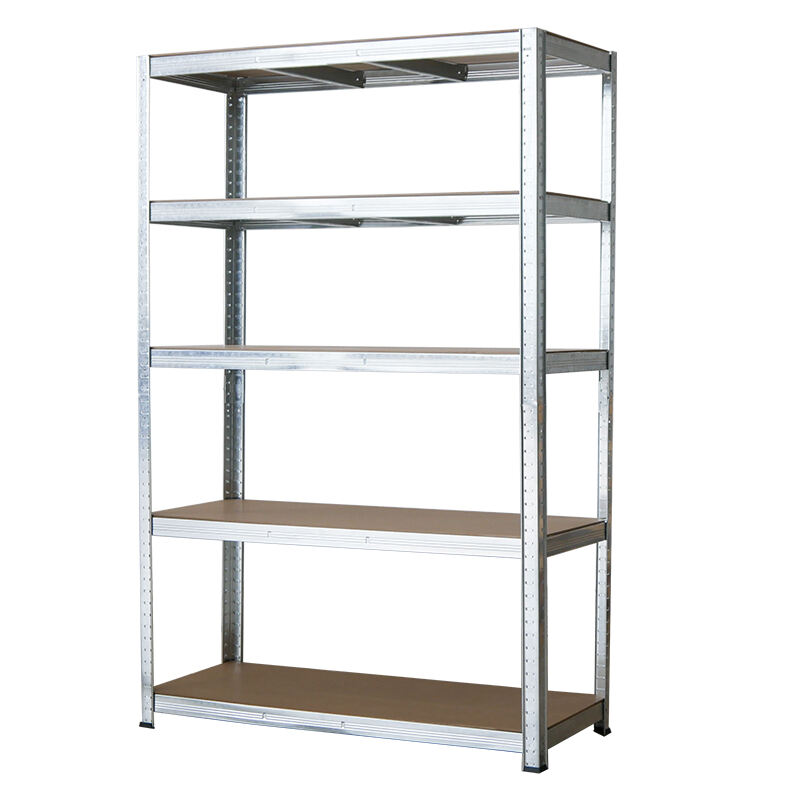
Understanding which warehousing scenarios justify investing in a galvanized heavy duty shelving system requires evaluating the intersection of storage demands, environmental factors, and operational efficiency requirements. These robust storage solutions excel in environments where standard shelving fails to meet durability, load capacity, or corrosion resistance needs. Making an informed decision ensures optimal return on investment while preventing costly storage failures and product damage that can result from inadequate shelving infrastructure.
Environmental Conditions That Demand Galvanized Solutions
Moisture and Humidity Exposure Scenarios
Warehouses operating in high-humidity environments or those storing moisture-sensitive products require galvanized heavy duty shelving systems to prevent rust formation and structural degradation. Facilities located in coastal regions, tropical climates, or areas with significant seasonal humidity fluctuations benefit significantly from galvanized coating protection. The zinc coating creates a barrier that prevents oxygen and moisture from reaching the underlying steel structure.
Food processing facilities, pharmaceutical warehouses, and agricultural storage operations frequently encounter elevated moisture levels that would quickly compromise standard steel shelving. Temperature variations that cause condensation present another scenario where galvanized protection becomes essential. Without proper galvanization, metal shelving can develop rust spots within months, leading to contamination risks and structural weakness that threaten both inventory and worker safety.
Chemical and Corrosive Atmosphere Considerations
Industrial warehouses storing chemicals, fertilizers, or cleaning products create atmospheric conditions that accelerate metal corrosion beyond normal environmental exposure. A galvanized heavy duty shelving system provides essential protection against chemical vapors and accidental spills that would rapidly deteriorate untreated metal surfaces. Manufacturing facilities with metal finishing operations, automotive parts storage, and battery distribution centers exemplify environments where galvanized protection prevents premature shelving failure.
Agricultural chemical storage, pool supply distribution, and laboratory equipment warehouses represent additional scenarios where corrosive substances justify galvanized heavy duty shelving system implementation. The galvanized coating acts as a sacrificial layer, protecting the base metal even when minor surface damage occurs. This self-healing property of galvanization ensures continued protection throughout the shelving system's operational lifetime.
Load Capacity Requirements That Necessitate Heavy Duty Construction
High-Density Storage Applications
Warehouses implementing high-density storage strategies require galvanized heavy duty shelving systems capable of supporting concentrated loads without deflection or structural failure. Operations storing automotive parts, industrial machinery components, or construction materials often exceed the capacity limits of standard shelving configurations. Heavy-duty construction ensures safe storage of items weighing hundreds of pounds per shelf level while maintaining accessibility for material handling equipment.
Distribution centers handling bulk commodities, such as building supplies, metal fabrication inventory, or heavy consumer goods, justify galvanized heavy duty shelving system investment through improved safety margins and reduced replacement frequency. The enhanced load distribution capabilities prevent shelf sagging and maintain precise inventory organization even under maximum capacity conditions. This structural integrity proves essential for automated storage and retrieval systems that depend on consistent shelf positioning.
Multi-Level Storage Configurations
Vertical storage maximization through multi-level shelving configurations places exponential stress on lower shelf tiers, demanding the structural reinforcement that galvanized heavy duty shelving systems provide. Warehouses with limited floor space often implement tall shelving arrays that would overwhelm standard construction materials. The cumulative weight of multiple loaded shelf levels requires engineering-grade structural components to prevent catastrophic failure.
Mezzanine storage applications and multi-story warehouse operations benefit from galvanized heavy duty shelving systems that maintain structural integrity under dynamic loading conditions. Forklift traffic, material handling vibration, and thermal expansion cycles create additional stress factors that justify heavy-duty construction. The galvanized coating provides long-term durability while the reinforced framework ensures safe operation throughout the shelving system's extended service life.
Inventory Characteristics That Require Specialized Storage
Product Durability and Value Considerations
High-value inventory storage justifies galvanized heavy duty shelving system implementation through enhanced product protection and reduced loss exposure. Electronics distribution, pharmaceutical storage, and precision instrument warehouses require shelving that eliminates contamination risks while providing secure, stable storage platforms. The corrosion resistance of galvanized surfaces prevents rust particles from contaminating sensitive products and maintains clean storage environments required for quality certification compliance.
Warehouses storing products with extended shelf lives or slow turnover rates benefit from the longevity advantages of galvanized heavy duty shelving systems. Food storage facilities, emergency supply depots, and seasonal merchandise warehouses require galvanized heavy duty shelving system infrastructure that maintains structural and aesthetic integrity over multiple years without degradation affecting stored products.
Temperature-Sensitive Storage Requirements
Cold storage warehouses and freezer facilities present extreme environmental conditions that validate galvanized heavy duty shelving system selection through superior performance under thermal cycling stress. Temperature variations between ambient and sub-zero conditions create metal expansion and contraction cycles that can compromise standard shelving joints and connections. Galvanized coating remains flexible and protective throughout these thermal cycles, preventing ice formation damage and maintaining structural integrity.
Heated warehouse environments, such as those maintaining pharmaceutical storage temperatures or preventing product freezing, also benefit from galvanized protection against accelerated oxidation rates. Elevated temperatures increase chemical reaction rates, making untreated metal surfaces more susceptible to corrosion from atmospheric moisture and contaminants. The thermal stability of galvanized coatings ensures consistent protection across varying temperature ranges.
Operational Efficiency and Long-Term Cost Considerations
Maintenance Reduction Benefits
Warehousing operations seeking to minimize maintenance downtime and labor costs find justification for galvanized heavy duty shelving systems through reduced inspection frequency and extended replacement intervals. The corrosion resistance eliminates regular painting requirements and rust remediation activities that consume operational resources. Facilities operating continuous shifts or just-in-time inventory systems cannot afford shelving maintenance disruptions that galvanized systems help eliminate.
Safety compliance requirements in warehouses storing hazardous materials or operating under strict regulatory oversight justify galvanized heavy duty shelving system investment through reduced failure risk and extended certification periods. The predictable performance characteristics of galvanized steel allow for more accurate maintenance scheduling and reduce unexpected repair costs that can disrupt operational budgets and delivery schedules.
Scalability and Future Expansion Planning
Growing businesses that anticipate warehouse expansion or increased storage density requirements benefit from implementing galvanized heavy duty shelving systems that accommodate future operational changes. The modular nature of heavy-duty shelving allows for reconfiguration and expansion without complete system replacement. Galvanized protection ensures that existing shelving components remain serviceable as operational demands evolve.
Distribution centers planning automation integration or material handling equipment upgrades find that galvanized heavy duty shelving systems provide the structural stability and dimensional consistency required for advanced warehouse management systems. The enhanced durability supports longer-term technology investments while the corrosion resistance maintains the clean, professional appearance required for customer facility tours and regulatory inspections.
FAQ
What load capacity advantages do galvanized heavy duty shelving systems provide over standard warehouse shelving?
Galvanized heavy duty shelving systems typically support 2-5 times the load capacity of standard shelving through reinforced structural components, thicker steel construction, and enhanced connection hardware. While standard shelving may support 200-500 pounds per shelf, heavy-duty systems often handle 1000-3000 pounds per level, making them suitable for industrial parts, bulk materials, and high-density storage applications.
How long does galvanized coating protection last in typical warehouse environments?
Quality galvanized coating on heavy duty shelving systems provides 15-25 years of corrosion protection in standard warehouse environments, with extended protection in climate-controlled facilities. The zinc coating thickness and application method significantly impact longevity, with hot-dip galvanizing offering superior durability compared to electroplated coatings for demanding warehouse applications.
Can galvanized heavy duty shelving systems be modified or expanded after initial installation?
Most galvanized heavy duty shelving systems feature modular designs that allow for height adjustments, additional shelves, and configuration changes without compromising structural integrity. The standardized connection systems enable expansion of existing installations, though modifications should maintain proper load distribution and follow manufacturer specifications to ensure continued safety and performance.
What specific industries most commonly require galvanized heavy duty shelving systems?
Automotive parts distribution, food processing and storage, pharmaceutical warehousing, chemical storage facilities, and metal fabrication operations most frequently require galvanized heavy duty shelving systems. These industries face combinations of high load requirements, corrosive environments, regulatory compliance needs, and valuable inventory protection demands that justify the investment in premium shelving infrastructure.
Table of Contents
- Environmental Conditions That Demand Galvanized Solutions
- Load Capacity Requirements That Necessitate Heavy Duty Construction
- Inventory Characteristics That Require Specialized Storage
- Operational Efficiency and Long-Term Cost Considerations
-
FAQ
- What load capacity advantages do galvanized heavy duty shelving systems provide over standard warehouse shelving?
- How long does galvanized coating protection last in typical warehouse environments?
- Can galvanized heavy duty shelving systems be modified or expanded after initial installation?
- What specific industries most commonly require galvanized heavy duty shelving systems?

