Superior Environmental Resistance and Longevity
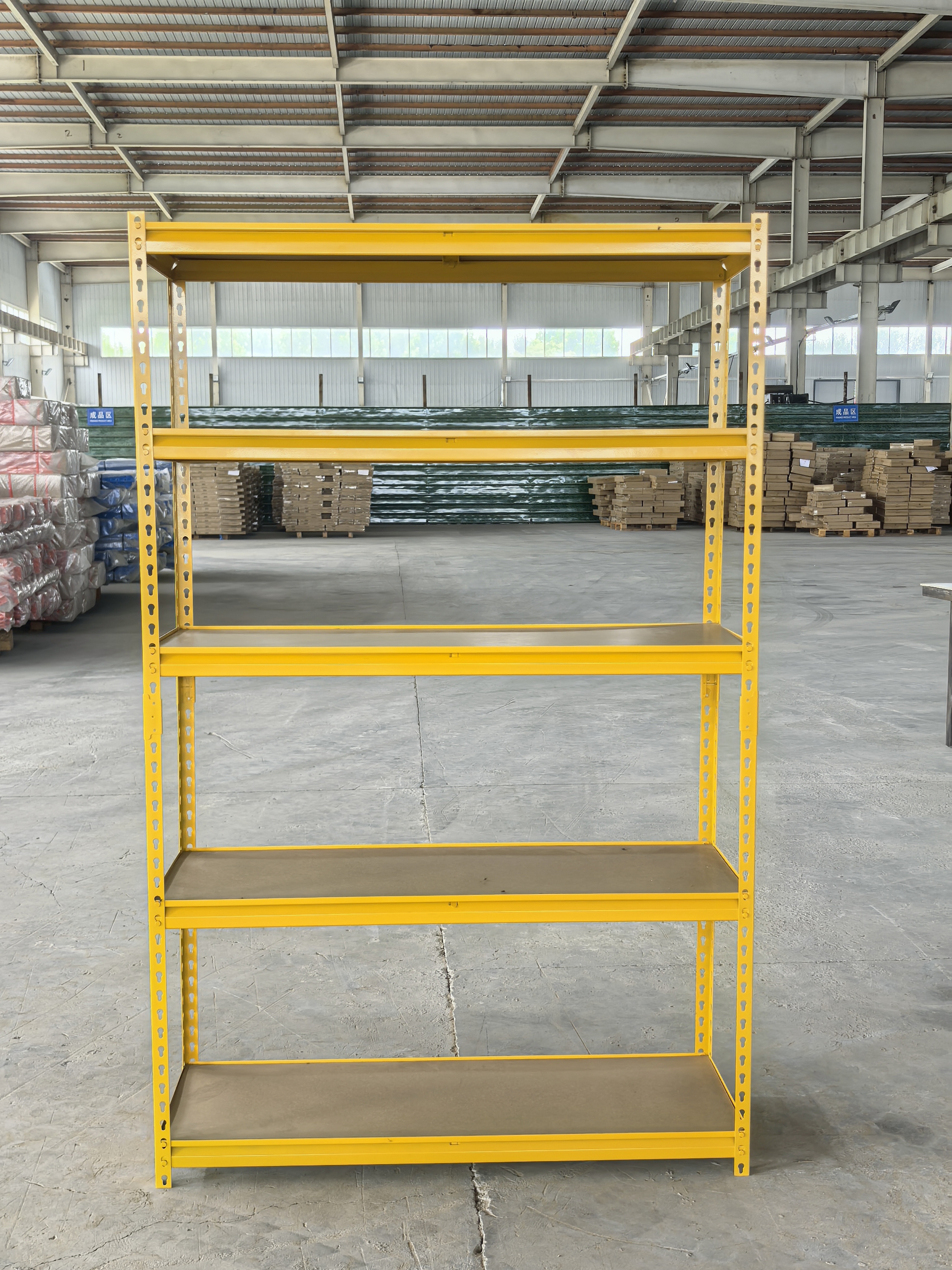
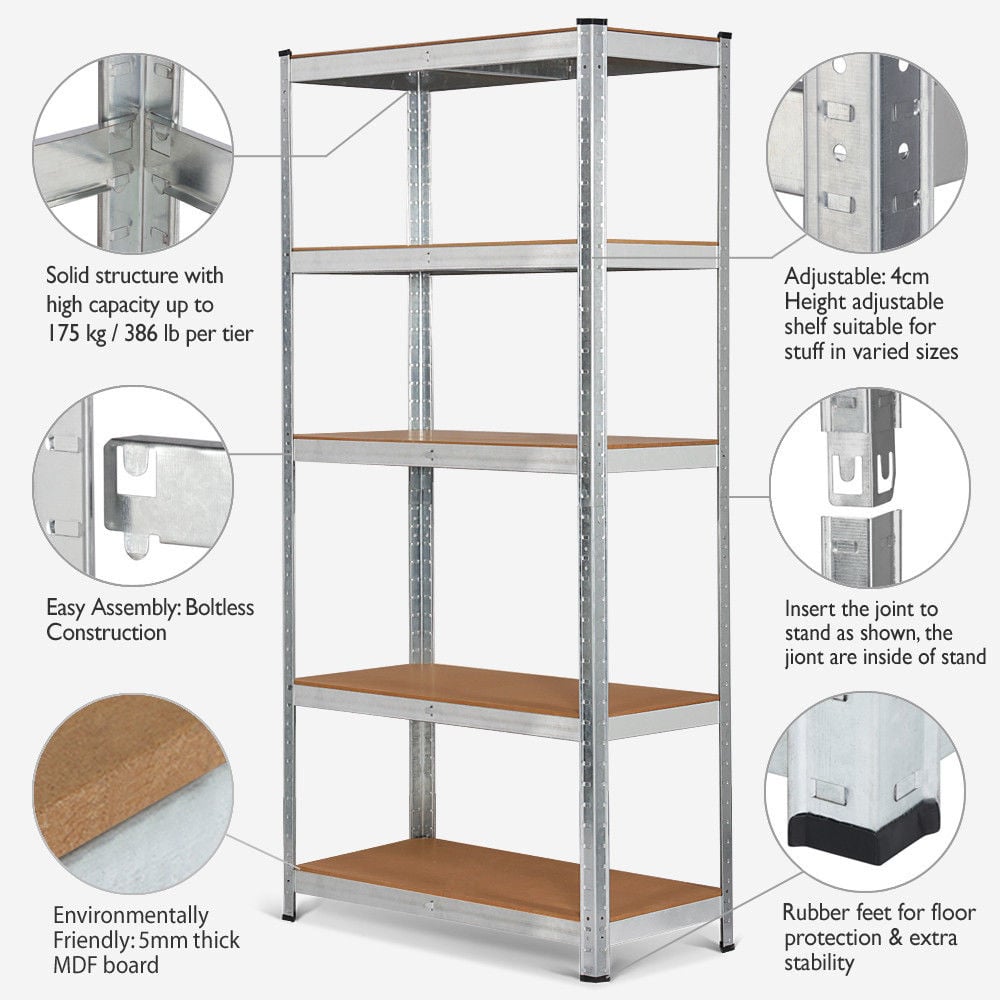
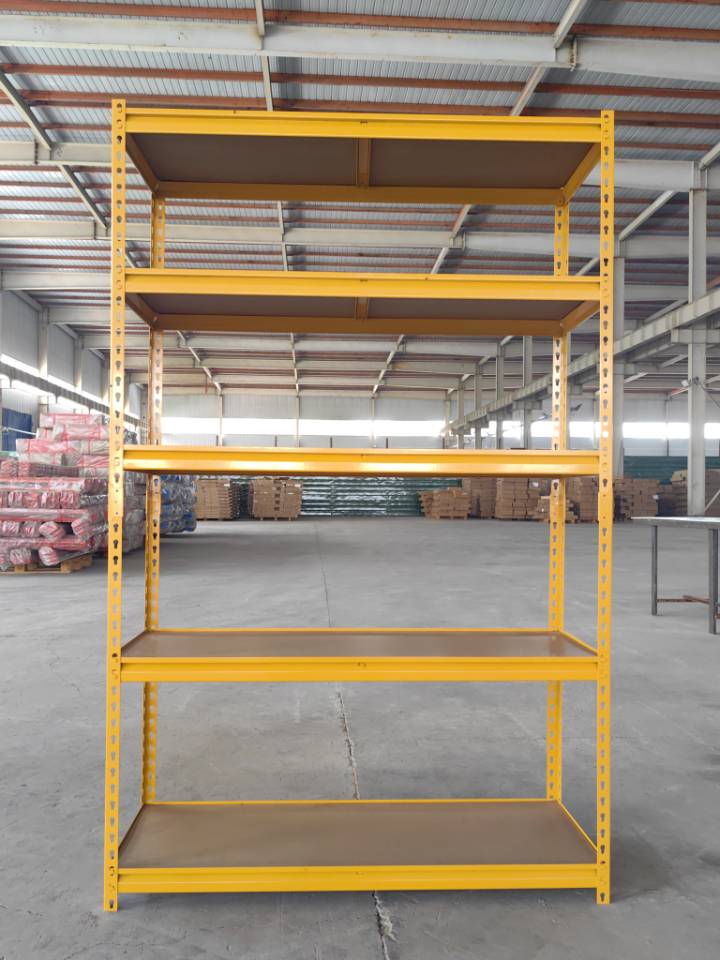
The exceptional environmental resistance engineered into quality metal shelf unit construction ensures reliable performance across diverse conditions that would rapidly degrade alternative storage materials, delivering longevity that transforms initial purchase costs into remarkably low lifetime expenses. This durability stems from both inherent material properties of metals and sophisticated finishing processes that armor surfaces against degradation mechanisms. Steel and aluminum naturally resist biological decomposition, meaning a metal shelf unit never rots, molds, or provides sustenance for wood-boring insects that steadily compromise wooden shelving structural integrity. This biological immunity proves particularly valuable in humid environments like basements, coastal facilities, or tropical climates where moisture accelerates organic material deterioration. The powder-coating technology applied to contemporary metal shelving creates a protective barrier significantly more durable than conventional paint, achieved through an electrostatic application process that bonds coating particles directly to metal surfaces at the molecular level. This bonded coating resists chipping, scratching, and peeling far better than mechanically applied finishes, maintaining protective coverage even when subjected to impacts from moving equipment or stored items. Corrosion resistance varies depending on coating formulation and metal selection, with zinc-plated steel offering excellent protection in most indoor environments while stainless steel grades provide extreme resistance for food service, medical, or chemical storage applications. Galvanized metal shelf units suitable for outdoor or high-moisture environments feature hot-dip zinc coatings that sacrifice themselves to protect underlying steel, extending service life in conditions where unprotected metal would quickly rust. Temperature stability represents another environmental resistance advantage, as metal shelving maintains dimensional accuracy across temperature ranges that cause wood to expand, contract, and warp. This stability proves essential in facilities experiencing significant temperature fluctuations or in applications near heating equipment, freezers, or exterior doors. Chemical resistance built into industrial-grade metal shelf units allows safe storage of cleaning supplies, automotive fluids, agricultural chemicals, and other substances that would stain, dissolve, or weaken plastic or wooden alternatives. The non-porous surface of metal shelving prevents liquid absorption that creates permanent stains and odors, allowing thorough cleaning and sanitization necessary in food preparation areas, medical supply rooms, or laboratory environments. UV resistance eliminates the fading and brittleness that plague plastic shelving exposed to sunlight, making metal units suitable for greenhouse, sunroom, or windowed warehouse installations. Fire resistance inherent in metal construction provides critical safety advantages, as these materials will not ignite or contribute fuel to fires, potentially limiting property damage and providing valuable evacuation time during emergencies. The structural stability of metal shelving persists through years of loading cycles without developing the sag that eventually afflicts particle board and even solid wood shelves, maintaining level surfaces that prevent items from rolling or sliding. This longevity means a properly selected metal shelf unit may represent the last storage purchase necessary for a given application, eliminating replacement cycles and the associated labor costs of transferring inventory between old and new systems.
 EN
EN