Steel Shelving Manufacturer | Custom Industrial Storage Solutions & Heavy-Duty Racking Systems

Contact me immediately if you encounter problems!

All Categories

steel shelving manufacturer

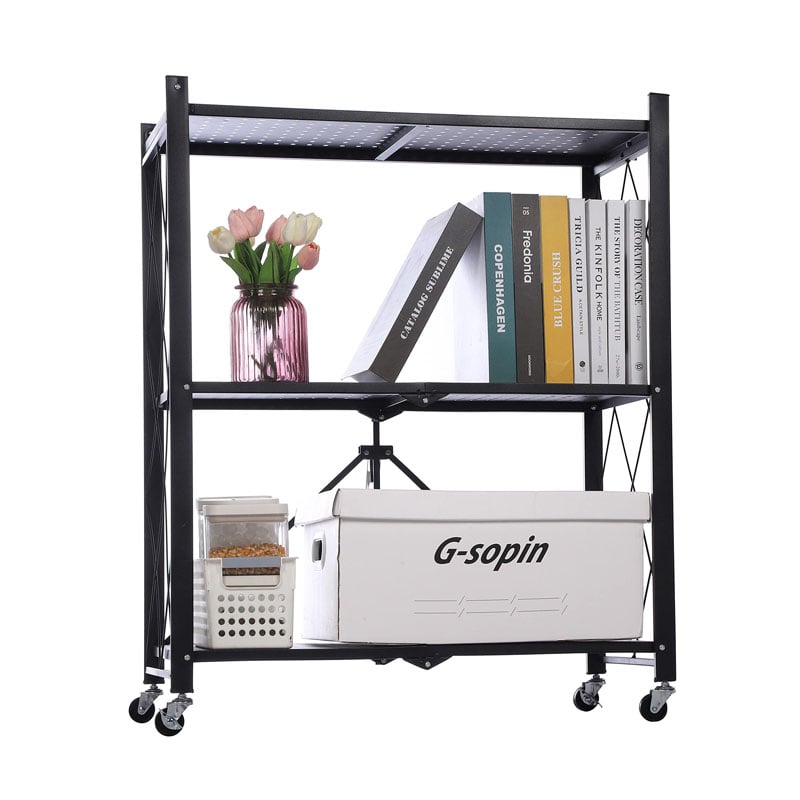
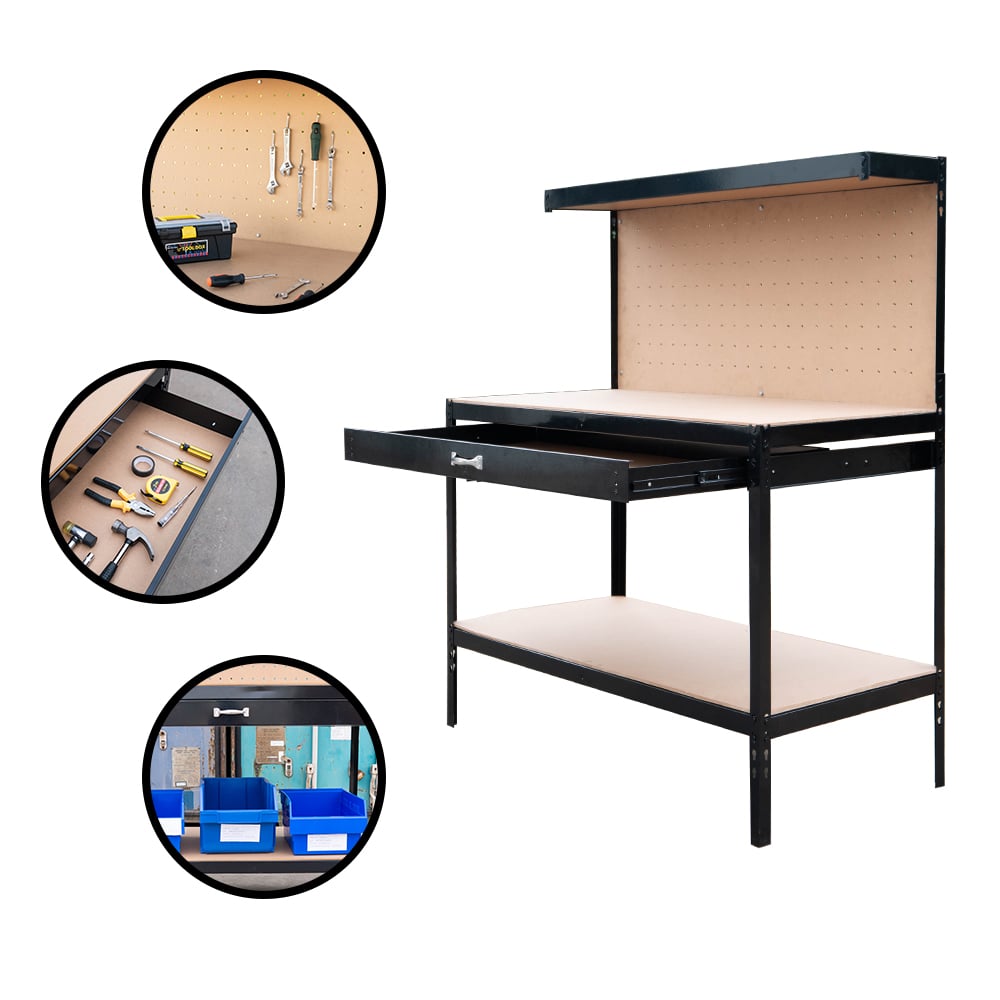
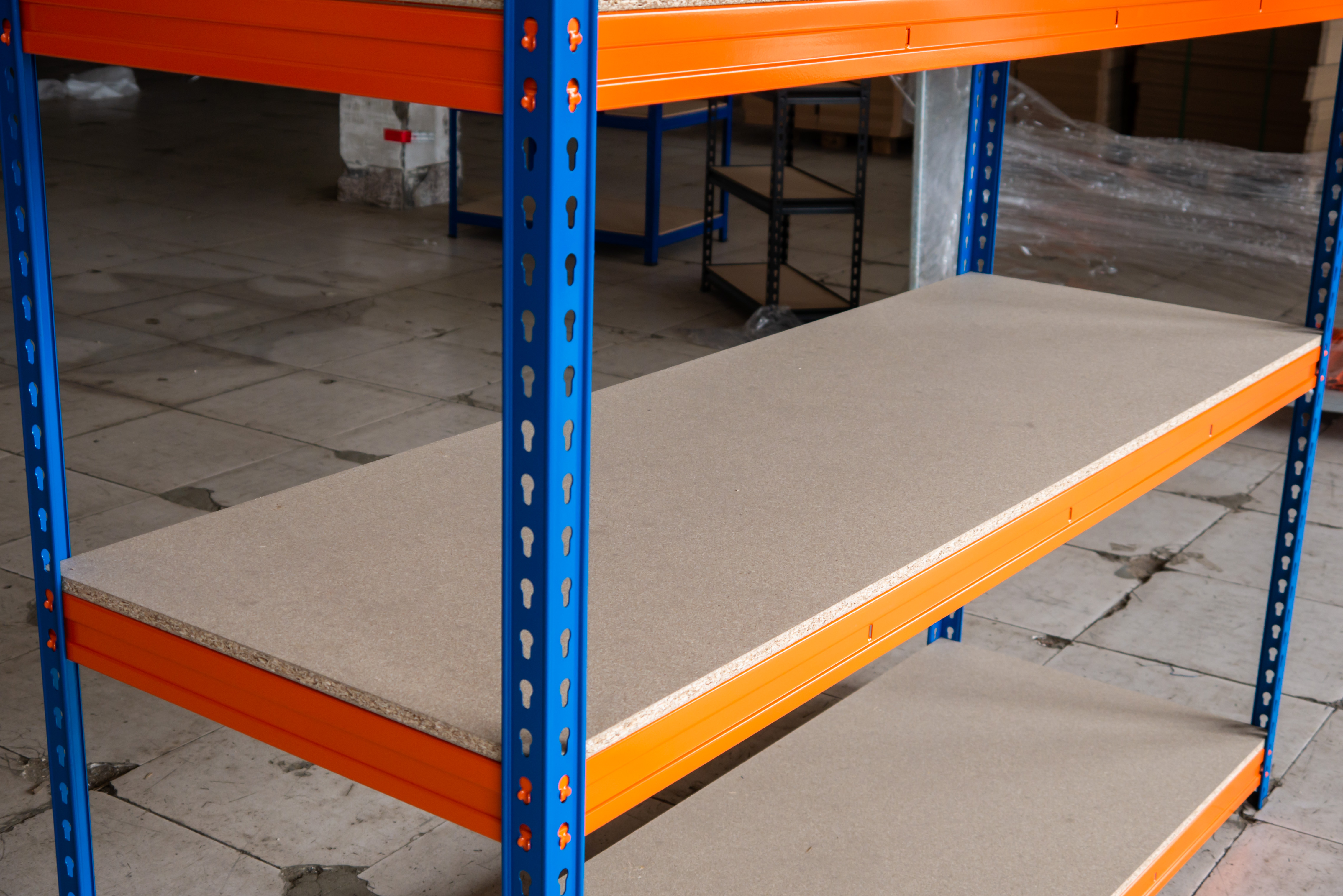
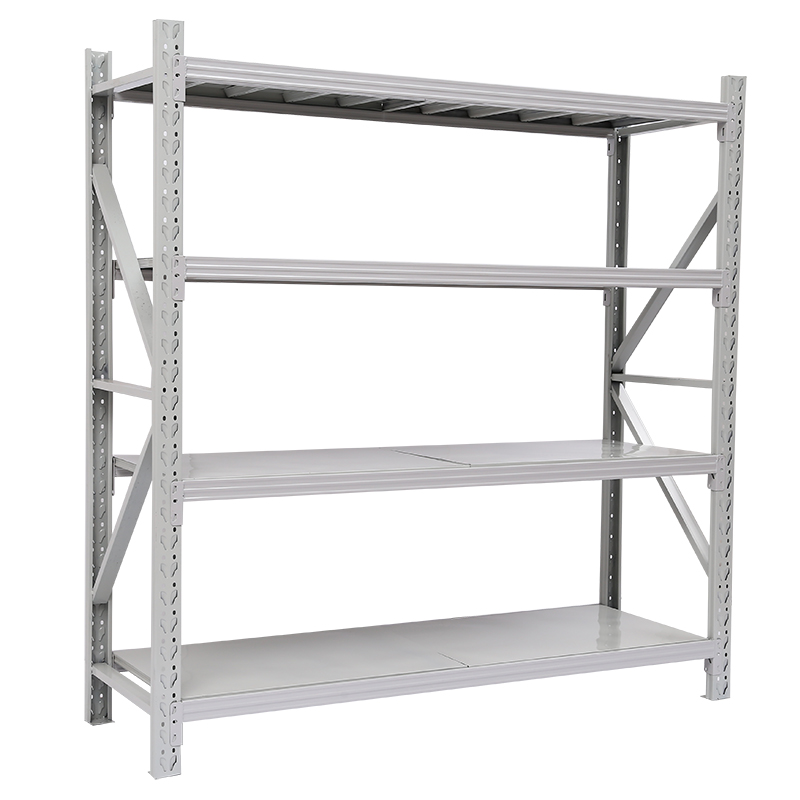
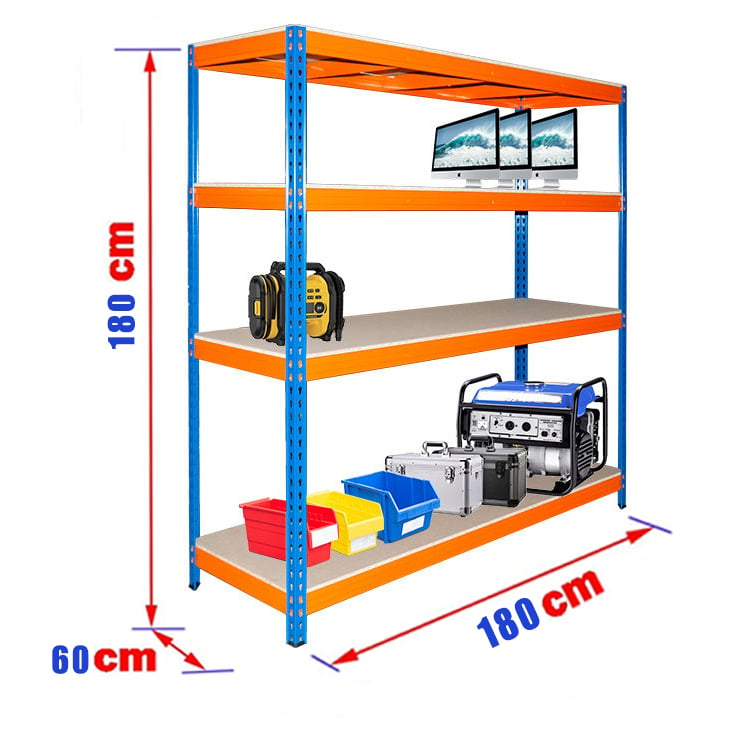
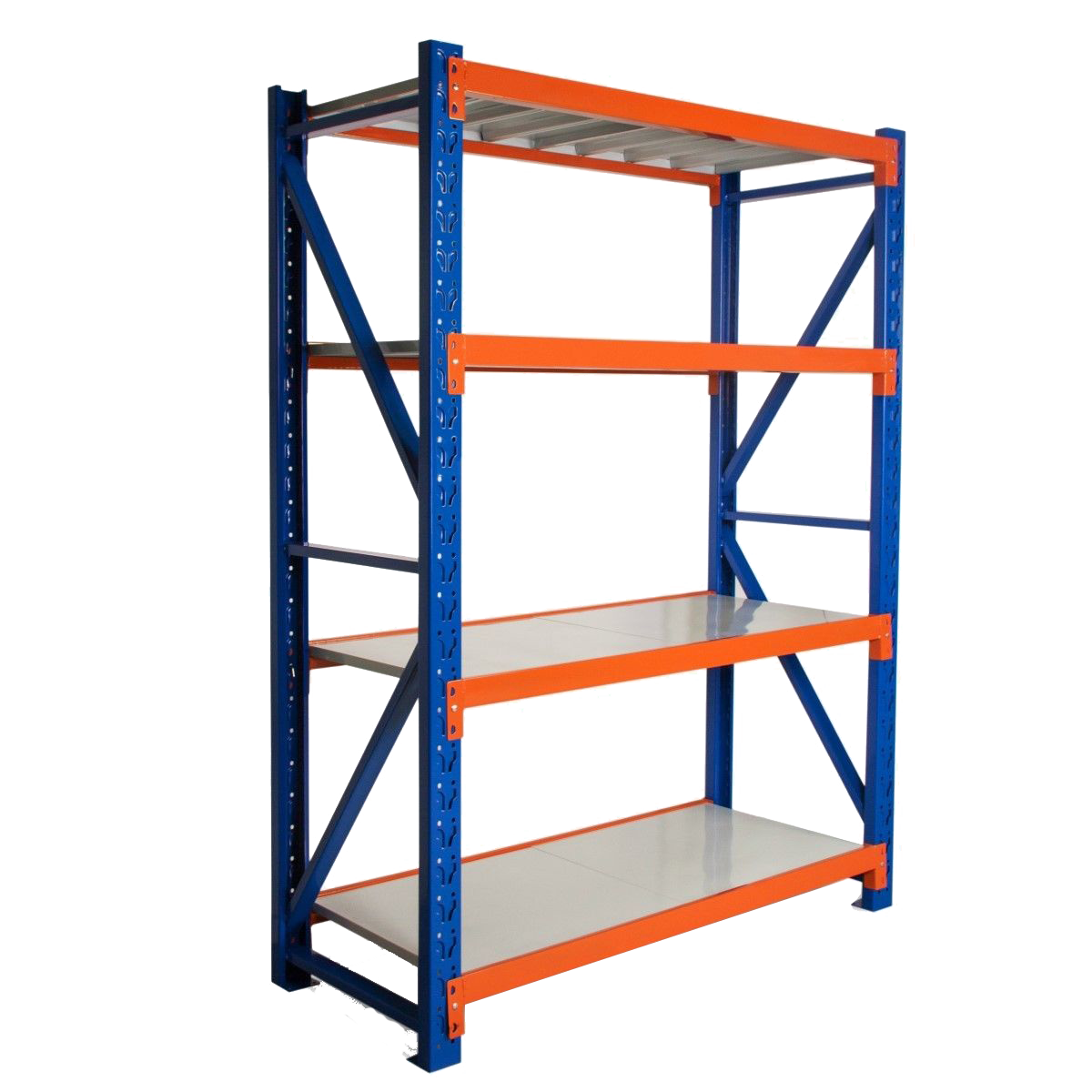
A steel shelving manufacturer specializes in designing, engineering, and producing robust storage solutions that serve commercial, industrial, and residential markets worldwide. These manufacturers combine advanced metalworking techniques with precision engineering to create shelving systems that maximize vertical space utilization while maintaining structural integrity under substantial load capacities. The primary function of a steel shelving manufacturer revolves around transforming raw steel materials into versatile storage frameworks through cutting, welding, powder coating, and assembly processes. Modern facilities employ computer-aided design software to develop customized configurations that address specific spatial constraints and weight-bearing requirements across diverse applications. The technological features incorporated by leading manufacturers include cold-rolled steel construction that enhances durability, adjustable shelf heights that accommodate varying product dimensions, and modular designs that allow seamless expansion as storage needs evolve. Many steel shelving manufacturer operations utilize automated bending machines and laser cutting technology to ensure consistent quality across production runs while maintaining tight tolerances. Corrosion-resistant finishes applied through electrostatic powder coating processes extend product lifespan even in challenging environments with moisture or chemical exposure. Applications for these storage systems span warehouse logistics operations, retail backroom organization, automotive parts distribution, library archival storage, pharmaceutical inventory management, and residential garage optimization. The steel shelving manufacturer serves sectors requiring reliable load-bearing capacity ranging from light-duty residential units supporting 200 pounds per shelf to heavy-duty industrial configurations handling 3000 pounds or more per level. These manufacturers also provide specialized solutions including wire decking options for improved visibility and airflow, divider systems for inventory segmentation, and mobile shelving units mounted on track systems for space-efficient archival storage. The integration of safety features such as reinforced corner posts, anti-slip shelf surfaces, and seismic bracing options demonstrates how manufacturers prioritize user protection alongside functional storage capacity.

Popular Products

Selecting the right steel shelving manufacturer delivers numerous practical benefits that directly impact operational efficiency and long-term cost management. First, working with an established manufacturer provides access to engineering expertise that helps businesses optimize their storage footprint without compromising accessibility or safety standards. These manufacturers conduct load analysis and spatial planning consultations that prevent costly mistakes such as inadequate weight distribution or inefficient aisle configurations. The durability advantage cannot be overstated, as quality steel construction withstands daily wear from loading and unloading activities far better than particleboard or plastic alternatives that crack, warp, or degrade over time. This longevity translates to lower replacement costs and reduced downtime associated with shelving failures or maintenance interventions. A reputable steel shelving manufacturer offers customization capabilities that address unique operational challenges, whether accommodating irregularly shaped inventory, integrating with existing racking systems, or meeting specific height restrictions imposed by building codes or ceiling clearances. The scalability provided by modular systems allows organizations to start with essential configurations and expand incrementally as inventory levels grow, avoiding the waste associated with purchasing oversized systems upfront. Quick assembly features built into modern designs reduce installation labor costs significantly, with many units requiring only basic tools and minimal technical expertise for setup. The versatility advantage extends across temperature ranges and environmental conditions, as properly finished steel shelving maintains structural performance in cold storage facilities, humid climates, or areas with temperature fluctuations that would compromise wood or composite materials. Manufacturing consistency ensures that replacement components or expansion modules purchased years after initial installation integrate seamlessly with existing structures, protecting the original investment. Aesthetic considerations also matter in customer-facing environments, and powder-coated finishes available from manufacturers provide professional appearances in colors that complement brand identities or facility design schemes. The safety advantages include stable construction that resists tipping, smooth edges that reduce injury risks during stocking activities, and optional accessories like backstops that prevent items from falling behind units. Environmental responsibility represents another advantage, as steel remains infinitely recyclable without quality degradation, and many manufacturers incorporate recycled content into their products while maintaining full structural performance. Procurement efficiency improves when partnering with a steel shelving manufacturer that maintains inventory for rapid fulfillment rather than relying on extended lead times associated with made-to-order production. Technical support throughout the product lifecycle, including installation guidance, reconfiguration assistance, and capacity upgrade consultations, adds value beyond the physical products themselves.

Tips And Tricks

What Are the Lifespan Benefits of a Foldable PVC Trolley Design?

29

Apr

What Are the Lifespan Benefits of a Foldable PVC Trolley Design?

Understanding the longevity advantages inherent in a foldable pvc platform hand truck trolley design requires examining how structural engineering, material science, and user-centered functionality converge to create durable material handling solutio...
View More
When does supplier capacity matter for wire garage shelving orders?

30

Apr

When does supplier capacity matter for wire garage shelving orders?

Selecting a wire garage shelving supplier involves more than comparing price lists and lead times. Supplier capacity—the ability to fulfill orders at scale, maintain consistent quality, and adapt to demand fluctuations—directly impacts your project t...
View More
When should procurement teams audit garage tool rack suppliers?

30

Apr

When should procurement teams audit garage tool rack suppliers?

Procurement teams responsible for warehouse equipment, garage storage systems, and facility organization face a critical question: when is the right time to audit their tool rack for garage supplier? This decision carries significant weight, as the q...
View More
When is bulk sourcing key for metal kitchen shelves suppliers?

30

Apr

When is bulk sourcing key for metal kitchen shelves suppliers?

Understanding the right timing for bulk sourcing decisions represents a critical strategic capability for any metal kitchen shelves supplier operating in today's competitive marketplace. The question of when to commit to large-scale purchasing involv...
View More

Get a Free Quote

Our representative will contact you soon.
Email Adress
Your Name
Phone
Company Name
Message
0/1000

steel shelving manufacturer

Advanced Manufacturing Precision and Quality Control

Advanced Manufacturing Precision and Quality Control

The technological sophistication employed by a modern steel shelving manufacturer fundamentally differentiates premium products from generic alternatives available through discount suppliers. State-of-the-art manufacturing facilities utilize computer numerical control machinery that executes cuts, bends, and punches with repeatability measured in thousandths of an inch, ensuring that every shelf bracket aligns perfectly with corresponding posts and that weight loads distribute evenly across connection points. This precision manufacturing eliminates the frustrating assembly issues commonly encountered with poorly toleranced components, such as bolt holes that fail to align or shelves that rock due to inconsistent leg lengths. Quality control protocols implemented throughout production stages include material certification verification to confirm steel gauge thickness and tensile strength specifications, dimensional inspections at multiple checkpoints, and finished product load testing that validates capacity ratings under controlled conditions. Welding quality receives particular attention from leading manufacturers, as connection integrity directly impacts overall system safety and longevity. Certified welders execute joints according to engineering specifications, and non-destructive testing methods identify any subsurface defects that could compromise structural performance over time. The powder coating application process represents another critical quality determinant, as proper surface preparation through chemical cleaning and phosphate treatment ensures coating adhesion that resists chipping and peeling. Electrostatic application technology employed by professional manufacturers achieves uniform coverage thickness even in recessed areas and complex geometries, followed by curing in precisely controlled ovens that cross-link the coating molecules for maximum durability. This attention to finishing details protects against corrosion initiation that eventually leads to structural weakening and cosmetic degradation. Material sourcing practices also distinguish quality-focused manufacturers, as partnerships with certified steel mills ensure consistent metallurgical properties and freedom from contaminants that create weak points in finished products. Traceability systems allow manufacturers to track specific material lots through production, facilitating rapid response should any quality concerns emerge post-delivery. Engineering validation through finite element analysis software enables manufacturers to optimize designs for maximum strength-to-weight ratios, reducing material consumption and shipping costs without sacrificing performance capabilities. This computational approach identifies stress concentration points that require reinforcement and validates load distribution patterns under various loading scenarios before physical prototypes enter production. The resulting products deliver reliability that justifies their initial cost through extended service lives and minimal maintenance requirements.
Customization Capabilities for Specialized Applications

Customization Capabilities for Specialized Applications

A forward-thinking steel shelving manufacturer differentiates itself through flexible design services that transform standard products into tailored solutions addressing unique operational requirements. This customization capability proves invaluable for businesses operating in specialized industries with non-standard inventory dimensions, regulatory compliance mandates, or spatial constraints that generic off-the-shelf configurations cannot accommodate effectively. The customization process typically begins with needs assessment consultations where manufacturing representatives collaborate with facility managers to document specific challenges, measure available floor space, inventory storage requirements, and workflow patterns that influence optimal shelving placement. Engineering teams then develop conceptual layouts using computer-aided design tools that visualize proposed configurations within actual facility dimensions, allowing stakeholders to evaluate accessibility, capacity, and expansion potential before committing to fabrication. Dimensional customization addresses situations where standard shelf depths prove too shallow for oversized products or too deep for efficient space utilization in narrow areas. Manufacturers can modify widths, depths, and heights incrementally to maximize cubic storage capacity while maintaining adequate aisle widths for material handling equipment. Specialized coating options extend beyond standard color selections to include food-grade finishes for commercial kitchen applications, conductive coatings for electronics manufacturing environments sensitive to static discharge, or antimicrobial treatments for healthcare facilities requiring enhanced sanitation protocols. Integration features represent another customization dimension, as manufacturers incorporate mounting provisions for label holders, bin systems, lighting fixtures, or security enclosures that transform basic shelving into comprehensive storage ecosystems. For operations handling temperature-sensitive products, manufacturers can specify materials and finishes rated for extreme cold storage environments where standard components might become brittle and prone to failure. Weight capacity customization allows manufacturers to engineer reinforced systems for exceptionally heavy inventory, incorporating thicker gauge steel, additional cross-bracing, and upgraded connection hardware that safely handles loads exceeding standard product ratings. Mobile configurations mounted on wheeled bases or track systems provide space efficiency in archival applications, with manufacturers customizing carriage dimensions and mechanical assist systems based on total loaded weight and required travel distances. Specialized industries benefit from application-specific enhancements such as wire mesh decking for improved sprinkler system effectiveness in fire-protected warehouses, or slatted shelving designs that facilitate drainage in wet processing environments. The value of working with a steel shelving manufacturer offering comprehensive customization extends beyond physical product modifications to include detailed installation drawings, capacity placards, and training materials that ensure proper system utilization and maintenance throughout its operational lifespan.
Sustainability and Long-Term Value Proposition

Sustainability and Long-Term Value Proposition

Environmental consciousness and economic prudence converge when selecting a steel shelving manufacturer committed to sustainable practices and products engineered for multi-decade service lives. Steel's fundamental material properties position it as the most environmentally responsible choice for permanent storage infrastructure, as its complete recyclability allows end-of-life products to re-enter manufacturing streams without quality degradation that limits recycling iterations for plastics or composites. Progressive manufacturers incorporate post-consumer recycled content into their steel sourcing, reducing demand for virgin ore extraction and the associated environmental impacts of mining operations. The longevity advantage inherent in properly manufactured steel shelving delivers profound sustainability benefits by avoiding the repetitive consumption cycles associated with cheaper alternatives requiring replacement every few years. A quality system installed today can reliably serve multiple decades with minimal maintenance, eliminating the embodied energy and carbon emissions associated with manufacturing, packaging, and transporting replacement units. This durability also prevents tons of waste material from entering landfills, as degraded particle board, broken plastic, or corroded thin-gauge metal shelving components typically lack recycling pathways and end their abbreviated service lives in disposal facilities. The economic value proposition extends beyond purchase price to encompass total cost of ownership calculations that account for installation labor, maintenance interventions, productivity losses during replacement activities, and disposal expenses. When evaluated across anticipated service lives, premium steel shelving from established manufacturers demonstrates superior value despite higher initial investments compared to economy alternatives. Modular expansion capabilities protect initial investments by allowing capacity increases through component additions rather than complete system replacements as operations grow. This adaptability proves particularly valuable for businesses experiencing organic growth or seasonal fluctuations, as configurations adjust to changing needs without stranded investments in obsolete infrastructure. Resale value represents another economic consideration, as quality steel shelving maintains functionality and marketability for secondary users, allowing businesses to recover portions of initial investments during facility relocations or operational changes. The reduced insurance premiums sometimes available for properly engineered storage systems reflect risk assessments recognizing that quality shelving reduces inventory damage incidents and workplace injuries associated with structural failures. Choosing a steel shelving manufacturer with established industry presence also provides assurance regarding long-term parts availability and technical support, protecting against orphaned systems that become impossible to maintain or expand when suppliers exit markets. Financial planning benefits from predictable budgeting enabled by durable systems with minimal maintenance requirements and no anticipated replacement costs within typical capital equipment depreciation schedules. These combined sustainability and economic factors demonstrate that selecting the right manufacturer represents strategic infrastructure investment rather than simple commodity purchasing.
email goToTop