 EN
EN

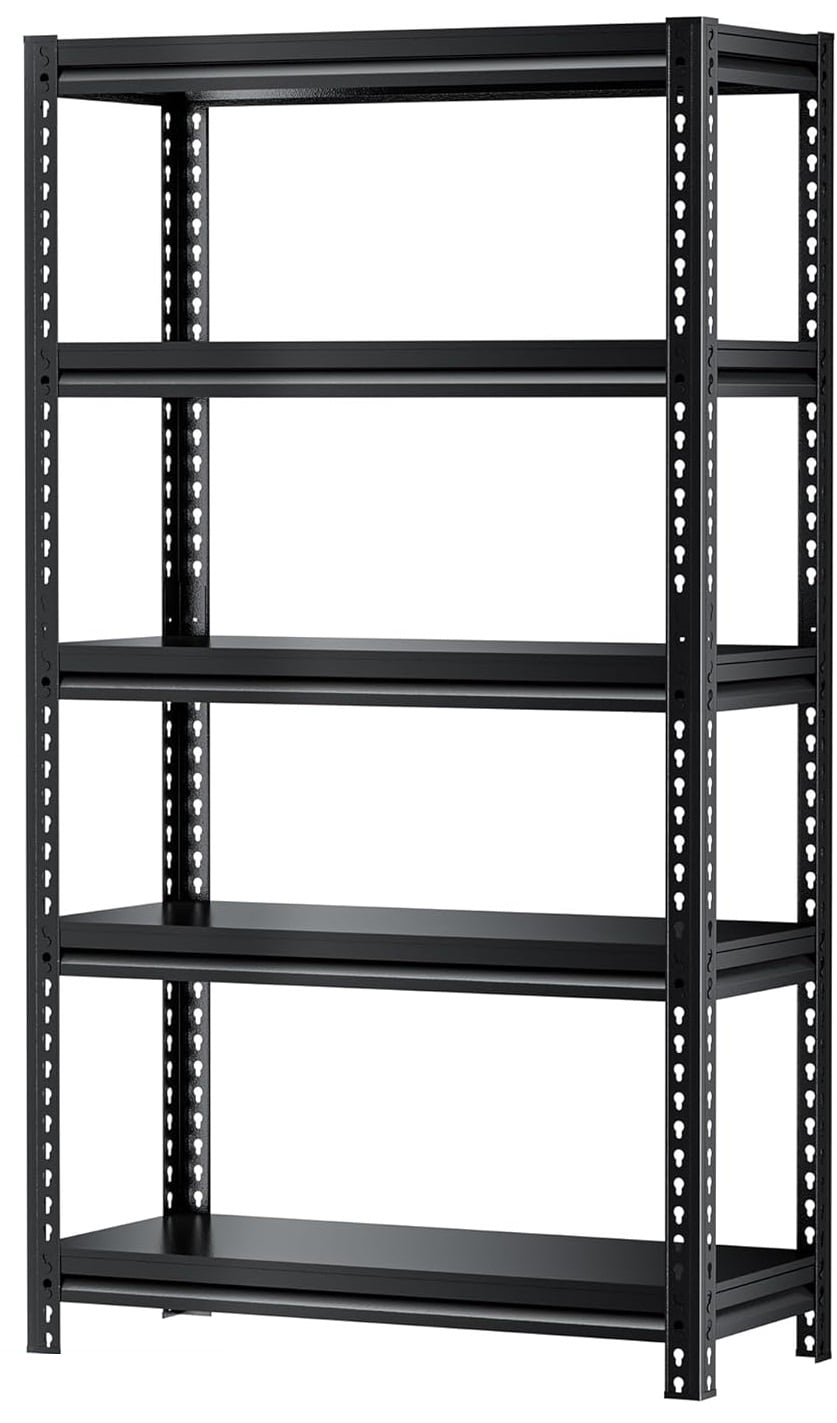
When you place a large order with a racks factory, quality consistency becomes your greatest concern. Large-scale production introduces complexity that smaller orders simply do not face. A professional racks factory must implement rigorous systems to ensure every unit meets specifications, regardless of order volume. Understanding how a racks factory achieves this stability helps you make confident purchasing decisions and protects your investment in industrial storage infrastructure.
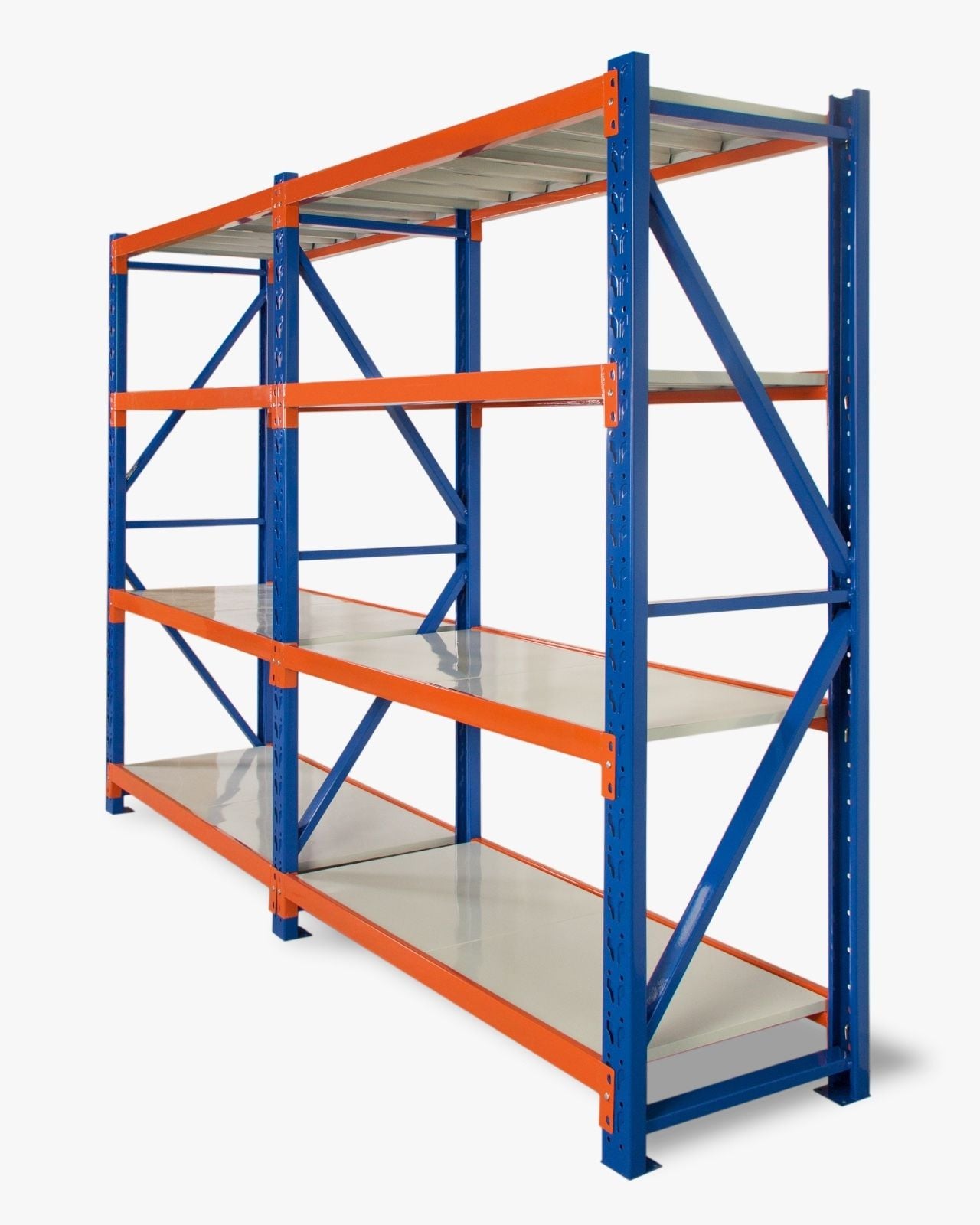
The distinction between a reliable racks factory and an inconsistent one lies in their commitment to documented processes, quality verification, and continuous improvement. A racks factory that handles large orders successfully operates with precision at every production stage. This article explores the critical mechanisms that enable a racks factory to deliver stable quality consistently, even when manufacturing thousands of units within tight timelines.
Quality Control Framework at a Professional Racks Factory
Material Sourcing and Verification Standards
A racks factory must begin quality control long before production starts. Material sourcing represents the foundation of stable quality in any racks factory operation. Every racks factory that handles large orders establishes relationships with certified suppliers who provide materials meeting exact specifications. Steel grade, thickness, coating composition, and dimensional tolerances all require documentation and periodic testing. A racks factory conducting incoming material inspection catches defects before they enter production, preventing cascading quality issues throughout the manufacturing cycle.
Reputable suppliers often provide material certificates with each shipment, allowing a racks factory to verify compliance without re-testing every batch. However, leading racks factory operations still perform random sampling and chemical composition analysis on incoming materials. This dual-verification approach ensures that even if a supplier experiences an occasional deviation, a racks factory will detect it immediately rather than discovering the problem during final assembly.
Production Equipment Calibration
A racks factory requires precision equipment that remains calibrated throughout high-volume production. Equipment drift occurs naturally under heavy use, causing dimensional variations that a racks factory cannot tolerate on large orders. Professional racks factory operations establish strict calibration schedules, often checking equipment multiple times per shift during large production runs. Laser measurement systems, force gauges, and dimensional fixtures all require regular verification against certified standards that a racks factory maintains in-house.
Preventive maintenance becomes critical when a racks factory operates at full capacity. A racks factory scheduling maintenance during planned downtime prevents unexpected equipment failures that would compromise delivery timelines for large orders. Temperature and humidity control in manufacturing areas also affects a racks factory's ability to maintain dimensional consistency, particularly for components requiring tight tolerances.
In-Process Quality Assurance Mechanisms
Statistical Process Control Implementation
A racks factory handling large orders cannot inspect every single unit individually while maintaining production speed and cost efficiency. Instead, a racks factory uses statistical process control (SPC) to monitor quality indicators throughout production without requiring 100 percent inspection. By sampling finished components at regular intervals, a racks factory can detect trends before quality drifts out of specification. A racks factory tracking metrics like weld strength, coating thickness, and dimensional accuracy in real time makes corrective decisions before defective units accumulate.
Control charts maintained by a racks factory show whether production remains stable or exhibits variation requiring investigation. When a racks factory observes a trend toward specification limits, operators adjust equipment parameters before actual out-of-spec parts are produced. This proactive approach distinguishes a racks factory committed to stable quality from one that waits for defect complaints after shipment.
Assembly Line Checkpoints and Protocols
A racks factory organizes large production runs into distinct assembly phases, with quality verification occurring at each transition point. Early-stage inspection by a racks factory catches problems when rework remains economical and schedule impact stays minimal. For example, a racks factory verifies welding quality before components move to the painting stage, preventing waste of materials and time on defective units. A racks factory implementing checkpoint protocols also tracks which inspector verified each unit, enabling traceability if quality issues emerge.
Documentation at each checkpoint allows a racks factory to trace any quality issue back to its source. A racks factory recording which shift, which operator, and which equipment produced a component provides forensic information essential for corrective action. This level of documentation protects both a racks factory and its customers by establishing clear accountability and enabling rapid root-cause analysis when problems arise.
Final Inspection and Shipping Verification
Comprehensive Final Inspection Protocols
Before shipment, a racks factory conducts final inspection to catch any issues that earlier checkpoints may have missed. Final inspection at a racks factory verifies dimensions, coating integrity, fastener torque, and load-bearing characteristics on representative samples. A racks factory typically uses destructive testing on sample units from large orders, ensuring hidden defects become visible before the customer receives defective products. Load testing and stress analysis performed by a racks factory provide confidence that products will perform as specified under actual working conditions.
A racks factory also documents finish quality, alignment, and cosmetic condition during final inspection. Scratches, dings, or finish irregularities discovered during a racks factory's final inspection phase can trigger rework before shipment. This final quality gate represents the last opportunity for a racks factory to prevent customer satisfaction issues and potential liability claims arising from defective large orders.
Shipment Documentation and Traceability Records
A racks factory preparing large orders for shipment maintains comprehensive documentation linking products to production batches and inspection records. Each shipment from a racks factory includes certification documents proving that products underwent required inspections and met specifications. A racks factory providing detailed traceability information empowers customers to track components back to specific production dates if questions arise later. Packing slips, inspection certificates, and material documentation together ensure that a racks factory's quality work becomes transparent and verifiable to the receiving customer.
A racks factory investing in robust shipping protection also prevents quality degradation during transit. Proper packaging, cushioning, and palletization by a racks factory ensure products arrive in the same condition as they left the facility. A racks factory recognizing that quality extends through the entire supply chain, not merely to the shipping dock, demonstrates commitment to customer satisfaction.
FAQ
What certifications should a racks factory maintain to ensure large order quality?
A racks factory should maintain ISO 9001:2015 certification demonstrating comprehensive quality management system implementation. Additional certifications like ISO 14001 for environmental compliance and occupational safety certifications add credibility. Industry-specific certifications relevant to your application, such as those related to storage safety standards, indicate that a racks factory understands regulatory requirements and invests in compliance infrastructure.
How often should a racks factory conduct equipment maintenance during high-volume production?
During large order production runs, a racks factory should perform equipment calibration and maintenance inspections daily or between major production batches. A racks factory reducing maintenance intervals during high-volume periods prevents equipment drift that could compromise multiple units before detection. Predictive maintenance technologies like vibration analysis help a racks factory schedule maintenance proactively rather than responding to failures.
What documentation should a racks factory provide with large orders?
A racks factory should provide material certificates, inspection reports, dimensional verification records, and load testing documentation with large orders. A racks factory including photographs of critical inspection points and batch identification information enables complete traceability. Material safety data sheets, assembly instructions, and maintenance guidelines round out the documentation package that distinguishes a racks factory committed to comprehensive customer support.

