 EN
EN

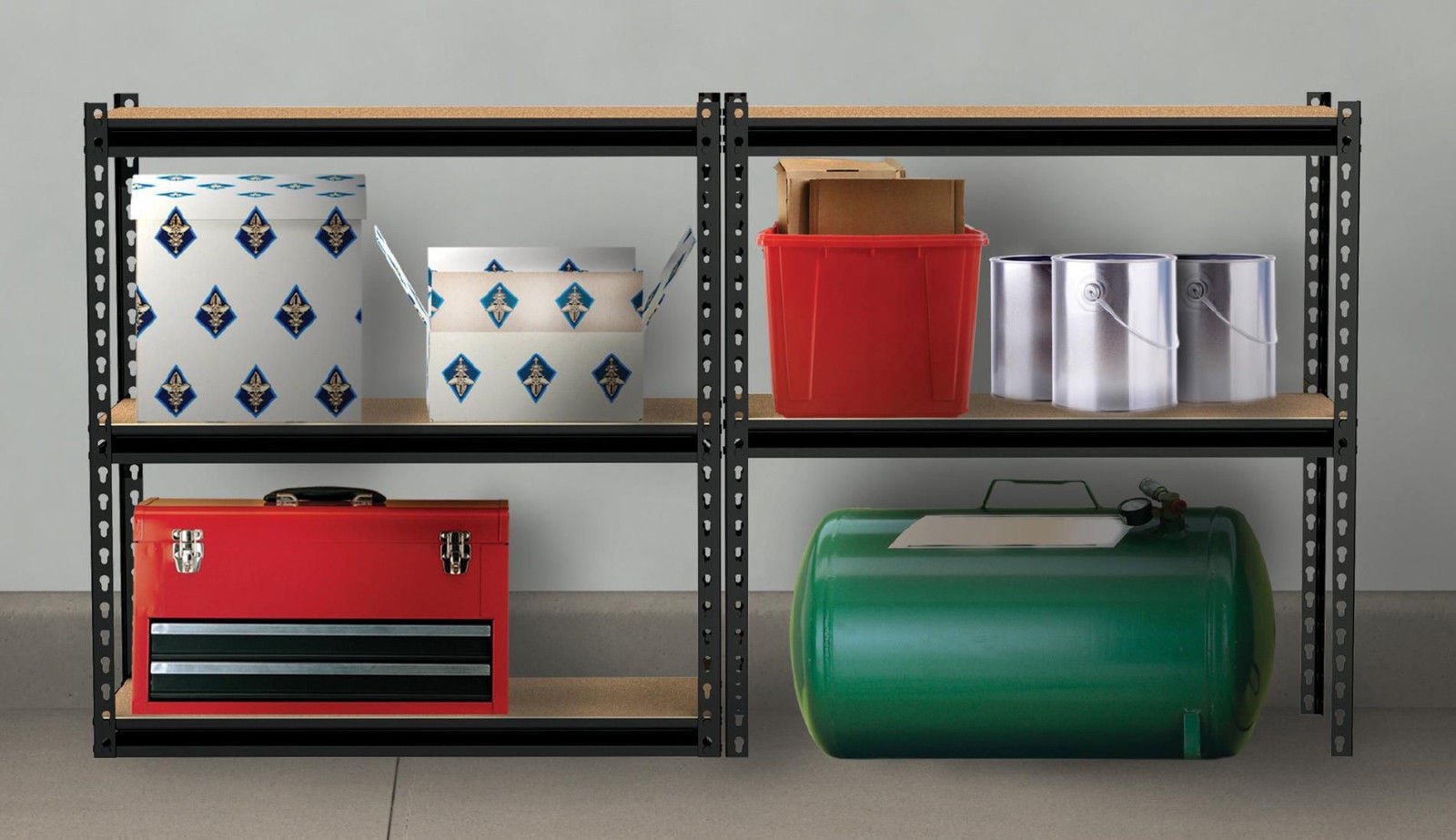
A racks manufacturer can deliver stable quality for bulk orders, but only when quality is designed into the full operating system rather than inspected at the end. In industrial buying, one inconsistent batch can disrupt installation schedules, warehouse safety, and long-term maintenance costs. That is why experienced procurement teams evaluate whether a racks manufacturer controls engineering standards, process discipline, and shipment consistency across every production cycle.
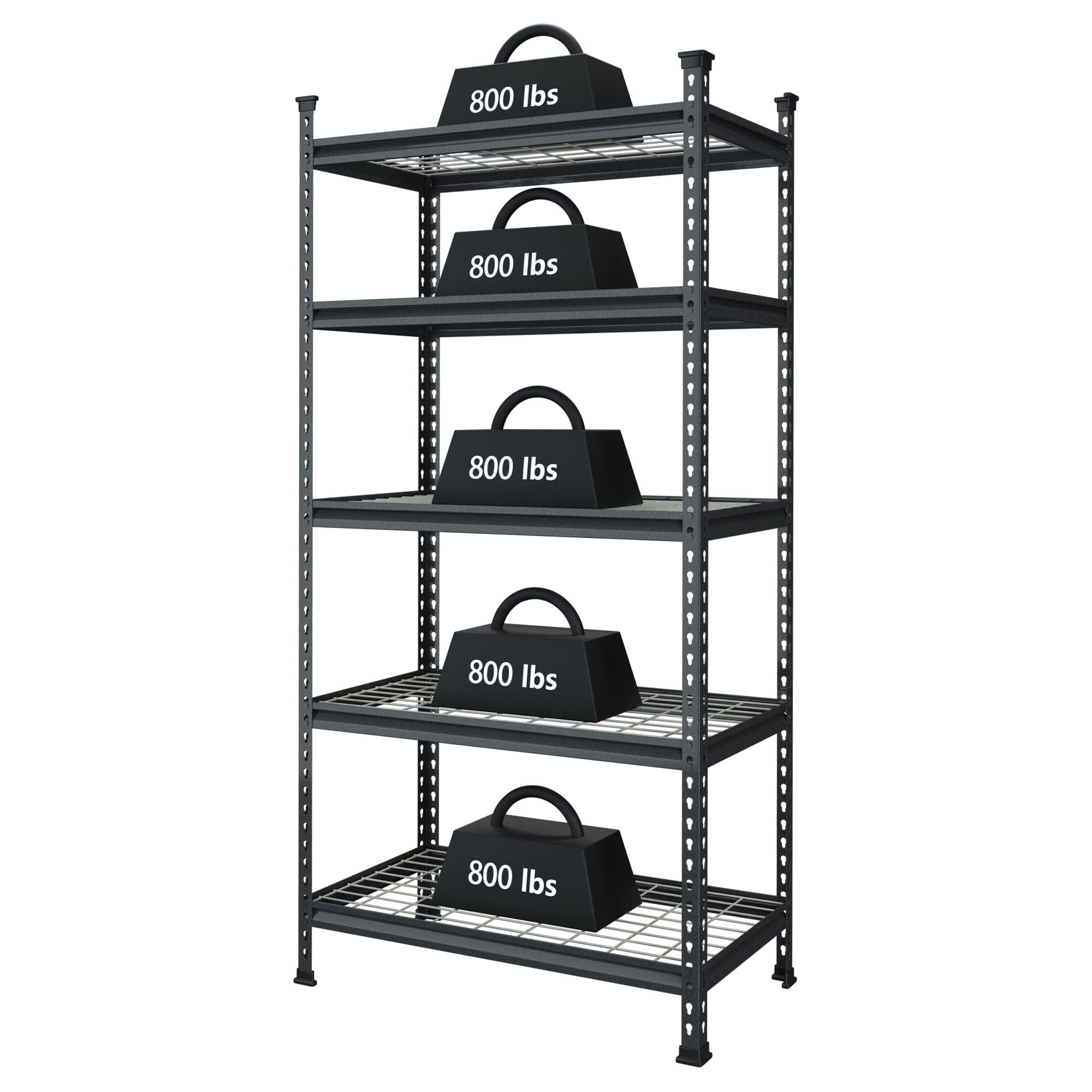
For bulk programs, quality stability is not a single event; it is repeatability over time, lines, shifts, and material lots. A capable racks manufacturer proves this through documented methods, measurable controls, and transparent records that buyers can verify. The practical question is not whether defects can occur, but how fast a racks manufacturer can prevent variation from scaling across hundreds or thousands of units.
Quality Stability Starts Before Production
Engineering for repeatability in bulk scenarios
Stable output begins with engineering decisions that remove ambiguity from production. A racks manufacturer that serves bulk projects should maintain controlled drawings, clear tolerances, and fixed material specifications for each rack family. When dimensions, hole patterns, and load assumptions are fully defined, operators do not rely on interpretation. This foundation allows the racks manufacturer to produce equivalent units even when orders are split across multiple runs.
Design for manufacturability is another early quality lever. A racks manufacturer should evaluate bend radii, welding access, coating coverage, and assembly fit before mass release. Small design adjustments at this stage often reduce downstream defects more effectively than later inspection. In B2B environments where installation speed matters, repeatable fit-up from a disciplined racks manufacturer protects both project timelines and labor efficiency.
Material qualification and inbound control discipline
No racks manufacturer can promise stable quality if incoming steel, fasteners, or decking vary without control. Reliable operations define approved material grades, thickness ranges, and mechanical expectations before purchase. On receipt, a racks manufacturer should check dimensional consistency, surface condition, and identification traceability against purchase requirements. This prevents mixed lots from entering production and creating hidden variability.
Inbound controls become even more critical for long-term contracts because lot-to-lot drift is common in industrial supply chains. A mature racks manufacturer separates suspect material, documents nonconformance, and enforces release criteria through QA authority rather than production pressure. When these gates are respected, the racks manufacturer protects all downstream processes from unstable inputs that are expensive to correct later.
Process Control During Bulk Production
Standard work and operator consistency across shifts
During high-volume execution, variation often comes from inconsistent methods rather than equipment limits. A stable racks manufacturer uses standardized work instructions with clear process parameters for cutting, punching, forming, welding, and coating. The same part should be produced the same way on every shift, with training tied directly to documented standards. This is how a racks manufacturer converts individual skill into repeatable system performance.
Training quality also determines whether standards survive production pressure. A capable racks manufacturer certifies operators by process, verifies understanding through practical checks, and refreshes training after engineering updates. When role qualifications are visible and controlled, supervisors can assign work without compromising quality. For buyers, this gives confidence that the racks manufacturer can maintain consistency even during peak periods.
In-process checkpoints and real-time traceability
Final inspection alone cannot protect bulk orders. A dependable racks manufacturer inserts checkpoints at critical operations where defects are likely to originate, such as hole alignment, weld integrity, and coating thickness. Detecting issues early limits scrap, reduces rework loops, and prevents defective subcomponents from moving downstream. This approach helps a racks manufacturer keep output stable without sacrificing throughput.
Traceability links every unit back to process conditions, operator groups, and material lots. When a racks manufacturer records these links, root-cause analysis becomes faster and more accurate. Instead of broad assumptions, teams can isolate exactly where variation entered the flow. In practical terms, traceability allows a racks manufacturer to contain quality events quickly and protect remaining shipment batches.
Scaling Capacity Without Quality Drift
Capacity planning and production balancing for large orders
Bulk demand often exposes weak planning, not weak intent. A prepared racks manufacturer aligns labor, machine availability, and takt expectations before accepting aggressive delivery windows. Capacity models should include realistic setup times, maintenance intervals, and quality verification tasks, not just theoretical machine speed. This planning discipline helps a racks manufacturer avoid rushed decisions that increase defect rates.
Balanced scheduling is equally important when multiple SKUs are produced together. A racks manufacturer that sequences work intelligently can reduce tooling changes, stabilize process parameters, and preserve inspection attention. For industrial buyers, this means fewer surprises across mixed-item orders. It also shows that the racks manufacturer is managing quality as part of operations, not as a separate afterthought.
Change control and pilot verification before full release
Quality instability frequently appears after unmanaged changes. A rigorous racks manufacturer controls adjustments to drawings, tooling, coatings, packaging methods, and supplier inputs through formal review. Even minor modifications can affect fit, load behavior, or assembly time in the field. Strong change discipline ensures a racks manufacturer does not introduce unintended risk while trying to improve speed or cost.
Before full-scale rollout, pilot lots validate that updated conditions still meet customer requirements. An effective racks manufacturer uses pilot evidence to confirm dimensional repeatability, surface performance, and assembly compatibility. Findings are documented and fed back into standard work before mass production continues. This step is one of the clearest indicators that a racks manufacturer can scale volume without quality drift.
Delivery Assurance and Continuous Improvement
Pre-shipment verification and packaging consistency
Quality for bulk orders includes what arrives at the receiving dock, not just what leaves fabrication. A responsible racks manufacturer performs pre-shipment verification against approved criteria, including dimensions, finish quality, labeling, and count accuracy. Shipment readiness should be confirmed by records, not assumptions. This prevents downstream disputes and reduces the cost of field corrections for both the buyer and the racks manufacturer.
Packaging method is a critical but underestimated factor in stable quality. A racks manufacturer should standardize protective materials, stacking logic, and handling instructions to minimize transport damage. Consistent packaging preserves coating integrity and component geometry during transit and unloading. In real projects, packaging discipline from a racks manufacturer directly affects installation speed and acceptance rates.
Corrective loops and performance visibility over time
Even strong systems need feedback loops. A mature racks manufacturer tracks defect trends, containment response time, and recurrence rates to judge whether corrective actions are effective. The goal is not perfect appearance in reports, but measurable reduction of repeated issues. This mindset helps a racks manufacturer become more stable with each order cycle.
Long-term stability also depends on transparent communication with B2B customers. A proactive racks manufacturer shares quality metrics, explains corrective actions, and aligns preventive priorities with field realities. When buyers can see process behavior, trust increases and approval cycles become faster. Over time, this operational transparency is what separates a transactional vendor from a dependable racks manufacturer for strategic bulk programs.
FAQ
How early should quality controls start in a bulk rack project?
Quality controls should start before production launch, at the stage of design definition and material qualification. A racks manufacturer that waits for final inspection is already late, because variation has already entered the process. Early controls reduce downstream correction cost and protect schedule reliability for large-volume orders.
Can one production line maintain the same quality across very large volumes?
Yes, but only with standardized work, in-process checkpoints, and controlled change management. A racks manufacturer can hold stable output across large volumes when process parameters are documented and consistently executed by trained operators. Traceability then allows fast containment if any drift appears during execution.
What should buyers request as proof of stable quality capability?
Buyers should request controlled specifications, in-process inspection records, traceability logs, change control evidence, and pre-shipment verification documents. These records show whether a racks manufacturer operates through a repeatable system rather than informal practice. Documented evidence is more reliable than verbal quality promises.
Why does packaging matter when evaluating manufacturing quality?
Packaging affects whether product condition is preserved from plant to site. A racks manufacturer may build compliant units, but poor packaging can still create bends, coating damage, or missing components in transit. Stable quality for bulk orders therefore includes packaging standardization and shipment handling control.

