 EN
EN

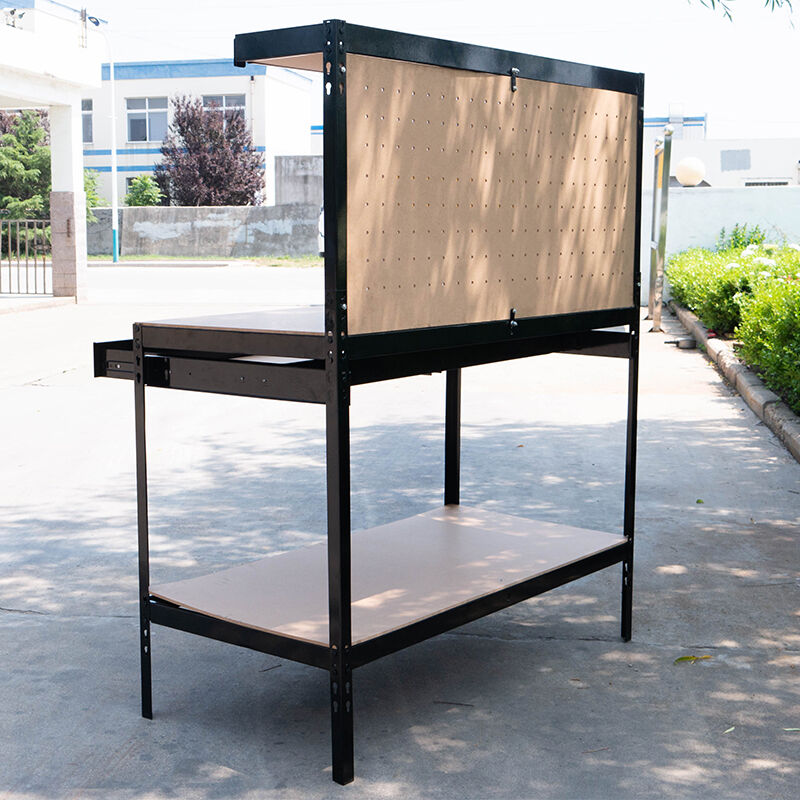
Selecting the right metal working table for workshop environments requires careful consideration of spatial constraints, operational workflows, and long-term durability requirements. Workshop layouts directly influence productivity, safety, and equipment longevity, making workbench selection a strategic decision rather than a simple purchasing task. Buyers must evaluate how each table integrates with existing floor plans, material handling systems, and worker movement patterns to maximize efficiency while minimizing bottlenecks. The wrong choice can lead to wasted floor space, ergonomic issues, and compromised work quality, particularly in facilities handling precision metalworking, fabrication, or assembly operations.
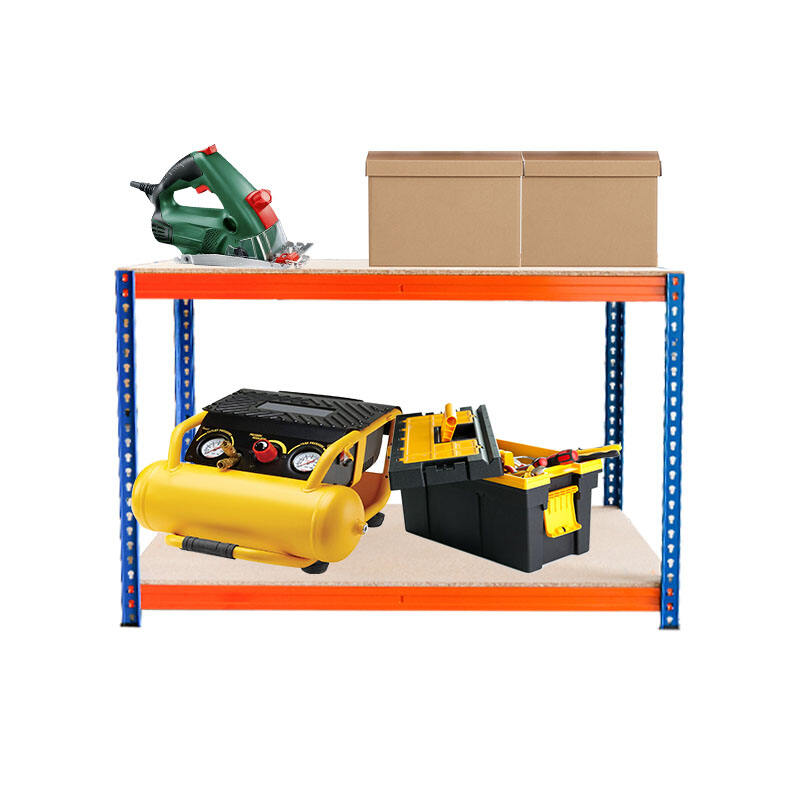
Understanding how workshop layout principles interact with workbench specifications enables buyers to make informed decisions that support both current operations and future expansion. This comprehensive guide explores the critical selection criteria that align metal working table features with specific workshop configurations, addressing everything from dimensional planning and load capacity to surface material compatibility and modular integration. By following a structured evaluation process, facility managers and procurement professionals can identify solutions that enhance workflow continuity, protect worker safety, and deliver measurable returns on capital investment across diverse industrial applications.
Understanding Workshop Layout Requirements Before Table Selection
Analyzing Spatial Constraints and Traffic Flow Patterns
Effective selection of a metal working table for workshop applications begins with thorough spatial analysis that maps existing equipment placement, material transit routes, and operator movement zones. Buyers should measure available floor space while accounting for clearance requirements around machinery, safety zones near hazardous processes, and accessibility paths for material handling equipment. Workshop layouts typically require minimum aisle widths of 36 to 48 inches for single-person passage and 60 to 72 inches for forklift or pallet jack access, constraints that directly limit workbench dimensions and positioning options. Cramped layouts increase collision risks, slow production cycles, and contribute to worker fatigue, making spatial planning the foundation of successful table selection.
Traffic flow analysis identifies high-movement corridors where bulky workbenches would create bottlenecks, versus low-traffic zones suitable for larger metal working table for workshop installations. Facilities processing long stock materials like tubing or sheet metal require linear workflow arrangements with tables positioned to support sequential operations without backtracking. Conversely, job shop environments with varied small-batch work benefit from clustered table arrangements that concentrate tools and minimize travel distance between workstations. Buyers should document peak-hour traffic densities, identify pinch points where congestion occurs, and ensure selected tables maintain adequate clearance during normal operations and emergency evacuations.
Matching Table Dimensions to Operational Workflows
Workshop workflows dictate optimal table dimensions through the relationship between workpiece size, process sequence, and material staging requirements. A metal working table for workshop fabrication must accommodate the largest components handled regularly, plus additional surface area for tools, fixtures, and work-in-progress inventory. Buyers should catalog typical workpiece dimensions, including length, width, and overhangs that extend beyond table edges, then add minimum 6-inch clearances on all sides to prevent parts from falling or interfering with adjacent operations. Tables supporting welding, grinding, or cutting processes require extra depth to position operators at safe distances from sparks, debris, and heat zones.
Sequential operations benefit from coordinated table heights and orientations that eliminate awkward lifting, excessive reaching, or repeated repositioning of heavy parts. Facilities running assembly lines or progressive manufacturing processes should select tables with consistent working heights between 34 and 38 inches, allowing smooth handoffs between stations without ergonomic strain. Custom workflows may require specialized dimensions: precision measurement tasks favor narrower tables (24 to 30 inches deep) that keep instruments within arm's reach, while sheet metal layout work demands wider surfaces (48 to 72 inches) for full material support. Dimensional compatibility ensures the metal working table for workshop integration enhances rather than disrupts established process flows.
Evaluating Load-Bearing Demands Across Different Workshop Zones
Load capacity requirements vary significantly across workshop zones based on the materials processed, tools employed, and equipment mounted on work surfaces. Light-duty areas handling small parts assembly or electronics work may function adequately with tables rated for 500 to 1,000 pounds, while heavy fabrication zones require industrial-grade metal working table for workshop models supporting 2,000 to 5,000 pounds or more. Buyers must calculate total static loads including workpieces, mounted vises, power tools, and material reserves, then apply safety factors of 1.5 to 2.0 to account for dynamic forces from hammering, pressing, or impact operations that temporarily exceed nominal ratings.
Uneven load distribution presents additional challenges in workshops where oversized components cantilever beyond table edges or concentrated weights stress localized areas. Steel-framed tables with reinforced crossbeams and adjustable leveling feet provide superior stability compared to lighter tubular designs that flex under asymmetric loading. Facilities installing permanent equipment like drill presses, grinders, or welding positioners on work surfaces need tables engineered with integrated mounting points and structural bracing to transfer loads directly into floor-anchored frames. Matching load capacity to actual workshop demands prevents premature table failure, floor damage, and safety incidents while ensuring the selected metal working table for workshop applications delivers reliable long-term performance.
Evaluating Construction Quality and Material Compatibility
Assessing Frame Construction for Long-Term Durability
Frame construction quality determines whether a metal working table for workshop use will withstand years of industrial service or require frequent repairs and replacement. Premium tables feature welded steel tube frames with wall thickness of 12-gauge or heavier, providing rigidity that resists twisting, racking, and deformation under load. Buyers should inspect weld quality at all joints, looking for continuous penetration welds rather than intermittent tack welds that create stress concentration points prone to fatigue failure. Powder-coated finishes protect frames from corrosion in humid environments or shops using coolants and cutting fluids, while galvanized coatings offer enhanced protection in highly corrosive applications involving acids, salts, or marine conditions.
Structural reinforcement features separate professional-grade tables from economy models that sacrifice durability for lower initial costs. Cross-bracing between legs prevents lateral movement and provides mounting points for accessories like tool hangers, electrical outlets, and pneumatic connections. Adjustable leveling feet compensate for uneven concrete floors common in older facilities, ensuring stable work surfaces that won't rock during precision operations. The metal working table for workshop installations in high-vibration environments benefits from rubber isolator pads that dampen transmitted forces from nearby machinery while protecting floor surfaces from scratches and impact damage.
Selecting Appropriate Work Surface Materials
Work surface material selection directly affects process compatibility, maintenance requirements, and operational costs over the table's service life. Hardwood tops like maple or oak provide shock-absorbing surfaces suitable for assembly work, hand tool operations, and applications where metal-on-metal contact would damage delicate components. These natural surfaces resist denting from dropped tools better than softer materials but require periodic refinishing and protection from moisture, chemicals, and petroleum products that cause swelling or degradation. Workshop environments with exposure to solvents, lubricants, or aqueous solutions generally require synthetic or metal work surfaces engineered for chemical resistance.
Steel and stainless steel tops dominate metalworking applications due to superior durability, heat resistance, and compatibility with welding, grinding, and cutting processes. Cold-rolled steel surfaces 14-gauge or thicker withstand impact, abrasion, and concentrated loads while providing magnetic properties useful for securing fixtures and tooling. Stainless steel variants offer corrosion immunity critical in food processing, pharmaceutical, or clean-room environments where rust contamination cannot be tolerated. Phenolic resin and high-density plastic laminate tops bridge the gap between wood and metal, delivering chemical resistance and easy cleaning without the weight and cost of solid steel construction. Buyers selecting a metal working table for workshop applications must match surface material properties to dominant processes while considering maintenance capabilities and budget constraints.
Integrating Storage and Accessibility Features
Storage integration transforms basic work surfaces into complete workstations that reduce operator movement, consolidate tooling, and accelerate task completion. Drawer systems mounted beneath table tops provide secure storage for hand tools, measuring instruments, and small parts while keeping items within arm's reach of the primary work area. Heavy-duty ball-bearing slides rated for 100 pounds or more per drawer support tool collections in metalworking environments where wrenches, hammers, and specialty fixtures accumulate quickly. Divider systems and foam inserts organize contents for quick visual identification and inventory control, reducing time wasted searching for specific items during production cycles.
Lower shelf systems add bulk storage capacity for raw materials, fastener supplies, and completed parts without sacrificing valuable work surface area. Open shelves provide unrestricted access and visual monitoring of inventory levels, while enclosed cabinets protect sensitive items from dust, moisture, and contamination in dirty workshop environments. Pegboard or slotted panel backsplashes mounted behind the work surface create vertical storage zones for frequently used tools, keeping them visible and accessible without cluttering the horizontal workspace. Strategic storage integration in a metal working table for workshop deployment enhances productivity by eliminating trips to distant tool cribs, centralizing supplies at point-of-use, and maintaining organized work areas that support quality control and safety compliance.
Addressing Ergonomic Factors and Operational Flexibility
Determining Optimal Working Height for Operator Comfort
Working height selection significantly impacts operator comfort, productivity, and long-term musculoskeletal health in workshop environments requiring extended periods at stationary workstations. Standard bench heights between 34 and 38 inches suit average-height workers performing precision assembly, inspection, or detailed fabrication tasks while standing. However, workshops employing diverse workforce demographics or supporting multiple task types benefit from adjustable-height tables that accommodate individual preferences and varying process requirements. Operators performing heavy hammering or leverage-intensive work prefer lower surfaces around 32 to 34 inches that enable downward force application using body weight rather than arm strength alone.
Conversely, inspection tasks, fine detail work, and operations requiring close visual focus benefit from heights of 38 to 42 inches that reduce neck and back strain by bringing work closer to eye level. Facilities running multi-shift operations with rotating personnel should prioritize metal working table for workshop models featuring crank-adjustable or hydraulic height mechanisms that allow rapid customization without tools or downtime. Anti-fatigue mats and ergonomic footrests complement proper table height by reducing pressure on feet and lower legs during extended standing periods. Buyers should assess dominant task types, workforce anthropometric data, and operational flexibility requirements when specifying working height to ensure selected tables support comfortable, sustainable work practices across all shifts and operators.
Incorporating Mobility Features for Layout Adaptability
Mobile workbench configurations provide layout flexibility essential in workshops handling varied project types, seasonal production changes, or lean manufacturing initiatives requiring frequent cell reconfiguration. Industrial casters rated for appropriate load capacities enable repositioning of a metal working table for workshop applications without heavy lifting equipment, allowing rapid adaptation to changing workflow requirements. Locking caster mechanisms ensure stability during use by preventing unwanted movement that compromises precision or creates safety hazards. Four-wheel configurations with swivel casters at one end and fixed casters at the other provide optimal maneuverability while maintaining directional control during transport across crowded shop floors.
Retractable caster systems offer hybrid functionality where tables operate as fixed installations during normal production but convert to mobile units for cleaning, maintenance, or layout reorganization. Foot-operated lift mechanisms raise stationary legs off the floor and engage casters without requiring operators to crawl beneath tables or manipulate awkward locking pins. This capability proves particularly valuable in facilities practicing 5S methodology or cellular manufacturing approaches that emphasize flexible, reconfigurable work areas. Buyers planning future expansion, seasonal product changes, or agile manufacturing implementations should prioritize mobile metal working table for workshop models that preserve layout adaptability without sacrificing structural rigidity or load-bearing performance during stationary operations.
Enabling Modular Expansion and Accessory Integration
Modular table systems accommodate growing operations by supporting incremental capacity additions without replacing existing infrastructure or disrupting established workflows. Standardized frame dimensions and connection hardware enable multiple units to join into continuous work surfaces that support longer components or collaborative team projects. End-to-end configurations create linear assembly lines, while L-shaped and U-shaped arrangements optimize corner utilization and centralize tools within easy reach of multiple work zones. Compatibility between table models, accessory components, and mounting systems protects capital investments by ensuring future additions integrate seamlessly with installed base equipment.
Accessory integration capabilities transform basic metal working table for workshop installations into complete process stations supporting specialized operations. Standardized mounting holes and T-slot channels in work surfaces accommodate vises, clamps, fixture plates, and power tool stations without custom fabrication or permanent modifications that limit future flexibility. Overhead tool balancers, task lighting arms, and pneumatic service drops mount to table frames or backsplashes, centralizing utilities at point-of-use while maintaining unobstructed work surfaces. Electrical integration featuring built-in power strips, USB charging ports, and cord management systems eliminates extension cord clutter and trip hazards while ensuring adequate power distribution for modern cordless tool ecosystems. Buyers should evaluate accessory ecosystems and expansion pathways during initial selection to ensure chosen tables support both current requirements and anticipated future needs.
Calculating Total Cost of Ownership and Performance Value
Comparing Initial Investment Against Long-Term Durability
Initial purchase price represents only one component of total ownership costs for a metal working table for workshop applications, with durability, maintenance requirements, and replacement frequency significantly impacting lifetime expenses. Economy tables priced below market averages often feature lighter-gauge materials, simplified construction, and reduced load capacities that limit useful service life in demanding industrial environments. Premature failure necessitates replacement purchases, disposal costs, and productivity losses during downtime that quickly erase initial savings. Conversely, industrial-grade tables command higher upfront costs but deliver extended service lives of 15 to 25 years through robust construction, superior materials, and damage-resistant finishes.
Calculating cost-per-year-of-service provides meaningful comparison metrics that account for quality differences between product tiers. A premium table costing $1,200 with 20-year service life delivers annual costs of $60, comparing favorably against economy models at $400 with five-year life spans yielding $80 annual costs plus additional replacement hassles. Buyers should request warranty terms, repair part availability, and manufacturer support commitments during evaluation to assess long-term value propositions. Tables backed by comprehensive warranties, readily available replacement components, and responsive technical support minimize operational disruptions and extend productive service life, improving total cost performance beyond initial purchase price considerations.
Evaluating Maintenance Requirements and Operational Efficiency
Maintenance demands vary significantly across metal working table for workshop designs based on construction materials, finish quality, and mechanical complexity of integrated features. Hardwood surfaces require periodic refinishing with oils or varnishes to maintain moisture resistance and prevent cracking, while powder-coated steel tops need only occasional cleaning with industrial degreasers. Tables featuring numerous moving parts like adjustable height mechanisms, sliding drawers, or retractable casters demand regular lubrication, alignment checks, and component replacement that increase lifetime maintenance costs. Buyers should assess available maintenance resources, in-house technical capabilities, and tolerance for operational interruptions when comparing designs with different complexity levels.
Operational efficiency impacts extend beyond direct maintenance costs to include productivity effects of table design choices. Well-organized storage systems reduce time spent searching for tools and materials, while properly sized work surfaces eliminate repositioning delays and material handling inefficiencies. Ergonomic features minimize fatigue-related slowdowns and quality defects, while mobility options enable rapid reconfiguration supporting lean manufacturing principles. Quantifying these efficiency gains requires analysis of current-state time studies, material flow mapping, and operator feedback on existing workstation limitations. Forward-thinking buyers evaluate metal working table for workshop candidates based on measurable productivity improvements and waste reduction potential rather than limiting focus to purchase price alone.
Assessing Safety Compliance and Risk Mitigation Value
Safety features incorporated into table design deliver risk mitigation value that prevents costly accidents, reduces workers' compensation claims, and ensures regulatory compliance with occupational safety standards. Rounded corners and deburred edges eliminate laceration hazards common with sharp metal construction, while non-slip work surfaces prevent parts and tools from sliding during operations. Adequate load ratings prevent structural failures that could injure operators or damage equipment, while proper height selection reduces repetitive strain injuries from awkward postures. Tables supporting hazardous processes like welding or grinding should include features like spark-resistant surfaces, integrated ventilation connections, and fire-resistant construction materials that contain ignition sources.
Compliance with OSHA requirements, ANSI standards, and industry-specific safety codes influences liability exposure and insurance costs for workshop operations. Metal working table for workshop installations meeting recognized safety standards demonstrate due diligence in providing appropriate equipment, potentially reducing liability in injury claims and supporting favorable insurance premium negotiations. Buyers should request documentation of safety certifications, load testing results, and compliance with relevant standards during procurement evaluation. The incremental cost of safety-enhanced designs proves negligible compared to potential accident costs including medical expenses, lost productivity, regulatory fines, and reputational damage, making safety integration a sound investment in comprehensive risk management strategies.
FAQ
What minimum aisle width should buyers maintain around metal working tables in workshop layouts?
Buyers should maintain minimum aisle widths of 36 to 48 inches for pedestrian traffic around metal working table for workshop installations, ensuring safe operator movement and emergency egress. Facilities using material handling equipment like forklifts or pallet jacks require wider aisles of 60 to 72 inches to accommodate equipment dimensions plus clearance for load overhang. Workshops supporting collaborative work or team-based operations benefit from expanded clearances that prevent congestion during shift changes and high-activity periods. Proper aisle dimensioning balances space utilization efficiency against safety requirements, workflow continuity, and regulatory compliance with occupational safety standards governing industrial work environments.
How do buyers determine appropriate load capacity for metal working tables supporting specific workshop operations?
Determining appropriate load capacity requires buyers to calculate total static weight including maximum workpiece mass, mounted equipment, tooling, and material reserves, then applying safety factors of 1.5 to 2.0 for dynamic loading. A metal working table for workshop fabrication supporting a 50-pound vise, 100-pound workpiece, and 50 pounds of tools needs minimum 300-pound static capacity, or 450 to 600 pounds with safety factors. Heavy impact operations like forging, stamping, or hydraulic pressing require additional capacity margins to absorb shock loads that temporarily exceed static weights. Buyers should consult manufacturer specifications, request load testing documentation, and verify that selected tables meet or exceed calculated requirements with adequate safety margins preventing structural failure or premature wear.
What factors should influence the choice between stationary and mobile metal working table configurations?
Choosing between stationary and mobile configurations depends on workshop layout flexibility requirements, process stability, and operational characteristics. Stationary metal working table for workshop installations suit facilities with fixed production lines, permanent equipment mounting, and stable long-term workflows where repositioning offers minimal benefit. Mobile configurations benefit job shops, prototype operations, and facilities practicing lean manufacturing with frequent cell reconfiguration and seasonal product changes. Buyers should assess layout change frequency, floor surface quality affecting caster performance, and whether mounted equipment like vises or grinders remains permanently installed or changes between projects. Hybrid solutions featuring retractable casters provide flexibility for occasional repositioning while maintaining rigid stability during normal operations, offering optimal balance for workshops with moderate reconfiguration needs.
How should buyers evaluate warranty coverage and manufacturer support when selecting metal working tables?
Buyers should evaluate warranty coverage by examining duration, component inclusion, and claim process complexity when selecting a metal working table for workshop applications. Comprehensive warranties covering frame construction, work surfaces, and mechanical components for three to five years indicate manufacturer confidence in product durability and construction quality. Buyers should verify whether warranties cover normal wear items like caster wheels, drawer slides, and adjustable mechanisms, or limit coverage to structural defects only. Manufacturer support quality including replacement part availability, technical assistance responsiveness, and documentation completeness affects long-term ownership experience and operational continuity. Requesting customer references, reviewing online feedback, and testing support responsiveness during procurement demonstrates manufacturer commitment to post-sale service that minimizes downtime and extends productive table service life.
Table of Contents
- Understanding Workshop Layout Requirements Before Table Selection
- Evaluating Construction Quality and Material Compatibility
- Addressing Ergonomic Factors and Operational Flexibility
- Calculating Total Cost of Ownership and Performance Value
-
FAQ
- What minimum aisle width should buyers maintain around metal working tables in workshop layouts?
- How do buyers determine appropriate load capacity for metal working tables supporting specific workshop operations?
- What factors should influence the choice between stationary and mobile metal working table configurations?
- How should buyers evaluate warranty coverage and manufacturer support when selecting metal working tables?

