 EN
EN

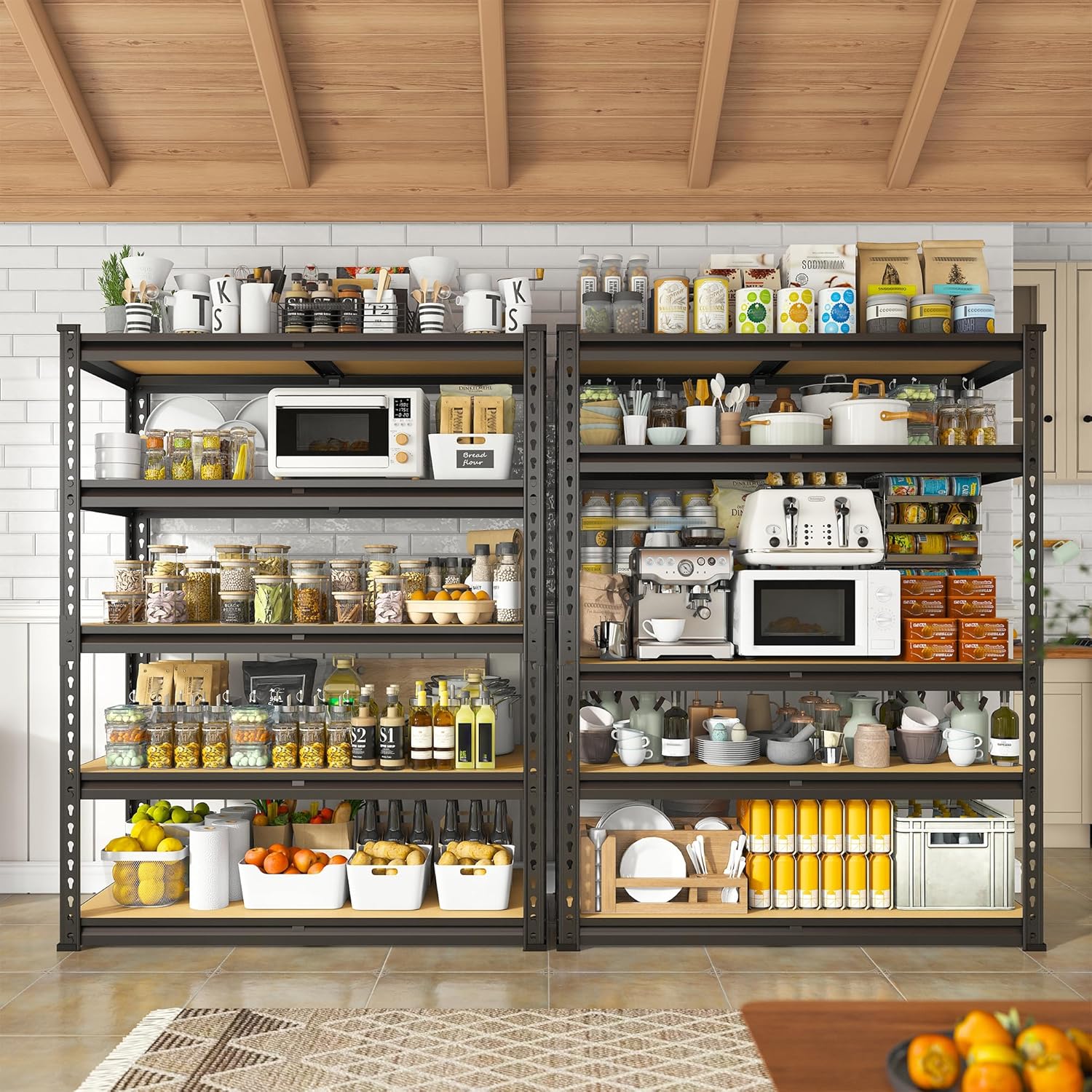
Choosing a professional shelving manufacturer for industrial operations is a decision that affects safety, throughput, expansion speed, and total storage cost for years. In most facilities, shelving is not just passive infrastructure, because it directly shapes picking routes, replenishment cycles, and how quickly teams can adapt to SKU changes. The right shelving manufacturer gives you engineering clarity before production starts, so layout assumptions, loading needs, and operational realities are translated into practical shelving systems.
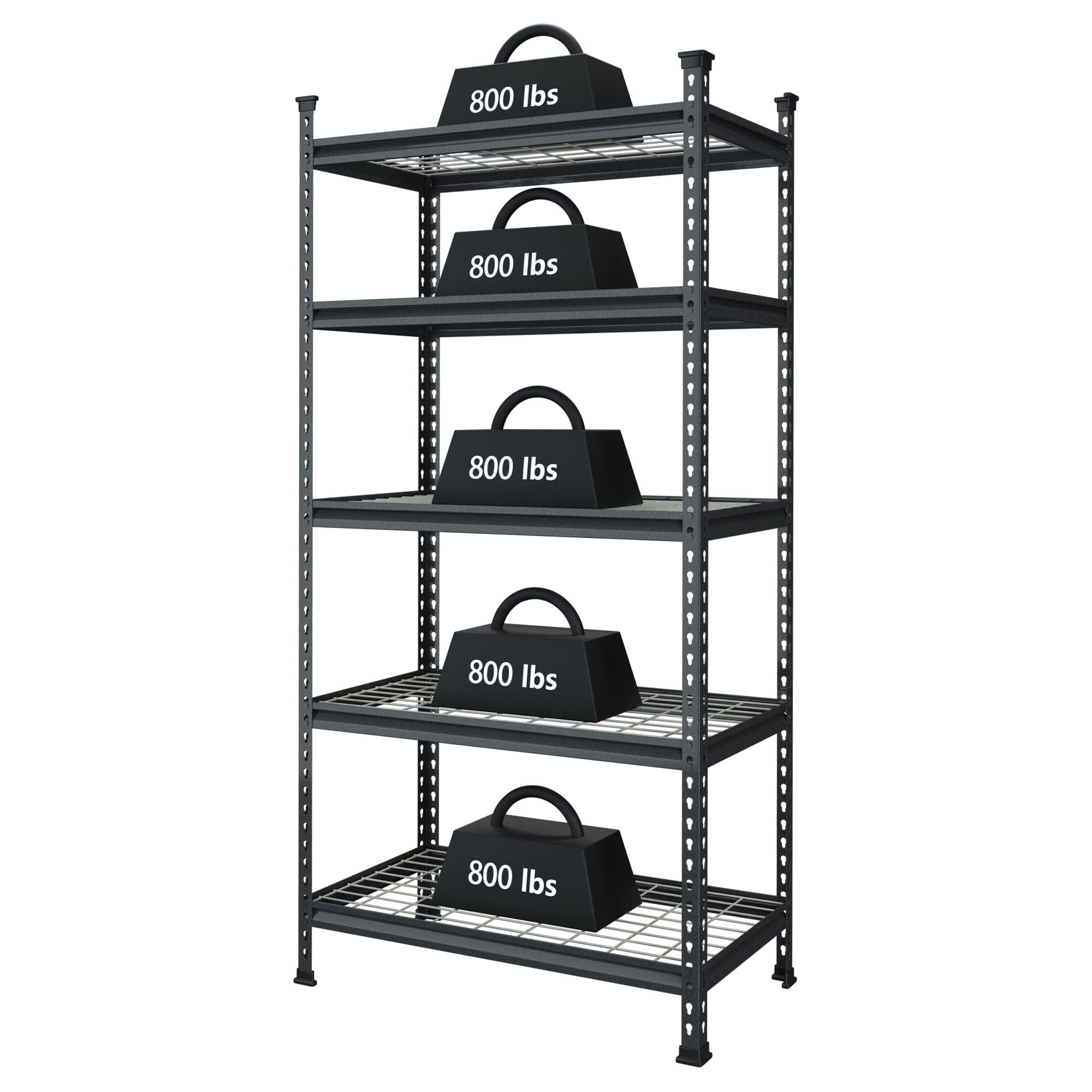
A poor-fit shelving manufacturer often looks acceptable at quote stage but causes friction during installation, inspection, and daily use, where tolerances, documentation gaps, and weak after-sales support become expensive. A professional shelving manufacturer, by contrast, helps you select the correct structure, validates load paths, and aligns product specifications with your workflow instead of forcing your workflow to fit a generic rack. The selection process should therefore be systematic, measurable, and tied to industrial performance outcomes.
Define Operational Requirements Before Comparing Any Manufacturer
Translate warehouse reality into technical input
The first step in selecting a shelving manufacturer is to define operational input in measurable terms rather than broad preferences. You need SKU profile, unit load dimensions, handling method, aisle width constraints, and expected replenishment rhythm. When these variables are clear, a shelving manufacturer can recommend frame depth, beam spacing, decking options, and access geometry with far less guesswork. This protects you from overdesign that wastes budget and underdesign that creates safety risk.
Industrial teams should also document environmental factors such as humidity, corrosion exposure, floor flatness, and shift intensity. A capable shelving manufacturer uses this data to advise coating selection, material grade, and connector type suitable for real duty cycles. If your operation includes seasonal spikes, the shelving manufacturer should account for temporary load concentration and dynamic handling pressure, not only average daily volume. The decision quality rises when your requirement sheet is specific enough to test engineering responses.
Set performance targets that can be verified
Before shortlisting any shelving manufacturer, define what success looks like after installation. Typical targets include storage density per square meter, pick accuracy support, cycle time stability, and safe load utilization. A professional shelving manufacturer can map each target to a structural or layout feature and explain the tradeoffs in plain technical language. Without this link between target and design, proposals tend to become price-centered and hard to evaluate objectively.
Ask each shelving manufacturer to show how proposed configurations perform under your expected load mix and handling pattern. The strongest responses include clear assumptions, tolerance ranges, and installation prerequisites. This creates an apples-to-apples comparison and reduces the risk of post-installation disputes about capacity or usability. In practice, the best shelving manufacturer is usually the one that turns your operational goals into verifiable design decisions early.
Evaluate Engineering Depth and Product Suitability
Assess structural design logic, not only catalog options
A professional shelving manufacturer should demonstrate how its structure handles vertical load, lateral stability, and long-term fatigue under repeated use. Instead of accepting generic statements, review design drawings, connection details, and load assumptions. The right shelving manufacturer explains why a specific upright profile, beam design, or deck style fits your duty profile. This level of transparency signals real engineering depth rather than simple product trading.
It is also important to confirm whether the shelving manufacturer can adapt dimensions and configuration without compromising integrity. Industrial projects often require non-standard bay widths, multi-level layouts, or phased expansion. A mature shelving manufacturer provides modular logic that keeps compatibility across future additions. This protects your investment when capacity needs evolve and avoids expensive partial replacement later.
Validate material quality and production consistency
Material specification and process control are core indicators when choosing a shelving manufacturer for industrial use. You should verify steel thickness ranges, coating process, and inspection checkpoints at key production stages. A reliable shelving manufacturer can provide consistent batch quality, which is critical when installations are expanded in multiple phases. Inconsistent tolerances often create installation delays and alignment issues that compound on larger sites.
When reviewing options, include at least one real product example such as this shelving manufacturer solution to assess structural concept, adjustability, and industrial fit. The purpose is not visual preference but confirmation that the shelving manufacturer can supply practical configurations for your operating profile. Ask how component tolerances are controlled across runs and how replacements are matched to installed systems. This is where production discipline becomes visible.
Check Compliance, Safety, and Installation Capability
Review documentation quality and safety accountability
A professional shelving manufacturer should provide clear load rating documentation, installation instructions, and maintenance guidance that can be used by operations and EHS teams. Industrial shelving must perform safely under real handling conditions, including occasional misuse and uneven load distribution. The right shelving manufacturer communicates limitations explicitly, so supervisors can train staff against known risk points. Good documentation is not paperwork overhead, it is part of operational control.
You should also verify how the shelving manufacturer handles design responsibility when site conditions differ from assumptions. Professional teams typically request floor data, handling method details, and anchoring requirements before final confirmation. This behavior indicates that the shelving manufacturer is managing safety as a system, not as a post-sale disclaimer. In industrial environments, this discipline reduces incident probability and compliance exposure.
Confirm installation planning and field execution standards
Even a strong design can fail if installation quality is inconsistent, so evaluate the shelving manufacturer on field execution capability. Ask how bay alignment, anchoring accuracy, and torque checks are controlled during installation. A qualified shelving manufacturer defines acceptance criteria and provides handover records that operations can audit later. This level of execution control is essential when warehouse uptime is tight and commissioning windows are short.
It is equally important to understand how the shelving manufacturer manages phased rollout in live facilities. Industrial sites often install zone by zone while daily movement continues, which requires careful sequencing and risk isolation. A seasoned shelving manufacturer can coordinate staging, minimize interference, and preserve safety during transition. This operational awareness is a major differentiator in real project outcomes.
Measure Service Reliability and Long-Term Partnership Value
Evaluate response speed for changes and issues
Industrial storage needs rarely stay static, so your shelving manufacturer must support modification requests and replacement needs with predictable lead times. During evaluation, ask how quickly the shelving manufacturer can process drawing revisions, spare parts, and urgent field issues. Fast and accurate response reduces disruption when SKU mix shifts or process redesign is required. A professional shelving manufacturer treats post-installation support as part of performance delivery, not an optional add-on.
Look for evidence that the shelving manufacturer maintains part traceability and configuration history for installed projects. This capability allows compatible expansion without rework and helps maintenance teams avoid component mismatch. Over the lifecycle of an industrial site, these service fundamentals often matter as much as initial unit price. The more complex the operation, the more valuable a stable shelving manufacturer relationship becomes.
Compare total lifecycle value instead of quote-only pricing
Selecting a shelving manufacturer on upfront price alone can hide downstream costs such as reconfiguration limits, slower installation, and higher maintenance burden. A better method is to compare lifecycle value, including durability, scalability, implementation risk, and service continuity. The strongest shelving manufacturer proposal explains where cost is saved over time through practical design choices and fewer operational interruptions. This approach supports financially sound decisions for operations, procurement, and management alike.
When finalizing your choice, score each shelving manufacturer against weighted criteria that reflect your real priorities, such as safety certainty, engineering responsiveness, and expansion compatibility. The aim is to choose a shelving manufacturer that can support business growth, not just complete a single transaction. In industrial settings, dependable performance over years is the true benchmark of supplier quality. A disciplined selection process gives you that long-term confidence.
FAQ
How early should we involve a shelving manufacturer in a warehouse project?
You should involve a shelving manufacturer as soon as basic flow, SKU behavior, and space constraints are known, ideally before final layout lock. Early engagement allows the shelving manufacturer to validate assumptions that strongly affect aisle planning, access mode, and safe load distribution. This prevents late redesign and protects commissioning timelines. Early coordination usually improves both technical quality and cost control.
What documents should a professional shelving manufacturer provide before order confirmation?
A professional shelving manufacturer should provide layout drawings, load rating details, component specifications, and installation guidance tied to site conditions. You should also expect clear assumptions, operating limits, and acceptance criteria for handover. These documents help operations, procurement, and safety teams align before commitment. Strong documentation from a shelving manufacturer reduces ambiguity and implementation risk.
Can one shelving manufacturer support both current needs and future expansion?
Yes, but only when the shelving manufacturer designs with modular compatibility and maintains production consistency over time. Expansion support depends on stable dimensions, reliable part matching, and predictable lead times for additional bays or replacement components. Ask the shelving manufacturer to explain compatibility strategy across phased projects. That answer reveals whether long-term scaling is realistic.
What is the most common mistake when choosing a shelving manufacturer?
The most common mistake is choosing a shelving manufacturer based mainly on initial price without verifying engineering fit, installation control, and support responsiveness. Low quote decisions often overlook lifecycle costs created by limited flexibility or quality inconsistency. A better decision framework evaluates safety, operational fit, and service reliability together. This is how industrial teams avoid costly corrections after go-live.
Table of Contents
- Define Operational Requirements Before Comparing Any Manufacturer
- Evaluate Engineering Depth and Product Suitability
- Check Compliance, Safety, and Installation Capability
- Measure Service Reliability and Long-Term Partnership Value
-
FAQ
- How early should we involve a shelving manufacturer in a warehouse project?
- What documents should a professional shelving manufacturer provide before order confirmation?
- Can one shelving manufacturer support both current needs and future expansion?
- What is the most common mistake when choosing a shelving manufacturer?

