 EN
EN

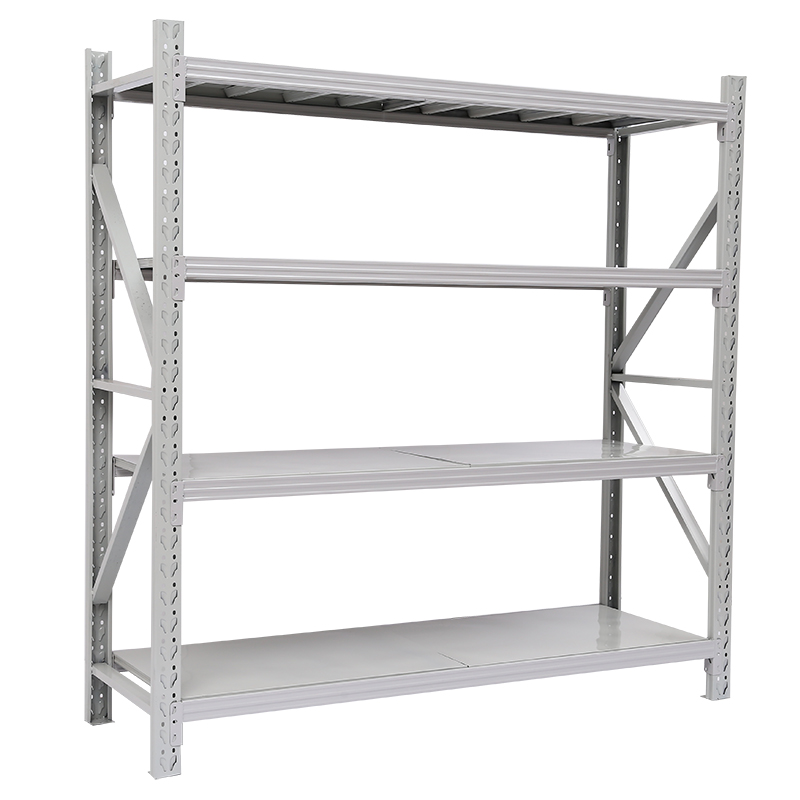
Choosing a shelves factory for long-term cooperation is a strategic procurement decision, not a one-time buying task. In industrial storage projects, the wrong shelves factory can create hidden costs through unstable quality, delayed lead times, inconsistent engineering communication, and weak after-sales response. The right shelves factory, by contrast, improves inventory flow, safety compliance, and expansion readiness over several years. If your title question is how to evaluate a shelves factory before committing, the practical answer is to test capability, consistency, and collaboration depth before contract scale increases.
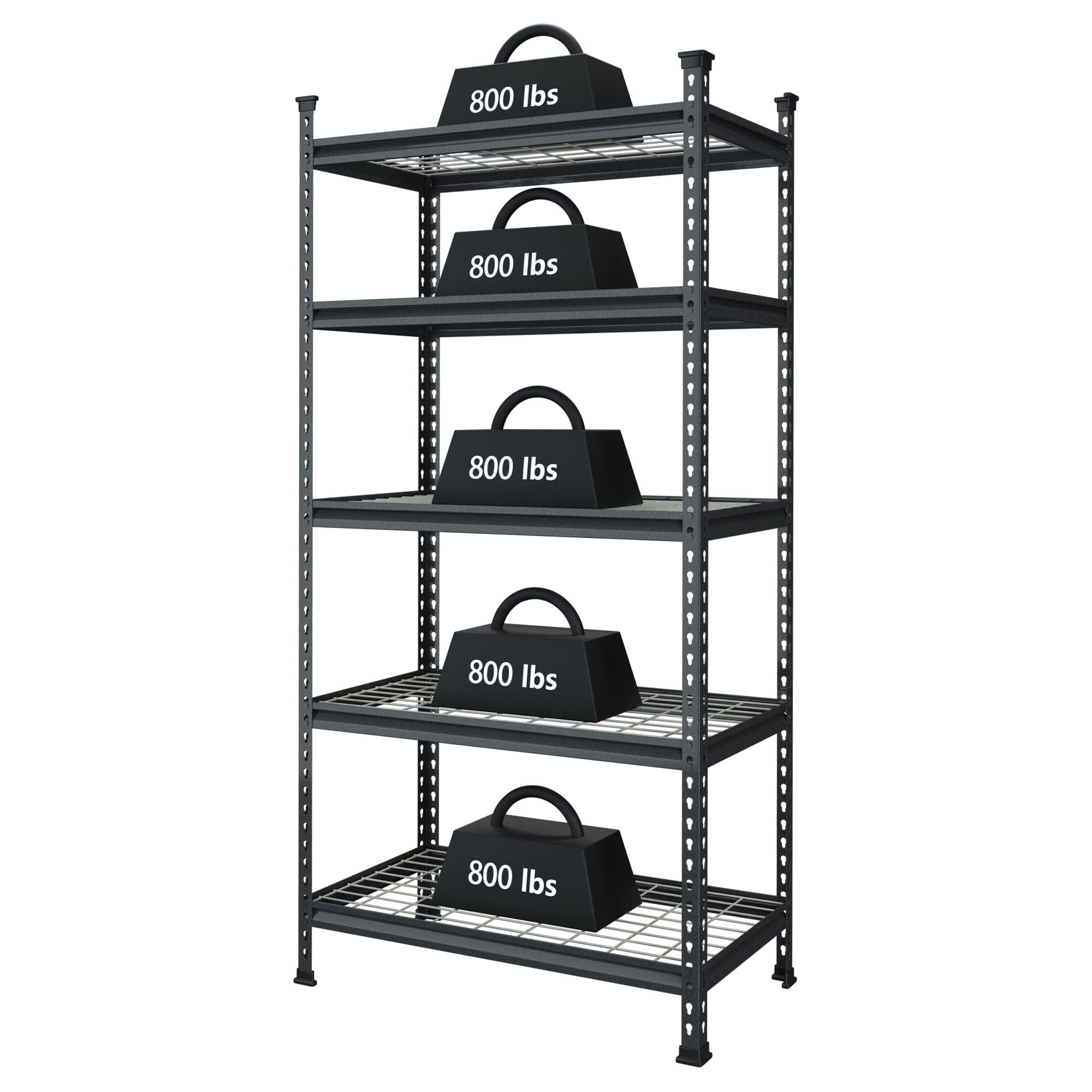
A reliable evaluation process should examine how a shelves factory performs across technical fit, production control, quality assurance, delivery execution, and long-cycle service behavior. Many buyers focus only on quotation and sample appearance, then discover alignment issues after rollout. A stronger approach is to treat the shelves factory as an operational partner and verify whether that shelves factory can support your demand pattern, compliance requirements, and change management over time. This article breaks down that evaluation process into clear, decision-ready stages.
Define Evaluation Criteria Before Contacting Any Factory
Translate your warehouse reality into technical requirements
Before you compare any shelves factory, convert your operation into measurable requirements. Load class, bay dimensions, SKU turnover, forklift interaction, humidity exposure, and expansion plans should all be documented in advance. When a shelves factory receives vague information, it may return a generic solution that looks acceptable on paper but fails under actual workflow pressure. Clear technical input allows a shelves factory to prove engineering competence, not just quoting speed.
At this stage, evaluate how the shelves factory asks follow-up questions. A mature shelves factory usually investigates floor conditions, seismic needs, safety factors, and installation constraints before finalizing structure details. Those questions signal whether the shelves factory is protecting your long-term performance rather than chasing fast order closure. Your internal team should treat the quality of discovery dialogue as an early risk indicator.
Set commercial and operational benchmarks early
A long-term partnership with a shelves factory should be assessed using a balanced scorecard, not just unit price. Include lead-time reliability, tolerance control, packaging quality, spare-part continuity, response speed to design changes, and claim resolution behavior. A shelves factory with slightly higher pricing may still produce lower total cost when rework, installation delay, and service interruption are considered. Early benchmark definition prevents emotional or purely price-driven decisions.
You should also define expected collaboration rhythm, such as technical review cycles, production milestone visibility, and escalation channels. A dependable shelves factory can align with these governance expectations and provide stable communication through account, engineering, and production contacts. That structure becomes critical when your project scope grows from one site to multiple facilities.
Verify Production Capability and Process Stability
Examine manufacturing depth beyond catalog claims
A credible shelves factory should demonstrate real control over core fabrication processes, including material preparation, punching, roll-forming, welding integrity, surface treatment, and dimensional inspection. If the shelves factory outsources too many critical steps without clear quality gates, consistency risk increases across batches. Ask how that shelves factory manages tooling maintenance, process parameters, and lot traceability. Stable process design is a stronger predictor than attractive brochures.
During capability review, request typical production records from the shelves factory, such as first-piece approvals, in-process checks, and final inspection evidence. Even without sharing confidential customer data, a transparent shelves factory can explain its control logic in detail. This is where many buyers distinguish a process-led shelves factory from a trading-oriented organization with limited factory governance.
Test flexibility under realistic order variation
Long-term cooperation rarely means repetitive, identical orders. Your shelves factory may face design revisions, mixed SKU batches, phased deliveries, and urgent replenishment demand. Ask the shelves factory how it handles engineering changes after drawing confirmation and how quickly it can re-balance capacity without causing quality drift. Flexibility without control is risky; control without flexibility can slow your growth.
A practical way to evaluate this is to run a pilot order with moderate complexity. Observe whether the shelves factory maintains drawing discipline, packaging consistency, and dispatch accuracy when handling multiple component types. Pilot execution gives evidence of how that shelves factory will behave under real cooperation pressure, which is far more useful than a static factory presentation.
Audit Quality Assurance and Compliance Behavior
Validate quality systems through evidence, not declarations
When selecting a shelves factory, quality claims should always be traceable to method and records. Ask for inspection standards used for dimensions, coating adhesion, load-bearing consistency, and assembly fit. A disciplined shelves factory will explain acceptance criteria and nonconformance handling in operational terms. This level of detail shows whether the shelves factory can keep results stable across months, not just during pre-sale conversations.
Sample review should include repeatability checks. Receiving one good sample from a shelves factory does not guarantee production consistency. Request multi-batch sample or staged verification so the shelves factory demonstrates process repeatability over time. For long-term cooperation, repeatability matters more than isolated perfection.
Check safety, documentation, and corrective response maturity
Industrial shelving is tied to workplace safety and operational liability, so your shelves factory must handle documentation with discipline. Confirm drawing version control, packaging identification logic, installation guidance, and traceable component coding. A responsible shelves factory can quickly map each shipment back to production and inspection context. That traceability helps prevent disputes during commissioning and maintenance.
Also evaluate how the shelves factory responds when issues appear. No supplier is entirely defect-free, but a high-value shelves factory closes problems with root-cause analysis, corrective action timing, and prevention plans. The speed and clarity of that response often determine whether a minor defect becomes a major operational disruption.
Assess Delivery Reliability and Collaboration Readiness
Measure scheduling credibility and logistics discipline
Delivery performance is one of the strongest indicators of whether a shelves factory can support long-term cooperation. Ask for historical on-time performance ranges and how the shelves factory defines committed date versus estimated date. Some teams quote aggressively but shift schedules later, which creates installation idle time and warehouse launch delays. A trustworthy shelves factory communicates risks early and adjusts plans transparently.
Packaging and loading standards also matter because damage risk increases with complex steel components. A seasoned shelves factory uses clear labeling, protective separation, and sequence-friendly packing aligned with site installation flow. These details reduce field confusion and labor waste after arrival.
Evaluate communication structure for multi-year projects
Long-term outcomes depend heavily on people and process interface. Your shelves factory should provide clear points of contact for sales, technical review, production follow-up, and after-sales support. Fragmented communication inside a shelves factory often leads to drawing mismatches and scope misunderstandings. During evaluation, track response quality, not only response speed.
You should also confirm whether the shelves factory can support continuous improvement reviews after initial delivery. A partnership model works best when the shelves factory can analyze installation feedback, suggest structural optimization, and align future batches with updated operational data. For practical product context, many buyers start specification discussions around applications similar to shelves factory requirements and then refine dimensions and load conditions with engineering teams.
Build a Low-Risk Decision Framework for Long-Term Cooperation
Use phased commitment instead of immediate full-scale dependency
A prudent approach is to begin cooperation with staged volume and defined performance checkpoints. This allows your team to observe how the shelves factory performs across quoting accuracy, production consistency, and delivery execution before allocating full procurement share. A shelves factory that performs well in pilot phases earns expanded scope through evidence, which protects your operation from sudden dependency risk.
Contract design should include revision protocols, quality thresholds, and dispute handling timelines. Clear governance helps both your team and the shelves factory maintain alignment when demand changes or technical adjustments occur. Long-term cooperation becomes durable when expectations are measurable and jointly understood.
Create a continuous evaluation loop after onboarding
Evaluation should continue after supplier onboarding because business conditions and production loads evolve. Establish quarterly reviews where the shelves factory and your team assess defects, lead-time performance, change-order handling, and service response trends. A shelves factory committed to long-term value will welcome data-driven reviews and corrective planning. Passive or defensive behavior is a warning sign even when current deliveries look acceptable.
Over time, this loop transforms a shelves factory relationship from transaction management into capability alignment. You gain more predictable expansion planning, while the shelves factory gains clearer demand visibility and technical direction. That mutual clarity is the foundation of stable, multi-year cooperation in industrial storage projects.
FAQ
How long should a pilot phase last before committing to a shelves factory for long-term cooperation?
In most B2B storage projects, a pilot phase of one to three order cycles is enough to evaluate a shelves factory under real operating conditions. The key is not calendar length but exposure to variation, including at least one scenario involving design change or mixed components. This reveals whether the shelves factory can maintain quality and communication consistency when complexity increases.
What is the biggest mistake buyers make when evaluating a shelves factory?
The most common mistake is selecting a shelves factory mainly by initial price without validating process control and delivery reliability. Low initial cost can be outweighed by rework, schedule delays, and installation disruption. A better decision model compares total operational impact over the expected cooperation period.
Can a small or mid-sized buyer still run a professional shelves factory evaluation process?
Yes, a structured shelves factory evaluation does not require a large procurement department. You need clear technical requirements, a repeatable scorecard, a pilot order, and documented review checkpoints. Even with limited resources, this method can distinguish a stable shelves factory from a high-risk option and protect long-term project outcomes.
When should a company reconsider an existing shelves factory partnership?
Reassessment is necessary when a shelves factory shows recurring lead-time slippage, repeated quality drift, unclear corrective actions, or communication breakdown during changes. One isolated issue is manageable, but a repeated pattern indicates systemic weakness. Periodic performance reviews help identify these signals early and support timely decisions before major operational impact appears.
Table of Contents
- Define Evaluation Criteria Before Contacting Any Factory
- Verify Production Capability and Process Stability
- Audit Quality Assurance and Compliance Behavior
- Assess Delivery Reliability and Collaboration Readiness
- Build a Low-Risk Decision Framework for Long-Term Cooperation
-
FAQ
- How long should a pilot phase last before committing to a shelves factory for long-term cooperation?
- What is the biggest mistake buyers make when evaluating a shelves factory?
- Can a small or mid-sized buyer still run a professional shelves factory evaluation process?
- When should a company reconsider an existing shelves factory partnership?

