 EN
EN


Selecting a durable warehouse platform truck supplier is a critical decision that directly impacts operational efficiency, safety standards, and long-term cost management in industrial facilities. The choice of supplier determines not only the quality and longevity of the warehouse platform truck fleet but also the level of technical support, customization capabilities, and after-sales service your operation will receive. In competitive logistics environments where downtime translates to immediate revenue loss, partnering with a supplier who understands the structural demands, load-bearing requirements, and material handling workflows of your specific industry becomes essential to maintaining seamless warehouse operations.
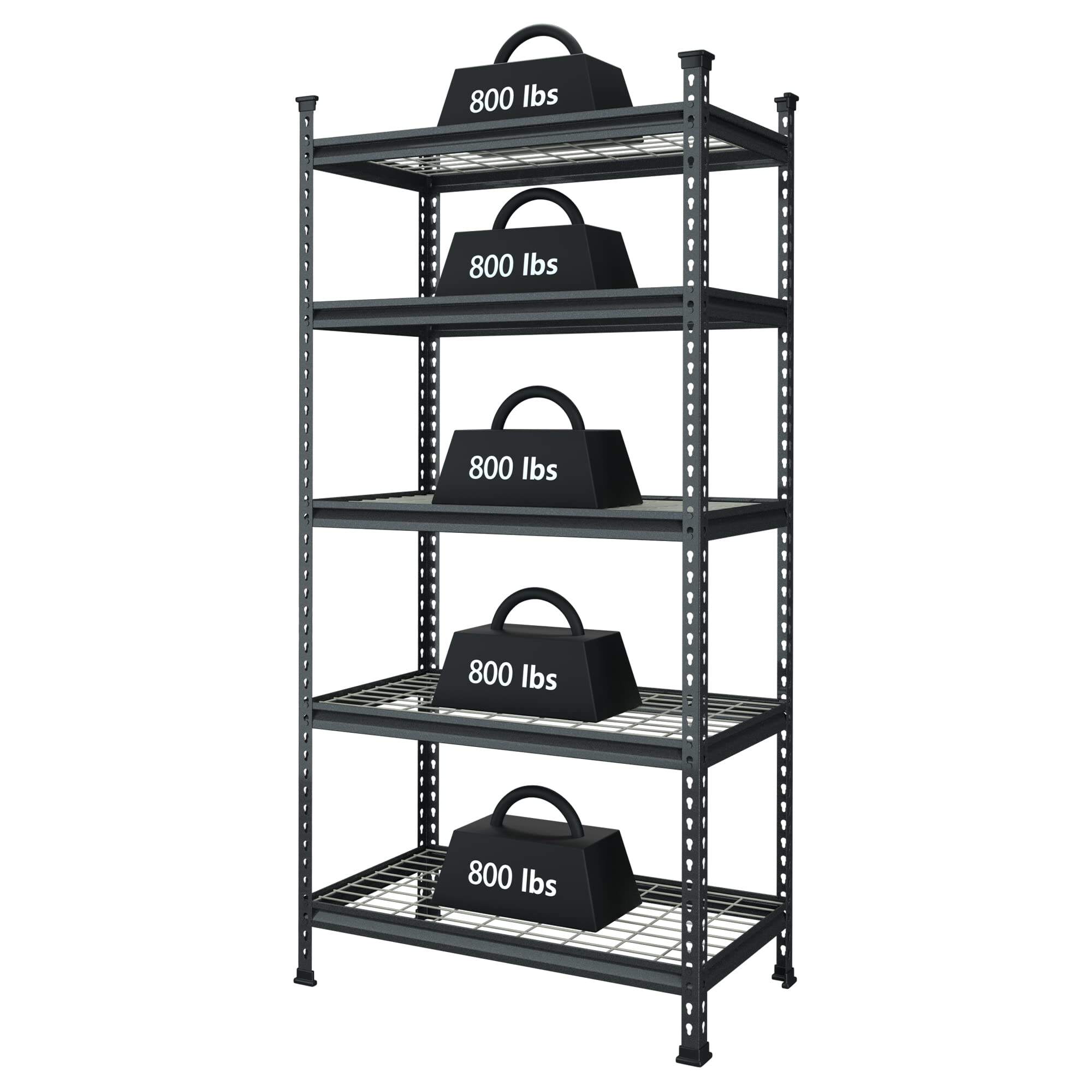
The procurement process for a warehouse platform truck involves evaluating multiple supplier attributes that extend beyond initial pricing. Durability in material handling equipment is not a single characteristic but rather a composite of material quality, manufacturing precision, design engineering, quality control systems, and the supplier's commitment to continuous improvement. This guide explores the systematic evaluation criteria and decision-making frameworks that procurement managers, warehouse operators, and supply chain directors should apply when identifying and vetting potential suppliers for warehouse platform truck acquisitions, ensuring that the selected partner can deliver equipment that withstands the rigorous demands of daily industrial use.
Understanding Supplier Manufacturing Capabilities and Quality Standards
Assessing Production Infrastructure and Technical Capacity
The manufacturing infrastructure of a warehouse platform truck supplier reveals significant information about their ability to produce durable equipment consistently. Facilities equipped with advanced welding systems, precision cutting machinery, and automated assembly lines typically demonstrate higher production standards and better quality control compared to operations relying on manual fabrication methods. When evaluating potential suppliers, request detailed information about their production floor layout, machinery inventory, and manufacturing processes. Suppliers utilizing robotic welding for critical structural joints on warehouse platform truck frames generally achieve superior weld penetration and consistency, reducing the risk of premature structural failures that compromise equipment longevity.
Technical capacity extends beyond machinery to include engineering expertise and design capabilities. A supplier with in-house engineering teams can provide customized warehouse platform truck solutions tailored to specific operational requirements, such as non-standard deck dimensions, specialized wheel configurations, or enhanced load capacities. Review the supplier's engineering certifications, technical staff qualifications, and previous custom project portfolios. Suppliers who maintain collaborative relationships with material science experts and conduct finite element analysis on warehouse platform truck designs demonstrate a commitment to structural integrity that translates directly into equipment durability.
Evaluating Quality Control Systems and Testing Protocols
Comprehensive quality control systems distinguish suppliers who produce genuinely durable warehouse platform truck units from those offering merely adequate equipment. Request documentation of the supplier's quality management system, including ISO 9001 certification or equivalent quality standards compliance. Examine their inspection protocols at various production stages, from raw material verification through final assembly testing. Suppliers implementing statistical process control and maintaining detailed quality records provide transparency that allows customers to verify consistency in warehouse platform truck production batches.
Testing protocols reveal a supplier's commitment to durability validation. Inquire about load testing procedures, fatigue testing cycles, and real-world simulation trials conducted on warehouse platform truck prototypes before full production. Suppliers who subject their equipment to testing conditions exceeding rated specifications demonstrate conservative engineering approaches that build in safety margins. Ask for test reports showing how the warehouse platform truck performs under sustained maximum load conditions, impact resistance evaluations, and wheel assembly durability testing. Suppliers unwilling to share testing data or lacking formal testing protocols should be considered higher-risk partners for durable equipment procurement.
Examining Material Sourcing and Component Selection
The durability of any warehouse platform truck fundamentally depends on the quality of materials used in its construction. Investigate how suppliers source steel for frame construction, verify the grade specifications, and ensure consistent material properties across production batches. Reputable suppliers maintain relationships with certified steel mills and can provide material certificates documenting chemical composition, tensile strength, and yield properties. The selection of appropriate steel grades for different warehouse platform truck components directly correlates with resistance to deformation, fatigue resistance, and overall service life.
Component selection extends to wheels, axles, bearings, and fasteners, each contributing to the warehouse platform truck's operational durability. Evaluate whether suppliers use industrial-grade polyurethane wheels with reinforced cores, sealed ball bearings rated for heavy-duty applications, and corrosion-resistant fastening hardware. Suppliers who specify component brands and provide technical datasheets demonstrate transparency in their supply chain. Request information about component testing and supplier qualification processes. A warehouse platform truck built with premium components from verified suppliers will consistently outperform units assembled with generic or unverified parts, particularly in demanding industrial environments where equipment operates multiple shifts daily.
Analyzing Supplier Track Record and Industry Experience
Reviewing Customer References and Installation Portfolio
A supplier's historical performance with previous customers provides invaluable insight into their reliability and the actual durability of their warehouse platform truck products. Request a comprehensive reference list including companies operating in similar industries or with comparable material handling requirements. When contacting references, focus questions on equipment longevity, frequency of repairs, supplier responsiveness to issues, and whether they would repurchase from the same supplier. References who report warehouse platform truck units operating reliably for five or more years with minimal maintenance validate the supplier's durability claims more convincingly than any marketing materials.
Examine the supplier's installation portfolio to understand the scope and scale of their previous projects. Suppliers with experience delivering large warehouse platform truck fleets to major distribution centers demonstrate operational capacity and quality consistency. Review case studies documenting specific applications, environmental conditions, and performance outcomes. A supplier experienced in harsh environments such as cold storage facilities, chemical plants, or outdoor material handling operations likely produces warehouse platform truck units with enhanced durability features necessary for challenging conditions. Portfolio diversity also indicates adaptability and technical versatility in addressing varied customer requirements.
Investigating Longevity and Market Presence
The length of time a supplier has operated in the material handling equipment market correlates with accumulated expertise and refined manufacturing processes. Established suppliers with decades of experience have typically resolved early design flaws, optimized production methods, and developed robust quality systems. Research the supplier's company history, ownership structure, and financial stability. Suppliers facing financial difficulties may compromise on material quality or reduce quality control measures to cut costs, directly impacting warehouse platform truck durability.
Market presence also reflects reputation within the industry. Suppliers recognized through industry awards, certifications, or professional association memberships demonstrate commitment to maintaining standards. Investigate whether the supplier participates in material handling trade shows, contributes to industry publications, or engages in continuous product development. A warehouse platform truck supplier actively engaged in industry advancement typically invests in research and development, leading to progressive improvements in equipment durability and performance characteristics over time.
Evaluating Technical Support and Engineering Services
Technical support capabilities indicate how a supplier will perform as a long-term partner beyond the initial equipment sale. Evaluate the supplier's engineering support services, including application consulting, load calculations, and operational recommendations. Suppliers offering comprehensive technical assistance help customers select appropriately specified warehouse platform truck units, preventing premature failures caused by overloading or misapplication. Request information about their technical support team structure, response times, and availability for on-site consultations.
Engineering services such as custom design modifications, integration with existing material handling systems, and workflow optimization demonstrate a supplier's commitment to solving customer challenges rather than simply selling standardized products. Suppliers who invest time understanding your specific operational requirements and recommend warehouse platform truck configurations tailored to your workflows add value beyond equipment provision. Evaluate their willingness to collaborate on pilot programs, conduct site surveys, and provide post-installation performance reviews. These services indicate a partnership approach that supports long-term equipment durability through proper application and ongoing optimization.
Evaluating After-Sales Service and Warranty Support
Assessing Warranty Coverage and Terms
Warranty provisions reveal a supplier's confidence in their warehouse platform truck durability and their commitment to standing behind their products. Analyze warranty documentation carefully, noting coverage duration, component inclusions, and exclusion clauses. Comprehensive warranties covering structural components for extended periods signal supplier confidence in manufacturing quality. Compare warranty terms across multiple suppliers, recognizing that longer coverage periods generally correlate with superior construction and material quality in warehouse platform truck manufacturing.
Beyond coverage duration, examine the warranty claim process and historical claim resolution patterns. Request information about typical claim response times, replacement part availability, and whether the supplier provides loaner equipment during repairs. Suppliers with streamlined warranty processes and readily available replacement components minimize operational disruption when issues occur. Investigate warranty exclusions carefully, as overly restrictive terms may leave customers responsible for failures resulting from normal operational conditions. A fair warranty program for warehouse platform truck equipment balances reasonable use expectations with genuine protection against manufacturing defects and premature component failures.
Reviewing Maintenance Support and Parts Availability
Long-term durability of warehouse platform truck equipment depends partially on proper maintenance and timely component replacement. Evaluate the supplier's maintenance support services, including availability of maintenance guides, recommended service schedules, and access to technical support for troubleshooting. Suppliers providing detailed maintenance documentation enable customers to implement preventive maintenance programs that maximize equipment lifespan. Inquire about maintenance training programs for your staff, ensuring they understand proper care procedures for warehouse platform truck units.
Parts availability directly impacts equipment uptime and operational continuity. Verify that the supplier maintains adequate inventory of common wear components such as wheels, bearings, and deck materials. Request information about parts delivery timelines, particularly for urgent replacements. Suppliers with distributed parts warehouses or established logistics networks can typically provide faster component delivery than those shipping exclusively from distant manufacturing facilities. Confirm parts compatibility across different warehouse platform truck models in the supplier's product line, as standardized components simplify inventory management and reduce replacement costs over the equipment lifecycle.
Examining Service Network and Technical Support Infrastructure
The geographic distribution and capabilities of a supplier's service network determine how effectively they can support your warehouse platform truck fleet throughout its operational life. Suppliers with regional service centers or authorized service partners provide faster response times and more convenient access to technical expertise. Evaluate whether the supplier offers on-site repair services, equipment inspections, and fleet management support. Companies operating multiple facilities across different regions benefit particularly from suppliers with nationwide or international service coverage.
Technical support infrastructure includes customer service responsiveness, technical helpline availability, and digital support resources. Test the supplier's customer service channels during the evaluation phase, noting response times and the technical competence of support staff. Suppliers offering multiple contact channels including phone support, email assistance, and online chat provide flexibility in accessing help when needed. Review available digital resources such as product manuals, troubleshooting guides, and maintenance videos. Comprehensive support infrastructure ensures that warehouse platform truck operators can quickly resolve issues and maintain equipment in optimal condition, directly contributing to extended service life and reduced total cost of ownership.
Comparing Value Proposition and Total Cost of Ownership
Analyzing Initial Pricing Versus Long-Term Value
While initial purchase price represents an obvious consideration in supplier selection, focusing exclusively on upfront costs often leads to poor long-term value when procuring warehouse platform truck equipment. Develop a comprehensive cost analysis that includes expected service life, maintenance requirements, replacement part costs, and warranty coverage value. A warehouse platform truck priced twenty percent higher initially but lasting twice as long with half the maintenance costs delivers superior value compared to cheaper alternatives requiring frequent repairs or premature replacement.
Calculate total cost of ownership by projecting expenses over the expected equipment lifecycle. Include factors such as energy efficiency if evaluating powered warehouse platform truck variants, operator training costs, and downtime expenses associated with equipment failures. Request lifecycle cost data from suppliers, including expected maintenance schedules and typical component replacement intervals. Suppliers providing transparent lifecycle cost information demonstrate confidence in their warehouse platform truck durability and enable informed purchasing decisions. Value-focused procurement recognizes that durable equipment from reputable suppliers, despite higher initial costs, typically delivers lower total ownership costs through reduced maintenance, extended replacement cycles, and improved operational reliability.
Evaluating Customization Capabilities and Scalability
The ability to customize warehouse platform truck specifications to match specific operational requirements adds significant value, particularly for facilities with unique material handling challenges. Assess whether suppliers can modify deck dimensions, adjust load capacities, incorporate specialized wheel configurations, or add accessories such as side panels or push handles. Customization capabilities indicate manufacturing flexibility and engineering competence. Suppliers offering extensive customization options provide solutions precisely matched to application requirements, improving operational efficiency and equipment longevity by eliminating misapplication-related stress.
Scalability considerations become important for growing operations or companies planning facility expansions. Evaluate whether the supplier can accommodate increasing order volumes, maintain consistent quality across large production runs, and provide compatible warehouse platform truck models as your needs evolve. Suppliers with scalable manufacturing capacity support business growth without forcing equipment standardization changes. Inquire about product line breadth, ensuring the supplier offers complementary material handling equipment that integrates well with warehouse platform truck solutions. A supplier capable of serving as a comprehensive material handling partner simplifies procurement, standardizes equipment across facilities, and leverages relationship benefits such as volume pricing and priority service access.
Assessing Sustainability and Corporate Responsibility
Increasingly, companies evaluate supplier partnerships through sustainability and corporate responsibility lenses. Investigate the supplier's environmental practices, including material sourcing policies, manufacturing waste management, and energy efficiency initiatives. Suppliers utilizing recycled steel content in warehouse platform truck construction or implementing renewable energy in manufacturing operations align with corporate sustainability goals. Request information about product recyclability at end-of-life and whether the supplier operates take-back or recycling programs for retired equipment.
Corporate responsibility extends to labor practices, workplace safety, and community engagement. Suppliers maintaining safe working conditions, fair labor practices, and ethical business operations present lower reputational risk for customers. Review available certifications such as ISO 14001 for environmental management or social responsibility standards compliance. Partnering with suppliers demonstrating strong corporate responsibility aligns with stakeholder expectations and supports responsible supply chain management. These considerations, while not directly impacting warehouse platform truck physical durability, influence the overall value proposition and long-term sustainability of the supplier relationship.
Conducting Supplier Evaluation and Final Selection
Implementing Structured Supplier Assessment Processes
Systematic supplier evaluation processes produce more consistent and defensible selection decisions than informal assessment approaches. Develop a weighted scoring system that assigns importance values to various evaluation criteria such as manufacturing quality, technical capabilities, warranty terms, service infrastructure, and pricing. Distribute evaluation weights based on your organization's priorities, whether emphasizing upfront cost savings, maximum durability, comprehensive service support, or customization flexibility. Apply the scoring system consistently across all candidate warehouse platform truck suppliers to enable objective comparisons.
Conduct facility audits for top candidate suppliers when feasible, as on-site visits reveal operational realities that documentation cannot fully capture. Observe manufacturing processes, inspect quality control procedures, and interview production and engineering staff. Facility visits provide opportunities to examine warehouse platform truck units in various production stages, verify claimed capabilities, and assess overall operational professionalism. Request to see testing facilities and witness load testing or durability validation procedures. Suppliers confident in their operations welcome customer facility visits and provide transparent access to production areas.
Negotiating Terms and Establishing Performance Metrics
Once a preferred warehouse platform truck supplier emerges from the evaluation process, negotiate contract terms that protect your interests while establishing a foundation for productive long-term partnership. Address pricing structures, payment terms, delivery schedules, and warranty provisions explicitly in written agreements. Include performance metrics such as on-time delivery rates, defect rates, and warranty claim response times. Establishing measurable performance standards provides objective bases for evaluating supplier performance and addressing issues proactively.
Negotiate volume discounts for larger orders or multi-year supply agreements if your warehouse platform truck requirements justify such arrangements. Discuss flexibility provisions allowing order modifications, delivery schedule adjustments, or specification changes as your operational needs evolve. Include provisions for periodic business reviews where both parties assess relationship performance, discuss improvement opportunities, and align on future requirements. Well-structured agreements balance commercial terms with relationship-building elements that support collaborative problem-solving and continuous improvement.
Planning Pilot Programs and Phased Implementations
For significant warehouse platform truck procurement projects, consider implementing pilot programs before committing to full-scale orders. Pilot programs involve purchasing limited quantities for trial use in actual operational conditions, providing opportunities to validate supplier claims and assess real-world equipment performance. Structure pilots with clear success criteria, defined evaluation periods, and predetermined decision points for proceeding with larger orders. Monitor pilot warehouse platform truck units closely, documenting performance, durability indicators, and any issues requiring supplier intervention.
Phased implementation approaches reduce risk when transitioning to new warehouse platform truck suppliers or introducing equipment with unfamiliar specifications. Begin with smaller order quantities, verify performance and supplier reliability, then scale up procurement as confidence builds. Phased approaches also allow for feedback incorporation and specification refinement between order phases. Document lessons learned from each implementation phase and work collaboratively with the supplier to address any identified issues. This methodical approach to supplier integration supports successful long-term partnerships built on demonstrated performance rather than assumed capabilities, ultimately ensuring that your selected warehouse platform truck supplier delivers the durability and reliability your operations require.
FAQ
What certifications should I look for when evaluating a warehouse platform truck supplier?
When evaluating warehouse platform truck suppliers, prioritize ISO 9001 certification for quality management systems, which demonstrates standardized production processes and consistent quality control. Additionally, look for ISO 14001 certification indicating environmental management commitment, and industry-specific certifications relevant to material handling equipment. Suppliers should also provide material certificates for steel and components, third-party testing reports validating load capacities, and safety compliance documentation meeting OSHA or relevant regional safety standards. Engineering certifications held by technical staff and membership in professional material handling associations also indicate supplier credibility and technical competence.
How can I verify the actual durability of a warehouse platform truck before making a large purchase?
Verifying warehouse platform truck durability before large-scale procurement involves multiple validation approaches. Request detailed testing reports showing load testing results, fatigue cycle testing, and component durability evaluations. Contact existing customers using the same warehouse platform truck models in similar applications and inquire about their longevity experiences, maintenance requirements, and failure rates. Conduct pilot programs by purchasing small quantities for trial use in your actual operational environment, monitoring performance over several months. Examine sample units carefully for construction quality, weld integrity, material thickness, and component specifications. Request material certificates documenting steel grades and component specifications, then verify these match durability requirements for your intended application intensity and load conditions.
What warranty duration should I expect for industrial-grade warehouse platform truck equipment?
Industrial-grade warehouse platform truck equipment typically carries warranties ranging from one to five years depending on components and supplier confidence in durability. Structural frames and welded assemblies often receive longer warranty coverage, typically two to five years, reflecting their critical role and expected longevity. Moving components such as wheels and bearings commonly have shorter warranty periods of one to two years due to normal wear characteristics. Premium suppliers confident in their manufacturing quality may offer extended warranties exceeding standard terms. Evaluate warranty comprehensiveness beyond duration, examining coverage scope, exclusion clauses, claim processes, and whether the supplier provides advance replacement options minimizing downtime during warranty service.
Should I prioritize local suppliers or consider international warehouse platform truck manufacturers?
The decision between local and international warehouse platform truck suppliers depends on specific operational priorities and risk tolerances. Local suppliers typically offer advantages including faster delivery times, easier facility visits for quality verification, simplified communication without language barriers, and more responsive service support. International manufacturers may provide cost advantages, access to specialized designs unavailable domestically, or superior manufacturing capabilities in regions with advanced material handling industry clusters. When considering international suppliers, evaluate their service infrastructure in your region, parts availability through local distributors, shipping lead times, and communication capabilities. For critical applications requiring reliable service support, local or regional suppliers with established service networks often provide better total value despite potentially higher unit costs compared to distant international alternatives.
Table of Contents
- Understanding Supplier Manufacturing Capabilities and Quality Standards
- Analyzing Supplier Track Record and Industry Experience
- Evaluating After-Sales Service and Warranty Support
- Comparing Value Proposition and Total Cost of Ownership
- Conducting Supplier Evaluation and Final Selection
-
FAQ
- What certifications should I look for when evaluating a warehouse platform truck supplier?
- How can I verify the actual durability of a warehouse platform truck before making a large purchase?
- What warranty duration should I expect for industrial-grade warehouse platform truck equipment?
- Should I prioritize local suppliers or consider international warehouse platform truck manufacturers?

