 EN

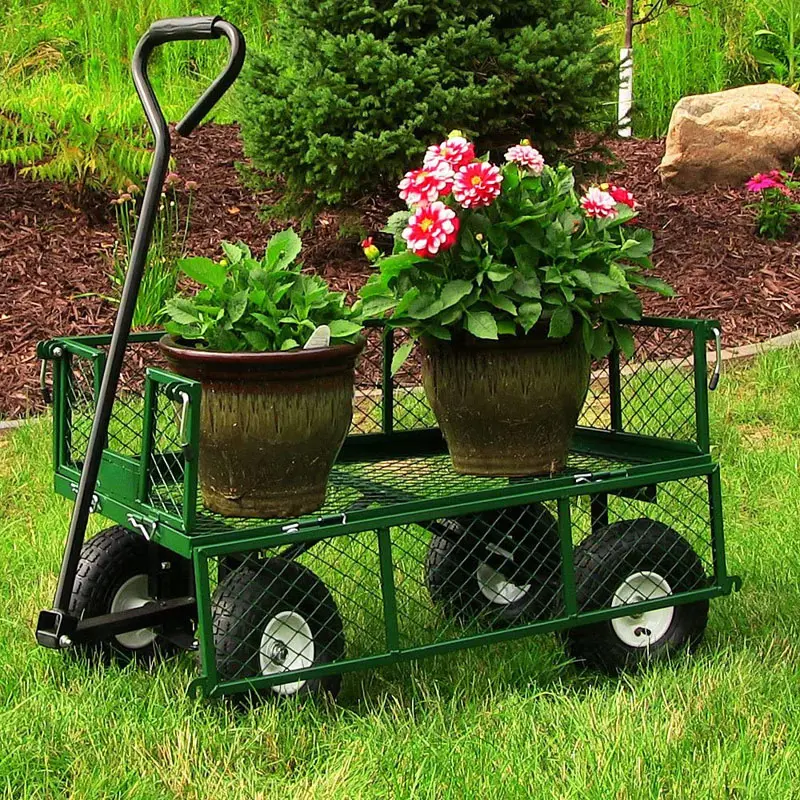
A garden cart should carry its intended load without feeling nose-heavy, tail-heavy, or unstable during turns. When a garden cart distributes weight effectively, it is easier to steer, safer to stop, and less likely to tip on uneven ground. A garden cart with a suitable frame and wheel layout can also reduce the effort required to move materials. Before choosing a garden cart, consider how its load will sit over the wheels, not only the maximum capacity. This guide explains how to assess that balance.
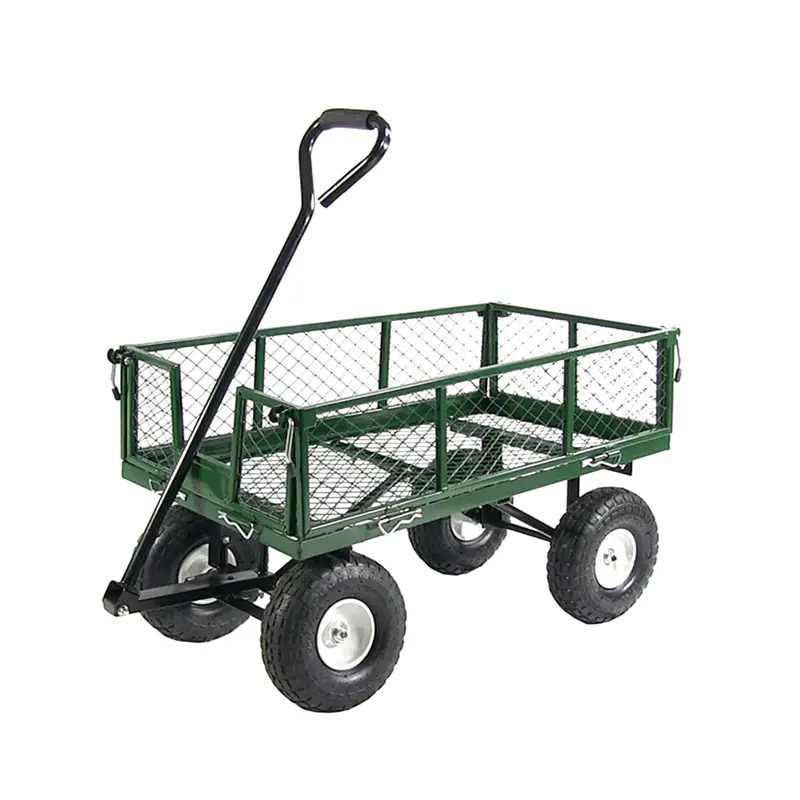
For a garden cart, superior weight distribution means the load is supported across the frame and wheels in a way that preserves control. The garden cart should remain predictable when loaded, pushed, pulled, or positioned on a slope. A garden cart chosen for bulk soil may need different proportions from one used for long tools or loose debris. Review the deck dimensions, axle position, handle design, and wheel arrangement together. A garden cart is most useful when its design suits both the material and the route it will travel.
Start with the load and its position
Match the cart to real working loads
Write down the materials the garden cart will carry most often, including their approximate weight and shape. Dense items such as damp soil place more force on the frame than bulky, lightweight leaves, even when both fill the same volume. A garden cart should have a stated capacity that covers normal loads without encouraging routine overloading. Selecting a garden cart based on the heaviest realistic task gives the frame and wheels a more appropriate working margin.
Consider whether a typical load sits low, spreads across the deck, or concentrates near one end. A garden cart with a broad, low bed can support distributed materials more steadily, while a narrow or high load may shift as the cart moves. When a garden cart carries logs, bagged supplies, or containers, check that the dimensions allow them to sit securely rather than hang over the sides. Shape and placement affect balance just as much as the load’s total weight.
Assess deck dimensions and center of gravity
The deck should provide enough room to place materials centrally, with weight distributed between the front and rear supports. On a garden cart, a long bed can accommodate awkward items, but a load positioned far from the axle can increase the force needed at the handle. A garden cart with a low loading surface also helps keep the center of gravity closer to the ground. Compare usable deck dimensions with the items you actually move before deciding.
Think through the loaded position, not only the empty product shape. If a garden cart will carry a heavy container, identify where that container rests relative to the wheels and handle. A balanced garden cart should not require excessive downward or upward force at the handle just to stay level. Keep the expected center of gravity low and near the support area; this reduces the chance that a shifting load will make steering unpredictable.
Evaluate wheels, axle, and frame together
Choose wheel placement for the route
Wheel arrangement determines how a garden cart supports weight and responds to turns. Two-wheel designs can be maneuverable in tighter spaces, but the operator may need to support some of the load through the handles. A garden cart with four wheels can stand independently and spread support across a wider base, although turning space and ground conditions still matter. Compare the garden cart layout with paths, thresholds, garden beds, and work areas where it will be used.
Wheel size and width also influence how a loaded garden cart travels over soft soil, gravel, or uneven turf. Wheels that suit the surface can help prevent the cart from sinking or lurching, both of which may shift the load. Check the axle and wheel mounts for a clear load path into the frame. A garden cart is easier to control when its wheels support the load without rocking, binding, or forcing abrupt corrections.
Inspect frame support and handle leverage
A rigid frame helps a garden cart retain its shape under a practical working load. Look for support beneath the deck, secure joints, and axle connections that align with the intended weight distribution. A garden cart with a strong-looking bed may still flex if its underside lacks support where heavy materials rest. Consider how the frame carries weight from the deck to the wheels, rather than judging strength by material appearance alone.
Handle length affects leverage and the effort needed to lift or steer the front of a loaded cart. With a garden cart, handles that feel comfortable when empty may become difficult when the load is poorly positioned or too heavy. Where possible, assess grip height and turning clearance while considering the expected user and route. The garden cart should let the operator guide it without awkward lifting, especially when starting, stopping, or changing direction.
Check stability in the intended work setting
Consider slopes, turns, and changing surfaces
A flat showroom floor cannot show every balance issue a garden cart may face outdoors. Think about cross-slopes, compacted tracks, soft ground, and the transitions between surfaces. A garden cart carrying loose or stacked materials needs enough containment to limit movement while turning. If a route includes inclines, plan to carry a smaller load and keep heavier items low. The garden cart should suit the route’s tightest turns and least stable sections, not just its easiest stretch.
Uneven terrain can load one wheel more heavily than another, so a garden cart needs a stable footprint and a frame that resists twisting during ordinary use. Check whether the wheels can follow small ground variations without the bed tilting sharply. A garden cart with a wide stance may improve side-to-side steadiness, though width must still fit through gates and between rows. Match stability features to the actual operating space rather than assuming one configuration suits every site.
Use a practical pre-purchase balance check
Before settling on a garden cart, compare its capacity, usable bed area, wheelbase, and handle position against a representative load. Ask where the load’s center will sit and whether it can be secured against sliding. If a garden cart is intended for dumping, consider how the load shifts during tipping and whether the operator can control that movement. These checks connect the product’s design with the real task instead of relying on a single capacity figure.
After purchase, load carefully and test the garden cart at low speed in a clear area before using it on a demanding route. Put the heaviest items low and near the central support zone, then check steering and stopping response. If the garden cart pulls to one side or feels difficult to control, reduce the load and reposition its contents. Better weight distribution is a combination of suitable design, sensible loading, and attention to changing ground conditions.
FAQ
Does a higher capacity always mean better balance?
No. Capacity describes a load limit, but it does not explain where that weight sits or how the wheels support it. A garden cart with a large rating can still feel unstable if heavy materials are stacked high or placed too far from the axle. Consider capacity alongside deck dimensions, wheel arrangement, frame support, and the shape of typical loads.
Should the heaviest items go near the handle or axle?
Place heavy items low and near the cart’s central support area, following any instructions provided for the model. On a garden cart, positioning weight too far toward the handle can make steering harder, while placing it at the far end may affect control. Secure items that could roll or slide, and adjust placement if the loaded cart feels uneven.
How can I tell if a cart is stable enough for my site?
Compare its footprint and wheel design with your paths, slopes, and ground surfaces, then consider how the expected load will be arranged. A garden cart should remain controllable during turns and transitions, not just stand level on smooth ground. When testing, begin with a modest load and stop if the cart tilts, pulls sharply, or requires uncomfortable force to steer.

