 EN
EN

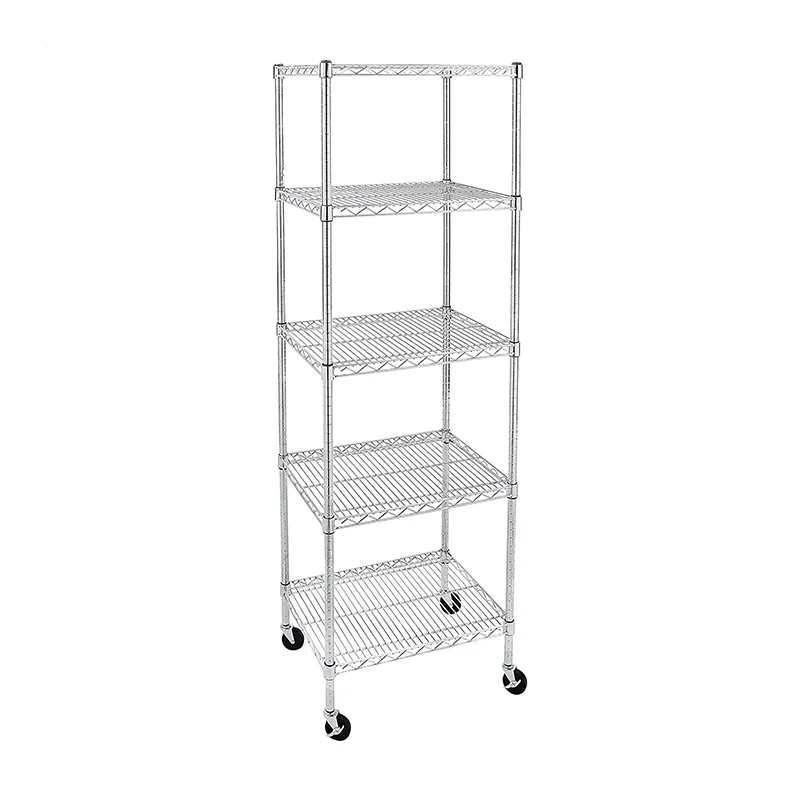
Buying a heavy duty wire shelf unit without verifying load ratings is one of the fastest ways to create storage risk in a warehouse, backroom, or production area. The label may look straightforward, but the real capacity of a heavy duty wire shelf depends on how the rating was tested, how the shelf is configured, and how your team will actually load it. To verify load ratings correctly, you need to read the specification in context, check the test basis, and match the rating to your operating conditions before purchase.

A reliable verification process is practical and repeatable. When procurement, operations, and safety teams evaluate a heavy duty wire shelf together, they can confirm whether the stated capacity is per shelf or per unit, static or mobile, and based on evenly distributed or concentrated loads. This article breaks down that process step by step so your next heavy duty wire shelf purchase is based on verified load performance rather than assumptions.
Start With the Rating Definition and Test Basis
Separate shelf capacity from total unit capacity
The first verification step is to confirm what the stated number actually refers to. A heavy duty wire shelf spec can show capacity per tier, per bay, or for the full assembled structure, and confusion between these values causes overloading in daily operations. Ask for written clarification that identifies the exact level of rating, including the number of tiers and frame size used during testing.
In many facilities, teams assume that multiplying one shelf rating by the number of shelves gives safe total capacity, but that is not always valid for a heavy duty wire shelf system. Upright posts, connectors, and bracing can become the limiting factor before each tier reaches its nominal value. Verification means checking both tier load and total frame load as separate limits.
Confirm how the rating was tested in practice
A load rating is only meaningful when the test conditions are known. For each heavy duty wire shelf model, request the test method details: load distribution pattern, duration, deflection criteria, and pass/fail threshold. A static short-term test can produce a different result from long-duration loading where gradual deformation appears over time.
You should also verify whether the heavy duty wire shelf was tested in assembled form with real connectors, not only as isolated components. Full assembly testing reflects practical stress paths through posts and clips. This step protects buyers from relying on optimistic figures generated under simplified lab conditions that do not mirror industrial use.
Match Load Ratings to Real Operating Conditions
Evaluate load type, distribution, and point pressure
Even a correctly rated heavy duty wire shelf can fail in application when load geometry differs from test assumptions. Cartons, bins, and machine parts rarely behave like perfectly even loads. If your inventory includes dense objects with narrow contact points, the local wire deck stress can exceed safe limits even when total weight seems acceptable.
Verification should include a mapped loading profile for the planned heavy duty wire shelf layout. Define the typical maximum package weight, base footprint, and stacking position per tier. When point loads are unavoidable, specify support panels or load spreaders so the effective pressure aligns with the validated rating model.
Account for dynamic handling and environmental factors
Many teams verify a heavy duty wire shelf only for static storage and overlook dynamic effects from daily handling. Frequent loading, unloading, and occasional impact from carts can increase structural fatigue, especially at clip joints and post interfaces. A prudent verification process applies a safety margin for repeated operational stress.
Environmental conditions also matter when approving a heavy duty wire shelf. Humidity, washdown routines, and temperature fluctuations can influence corrosion behavior and long-term stiffness. If the shelf will be used in demanding zones, confirm coating durability and maintenance intervals as part of load-rating verification, not as an afterthought.
Inspect Structural Components That Control Real Capacity
Check posts, connectors, and tier adjustability interfaces
The practical strength of a heavy duty wire shelf is governed by connection integrity as much as deck material thickness. During supplier review, inspect post gauge, collar design, and locking geometry at each level. Weak or poorly fitted connectors can reduce safe operating load long before visible wire deformation appears.
When a heavy duty wire shelf offers adjustable tier spacing, each adjustment point becomes part of the load path. Verify that load ratings remain valid across intended height settings and are not limited to one ideal configuration. This detail is critical when different SKUs require frequent shelf-height changes after installation.
Review dimensional consistency and assembly tolerances
A heavy duty wire shelf with inconsistent manufacturing tolerances may assemble correctly at first glance but carry load unevenly. Slight post angle variation or tier misalignment can shift force concentration to specific joints. Quality verification should include dimensional checks for squareness, levelness, and connector engagement depth.
Ask for documented quality control criteria tied to the heavy duty wire shelf rating claim. Tolerance control, incoming material checks, and batch inspection frequency provide evidence that published capacity is repeatable across production lots. This helps procurement teams avoid performance drift between sample approval and full-order delivery.
Build a Purchase Verification Workflow Before Final Approval
Create a technical checklist for procurement and safety teams
A repeatable checklist turns heavy duty wire shelf selection into a controlled decision rather than a price-driven shortcut. Include mandatory fields for per-tier load, total unit load, test method reference, allowed deflection, connector type, and recommended safety factor. Cross-functional review ensures each requirement is validated before purchase order release.
In practical terms, every heavy duty wire shelf line item should be approved against expected use cases, not generic catalog language. If one zone stores high-density components while another stores light cartons, document separate load assumptions and approval thresholds. This keeps rating verification aligned with actual risk exposure.
Run a pilot installation and monitor early performance
Before scaling deployment, install a pilot heavy duty wire shelf bay and load it according to real operating patterns. Observe deflection, connector movement, and stability during routine handling over a defined period. Early monitoring reveals whether the verified rating still holds once real workflows, not test benches, are applied.
Use pilot findings to finalize acceptance criteria for each heavy duty wire shelf unit in the full rollout. Include inspection intervals, re-leveling procedures, and visible load labeling at rack level. This closes the loop between pre-purchase verification and long-term operational compliance, which is the real goal of load rating validation.
FAQ
How much safety margin should be applied to a heavy duty wire shelf rating?
A common industrial practice is to avoid operating a heavy duty wire shelf at its absolute published maximum in daily use. The exact margin depends on handling intensity, load variability, and environmental conditions, but many operations apply a conservative buffer to reduce fatigue and accidental overload risk.
Can a heavy duty wire shelf keep the same rating after shelf-height adjustments?
Not always. Some heavy duty wire shelf configurations maintain rating across multiple positions, while others are validated only under specific spacing conditions. Always verify whether the load rating is tied to a fixed tier layout before approving adjustable use in the field.
Why does evenly distributed load matter for heavy duty wire shelf verification?
Even distribution affects how force travels through the wire deck and connectors of a heavy duty wire shelf. Concentrated loads can create local stress that exceeds safe limits despite acceptable total weight, so rating verification must include contact area and item placement patterns.
What documents should buyers request before purchasing a heavy duty wire shelf?
Buyers should request clear load definitions, test condition summaries, assembly instructions, dimensional tolerances, and maintenance guidance for each heavy duty wire shelf model. These documents provide the technical traceability needed to confirm that the chosen unit matches operational demand and safety expectations.
Table of Contents
- Start With the Rating Definition and Test Basis
- Match Load Ratings to Real Operating Conditions
- Inspect Structural Components That Control Real Capacity
- Build a Purchase Verification Workflow Before Final Approval
-
FAQ
- How much safety margin should be applied to a heavy duty wire shelf rating?
- Can a heavy duty wire shelf keep the same rating after shelf-height adjustments?
- Why does evenly distributed load matter for heavy duty wire shelf verification?
- What documents should buyers request before purchasing a heavy duty wire shelf?

