 EN
EN


When purchasing an imported aluminum platform cart for industrial, warehouse, or commercial applications, verifying the alloy quality of the cart frame is a critical step that directly impacts durability, load-bearing capacity, and long-term return on investment. Aluminum alloys vary significantly in composition and mechanical properties, and substandard materials can lead to premature failure, safety hazards, and costly operational disruptions. Understanding how to systematically assess alloy quality ensures that your procurement decision aligns with performance expectations and regulatory compliance standards in demanding environments.
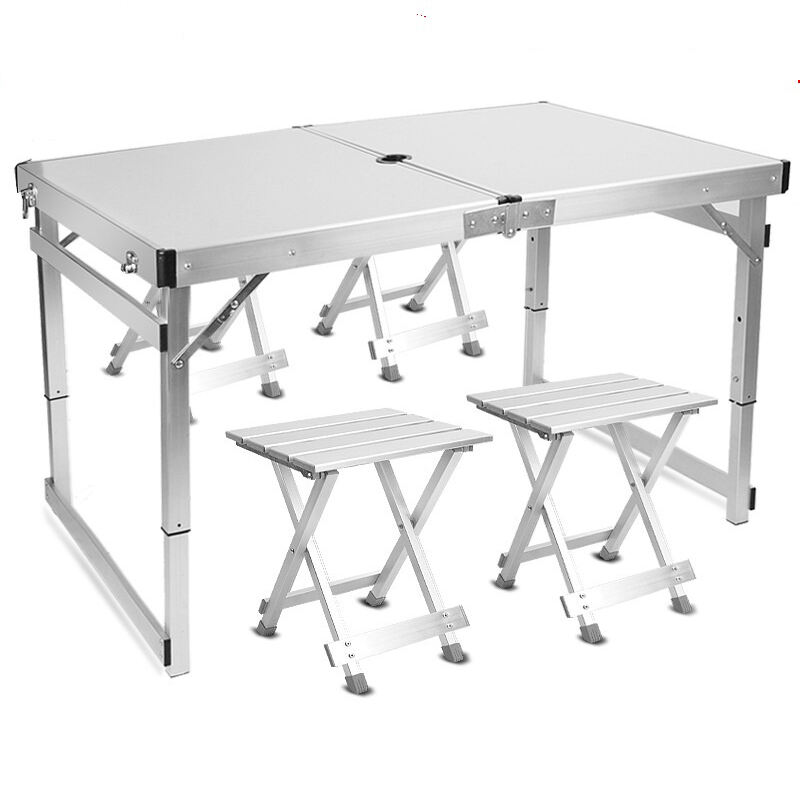
The verification process involves multiple technical evaluation methods ranging from documentation review and material certifications to hands-on testing protocols and third-party laboratory analysis. Many buyers of aluminum platform cart systems rely solely on supplier claims without implementing proper quality assurance procedures, exposing their operations to hidden risks. This comprehensive guide outlines practical, industry-proven techniques for confirming alloy composition, mechanical integrity, and manufacturing consistency before finalizing import transactions, enabling procurement professionals to make data-driven decisions with confidence.
Understanding Aluminum Alloy Grades and Their Impact on Cart Performance
Common Aluminum Alloy Series Used in Platform Cart Manufacturing
Aluminum platform cart frames typically utilize alloys from the 5000, 6000, or 7000 series, each offering distinct characteristics suited to different application requirements. The 6061 alloy represents the most prevalent choice for structural components due to its excellent balance of strength, corrosion resistance, and weldability. This heat-treatable alloy contains magnesium and silicon as primary alloying elements, achieving tensile strengths between 240 and 310 MPa in the T6 temper condition. For applications requiring superior corrosion resistance in marine or chemical environments, 5052 alloy provides enhanced performance through higher magnesium content, though with slightly reduced strength properties.
The 7000 series alloys, particularly 7075, deliver the highest strength-to-weight ratios but come with increased material costs and more complex fabrication requirements. These zinc-containing alloys suit specialized heavy-duty aluminum platform cart designs where maximum load capacity per unit weight is paramount. Understanding these fundamental differences allows buyers to match alloy specifications to operational demands rather than accepting generic material designations. Manufacturers may substitute lower-grade alloys to reduce costs, making verification essential for ensuring the purchased aluminum platform cart meets documented performance standards.
Mechanical Property Requirements for Structural Integrity
The structural integrity of an aluminum platform cart frame depends on specific mechanical properties including tensile strength, yield strength, elongation percentage, and hardness values that must align with intended load ratings. Tensile strength indicates the maximum stress the material can withstand before fracturing, while yield strength defines the stress level at which permanent deformation begins. For industrial cart applications, minimum yield strength typically ranges from 240 to 275 MPa for 6061-T6 alloy, ensuring adequate safety margins under rated working loads.
Elongation percentage measures ductility, with values between 10 and 17 percent considered acceptable for aluminum platform cart frames to prevent brittle failure under impact or shock loading conditions. Hardness testing using Brinell or Rockwell scales provides quick verification of proper heat treatment and alloy composition consistency. Frames exhibiting hardness values outside specified ranges may indicate improper tempering, incorrect alloy composition, or compromised material quality. Procurement specifications should explicitly define these mechanical property requirements with measurable acceptance criteria to enable objective verification during quality inspection processes.
Temper Designations and Their Functional Significance
Aluminum temper designations following alloy numbers communicate critical information about heat treatment and work hardening processes that directly affect material performance in aluminum platform cart applications. The T6 temper designation indicates solution heat treatment followed by artificial aging, producing optimal strength characteristics for structural components. Alternative tempers like T4 provide lower strength but improved formability for complex shapes, while H-series tempers applied to non-heat-treatable alloys indicate strain hardening levels.
Verifying correct temper becomes essential because improper heat treatment can reduce strength by 30 to 50 percent compared to specification requirements, compromising cart safety and longevity. Suppliers may deliver aluminum platform cart frames in incorrect temper conditions to expedite production schedules or reduce processing costs. Temper verification requires examining material certifications, conducting hardness tests, and potentially commissioning metallurgical analysis to confirm microstructural characteristics match designated temper conditions. The temper designation directly correlates with mechanical properties, making this verification step fundamental to quality assurance protocols.
Documentation and Certification Requirements for Imported Aluminum Components
Mill Test Certificates and Material Traceability
Mill test certificates represent primary documentary evidence of aluminum alloy composition and mechanical properties, issued by material producers following standardized testing protocols. These certificates should detail chemical composition analysis showing percentages of aluminum, silicon, magnesium, copper, zinc, and other alloying elements compared against specification limits for the declared alloy grade. For an aluminum platform cart, certificates must include heat or lot numbers enabling traceability from finished product back to original material production batch.
Authentic mill test certificates also document tensile testing results including ultimate tensile strength, yield strength, and elongation percentages measured according to ASTM or equivalent international standards. Procurement professionals should verify that certificate numbers correspond to actual material batches used in cart fabrication rather than generic documents provided for similar products. Request certificates with English translations when dealing with non-English-speaking suppliers, and cross-reference multiple certificates if the aluminum platform cart incorporates components from different material lots. Documentation gaps or inconsistencies signal potential quality control weaknesses requiring additional verification measures.
Third-Party Inspection Reports and Quality Certifications
Independent third-party inspection reports provide unbiased verification of aluminum platform cart quality through systematic evaluation conducted by accredited testing organizations. Organizations such as SGS, TÜV, Intertek, or Bureau Veritas offer pre-shipment inspection services that include material composition verification, dimensional accuracy checks, and functional performance testing. These reports document findings using standardized formats with photographic evidence, measurement data, and pass/fail determinations based on buyer-specified acceptance criteria.
Quality management system certifications like ISO 9001 indicate that manufacturers maintain documented processes for material verification, production control, and quality assurance, though certification alone does not guarantee individual product quality. Buyers should request inspection reports specific to their purchase order rather than relying on generic facility certifications. For high-value aluminum platform cart procurement, consider commissioning dedicated inspection visits timed to coincide with production completion, allowing inspectors to witness testing procedures and select random samples for destructive testing or laboratory analysis. Third-party verification adds cost but substantially reduces risk of receiving substandard materials in import transactions.
Compliance Documentation for International Standards
International standards such as ASTM B221 for aluminum alloy extruded products, ISO 6361 for wrought aluminum specifications, and EN 573 for European aluminum alloy designations establish minimum requirements that imported aluminum platform cart components should meet. Compliance documentation demonstrates that materials and manufacturing processes align with recognized technical specifications accepted across global markets. Suppliers should provide declarations of conformity or compliance certificates referencing specific standard versions applicable to the cart's intended market.
Regional regulations may impose additional requirements beyond basic alloy specifications, including REACH compliance for European markets, RoHS directives for electronic components, or specific safety certifications required by end-user industries. Verify that documentation covers all applicable standards for your operational jurisdiction and application sector. Inconsistent or missing compliance documentation suggests inadequate quality management systems and increases risk of receiving non-conforming aluminum platform cart products. Establish clear documentation requirements in purchase contracts with penalties for incomplete or fraudulent certifications to incentivize supplier compliance.
Practical Testing Methods for On-Site Alloy Verification
Portable X-Ray Fluorescence Spectroscopy Analysis
Portable X-ray fluorescence analyzers offer rapid, non-destructive alloy verification capabilities ideal for inspecting aluminum platform cart frames during receiving inspection or pre-shipment evaluation. These handheld devices emit X-rays that excite characteristic fluorescent emissions from material elements, enabling quantitative analysis of alloy composition within seconds. Modern XRF analyzers specifically calibrated for aluminum alloys can identify and quantify major alloying elements including magnesium, silicon, copper, zinc, and manganese with accuracy typically within 0.1 percent of actual concentration.
When using XRF analysis on an aluminum platform cart, prepare measurement surfaces by removing coatings, anodizing layers, or oxidation that could interfere with accurate readings. Take multiple measurements at different frame locations to verify composition consistency throughout the structure, as some manufacturers may use different alloys for various components. Compare XRF results against specification requirements for the declared alloy grade, with particular attention to elements that most significantly affect mechanical properties. While XRF provides excellent compositional screening, it cannot directly measure mechanical properties or temper condition, necessitating complementary verification methods for comprehensive quality assurance.
Hardness Testing for Heat Treatment Verification
Portable hardness testers enable quick assessment of whether aluminum platform cart frames received proper heat treatment by measuring resistance to surface indentation. Rockwell B-scale or Brinell hardness measurements correlate with alloy temper conditions and mechanical strength properties, providing indirect verification of material quality. For example, properly heat-treated 6061-T6 aluminum typically exhibits hardness values between 60 and 95 on the Rockwell B scale, with readings significantly below this range indicating inadequate heat treatment or incorrect alloy composition.
Conduct hardness testing at multiple locations across the aluminum platform cart frame, including welded areas where heat affected zones may exhibit altered properties compared to base material. Document all measurements with location references and compare against acceptance criteria established from material specifications or reference samples. Significant hardness variation between different frame sections suggests inconsistent manufacturing processes or mixed material batches. While hardness testing provides valuable screening data, abnormal results should trigger more detailed investigation including metallurgical analysis or mechanical property testing to determine root causes and assess safety implications.
Visual and Dimensional Inspection Techniques
Systematic visual inspection reveals manufacturing quality indicators that correlate with overall material quality and process control in aluminum platform cart production. Examine weld quality for consistent penetration, absence of porosity or cracks, and proper heat-affected zone characteristics that indicate appropriate welding procedures for the alloy type. Surface finish consistency, including uniformity of anodizing or coating thickness, reflects manufacturing discipline and attention to quality specifications.
Dimensional verification using calibrated measuring instruments confirms that frame components meet tolerance specifications, with excessive variation suggesting inadequate process control that may extend to material quality management. Check critical dimensions including platform dimensions, wheel mounting positions, handle heights, and load-bearing member cross-sections against engineering drawings. For folding or collapsible aluminum platform cart designs, verify mechanism alignment and operation smoothness across multiple fold cycles. While visual inspection cannot directly verify alloy composition, the correlation between visible quality indicators and underlying material integrity makes this technique valuable for identifying products requiring more detailed verification before acceptance.
Laboratory Analysis Methods for Definitive Alloy Confirmation
Chemical Composition Analysis Through Spectrometry
Optical emission spectrometry and inductively coupled plasma techniques provide definitive chemical composition analysis when absolute verification of aluminum platform cart alloy quality is required. These laboratory methods quantify elemental concentrations with accuracy exceeding 0.01 percent, enabling precise comparison against narrow specification limits defined for specific alloy grades. Sample preparation involves removing small material specimens from non-critical frame areas, making this approach suitable for high-value purchases or dispute resolution rather than routine inspection.
Laboratory analysis reports detail concentrations of all significant elements including aluminum base metal, primary alloying elements, and trace impurities that may affect performance. Compare results against specification documents such as ASTM B221 or equivalent standards to verify compliance with declared alloy designation. Discrepancies between laboratory findings and supplier documentation provide concrete evidence of material substitution or quality control failures. When commissioning laboratory analysis for an aluminum platform cart, select accredited facilities with demonstrated competence in light metal analysis and request test reports that include measurement uncertainty values and traceability to reference standards.
Mechanical Property Testing and Validation
Destructive mechanical testing through tensile, yield, and elongation measurements provides direct verification that aluminum platform cart frame materials meet strength and ductility requirements regardless of alloy designation ambiguities. Standard test specimens machined from frame samples undergo controlled loading in universal testing machines, generating stress-strain curves that quantify key mechanical properties. This approach definitively answers whether material performance meets application requirements, making alloy designation verification secondary to functional capability confirmation.
Testing protocols should follow recognized standards such as ASTM E8 for tensile testing of metallic materials, ensuring result comparability and defensibility. For aluminum platform cart applications, particular attention to yield strength and elongation percentage helps assess both load-carrying capability and resistance to brittle failure under shock loading. While destructive testing requires sacrificing material samples and involves longer turnaround times compared to non-destructive methods, the definitive performance data justifies this approach for high-stakes procurement decisions or periodic supplier quality audits.
Metallographic Examination and Microstructure Analysis
Metallographic analysis through optical or electron microscopy reveals aluminum alloy microstructure characteristics that confirm proper heat treatment, identify manufacturing defects, and verify material authenticity for aluminum platform cart components. Prepared cross-sections etched with appropriate chemical reagents display grain structure, precipitate distribution, and phase composition distinctive to specific alloy grades and temper conditions. Experienced metallurgists can identify heat treatment deviations, welding defects, or material anomalies invisible through other verification methods.
This sophisticated analysis technique suits investigation of quality concerns identified through preliminary testing rather than routine verification of every aluminum platform cart shipment. Microstructural features such as grain size, precipitate morphology, and intermetallic phase distribution correlate with mechanical properties and processing history, providing forensic-level quality assessment capabilities. When disputes arise regarding material quality or performance failures occur in service, metallographic evidence offers compelling documentation of actual material condition versus specification requirements. Partner with materials testing laboratories offering metallurgical expertise specific to aluminum alloys to ensure accurate interpretation of microstructural observations.
Establishing Supplier Quality Assurance Systems
Supplier Qualification and Audit Procedures
Implementing systematic supplier qualification processes before initiating aluminum platform cart procurement substantially reduces verification burden by establishing baseline quality capability expectations. Comprehensive supplier audits should evaluate material sourcing practices, including whether manufacturers procure aluminum from certified mills versus secondary market sources with uncertain provenance. Assess in-house quality control capabilities including calibrated testing equipment, documented inspection procedures, and personnel competency in material verification techniques.
Review supplier quality management documentation for evidence of systematic material traceability, batch control systems, and corrective action processes addressing non-conformances. Request facility tours enabling direct observation of production processes, material storage conditions, and handling procedures that affect aluminum platform cart quality. Qualified suppliers should demonstrate willingness to provide material certifications, accommodate third-party inspections, and maintain transparent communication regarding quality issues. Establishing approved supplier lists based on documented qualification criteria focuses procurement on vendors with proven quality capability, reducing individual shipment verification requirements.
Implementing Incoming Material Inspection Protocols
Structured incoming inspection procedures create systematic checkpoints for verifying aluminum platform cart quality upon receipt, catching material deficiencies before products enter inventory or deployment. Develop inspection checklists incorporating documentary review, visual examination, dimensional verification, and sampling plans for instrumental testing based on shipment size and supplier quality history. Define clear acceptance criteria with measurable thresholds distinguishing conforming from non-conforming products, eliminating subjective judgment from quality decisions.
Risk-based sampling strategies allocate inspection resources efficiently by intensifying verification for new suppliers, first articles from established vendors, or products with quality histories while reducing inspection frequency for consistently conforming sources. Document all inspection results in quality records systems enabling trend analysis and data-driven supplier performance evaluation. For aluminum platform cart shipments failing acceptance criteria, establish clear rejection, rework, or conditional acceptance procedures with defined responsibilities and documentation requirements. Consistent enforcement of inspection protocols signals quality expectations to suppliers and protects organizations from defective material acceptance.
Continuous Monitoring and Performance Tracking
Ongoing supplier performance monitoring through quality metrics and trend analysis identifies emerging issues before they escalate into significant problems affecting aluminum platform cart reliability. Track key performance indicators including defect rates, certification accuracy, on-time delivery, and responsiveness to quality concerns across multiple shipments. Statistical process control techniques applied to inspection data reveal process capability trends and trigger investigations when performance deteriorates beyond established control limits.
Periodic re-audits of qualified suppliers verify continued compliance with quality system requirements and assess effectiveness of corrective actions addressing previous findings. Schedule random verification testing including laboratory analysis of samples from accepted shipments to validate that routine inspection methods effectively detect quality variations. For strategic aluminum platform cart suppliers representing significant procurement volume, consider implementing collaborative quality improvement initiatives sharing inspection data, root cause analysis, and process enhancement opportunities. Continuous monitoring transforms supplier relationships from transactional exchanges into quality partnerships supporting long-term performance improvement and risk reduction.
FAQ
What is the most cost-effective method for verifying aluminum alloy quality in imported carts?
Portable XRF analysis offers the best balance of cost, speed, and accuracy for routine aluminum platform cart verification, providing compositional screening within seconds at per-test costs of just a few dollars after initial equipment investment. Combine XRF with hardness testing and documentation review to create a comprehensive yet economical verification protocol suitable for most procurement scenarios. Reserve expensive laboratory analysis for high-value purchases, new supplier qualification, or investigation of suspected quality issues rather than routine inspection.
Can visual inspection alone reliably confirm aluminum alloy quality?
Visual inspection cannot definitively verify aluminum alloy composition or mechanical properties, as different alloys may appear identical to the naked eye and surface appearance does not correlate reliably with material quality. However, visual examination effectively identifies manufacturing defects, finish inconsistencies, and workmanship issues that often correlate with inadequate quality control systems. Use visual inspection as a preliminary screening tool that triggers more detailed verification when anomalies appear, rather than as a standalone quality confirmation method for aluminum platform cart procurement.
How frequently should imported aluminum carts undergo alloy verification testing?
Testing frequency should follow risk-based sampling strategies considering supplier quality history, order size, and application criticality. New suppliers require 100 percent initial verification with gradual reduction to periodic sampling as consistent quality is demonstrated over multiple shipments. Established suppliers with documented quality systems may require only random sampling of 10 to 20 percent of shipments, with frequency adjusted based on performance trends. High-consequence applications such as medical or aerospace use of aluminum platform cart systems justify more intensive verification regardless of supplier history.
What documentation should buyers demand from aluminum cart suppliers to ensure quality?
Comprehensive quality documentation packages should include mill test certificates with heat traceability, third-party inspection reports, compliance declarations for applicable standards, dimensional inspection reports, and welding procedure qualifications. Request English translations of foreign-language documents and verify that certificate numbers correspond to actual material batches used in your specific aluminum platform cart order. Establish contractual requirements obligating suppliers to provide complete documentation as a condition of payment, creating financial incentive for compliance and enabling rejection of shipments with inadequate quality evidence.
Table of Contents
- Understanding Aluminum Alloy Grades and Their Impact on Cart Performance
- Documentation and Certification Requirements for Imported Aluminum Components
- Practical Testing Methods for On-Site Alloy Verification
- Laboratory Analysis Methods for Definitive Alloy Confirmation
- Establishing Supplier Quality Assurance Systems
-
FAQ
- What is the most cost-effective method for verifying aluminum alloy quality in imported carts?
- Can visual inspection alone reliably confirm aluminum alloy quality?
- How frequently should imported aluminum carts undergo alloy verification testing?
- What documentation should buyers demand from aluminum cart suppliers to ensure quality?

