 EN
EN


Modern warehouse operations, logistics facilities, and commercial environments demand material handling equipment that balances functionality with spatial efficiency. The foldable platform hand truck trolley has emerged as a practical solution addressing the dual challenge of robust load transportation and compact storage requirements. This specialized design incorporates collapsible mechanisms that allow the trolley to transition from a fully operational state to a space-saving configuration within seconds, making it particularly valuable for businesses operating in space-constrained facilities or requiring intermittent use of material handling equipment.
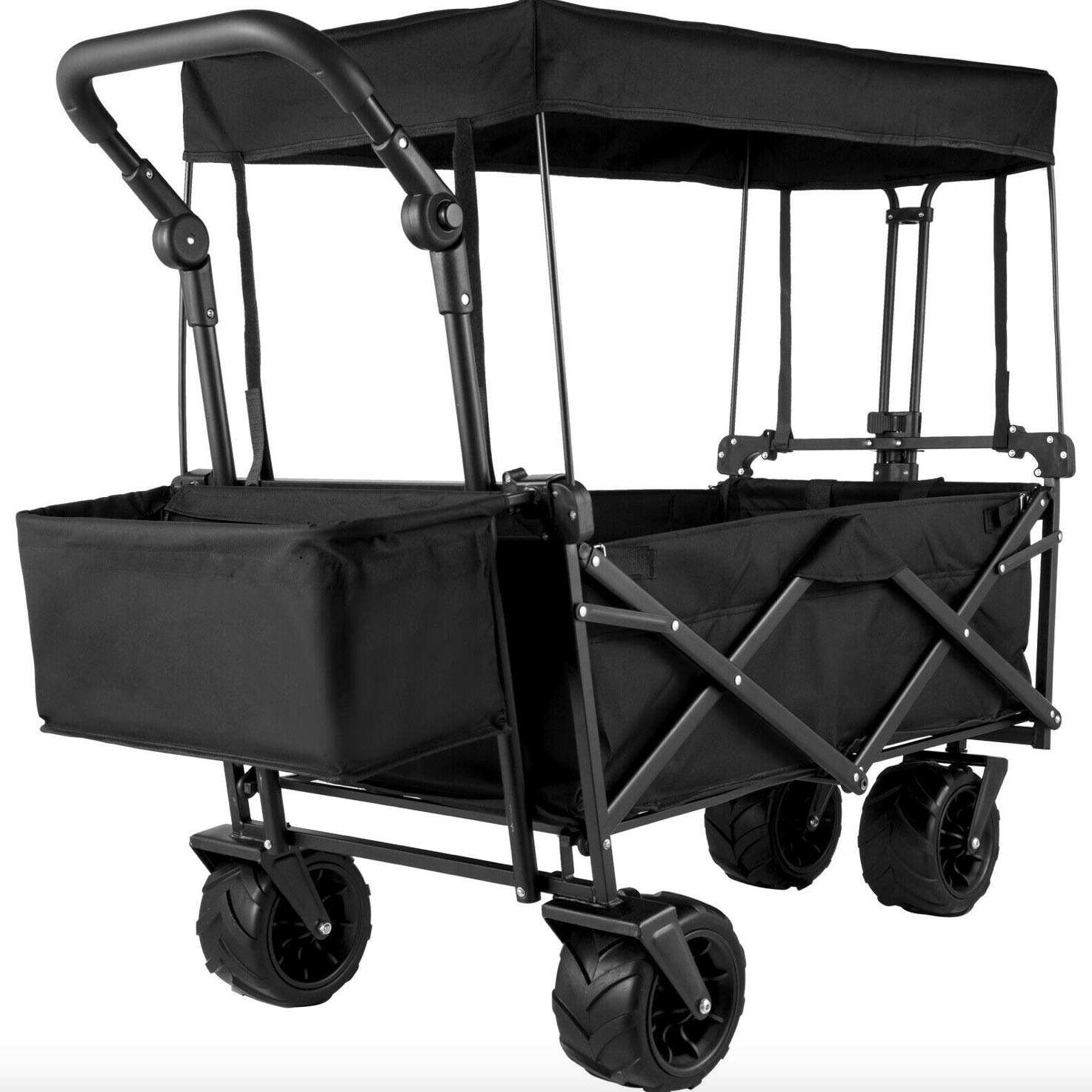
Understanding the advantages inherent in foldable platform hand truck trolley design requires examining how these tools solve specific operational challenges across various industrial sectors. From retail stockrooms to warehouse distribution centers, from event management operations to residential moving services, the foldable design delivers tangible benefits that extend beyond simple portability. This comprehensive analysis explores the multifaceted advantages these tools provide, examining their impact on operational efficiency, cost management, workplace safety, and long-term asset utilization across diverse commercial applications.
Space Optimization and Storage Efficiency
Dramatic Reduction in Storage Footprint
The primary advantage of a foldable platform hand truck trolley lies in its ability to minimize storage space requirements when not actively transporting materials. Traditional fixed-frame trolleys occupy substantial floor space regardless of utilization status, creating permanent dead zones in storage areas, utility rooms, and vehicle interiors. In contrast, foldable designs collapse to a fraction of their operational dimensions, typically reducing their profile by seventy to eighty percent. This transformation allows businesses to store multiple units in vertical configurations against walls or in narrow closets where conventional equipment would be impractical.
The spatial efficiency advantage becomes particularly significant for operations managing seasonal demand fluctuations or temporary projects. Retail businesses preparing for holiday inventory surges can maintain reserve capacity without dedicating permanent floor space to infrequently used equipment. Event management companies transporting equipment to various venues benefit from stacking multiple collapsed units in standard cargo vehicles, maximizing transport capacity while maintaining the ability to deploy numerous trolleys simultaneously at destination sites.
For facilities operating under stringent square footage constraints, the collapsible foldable platform hand truck trolley represents a strategic asset utilization approach. Urban warehouses with premium real estate costs can maintain operational capability without allocating valuable space to idle equipment. The ability to store equipment vertically or in compact configurations translates directly to increased storage capacity for revenue-generating inventory or additional operational workspace for value-added activities.
Vehicle Transport Optimization
Mobile service operations, delivery businesses, and maintenance teams regularly transport material handling equipment between job sites within constrained vehicle cargo spaces. The foldable platform hand truck trolley addresses this challenge by collapsing into dimensions compatible with standard vehicle interiors without requiring specialized racks or dedicated transport compartments. Service technicians can carry collapsed units in sedan trunks or behind commercial vehicle seats, maintaining immediate access while preserving cargo space for tools, parts, and customer materials.
Delivery fleet managers recognize substantial operational advantages when equipping vehicles with foldable equipment rather than fixed-frame alternatives. Multiple collapsed trolleys nest efficiently in cargo vans, enabling drivers to handle varying load configurations throughout delivery routes without committing excessive space to equipment rather than merchandise. This flexibility proves particularly valuable during peak delivery periods when vehicle utilization rates directly impact profitability and customer service performance.
The compact storage configuration also facilitates multi-modal transportation scenarios where equipment must transition between different vehicle types or storage locations throughout a single operational cycle. Trade show exhibitors transporting display materials via air freight benefit from the reduced dimensional profile during shipping, then quickly deploy the foldable platform hand truck trolley at convention centers for efficient material movement. This versatility eliminates the need to rent or source equipment at destination locations, ensuring familiar, reliable tools remain available regardless of geographic location.
Enhanced Portability and Deployment Flexibility
Rapid Deployment Capabilities
The engineering behind quality foldable platform hand truck trolley designs prioritizes intuitive deployment mechanisms that allow operators to transition equipment from collapsed storage configuration to fully operational status within seconds. This rapid deployment capability proves critical in time-sensitive situations where material must be moved immediately without delays for equipment retrieval or assembly. Emergency response scenarios, urgent customer deliveries, and production line supply interruptions all benefit from equipment that deploys instantly when operational demands arise.
Modern foldable designs incorporate spring-assisted mechanisms, positive locking systems, and ergonomic release triggers that enable single-operator deployment without requiring tools or complex procedures. This user-friendly approach reduces training requirements, minimizes deployment errors, and ensures consistent performance across varying operator skill levels. Facilities employing temporary workers or seasonal staff particularly appreciate equipment that requires minimal instruction while delivering reliable operational functionality.
The quick-collapse feature equally enhances operational efficiency when equipment must be cleared rapidly from active work zones. Retail stockrooms requiring immediate floor space for customer access, warehouse aisles needing clearance for forklift operations, or delivery vehicles preparing for return trips all benefit from equipment that transitions instantly from operational to storage configurations. This bidirectional flexibility supports dynamic workflow management and responsive space utilization strategies.
Personal Transport and Individual Mobility
Beyond commercial vehicle integration, the foldable platform hand truck trolley design delivers significant advantages for individual operators who must personally transport equipment between storage locations and work sites. The collapsed configuration typically includes integrated carrying handles or shoulder strap attachment points, transforming the trolley into a manageable personal carry item. This capability proves invaluable for operations spanning multiple building floors, requiring stair navigation, or involving transit through public transportation systems.
Maintenance technicians servicing high-rise buildings appreciate equipment that collapses sufficiently to accompany them in building elevators without requiring freight elevator reservations or special access arrangements. The ability to bring material handling capability directly to work sites eliminates time-consuming trips back to vehicle storage locations, improving job completion efficiency and enabling technicians to respond immediately when additional material transport needs arise during service calls.
Urban delivery operations increasingly recognize the advantage of equipment that operators can personally carry during final-mile delivery segments. Couriers parking vehicles at centralized locations can collapse their foldable platform hand truck trolley and carry it to delivery addresses, then quickly deploy it for efficient material handling at customer locations. This approach reduces vehicle repositioning time while maintaining professional material handling standards throughout the delivery process.
Cost Efficiency and Asset Management Benefits
Reduced Capital Investment Requirements
Organizations evaluating material handling equipment investments must consider not only purchase prices but also long-term ownership costs including storage infrastructure, maintenance expenses, and replacement cycles. The foldable platform hand truck trolley frequently delivers superior total cost of ownership compared to fixed-frame alternatives by eliminating or reducing several expense categories. The elimination of dedicated storage infrastructure represents immediate capital savings, as collapsed equipment integrates into existing storage systems without requiring specialized racks, cabinets, or floor space allocations.
The portability advantage also reduces the total equipment inventory required to support distributed operations. Instead of maintaining dedicated trolleys at each operational location, organizations can deploy a centralized equipment pool that moves between sites as demand dictates. This shared-asset approach reduces total equipment investment while maintaining operational capability across all locations. Facility management companies servicing multiple buildings particularly benefit from this flexibility, transporting equipment to specific sites during scheduled maintenance activities rather than maintaining redundant inventory at locations with sporadic usage patterns.
The space efficiency of foldable designs also delivers indirect cost savings by eliminating the opportunity costs associated with dedicating premium floor space to equipment storage. Retail environments can allocate space to revenue-generating displays rather than equipment storage areas. Warehouse operations can maximize inventory density by minimizing aisles and staging areas dedicated to material handling tools. These spatial efficiency gains translate to measurable financial benefits across extended operational periods.
Protection Against Damage and Theft
The ability to quickly collapse and secure the foldable platform hand truck trolley in locked storage compartments provides significant protection against both accidental damage and intentional theft. Equipment left deployed in open areas faces exposure to forklift impacts, vehicle collisions, environmental contamination, and unauthorized removal. The compact collapsed configuration enables storage in secured areas including locked closets, storage cages, and vehicle cabins, substantially reducing exposure to these risk factors.
Construction sites and outdoor work environments present particularly challenging security situations where equipment theft represents a persistent concern. The portability of collapsed foldable designs allows workers to secure equipment in vehicle trunks or lockboxes rather than leaving it exposed overnight at job sites. This protection strategy proves far more practical than attempting to secure bulky fixed-frame trolleys, which often remain vulnerable targets even when chained to permanent structures.
The durability advantages extend beyond theft prevention to include protection during transport and storage. Collapsed equipment experiences reduced mechanical stress during vehicle transport, as the compact configuration minimizes shifting, vibration exposure, and potential impact damage. Storage in enclosed spaces protects critical components including wheels, handles, and platform surfaces from environmental degradation including moisture, UV exposure, and temperature extremes that accelerate material deterioration in outdoor storage situations.
Operational Safety and Ergonomic Advantages
Reduced Workplace Obstruction Hazards
Workplace safety regulations and risk management protocols increasingly emphasize the elimination of trip hazards, obstruction risks, and equipment-related injury potential in operational environments. The foldable platform hand truck trolley directly addresses these concerns by enabling immediate removal from traffic areas when not actively transporting materials. Fixed-frame trolleys often remain deployed in work zones even during idle periods, creating persistent obstruction hazards that contribute to workplace accidents and regulatory compliance issues.
The quick-collapse capability allows operators to clear equipment from narrow aisles, doorways, and transition zones immediately after completing material transport tasks. This responsive space management reduces accident risk in high-traffic areas including retail sales floors, warehouse cross-docks, and hospital corridors where pedestrian and equipment movement patterns intersect constantly. Safety managers appreciate equipment that supports proactive hazard elimination rather than requiring permanent accommodation of obstruction risks.
Emergency egress considerations also favor foldable designs, particularly in facilities subject to fire safety codes and evacuation protocols. Equipment that can be instantly collapsed and moved away from exit routes ensures compliance with emergency access requirements while maintaining operational capability during normal business conditions. This flexibility proves essential in environments serving vulnerable populations including healthcare facilities, educational institutions, and public assembly venues where emergency access standards carry heightened importance.
Ergonomic Handling and Reduced Physical Strain
The lightweight construction and balanced design typical of quality foldable platform hand truck trolley models deliver significant ergonomic advantages compared to heavier fixed-frame alternatives. Operators appreciate equipment that can be maneuvered easily through confined spaces, lifted over obstacles, and repositioned frequently without excessive physical effort. The reduced weight characteristic of foldable designs stems from engineering optimization focused on material efficiency rather than structural mass, resulting in equipment that maintains load capacity while minimizing empty weight.
The ergonomic benefits extend to the deployment and collapse operations themselves, which quality designs accomplish through spring-assisted mechanisms requiring minimal force input. This engineering attention to user interaction reduces repetitive strain injuries associated with frequent equipment setup and breakdown cycles. Operations requiring dozens of deployment cycles daily benefit substantially from mechanisms that minimize physical effort while maintaining reliable locking and structural integrity.
Handle design and positioning on foldable platform hand truck trolley models typically incorporate ergonomic principles that reduce awkward postures during material transport. Adjustable handle heights accommodate varying operator statures, while grip materials and profiles reduce hand fatigue during extended pushing or pulling operations. These design considerations acknowledge that material handling equipment serves as an extension of operator capability, and equipment design directly influences worker comfort, performance, and long-term musculoskeletal health.
Versatility Across Diverse Application Scenarios
Multi-Environment Adaptability
The foldable platform hand truck trolley design proves remarkably adaptable across vastly different operational contexts, from climate-controlled interior spaces to rugged outdoor environments. This versatility stems from material selection and engineering approaches that balance weather resistance, chemical tolerance, and mechanical durability without compromising the lightweight portability that defines the equipment category. Operators successfully deploy these tools in warehouse receiving docks, retail backrooms, residential moving scenarios, outdoor event venues, and construction sites, demonstrating the broad applicability of the fundamental design concept.
The surface compatibility of quality foldable designs further enhances application versatility, with wheel selections optimized for performance across concrete floors, asphalt surfaces, tile installations, and even temporary flooring systems. This multi-surface capability proves essential for operations that transition between different environments throughout single work cycles, such as delivery operations moving materials from warehouse loading docks across parking areas to customer facilities with varying floor conditions.
Temperature tolerance represents another critical versatility dimension, as foldable platform hand truck trolley applications span from refrigerated storage facilities operating below freezing to outdoor summer events experiencing extreme heat exposure. Material specifications for frames, wheels, and platform surfaces must accommodate these thermal variations without compromising structural integrity or operational performance. Quality manufacturers engineer their foldable designs with material selections proven across broad temperature ranges, ensuring consistent performance regardless of environmental conditions.
Load Configuration Flexibility
Beyond basic weight capacity specifications, the platform design of foldable trolleys enables handling of diverse load shapes, sizes, and packaging configurations that would prove challenging with traditional hand truck designs. The horizontal platform surface accommodates wide loads, irregularly shaped items, and multiple smaller packages arranged for efficient transport. This flexibility proves particularly valuable in mixed-material environments where load characteristics vary significantly between transport cycles, eliminating the need for specialized equipment dedicated to specific load types.
Accessory compatibility further extends the application range of foldable platform hand truck trolley designs, with many models supporting optional attachments including cargo nets, raised edge panels, and securing straps. These accessories enable operators to configure equipment for specific load requirements including fragile items requiring containment, loose materials needing perimeter barriers, or valuable goods demanding enhanced security during transport. The modular accessory approach delivers application-specific capability without requiring multiple specialized equipment types.
The balance between load capacity and portability represents a critical engineering challenge that quality foldable designs resolve through advanced materials and structural optimization. Modern aluminum alloys and reinforced polymer composites enable construction of platforms supporting several hundred pounds while maintaining the lightweight characteristics essential for collapse functionality and personal portability. This capability expansion enables foldable designs to address applications previously requiring heavier, fixed-frame equipment, broadening their market applicability and operational value proposition.
FAQ
How does the folding mechanism affect the structural strength of a foldable platform hand truck trolley compared to fixed-frame designs?
Quality foldable platform hand truck trolley designs incorporate reinforced hinge mechanisms and positive locking systems that deliver structural strength comparable to fixed-frame alternatives when properly deployed. The engineering challenge centers on distributing load forces across articulating joints rather than continuous frame members, which manufacturers address through strategic reinforcement placement, high-strength fastener specifications, and material selection optimized for fatigue resistance. Independent testing of quality foldable designs demonstrates load capacity ratings matching fixed-frame equivalents within the same weight class, confirming that folding functionality does not inherently compromise structural performance when proper engineering principles guide design development.
What maintenance requirements are specific to the folding mechanisms in these trolleys?
The folding mechanisms in quality foldable platform hand truck trolley designs require periodic inspection and light lubrication to ensure smooth operation and extended service life. Operators should examine hinge pins, locking mechanisms, and spring-assisted deployment systems quarterly for signs of wear, corrosion, or mechanical binding. Application of appropriate lubricants to pivot points prevents premature wear while maintaining smooth deployment and collapse operations. Additionally, operators should verify that locking mechanisms engage fully during each deployment cycle, ensuring the trolley achieves proper structural rigidity before load application. These maintenance procedures typically require only minutes per quarter while significantly extending equipment longevity and maintaining safe operational performance.
Can foldable platform hand truck trolley designs handle the same load capacities as traditional fixed-frame models?
Contemporary foldable platform hand truck trolley engineering has advanced to the point where load capacity specifications now match or exceed many traditional fixed-frame designs within comparable size categories. Modern foldable models routinely support working loads ranging from three hundred to six hundred pounds, with specialized heavy-duty variants rated for even greater capacities. The key determinant of load capability involves the quality of materials, precision of manufacturing tolerances, and engineering sophistication of the locking mechanisms rather than whether the design incorporates folding functionality. Organizations selecting foldable equipment should verify load ratings against their specific application requirements, recognizing that quality foldable designs deliver performance equivalent to fixed-frame alternatives while providing additional portability and storage advantages.
Are there specific industries or applications where foldable designs provide particularly significant advantages?
Several industry sectors derive exceptional value from foldable platform hand truck trolley characteristics, particularly those involving mobile operations, space-constrained facilities, or intermittent equipment usage patterns. Event management and trade show operations benefit enormously from equipment that transports efficiently between venues and deploys rapidly for material handling during setup and breakdown activities. Delivery and courier services operating urban routes with frequent stops appreciate the ability to collapse equipment between delivery locations, maximizing vehicle cargo space. Retail operations with limited backroom storage capacity find the space efficiency of foldable designs enables them to maintain adequate material handling capability without dedicating premium floor space to equipment storage. Healthcare facilities benefit from equipment that clears quickly from patient care areas and corridors when not actively transporting supplies or equipment, reducing obstruction hazards in environments where mobility access carries critical importance.
Table of Contents
- Space Optimization and Storage Efficiency
- Enhanced Portability and Deployment Flexibility
- Cost Efficiency and Asset Management Benefits
- Operational Safety and Ergonomic Advantages
- Versatility Across Diverse Application Scenarios
-
FAQ
- How does the folding mechanism affect the structural strength of a foldable platform hand truck trolley compared to fixed-frame designs?
- What maintenance requirements are specific to the folding mechanisms in these trolleys?
- Can foldable platform hand truck trolley designs handle the same load capacities as traditional fixed-frame models?
- Are there specific industries or applications where foldable designs provide particularly significant advantages?

