 EN
EN

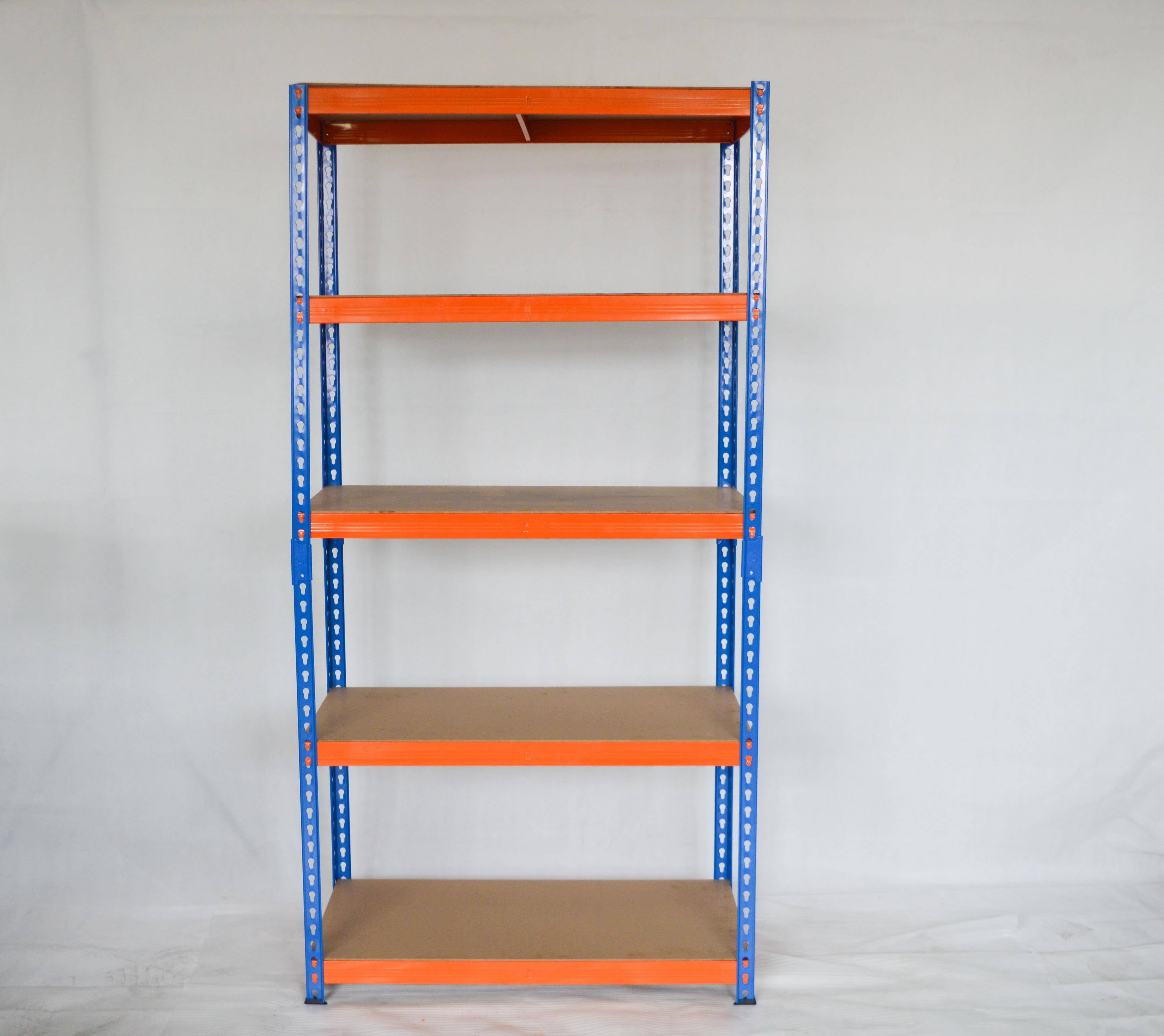
Sourcing the right kit for building work bench in garage requires careful evaluation of several critical factors that directly impact functionality, durability, and long-term satisfaction. Many garage owners approach workbench procurement with enthusiasm but overlook essential considerations that determine whether their investment will serve their needs effectively for years to come. Understanding what separates a well-designed workbench kit from a substandard option involves examining material quality, structural design, load capacity specifications, assembly complexity, and compatibility with your specific workspace requirements. This comprehensive analysis helps buyers make informed decisions that align with their budget constraints while ensuring they acquire a workbench system capable of withstanding the rigors of regular workshop use.
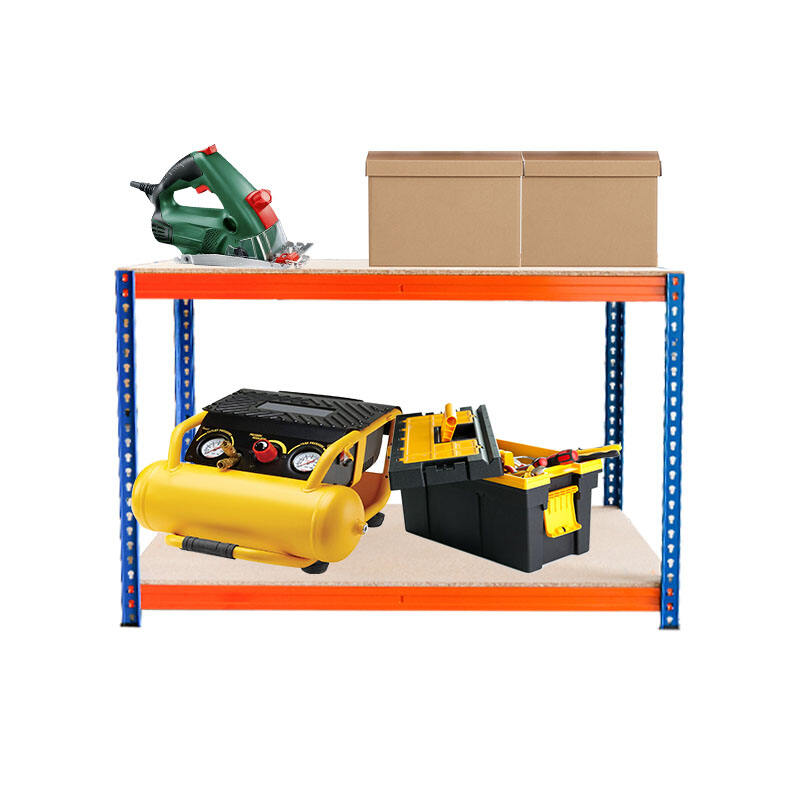
The decision-making process when sourcing workbench kits extends beyond simply comparing prices and dimensions. Professional fabricators, hobbyist woodworkers, automotive enthusiasts, and home maintenance practitioners all require different features from their garage workbenches, yet certain universal quality indicators apply across all use cases. From frame construction materials and surface composition to adjustability features and storage integration options, each component contributes to the overall performance profile of the finished workbench. This guide examines the essential considerations that should inform your sourcing strategy, helping you identify kits that offer genuine value rather than superficial appeal, ensuring your investment in building work bench in garage delivers practical functionality matched to your specific operational requirements.
Material Quality and Construction Standards
Frame Material Selection and Structural Integrity
The foundation of any durable workbench kit lies in its frame construction, with steel being the predominant choice for garage applications requiring substantial load-bearing capacity. When evaluating kits for building work bench in garage, examine the gauge thickness of steel components, as this directly correlates with structural strength and longevity. Heavy-duty workbenches typically utilize steel tubing or angle iron ranging from 14-gauge to 12-gauge thickness, providing the rigidity necessary to support concentrated loads without flexing or sagging over time. Thinner gauge materials may initially appear adequate but often develop structural weaknesses under sustained use, particularly when supporting heavy equipment, vises, or anvils that generate localized stress concentrations.
Beyond gauge thickness, investigate the welding quality and joint construction methods employed in the frame assembly. Premium workbench kits feature continuous weld beads at all critical joints rather than spot welds, distributing stress more evenly across connection points and minimizing failure risk. The frame geometry itself matters considerably, with diagonal bracing and cross-member reinforcement substantially increasing resistance to lateral movement and torsional forces. When building work bench in garage spaces that experience temperature fluctuations, steel frames with powder-coated finishes provide superior corrosion resistance compared to painted surfaces, maintaining structural integrity even in humid environments where moisture condensation occurs regularly.
Work Surface Materials and Performance Characteristics
The work surface represents the primary interface for all tasks performed on your workbench, making material selection a critical consideration when sourcing kits. Common options include particle board, plywood, hardwood, medium-density fiberboard, and steel plate, each offering distinct advantages for specific applications. Particle board surfaces with melamine or laminate coatings provide adequate performance for light assembly work and general projects but lack the impact resistance required for metalworking or heavy fabrication tasks. Plywood work surfaces deliver superior strength-to-weight ratios and better screw-holding capacity, making them preferable for applications involving frequent tool mounting or fixture attachment.
For demanding applications when building work bench in garage workshops dedicated to automotive repair, welding, or metal fabrication, steel work surfaces offer unmatched durability and heat resistance. However, steel surfaces typically cost significantly more than wood alternatives and add considerable weight to the overall assembly. Some premium kits incorporate composite work surfaces combining wood substrates with steel edge banding or corner protection, balancing cost considerations with enhanced durability at high-wear zones. Evaluate surface thickness specifications carefully, as work surfaces under three-quarters of an inch often lack the rigidity necessary to prevent deflection under concentrated loads, compromising precision in detailed work and creating an unsatisfactory user experience over time.
Finish Quality and Protective Coatings
Surface finish quality extends beyond aesthetics, directly impacting maintenance requirements and operational lifespan when building work bench in garage environments. Powder-coated finishes on metal components provide superior durability compared to conventional paint, creating a chemically bonded surface layer resistant to chipping, scratching, and chemical exposure. This protection proves particularly valuable in garage settings where solvents, oils, and cleaning agents regularly contact work surfaces. Examine finish consistency across all components, as uneven coating thickness or missed areas indicate quality control deficiencies that may compromise long-term corrosion resistance.
Wood work surfaces benefit from factory-applied protective treatments that seal the material against moisture absorption and oil penetration. Untreated wood surfaces require immediate sealing after assembly to prevent staining, swelling, and gradual deterioration from repeated exposure to workshop contaminants. Some manufacturers apply polyurethane or epoxy coatings to work surfaces during production, providing ready-to-use protection that eliminates this post-assembly step. When evaluating finish specifications for building work bench in garage applications, prioritize kits offering comprehensive protective treatments across all exposed surfaces rather than those requiring extensive finishing work after assembly, as this additional labor represents hidden costs that affect overall project value.
Load Capacity and Weight Distribution Specifications
Static Load Ratings and Real-World Performance
Manufacturers typically advertise maximum load capacity for workbench kits, but understanding how these ratings translate to practical use scenarios requires careful interpretation. Static load capacity refers to the maximum weight a workbench can support when distributed evenly across the entire work surface under ideal conditions. However, actual garage applications when building work bench in garage rarely involve perfectly distributed loads. Tool storage, mounted equipment, and project materials create concentrated weight zones that generate higher localized stress than uniform distribution scenarios. A workbench rated for 1000 pounds of evenly distributed weight might experience structural distress when that same weight concentrates in a two-foot section, particularly if the frame lacks adequate cross-bracing.
Evaluate load capacity claims critically by examining the underlying structural design features that enable the advertised performance. Workbenches achieving high load ratings through robust engineering feature closely-spaced leg assemblies, reinforced corners, and substantial cross-member support rather than relying solely on material thickness. When sourcing kits for building work bench in garage workshops, calculate your anticipated load requirements by inventorying the tools, equipment, and materials you regularly work with, then select a workbench kit rated for at least 150 percent of your calculated maximum load. This safety margin accommodates temporary overload conditions and provides confidence that the structure will maintain stability throughout its service life without developing concerning flex or movement during use.
Dynamic Load Considerations and Impact Resistance
Beyond static weight support, workbenches in active garage workshops endure dynamic loads from hammering, pressing, cutting, and other operations that generate impact forces and vibration. These dynamic forces create stress cycles that can fatigue structural components over time, particularly at welded joints and fastener locations. Premium kits for building work bench in garage incorporate design features that dampen vibration and absorb impact energy, such as reinforced leg-to-frame connections, gusseted corner assemblies, and isolation mounts that reduce force transmission to surrounding structures. Workbenches lacking these engineering refinements may perform adequately initially but develop looseness at connection points as fasteners gradually work free from repeated impact exposure.
The work surface material itself plays a crucial role in impact resistance, with different materials exhibiting vastly different performance characteristics under shock loading. Hardwood surfaces absorb impact energy effectively while maintaining structural integrity, whereas particle board and MDF tend to compress and degrade at impact sites over time. Steel work surfaces offer superior impact resistance but transmit force directly to the frame structure and produce jarring rebound that can prove uncomfortable during extended hammering operations. When building work bench in garage spaces used for diverse applications, consider kits offering replaceable work surface options, allowing you to adapt the bench characteristics to evolving needs without replacing the entire frame structure.
Adjustable Height Features and Ergonomic Considerations
Workbench height significantly affects user comfort and task efficiency, yet fixed-height designs dominate the market despite ergonomic research demonstrating the benefits of adjustable work surfaces. When sourcing kits for building work bench in garage applications, evaluate whether height adjustment capabilities justify the additional cost for your specific use patterns. Adjustable-height workbenches accommodate multiple users of different statures, adapt to various task requirements, and enable proper ergonomic positioning that reduces fatigue during extended work sessions. However, adjustment mechanisms introduce additional complexity, potential maintenance requirements, and often compromise maximum load capacity compared to fixed-height equivalents.
For users committed to fixed-height designs when building work bench in garage workshops, selecting the optimal height requires careful consideration of primary use cases. Standard workbench height recommendations range from 34 to 38 inches depending on user height and task types, with precision assembly work generally benefiting from taller surfaces that minimize stooping, while heavy material handling often proves easier at lower heights that reduce lifting requirements. Some kit manufacturers offer leg extension options or adjustable leveling feet that provide several inches of height variation without full adjustment mechanisms, delivering a practical compromise between fixed and fully adjustable designs that accommodates minor customization while maintaining structural simplicity and maximum load capacity.
Assembly Requirements and Installation Complexity
Component Preassembly and Fabrication Requirements
The degree of preassembly provided with workbench kits varies dramatically across manufacturers, directly impacting the time investment and skill level required for successful installation. Fully knocked-down kits arrive as individual frame members, fasteners, and surface panels requiring complete assembly from basic components, while partially preassembled options may include welded frame sections or precut work surfaces needing only final connection. When evaluating kits for building work bench in garage projects, honestly assess your available tools, mechanical aptitude, and time constraints against the assembly complexity indicated in product specifications and customer reviews.
Premium workbench kits typically feature precision-drilled mounting holes, matched component sets with clear identification marking, and comprehensive hardware packages that eliminate guesswork during assembly. Lower-quality offerings may provide inadequate instructions, mismatched hole patterns requiring field drilling, or insufficient fastener quantities that necessitate additional purchases mid-project. The quality of included fasteners deserves particular attention when building work bench in garage environments, as cheap bolts with inadequate thread engagement or low-grade steel composition compromise structural integrity regardless of frame quality. Kits utilizing grade 5 or grade 8 bolts at critical connections demonstrate manufacturer commitment to long-term performance, while those supplying generic hardware of unspecified grade may require fastener upgrades to achieve reliable assembly.
Tool Requirements and Special Equipment Needs
Examine the tool requirements specified for workbench kit assembly before purchasing, as some designs necessitate specialized equipment that casual DIY enthusiasts may not possess. Most building work bench in garage kits require only common hand tools including wrenches, screwdrivers, and mallets for successful assembly, but certain designs may demand pneumatic tools, torque wrenches, or specialized socket sets for proper installation. Kits featuring bolted connections throughout typically prove more accessible to average users than those incorporating threaded inserts, press-fit components, or welded reinforcements that require fabrication capabilities beyond basic mechanical assembly skills.
The assembly location itself warrants consideration when sourcing workbench kits, as some designs prove impractical to assemble in confined spaces or require positioning the completed unit before final tightening. Modular designs that permit section-by-section assembly offer advantages when building work bench in garage spaces with limited maneuvering room or difficult access through doorways. Conversely, some heavy-duty workbenches achieve superior rigidity through integrated frame designs that must be assembled as complete units, potentially creating installation challenges in garages with spatial constraints or obstacles that complicate moving large assembled structures into final position. Review dimensional specifications carefully, including both the footprint of the completed workbench and the clearance required during assembly processes to avoid discovering spatial incompatibility after purchase.
Instruction Quality and Technical Support Availability
Comprehensive assembly instructions distinguish professional-grade workbench kits from budget alternatives, directly affecting installation success rates and user satisfaction. Premium manufacturers provide detailed illustrated guides with step-by-step procedures, exploded-view diagrams identifying component relationships, and troubleshooting sections addressing common assembly challenges. When evaluating kits for building work bench in garage projects, seek products with documented instruction quality through customer reviews, as poor documentation creates frustration and increases likelihood of assembly errors that compromise structural performance.
The availability of manufacturer technical support provides valuable insurance against assembly complications, particularly for users tackling their first workbench installation. Companies offering phone support, online chat assistance, or video resources demonstrate commitment to customer success beyond simply shipping products. Some manufacturers maintain dedicated support teams familiar with their workbench product lines, capable of providing specific guidance when building work bench in garage configurations that deviate from standard assembly procedures. This support infrastructure proves particularly valuable when dealing with component damage during shipping, missing hardware, or installation questions not adequately addressed in printed documentation, potentially saving hours of frustration and ensuring proper assembly that maximizes workbench performance and longevity.
Storage Integration and Accessory Compatibility
Built-In Storage Options and Organizational Features
Integrated storage capabilities dramatically enhance workbench functionality by positioning frequently used tools and materials within immediate reach, eliminating time-consuming searches and improving workflow efficiency. When sourcing kits for building work bench in garage workshops, evaluate whether included storage features align with your organizational needs and working style. Common integrated storage options include lower shelves for bulk material storage, pegboard backing panels for hanging hand tools, drawer units for small parts organization, and cabinet enclosures for securing valuable tools or hazardous materials away from unauthorized access.
The quality and capacity of included storage components varies substantially across workbench kits, with some offering robust drawer slides rated for heavy loads while others provide minimal shelving that adds little practical value. Drawer construction deserves particular scrutiny when building work bench in garage environments, as flimsy drawer boxes with cheap slides quickly develop operational problems under regular use. Premium workbench kits feature drawers with dovetail or welded construction, full-extension ball-bearing slides, and adequate depth to accommodate common tool sizes without stacking items precariously. Lower shelf weight ratings should align with your intended use, as inadequate capacity limits practical utility regardless of how much space the shelves provide.
Modular Expansion Capabilities and Future Customization
Workbench requirements often evolve as skills develop and project scope expands, making future customization potential a valuable consideration when selecting kits. Designs incorporating standardized mounting systems, modular component compatibility, and expansion provisions enable users to enhance functionality over time without replacing the entire workbench structure. When evaluating options for building work bench in garage workshops, investigate whether manufacturers offer compatible accessories including additional drawer units, tool holders, lighting systems, power distribution strips, and specialized work surface inserts that expand capability without requiring custom fabrication.
Some workbench systems feature proprietary mounting standards that lock users into specific manufacturer ecosystems, while others utilize universal mounting patterns compatible with third-party accessories from multiple suppliers. This distinction affects long-term flexibility and total cost of ownership when building work bench in garage configurations requiring specialized capabilities. Workbenches with abundant mounting holes, threaded inserts, or slotted rails provide maximum adaptation potential, allowing users to attach custom fixtures, jigs, and tooling as needs evolve. Consider whether the frame design accommodates adding casters for mobility, attaching power tool stands, or mounting heavy equipment without compromising structural stability or requiring modifications that void manufacturer warranties.
Electrical Integration and Power Distribution Options
Modern garage workshops increasingly depend on electrical power for tools, lighting, and device charging, making integrated electrical features a practical consideration when sourcing workbench kits. Some advanced designs incorporate factory-installed power strips, USB charging ports, and task lighting systems that eliminate the need for separate installations and reduce cord clutter across work surfaces. When building work bench in garage spaces lacking convenient electrical access, kits with integrated power distribution may justify premium pricing through enhanced convenience and professional appearance compared to aftermarket solutions.
However, electrical integration introduces additional complexity and potential maintenance requirements that warrant careful evaluation. Factory-installed electrical components must meet relevant safety standards and provide adequate capacity for anticipated loads without creating fire hazards or nuisance circuit breaker trips. When building work bench in garage workshops with demanding power requirements, verify that integrated electrical systems include proper overcurrent protection, adequate wire gauge for anticipated loads, and convenient access for future repairs or upgrades. For users comfortable with basic electrical work, workbenches featuring conduit routing channels and designated mounting locations for user-installed power systems may offer superior flexibility compared to fixed factory installations while maintaining clean cable management and professional aesthetics.
Cost Analysis and Value Assessment Methodology
Initial Purchase Price Versus Long-Term Ownership Costs
The advertised price of workbench kits represents only one component of true ownership cost, with assembly time, required accessories, maintenance needs, and replacement frequency all contributing to total investment over the product lifecycle. When evaluating options for building work bench in garage projects, develop a comprehensive cost model that accounts for these factors rather than selecting solely based on initial purchase price. A seemingly expensive premium kit may deliver superior value if it eliminates the need for work surface replacements, provides integrated features that would otherwise require separate purchases, and maintains structural integrity for decades rather than requiring replacement after several years of moderate use.
Calculate the effective hourly cost of workbench ownership by dividing total lifecycle expenses by anticipated years of service, providing a more accurate value comparison than purchase price alone. Budget workbench kits priced attractively may require extensive assembly time, generate frustration through poor instruction quality, and necessitate premature replacement due to structural degradation or inadequate performance. When building work bench in garage workshops representing significant time and financial investment, allocating additional budget toward a well-engineered workbench system often proves economically rational, as the improved functionality and extended service life deliver compounding returns through enhanced productivity and elimination of replacement costs that plague cheaper alternatives.
Feature Prioritization Based on Usage Patterns
Effective workbench sourcing requires honest assessment of actual usage patterns rather than aspirational visions of future workshop activities. Casual hobbyists performing occasional light assembly work derive minimal benefit from heavy-duty industrial workbenches engineered for continuous professional use, while serious craftsmen and automotive enthusiasts quickly outgrow workbenches lacking adequate capacity and durability. When selecting kits for building work bench in garage spaces, prioritize features directly supporting your primary activities while remaining skeptical of expensive capabilities you realistically will never utilize.
Create a weighted scoring system evaluating candidate workbench kits against your specific requirements, assigning higher importance to features directly impacting your dominant use cases. For woodworkers requiring extensive tool storage and frequently clamping workpieces, integrated drawer systems and robust work surface thickness deserve priority over height adjustability or extreme load capacity. Automotive enthusiasts working with heavy components benefit most from maximum load ratings and steel work surfaces, while electronics hobbyists emphasize static dissipation features and ample lighting. This structured evaluation methodology prevents impulse purchases based on impressive specifications that fail to deliver practical value for your actual working style when building work bench in garage configurations optimized for specific applications.
Warranty Coverage and Manufacturer Reputation Considerations
Warranty terms provide insight into manufacturer confidence regarding product durability and quality, with comprehensive coverage suggesting engineering commitment while limited warranties may indicate awareness of potential failure modes. When sourcing kits for building work bench in garage projects, examine warranty scope carefully, distinguishing between coverage periods for structural components versus consumable elements like work surfaces or drawer slides. Premium manufacturers often provide lifetime warranties on welded frame assemblies while specifying shorter coverage for wear items, reflecting realistic assessment of component longevity under normal use conditions.
Beyond formal warranty terms, investigate manufacturer reputation through customer reviews, industry forums, and professional recommendations to assess real-world product performance and company responsiveness to defects or failures. Established manufacturers with documented track records of honoring warranty claims and providing replacement components merit preference over unknown brands offering impressive specifications but uncertain long-term support. When building work bench in garage workshops representing substantial investment, the assurance of manufacturer backing proves valuable even if warranty claims never become necessary, providing confidence that component failures or premature degradation will receive appropriate remediation rather than leaving you with an expensive non-functional structure and no recourse for recovery.
FAQ
What minimum load capacity should I target when sourcing a workbench kit for automotive repair work in my garage?
For automotive repair applications when building work bench in garage workshops, target workbench kits rated for at least 1500 pounds of evenly distributed load, with preference for 2000-pound capacity if you regularly work with heavy components like engines, transmissions, or differential assemblies. Automotive work generates substantial concentrated loads when positioning heavy parts for disassembly or cleaning, and the additional capacity margin ensures the workbench remains stable without concerning flex even when temporarily overloaded. Verify that the load rating refers to static capacity rather than dynamic rating, and examine frame construction to confirm adequate cross-bracing and reinforcement supports the advertised capacity rather than relying solely on material thickness.
How important is work surface material selection compared to frame quality when choosing a workbench kit?
Both frame quality and work surface material critically affect workbench performance, but frame construction represents the foundation that determines structural longevity while work surfaces can be replaced or upgraded more easily over time. When building work bench in garage spaces, prioritize kits with robust steel frames featuring adequate gauge thickness, quality welding, and proper reinforcement, as frame deficiencies cannot be economically remedied after purchase. Work surface selection should align with your primary applications, but recognize that wood surfaces can be replaced with upgraded materials as needs evolve, while inadequate frame construction creates permanent limitations. For most general-purpose garage applications, a heavy-duty frame with standard plywood or hardwood work surface delivers better long-term value than a lighter frame with premium work surface material.
Are fully assembled workbenches worth the premium price compared to kit versions requiring assembly?
Fully assembled workbenches eliminate installation time and ensure professional assembly quality, but the substantial shipping costs and delivery complexity typically make them impractical for most garage applications when building work bench in garage workshops. Kit versions requiring assembly generally offer superior value for budget-conscious buyers willing to invest several hours in installation, particularly when selecting products with clear instructions and quality hardware. However, for users lacking mechanical aptitude, appropriate tools, or assistance for handling heavy components, the premium for assembled units may prove justified by avoiding assembly frustration and ensuring proper construction. Consider that many workbench kits offer partial preassembly with welded frame sections requiring only final connection, delivering most assembly time savings without the extreme shipping costs associated with fully assembled units.
What frame dimensions work best for typical two-car garage spaces while maintaining adequate work surface area?
For standard two-car garages when building work bench in garage along a side wall, workbench kits measuring 72 inches in length and 24 inches in depth provide excellent balance between usable work surface and space efficiency, allowing comfortable positioning without significantly reducing vehicle parking clearance. This configuration accommodates most project types while leaving adequate aisle width for material handling and tool cart movement. Users with more generous space or specific needs may consider 96-inch lengths for expanded capacity, though lengths exceeding eight feet often create installation challenges and limit future reconfiguration flexibility. Depth specifications beyond 30 inches rarely prove practical in garage settings as they create uncomfortable reach distances to wall-mounted storage and reduce effective floor space more than the additional work surface justifies for typical applications.
Table of Contents
- Material Quality and Construction Standards
- Load Capacity and Weight Distribution Specifications
- Assembly Requirements and Installation Complexity
- Storage Integration and Accessory Compatibility
- Cost Analysis and Value Assessment Methodology
-
FAQ
- What minimum load capacity should I target when sourcing a workbench kit for automotive repair work in my garage?
- How important is work surface material selection compared to frame quality when choosing a workbench kit?
- Are fully assembled workbenches worth the premium price compared to kit versions requiring assembly?
- What frame dimensions work best for typical two-car garage spaces while maintaining adequate work surface area?

