 EN
EN


Selecting the right platform hand trolley for industrial, warehouse, or commercial applications requires careful attention to technical specifications that directly impact performance, durability, and operational safety. For procurement professionals and facility managers, understanding which specifications truly matter can mean the difference between a reliable material handling solution and costly downtime. Heavy-duty platform hand trolleys must withstand demanding environments while maintaining efficiency across diverse load types and work conditions. The specifications you prioritize during sourcing determine not only immediate functionality but also long-term return on investment through reduced maintenance costs and extended service life.
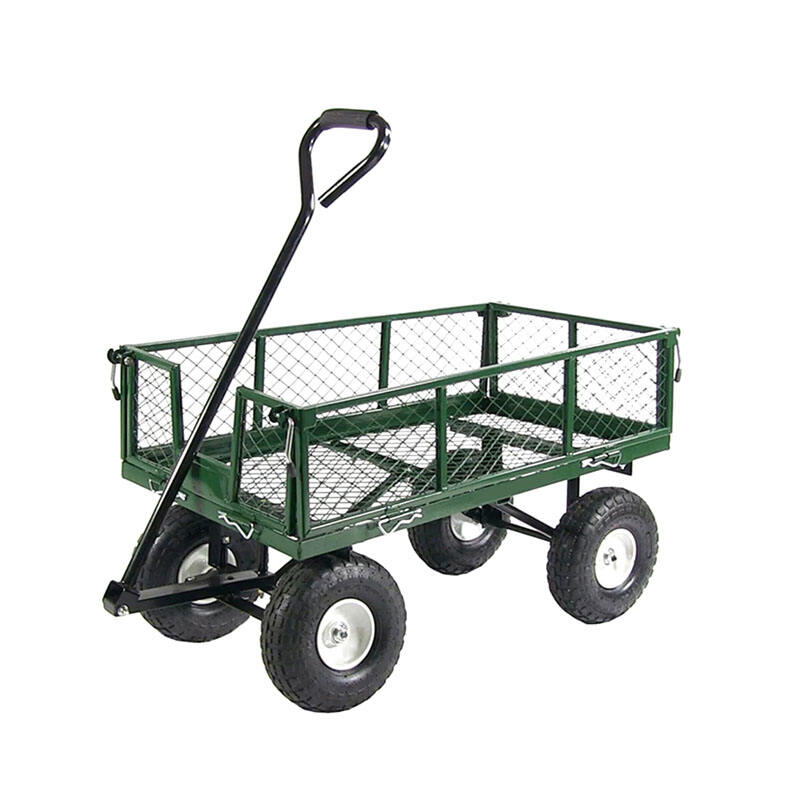
When evaluating specifications for a platform hand trolley, buyers must consider structural load ratings, platform dimensions, wheel configurations, material composition, and ergonomic design elements that align with their operational requirements. These technical parameters are not arbitrary features but engineered responses to real-world material handling challenges. This comprehensive guide examines the critical specifications that define heavy-duty performance, helping you make informed sourcing decisions based on measurable criteria rather than marketing claims. From load capacity thresholds to frame construction methods, each specification contributes to the trolley's ability to perform reliably under your specific operational conditions.
Load Capacity and Structural Strength Specifications
Understanding Static Versus Dynamic Load Ratings
The load capacity of a platform hand trolley represents the maximum weight it can safely transport, but this specification requires careful interpretation. Static load capacity refers to the weight the trolley can hold when stationary, while dynamic load capacity indicates the safe working load during movement. Heavy-duty models typically feature dynamic load capacities ranging from 300 kg to 500 kg, with premium industrial variants capable of handling 600 kg or more. The gap between static and dynamic ratings reflects stress factors introduced during acceleration, turning, and uneven surface navigation. When sourcing a platform hand trolley for demanding applications, always reference the dynamic load rating as your primary specification, ensuring it exceeds your typical load requirements by at least fifteen to twenty percent to account for occasional overloading and long-term structural fatigue.
Frame Construction Materials and Welding Standards
The structural integrity of a heavy-duty platform hand trolley depends fundamentally on frame material selection and fabrication quality. Industrial-grade trolleys utilize steel tubing with wall thicknesses between 1.2 mm and 2.0 mm, with higher-gauge steel providing superior load distribution and impact resistance. Welding quality at stress points—particularly where the handle assembly connects to the platform frame and where wheel mounts attach—determines long-term durability. Continuous TIG or MIG welding at these critical junctions offers significantly better fatigue resistance than spot welding. Some manufacturers specify frame materials by grade, with Q235 or equivalent mild steel representing the baseline for heavy-duty applications, while premium models may incorporate reinforced crossbars or gusset plates at high-stress areas. When reviewing specifications, verify that the platform hand trolley includes reinforcement at the front edge where loads transfer weight during movement, as this area experiences the highest cyclical stress.
Platform Surface Specifications and Load Distribution
Platform design specifications directly affect how effectively a platform hand trolley distributes weight and prevents load shifting during transport. Platform thickness typically ranges from 0.8 mm to 1.5 mm for steel mesh or solid steel construction, with mesh designs offering better drainage and reduced overall weight while maintaining structural integrity. Platform dimensions commonly span 600 mm to 900 mm in length and 450 mm to 600 mm in width, with these measurements determining the footprint available for load placement. Larger platforms provide better stability for bulky items but reduce maneuverability in confined spaces. The platform surface treatment—whether galvanized, powder-coated, or rubber-covered—affects both grip characteristics and corrosion resistance. For heavy-duty applications involving irregular loads or outdoor use, specify a platform hand trolley with reinforced corner construction and raised edges or fold-up panels that prevent load migration, particularly during incline navigation or sudden stops.
Wheel and Caster Specifications for Performance
Wheel Diameter and Material Composition
Wheel specifications fundamentally determine how smoothly a platform hand trolley operates across different floor surfaces and how effectively it manages loaded weight. Wheel diameter typically ranges from 100 mm to 200 mm, with larger diameters providing easier obstacle clearance and reduced rolling resistance on uneven surfaces. Heavy-duty models generally employ wheels in the 125 mm to 150 mm range as an optimal balance between maneuverability and load-bearing capacity. Wheel material selection varies based on floor type and operational environment: polyurethane wheels offer excellent floor protection and quiet operation on smooth concrete, while rubber wheels provide superior shock absorption for outdoor or rough surface applications. Nylon or phenolic wheels deliver maximum load capacity and chemical resistance but generate more noise and may damage sensitive flooring. When specifying a platform hand trolley for multi-surface use, prioritize dual-durometer polyurethane wheels with hardness ratings between 85A and 95A Shore, which maintain floor compatibility while supporting heavy loads.
Bearing Type and Load Distribution Configuration
The bearing system within each wheel assembly determines rolling efficiency and long-term performance under continuous use. Precision ball bearings offer significantly lower rolling resistance compared to sleeve bearings, reducing operator fatigue during extended transport tasks. Heavy-duty platform hand trolley specifications should identify bearing types explicitly, with sealed or shielded ball bearings providing optimal protection against dust and moisture infiltration. The wheel configuration—whether four fixed wheels, two fixed and two swivel, or four swivel—dramatically affects maneuverability and directional stability. For heavy-duty applications, a two-fixed, two-swivel arrangement provides the best compromise, with fixed wheels at the load end ensuring straight-line stability and swivel wheels at the handle end enabling tight turning radius. Some advanced models incorporate central locking mechanisms that immobilize swivel wheels for enhanced stability during loading operations or when positioning the trolley on inclines.
Wheel Mount Strength and Replacement Accessibility
Wheel mounting specifications often receive insufficient attention during sourcing but significantly impact maintenance costs and operational uptime. Heavy-duty applications require wheel mounts fabricated from reinforced steel plate with minimum thickness of 4 mm, welded or bolted to the platform frame at multiple points to distribute impact loads. The mounting configuration should facilitate wheel replacement without specialized tools, typically achieved through bolt-on assemblies with standard fastener sizes. Verify that the platform hand trolley specifications include accessible wheel mounting points that don't require disassembly of the entire frame structure for routine wheel changes. Some industrial models incorporate quick-release wheel assemblies that enable field replacement in minutes rather than requiring workshop service. When sourcing for high-utilization environments, specify trolleys with wheel assemblies that include grease fittings or sealed-for-life bearings to minimize maintenance intervention while maximizing bearing longevity under continuous load cycling.
Handle Design and Ergonomic Specifications
Handle Height Adjustability and Grip Configuration
Handle specifications significantly influence operator comfort and control efficiency during platform hand trolley operation. Fixed-height handles typically position at 900 mm to 1000 mm from the platform surface, suitable for average operator heights but potentially causing ergonomic strain for taller or shorter users during extended shifts. Adjustable-height handles that telescope or position at multiple preset heights accommodate diverse operator anthropometrics, reducing musculoskeletal stress and improving pushing efficiency. Handle diameter specifications matter for grip comfort, with tubular handles between 28 mm and 35 mm outer diameter providing optimal palm contact without requiring excessive grip force. For heavy-duty applications involving sustained pushing over long distances, specify handles with cushioned grips or ergonomic contours that distribute pressure across the palm and reduce localized fatigue. The handle attachment method to the main frame determines structural stability during turning maneuvers, with through-bolted or continuously welded connections offering superior strength compared to surface-mounted brackets.
Handle Position and Force Application Geometry
The geometric relationship between handle position and platform center of gravity affects pushing force requirements and directional control. A platform hand trolley with the handle mounted vertically above the rear wheel axis requires less initial force to overcome static friction compared to handles offset behind the wheel centerline. However, vertically aligned handles may reduce stability during loaded turns. Specifications should indicate handle rake angle—the backward lean from vertical—which typically ranges from 5 to 15 degrees. Moderate rake angles between 8 and 12 degrees optimize force application while maintaining adequate clearance between the operator's feet and the trolley base during tight maneuvering. For applications involving ramp navigation or frequent direction changes, verify that handle specifications include adequate clearance dimensions to prevent operator contact with the load during reverse pulling operations, typically requiring minimum 150 mm clearance between the handle grip and the nearest platform edge.
Foldable Handle Mechanisms and Storage Specifications
Space-constrained facilities often require platform hand trolley models with collapsible or folding handles to maximize storage density when units are not in use. Folding mechanisms typically employ spring-loaded pins or cam-lock systems that secure the handle in both deployed and folded positions. When evaluating foldable specifications, verify the locking mechanism's reliability under vibration and impact conditions, as inadvertent handle collapse during loaded operation presents serious safety risks. The folded height specification determines vertical stacking capability, with compact designs achieving folded profiles under 300 mm to enable multi-unit vertical storage. Industrial-grade folding mechanisms should withstand minimum 10,000 fold cycles without mechanical degradation, though this durability specification rarely appears in standard product literature. For environments requiring frequent handle position changes, prioritize single-handed operation mechanisms that don't require the operator to support the trolley weight while manipulating release levers or pins.
Surface Treatment and Environmental Protection Specifications
Corrosion Resistance Coatings and Finish Options
Surface treatment specifications determine how effectively a platform hand trolley resists environmental degradation in challenging operational conditions. Galvanization provides robust corrosion protection through zinc coating, with hot-dip galvanizing offering superior coverage compared to electro-galvanizing, particularly at welded joints and cut edges. Powder coating delivers excellent aesthetic finish and moderate corrosion resistance, with coating thickness specifications between 60 and 100 microns providing adequate protection for indoor applications. For outdoor use or exposure to chemicals and moisture, specify trolleys with multi-stage surface preparation including phosphate conversion coating followed by epoxy-polyester powder coating systems that achieve minimum salt spray resistance of 500 hours per ASTM B117 testing protocols. Stainless steel construction eliminates corrosion concerns entirely but significantly increases procurement costs, making it economically justifiable only for food processing, pharmaceutical, or marine applications where contamination risks or extreme corrosion exposure warrant the investment.
Impact Resistance and Wear Surface Specifications
Heavy-duty platform hand trolley applications inevitably involve impacts from loading equipment, collisions with doorframes, and abrasion from transported materials. Frame corner protection specifications should include impact-resistant bumpers or reinforced corner caps that prevent paint chipping and frame deformation during routine handling incidents. Platform surface treatments must balance corrosion protection with wear resistance, as frequent sliding of metal containers or pallets can abrade even high-quality powder coatings. Some industrial models incorporate replaceable wear strips along platform edges or specify platform surfaces with textured finishes that resist scratching while maintaining grip characteristics. For environments involving corrosive chemicals or cleaning agents, verify chemical resistance specifications for both the base material and protective coating, ensuring compatibility with substances the trolley will encounter. Specifications should explicitly state whether the coating system meets food-grade standards if the platform hand trolley will be used in food manufacturing or pharmaceutical facilities where contamination control is critical.
Temperature Range and Outdoor Exposure Ratings
Operating environment specifications often receive inadequate attention until performance issues emerge under extreme conditions. Standard platform hand trolley designs typically function reliably between -10°C and 40°C, but applications in cold storage facilities or outdoor industrial sites require enhanced specifications. Low-temperature specifications should address wheel material performance, as standard polyurethane compounds become brittle below -15°C, potentially leading to wheel fracture under impact. Cold-resistant formulations maintain flexibility to -30°C or lower. High-temperature environments affect bearing lubrication, with standard greases breaking down above 60°C. For outdoor exposure, UV resistance specifications prevent polymer component degradation, particularly critical for wheel materials and cushioned grips. When sourcing a platform hand trolley for extreme environment applications, request specific temperature rating documentation rather than relying on general-purpose claims, and verify that wheel bearings incorporate high-temperature lubricants or sealed designs that prevent contamination in dusty or wet conditions common to outdoor industrial operations.
Safety Features and Compliance Specifications
Brake Systems and Load Retention Mechanisms
Safety specifications transform a basic platform hand trolley into a controlled material handling system suitable for demanding industrial environments. Parking brake mechanisms typically employ foot-operated pedals that engage wheel locks, with heavy-duty specifications requiring brakes on minimum two wheels to prevent unintended movement on inclines. The brake engagement force should allow single-foot activation without excessive pressure while providing sufficient holding power to secure the trolley under full rated load on slopes up to 5 degrees. Some advanced models incorporate brake systems with visual indicators confirming engagement status, reducing the risk of operators assuming brake activation when wheels remain free. Load retention features such as fold-up side panels, removable front gates, or integrated tie-down points prevent cargo displacement during transport, particularly critical when navigating ramps or uneven surfaces. When specifying a platform hand trolley for applications involving valuable or hazardous materials, prioritize models with positive load retention systems rather than relying solely on operator vigilance.
Edge Protection and Operator Safety Features
Platform edge specifications affect both load security and operator safety during material handling operations. Raised edge lips of 30 mm to 50 mm height prevent small items from sliding off during movement while maintaining easy loading access. Rounded or rolled edge construction eliminates sharp corners that could cause operator injury during loading activities or damage transported goods. Handle end caps prevent hand injuries from exposed tube edges, with specifications requiring durable plastic or rubber caps that resist dislodgement during rough handling. Reflective striping or high-visibility color coding enhances operator awareness in busy warehouse environments, reducing collision risks. For platform hand trolley units deployed in mixed pedestrian and material handling areas, specify models with sufficient visual distinctiveness to alert personnel to the trolley's presence. Some safety-focused specifications include integrated tool holders or document pouches that prevent loose items from creating trip hazards when placed on the platform surface during transport operations.
Load Capacity Marking and Regulatory Compliance
Clear load capacity labeling represents both a safety specification and a regulatory requirement in many jurisdictions. The platform hand trolley should display permanent load rating information visible to operators without requiring them to tip or invert the unit. Compliance specifications vary by region but typically reference standards such as EN 1757-1 for manually operated industrial trucks or equivalent national standards. When sourcing for multinational operations, verify that specifications align with the most stringent applicable standard across all deployment locations. Some industrial facilities require material handling equipment to undergo periodic inspection and certification, making specifications that facilitate inspection access and record-keeping important procurement considerations. Documentation specifications should include operator manuals with explicit loading guidelines, maintenance schedules, and inspection criteria that support compliant operation throughout the equipment lifecycle. For regulated industries such as aerospace or pharmaceutical manufacturing, the platform hand trolley may require traceability documentation including material certificates and manufacturing quality records as part of comprehensive specifications.
FAQ
What is the ideal load capacity specification for general warehouse use?
For typical warehouse applications involving boxed goods, small equipment, and general materials, a platform hand trolley with a dynamic load capacity between 300 kg and 400 kg provides optimal versatility without excessive weight or cost. This capacity range accommodates most standard pallet loads when partially loaded and handles individual heavy items while maintaining manageable empty weight for operator maneuvering. If your operations regularly involve loads exceeding 350 kg or require transporting dense materials like metal stock or machinery components, specify models rated for 500 kg dynamic capacity with reinforced frame construction and larger diameter wheels to ensure adequate safety margins and extended service life under continuous heavy-duty use.
How do wheel specifications affect platform hand trolley performance on different floor types?
Wheel material and diameter specifications directly determine rolling resistance, floor protection, and maneuverability across various surfaces. For smooth concrete or epoxy-coated warehouse floors, polyurethane wheels between 100 mm and 125 mm diameter offer quiet operation, excellent floor protection, and low rolling resistance. Outdoor applications or rough concrete surfaces benefit from larger rubber wheels in the 125 mm to 150 mm range that better absorb surface irregularities and resist puncture damage. If your facility includes both smooth indoor areas and outdoor loading zones, specify dual-compound polyurethane wheels with harder tread surfaces and softer cores that balance durability with floor compatibility, or consider maintaining separate trolley fleets optimized for each environment to maximize performance and minimize floor maintenance costs.
Are folding handle specifications suitable for heavy-duty applications?
Folding handle mechanisms on platform hand trolley models can absolutely meet heavy-duty performance requirements when properly engineered with robust locking systems and reinforced mounting points. The critical specification is the locking mechanism's reliability under load and vibration, with industrial-grade spring pins or cam locks providing secure engagement that won't disengage accidentally during operation. Verify that folding models maintain the same load rating as fixed-handle equivalents and that the hinge assembly incorporates wear-resistant bushings or bearings to prevent looseness development over time. Folding handles offer significant storage density advantages in space-constrained facilities, but prioritize models from manufacturers who specify testing protocols confirming lock integrity through thousands of operational cycles rather than budget options where handle stability degrades rapidly under continuous heavy-load use.
What maintenance-related specifications should influence purchasing decisions?
Maintenance accessibility specifications significantly impact total cost of ownership for platform hand trolley fleets. Prioritize models with bolt-on wheel assemblies using standard fastener sizes that enable replacement without specialized tools or complete disassembly. Sealed bearing specifications eliminate routine lubrication requirements while maintaining performance, though grease-fitting equipped bearings allow extended service life in contaminated environments when properly maintained. Replaceable wear components such as corner bumpers, handle grips, and brake pads reduce long-term operating costs compared to designs requiring complete assembly replacement when individual components fail. Request spare parts availability information during sourcing, as models with readily accessible replacement wheels, bearings, and brake components minimize downtime compared to proprietary designs requiring extended lead times for maintenance parts procurement and specialized service procedures.
Table of Contents
- Load Capacity and Structural Strength Specifications
- Wheel and Caster Specifications for Performance
- Handle Design and Ergonomic Specifications
- Surface Treatment and Environmental Protection Specifications
- Safety Features and Compliance Specifications
-
FAQ
- What is the ideal load capacity specification for general warehouse use?
- How do wheel specifications affect platform hand trolley performance on different floor types?
- Are folding handle specifications suitable for heavy-duty applications?
- What maintenance-related specifications should influence purchasing decisions?

