 EN
EN

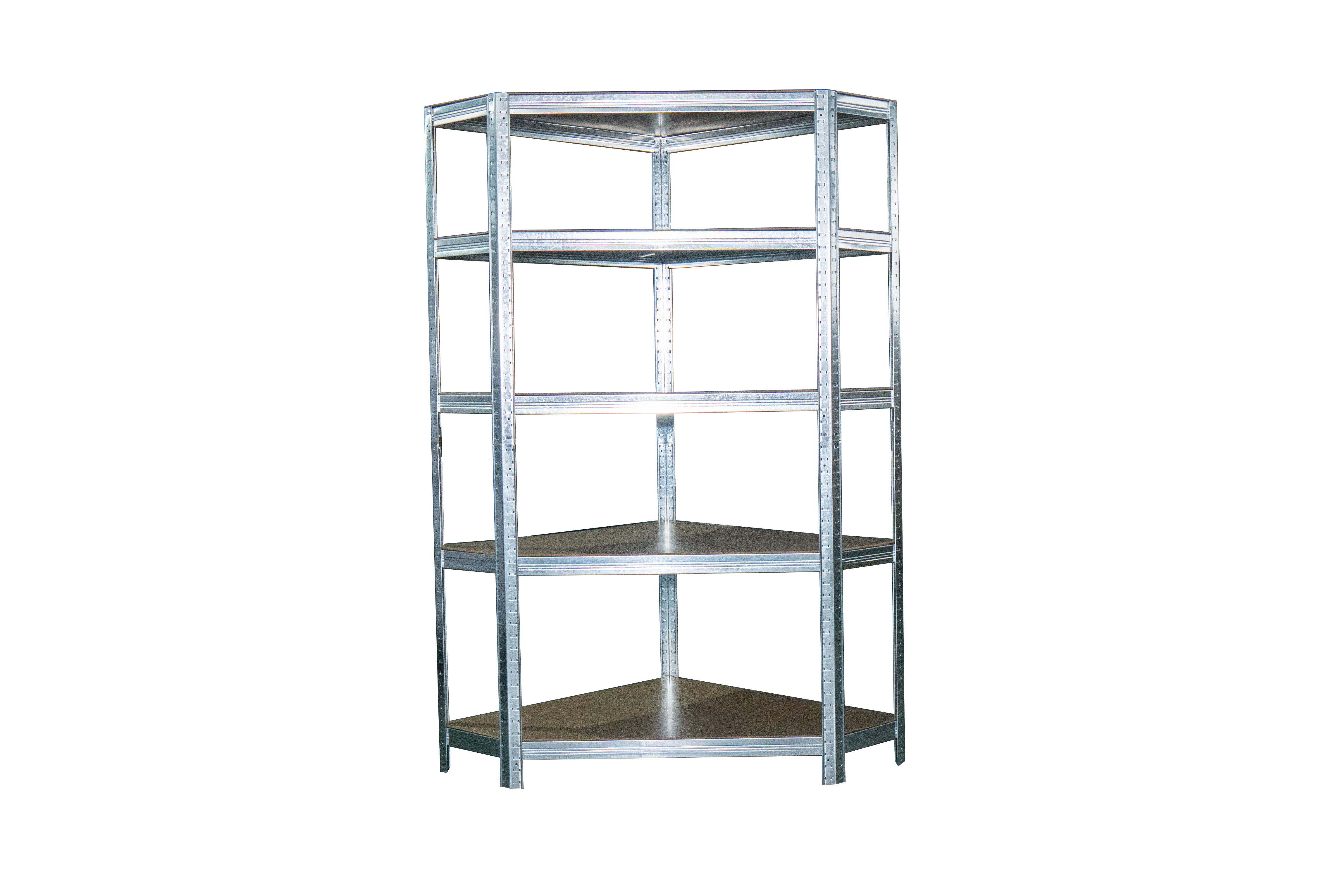
Commercial installations across diverse industries rely on robust storage solutions that deliver both durability and cost-effectiveness. When evaluating closetmaid garage shelving for commercial applications, facility managers must consider specific operational requirements, load capacities, and environmental conditions that distinguish commercial use from residential applications. Understanding which commercial installations successfully implement these shelving systems provides valuable insight for decision-makers seeking reliable storage infrastructure.
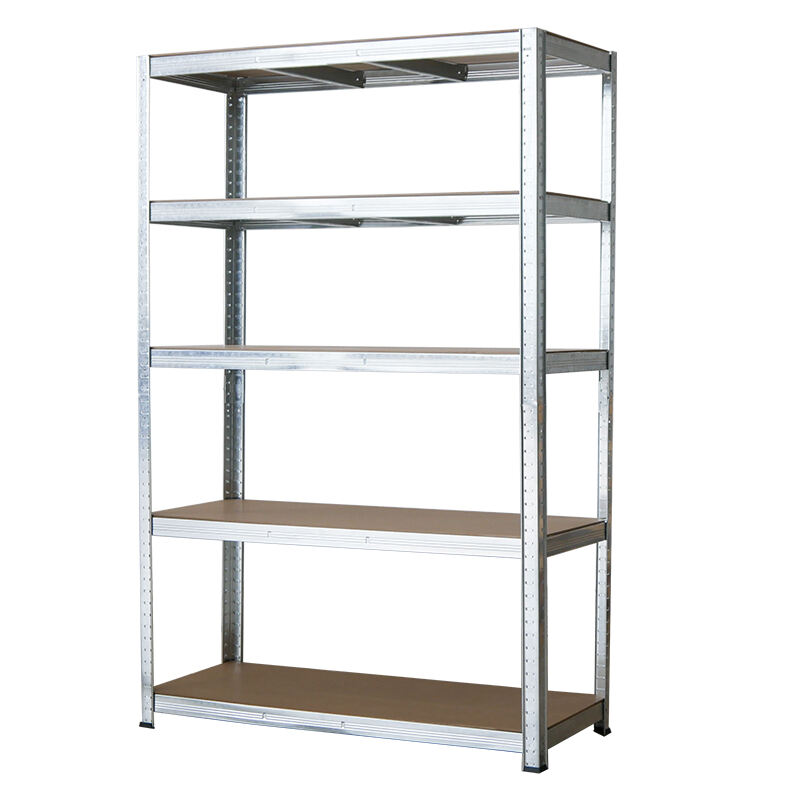
The selection of appropriate shelving systems for commercial environments involves analyzing traffic patterns, storage volume requirements, and long-term maintenance considerations. Commercial installations that utilize closetmaid garage shelving typically operate in environments where moderate to heavy-duty storage capacity is essential, yet budget constraints require practical solutions. These installations span multiple sectors, each with unique operational demands that influence shelving system selection and configuration.
Automotive Service Centers and Repair Facilities
Independent Auto Repair Shops
Independent automotive repair facilities represent one of the most common commercial applications for closetmaid garage shelving systems. These businesses require organized storage for automotive parts, tools, and supplies while maintaining easy access for technicians during repair operations. The shelving systems accommodate various component sizes, from small hardware items to larger replacement parts, providing the flexibility needed in dynamic repair environments.
Auto repair shops benefit from the adjustable shelf configurations that allow customization based on inventory changes and seasonal demands. The steel construction withstands the industrial environment while resisting corrosion from automotive fluids and chemicals commonly present in these facilities. Many shop owners choose closetmaid garage shelving because it offers professional appearance without the premium cost associated with specialized automotive storage systems.
Quick-Service Oil Change Centers
Quick-service oil change centers utilize closetmaid garage shelving for organizing motor oil containers, filters, and service supplies in their work areas. These facilities require rapid access to frequently used items while maintaining inventory visibility for staff efficiency. The open-frame design of the shelving allows quick visual inventory checks and supports the fast-paced service model these businesses operate.
The durability of closetmaid garage shelving proves essential in oil change environments where equipment movement and frequent access create demanding conditions. Installation teams configure these systems to accommodate bulk oil container storage while providing dedicated spaces for filter inventory and service documentation. The cost-effectiveness of these shelving solutions enables multi-location operators to standardize storage across their service centers.
Small Manufacturing and Assembly Operations
Light Manufacturing Facilities
Small to medium-sized manufacturing operations frequently implement closetmaid garage shelving for component storage and work-in-process inventory management. These facilities require organized storage that supports lean manufacturing principles while accommodating varying product mix requirements. The modular nature of the shelving systems allows manufacturers to reconfigure storage layouts as production demands change.
Manufacturing facilities appreciate the load-bearing capacity of closetmaid garage shelving for storing raw materials, finished goods, and production supplies. The shelving systems integrate effectively with existing facility infrastructure, providing cost-effective expansion of storage capacity without requiring major facility modifications. Quality control processes benefit from organized storage that maintains product segregation and traceability throughout production cycles.
Electronics Assembly Operations
Electronics assembly facilities use closetmaid garage shelving for organizing electronic components, circuit boards, and assembly materials in controlled environments. These operations require static-free storage solutions that protect sensitive components while maintaining easy access for assembly technicians. The metal construction provides grounding capabilities when properly configured with anti-static measures.
Assembly operations benefit from the adjustable shelf spacing that accommodates varying component packaging sizes and assembly kit configurations. The shelving systems support lean inventory practices by enabling visual management techniques and first-in-first-out inventory rotation. Facility managers choose these solutions for their reliability and cost-effectiveness in supporting precision assembly operations.
Warehouse and Distribution Centers
Regional Distribution Facilities
Regional distribution centers serving local markets implement closetmaid garage shelving for organizing small to medium-sized inventory items that require manual picking operations. These facilities need storage solutions that optimize space utilization while supporting efficient order fulfillment processes. The shelving systems accommodate diverse product categories within single installations.
Distribution operations value the quick assembly characteristics of closetmaid garage shelving when establishing new warehouse zones or reconfiguring existing layouts. The standardized components enable rapid deployment while maintaining structural integrity under continuous use conditions. Warehouse managers utilize these systems for creating dedicated storage areas for high-velocity items and special handling requirements.
E-commerce Fulfillment Centers
Small to medium-sized e-commerce fulfillment centers utilize closetmaid garage shelving for organizing diverse product inventories that require flexible storage configurations. These operations need adaptable storage that supports varying product sizes and changing inventory mix based on seasonal demand patterns. The shelving systems provide the modularity required for dynamic fulfillment environments.
Fulfillment operations benefit from the cost-effective scalability of closetmaid garage shelving when expanding storage capacity or establishing new product categories. The systems support efficient picking operations while maintaining inventory organization standards required for accurate order processing. Installation flexibility enables these businesses to optimize warehouse layouts based on operational efficiency requirements.
Professional Services and Office Environments
Document Storage and Records Management
Professional service firms implement closetmaid garage shelving for document storage and records management in office environments where traditional filing systems prove inadequate. Law firms, accounting practices, and consulting companies require organized storage for client files, reference materials, and archived documentation. The shelving systems accommodate various document storage containers and filing solutions.
Records management operations appreciate the adjustable configuration options that enable efficient use of available office space while maintaining document accessibility. The steel construction provides durability for long-term storage requirements while supporting the weight of document boxes and reference materials. Professional environments benefit from the clean appearance that maintains office aesthetic standards.
Medical and Healthcare Facilities
Healthcare facilities utilize closetmaid garage shelving for medical supply storage, equipment organization, and administrative material management. Medical offices, clinics, and therapeutic facilities require organized storage that supports inventory control while maintaining easy access for clinical staff. The shelving systems accommodate medical supplies, equipment, and documentation storage requirements.
Healthcare operations value the ease of cleaning and maintenance that closetmaid garage shelving provides in clinical environments. The open-frame design facilitates air circulation while enabling visual inventory monitoring for supply management. Installation teams configure these systems to support infection control protocols while maintaining operational efficiency for healthcare providers.
Educational and Institutional Applications
Vocational Training Centers
Vocational and technical training centers implement closetmaid garage shelving for organizing educational materials, tools, and equipment used in hands-on learning environments. These institutions require storage solutions that support diverse program requirements while maintaining organized access for students and instructors. The shelving systems accommodate varying equipment sizes and educational material formats.
Training facilities benefit from the durability and reconfiguration capabilities of closetmaid garage shelving when adapting storage layouts for different program requirements. The cost-effectiveness enables educational institutions to maximize storage capacity within budget constraints while maintaining professional appearance standards. Program coordinators utilize these systems for organizing specialized tools and materials required for skills-based training.
Research and Laboratory Support
Research facilities and laboratories use closetmaid garage shelving for storing research materials, equipment, and supplies in non-critical storage areas. These environments require organized storage that supports research operations while maintaining cost-effective solutions for auxiliary storage needs. The shelving systems provide reliable storage for consumables, reference materials, and non-sensitive equipment.
Laboratory operations appreciate the chemical resistance properties of closetmaid garage shelving when configured for appropriate storage applications. The modular design enables research facilities to adapt storage configurations as research programs evolve and equipment requirements change. Installation flexibility supports the dynamic needs of research environments while maintaining organizational standards.
FAQ
What load capacity considerations apply to commercial closetmaid garage shelving installations?
Commercial installations must evaluate load requirements based on specific storage needs and operational demands. Standard closetmaid garage shelving typically supports distributed loads of 200-350 pounds per shelf when properly assembled and anchored. Commercial applications should verify load ratings against actual storage requirements and implement appropriate safety factors for sustained use conditions.
How do commercial environments affect closetmaid garage shelving maintenance requirements?
Commercial environments generally require more frequent inspection and maintenance due to higher usage levels and operational demands. Regular checks of connection points, shelf alignment, and structural integrity help ensure continued safe operation. Environmental factors such as temperature fluctuations, humidity, and chemical exposure may necessitate specific maintenance protocols depending on the commercial application.
Can closetmaid garage shelving systems be reconfigured after initial installation in commercial settings?
Yes, the modular design of closetmaid garage shelving enables reconfiguration to accommodate changing storage requirements in commercial environments. Businesses can adjust shelf heights, add additional units, or relocate components as operational needs evolve. This flexibility provides long-term value for commercial installations that experience changing inventory requirements or facility layouts.
What installation considerations are specific to commercial closetmaid garage shelving applications?
Commercial installations require careful attention to floor conditions, anchoring requirements, and local building codes that may govern commercial storage systems. Proper anchoring becomes especially important in high-traffic environments or areas subject to seismic activity. Professional installation assessment ensures compliance with safety standards and optimizes system configuration for specific commercial applications.
Table of Contents
- Automotive Service Centers and Repair Facilities
- Small Manufacturing and Assembly Operations
- Warehouse and Distribution Centers
- Professional Services and Office Environments
- Educational and Institutional Applications
-
FAQ
- What load capacity considerations apply to commercial closetmaid garage shelving installations?
- How do commercial environments affect closetmaid garage shelving maintenance requirements?
- Can closetmaid garage shelving systems be reconfigured after initial installation in commercial settings?
- What installation considerations are specific to commercial closetmaid garage shelving applications?

