 EN
EN

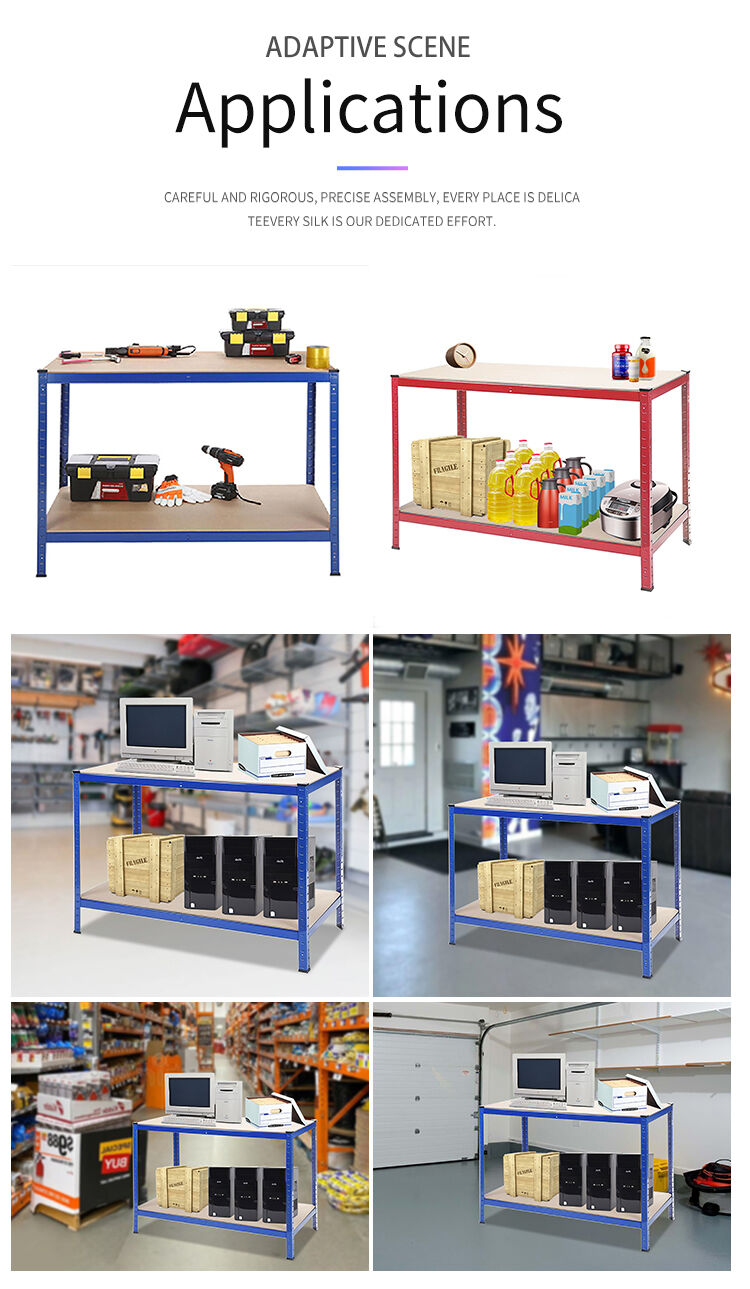
Selecting the right garage workbench involves evaluating multiple design features that directly impact functionality, durability, and workspace efficiency. The design elements you prioritize will determine how well your garage workbench serves your specific project needs, storage requirements, and long-term workshop goals. Understanding which features matter most helps you make an informed decision that maximizes both performance and value for your garage workspace.
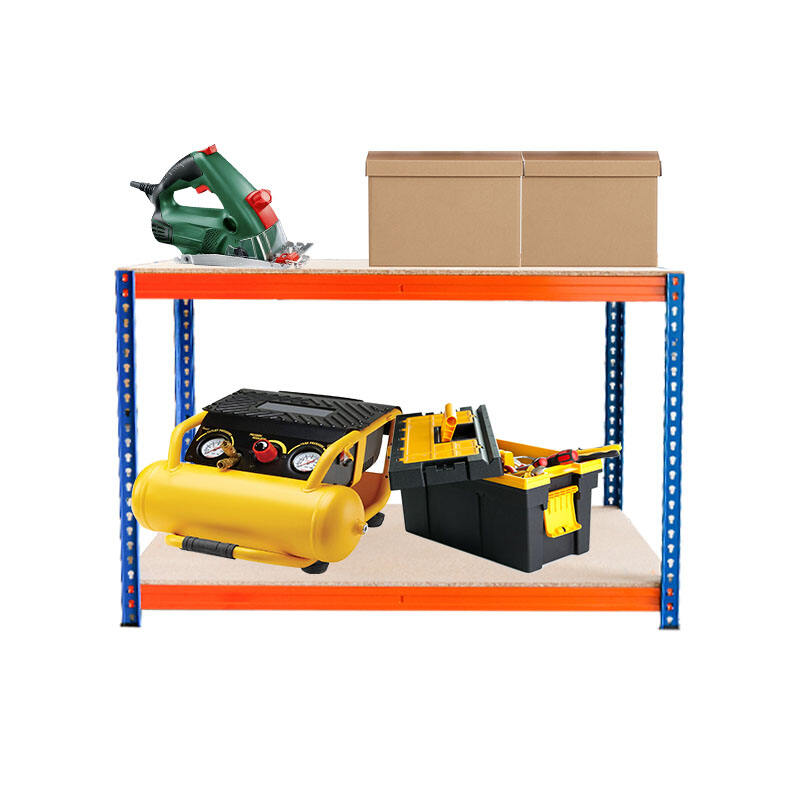
The design features of a garage workbench significantly influence daily usability, project outcomes, and workspace organization. From work surface materials to storage configurations, each design element contributes to the overall effectiveness of your workshop setup. Professional woodworkers, automotive enthusiasts, and DIY hobbyists all benefit from understanding how specific design characteristics align with their unique project requirements and garage space constraints.
Essential Work Surface Design Considerations
Material Construction and Durability
The work surface material forms the foundation of any effective garage workbench design. Solid wood surfaces provide excellent stability for precision work and can withstand heavy impacts, making them ideal for traditional woodworking projects. However, wood surfaces require regular maintenance and can absorb moisture in garage environments, potentially leading to warping or deterioration over time.
Steel and metal work surfaces offer superior durability and resistance to chemicals, heat, and moisture common in garage environments. These surfaces excel in automotive work, welding projects, and heavy-duty applications where durability outweighs the need for material-friendly surfaces. Metal surfaces also provide excellent stability for precision measuring and layout work.
Composite materials and laminated surfaces strike a balance between durability and versatility. These materials resist moisture, chemicals, and scratches while providing a smooth work surface suitable for various project types. When selecting a garage workbench, consider how the work surface material aligns with your primary project types and garage environmental conditions.
Surface Texture and Finish Options
The texture and finish of your garage workbench work surface directly impacts project precision and tool performance. Smooth surfaces facilitate accurate measurements, clean cuts, and detailed assembly work. They also make cleanup easier after messy projects involving adhesives, paints, or lubricants commonly used in garage workshops.
Textured surfaces provide better grip for workpieces and reduce sliding during cutting or drilling operations. Some garage workbench designs incorporate specialized surface treatments that resist staining while maintaining appropriate friction levels for secure work holding. The finish quality affects both appearance and functionality throughout the workbench lifespan.
Consider how surface finish interacts with your typical project materials. Delicate materials may require smoother surfaces to prevent scratching, while rough construction work might benefit from more aggressive textures that provide better grip and tool stability during heavy-duty operations.
Frame Design and Structural Elements
Support Framework Architecture
The frame design determines the overall stability and weight capacity of your garage workbench. Heavy-duty steel frames provide maximum stability for demanding applications but require adequate floor space and may need anchoring in high-vibration environments. Tubular steel construction offers excellent strength-to-weight ratios while maintaining portability for flexible garage layouts.
Cross-bracing patterns significantly impact frame rigidity and resistance to lateral movement during heavy work. Diagonal bracing prevents racking and maintains square geometry under load, while horizontal stretchers provide additional stability for tool storage and leg rigidity. Evaluate frame designs based on your typical project loads and workspace requirements.
Adjustable leg designs accommodate uneven garage floors and allow height customization for user comfort. Some garage workbench models feature leveling feet or adjustable height mechanisms that maintain stability across varying floor conditions while providing ergonomic benefits for extended work sessions.
Joint Construction and Assembly Methods
Joint quality directly affects long-term durability and stability of your garage workbench. Welded joints provide permanent, high-strength connections ideal for stationary installations where maximum rigidity is essential. Bolted connections offer serviceable joints that allow disassembly for relocation while maintaining structural integrity when properly tightened and maintained.
Mechanical fastening systems enable easier assembly and modification of garage workbench configurations. High-quality hardware resists corrosion and maintains joint integrity despite temperature fluctuations and humidity variations common in garage environments. Consider assembly complexity against your installation preferences and available tools.
Modular joint designs allow future expansion or reconfiguration as workshop needs evolve. Some frame systems accommodate additional accessories, storage modules, or work surface extensions through standardized connection points that maintain structural integrity while providing flexibility for changing requirements.
Storage Integration and Organization Features
Built-in Storage Configurations
Integrated storage design maximizes workspace efficiency by keeping tools and materials within easy reach while maintaining organized work areas. Drawer systems provide secure, enclosed storage for precision tools, small hardware, and project materials that require protection from dust and moisture common in garage environments.
Shelf configurations offer accessible storage for larger items, reference materials, and frequently used supplies. Adjustable shelving accommodates varying storage needs and allows optimization for specific tool collections. Consider how storage placement affects work flow and accessibility during typical project sequences.
Cabinet designs provide enclosed storage with locking capabilities for valuable tools and hazardous materials. Integrated storage reduces clutter on work surfaces while maintaining organized tool inventory. Evaluate storage capacity against your current tool collection and anticipated future needs when selecting garage workbench designs.
Tool Organization and Accessibility
Tool organization features directly impact productivity and project efficiency in garage workshops. Pegboard systems provide flexible tool hanging options that can be reconfigured as tool collections change. Magnetic tool strips offer convenient storage for metal tools while keeping them visible and easily accessible during work.
Integrated tool racks and holders maintain organization while protecting tool edges and precision surfaces. Custom tool holders can be designed for specific tool sets, ensuring proper storage and quick identification. Consider how tool organization features accommodate your current inventory and preferred organization methods.
Power tool storage requires adequate space and proper ventilation for cooling after use. Some garage workbench designs incorporate dedicated storage areas for power tools, charging stations for cordless tools, and cable management systems that reduce workspace clutter while maintaining tool accessibility.
Ergonomic and Functional Design Elements
Height and Workspace Dimensions
Proper height design prevents fatigue and improves precision during extended work sessions. Standard garage workbench heights accommodate average user dimensions, but adjustable options provide customization for specific users or multiple operators. Consider primary user height and typical project types when evaluating height requirements.
Work surface depth affects project capacity and user reach requirements. Deeper surfaces accommodate larger projects but may create accessibility issues for users with limited reach. Evaluate depth requirements against typical project sizes and storage needs to optimize workspace functionality.
Width considerations impact both project capacity and garage space utilization. Longer garage workbench designs provide more work area and storage but require adequate garage space and may limit flexibility for garage layout changes. Balance workspace needs against available space and future garage use plans.
Mobility and Positioning Features
Caster systems provide mobility for flexible garage layouts and easy cleaning access. Locking mechanisms ensure stability during use while allowing repositioning when needed. Heavy-duty casters support loaded workbench weight while maintaining smooth operation across various floor surfaces common in garage environments.
Folding designs offer space-saving solutions for smaller garages or multi-purpose spaces. These systems maintain structural integrity when deployed while minimizing storage footprint when not in use. Consider folding mechanisms for durability and ease of operation, especially in frequent setup and breakdown scenarios.
Modular positioning allows garage workbench reconfiguration as needs change or garage layouts evolve. Some designs accommodate corner installations, wall mounting, or island configurations through adaptable support systems that maintain stability across various positioning options.
FAQ
What work surface material works best for general garage projects?
Steel or composite work surfaces typically work best for general garage projects because they resist moisture, chemicals, and impact damage common in garage environments. These materials provide durability for automotive work, general repairs, and woodworking projects while requiring minimal maintenance. Wood surfaces work well for dedicated woodworking but may not withstand the varied conditions typical in multi-purpose garage workshops.
How important is storage integration when selecting a garage workbench?
Storage integration significantly impacts workspace efficiency and organization in garage settings. Built-in storage keeps tools accessible while maintaining clear work surfaces, which improves productivity and safety. However, prioritize storage features based on your specific tool inventory and organization preferences, as some users prefer separate storage solutions that offer more flexibility for changing needs.
Should I choose a stationary or mobile garage workbench design?
Choose stationary designs for maximum stability and heavy-duty work, or mobile designs for flexibility and space optimization. Stationary garage workbench models provide superior rigidity for precision work and can support heavier loads, while mobile versions offer positioning flexibility and easier garage cleaning. Consider your primary project types, available space, and whether you need to share garage space with vehicles.
What frame construction provides the best long-term value?
Heavy-duty steel frame construction typically provides the best long-term value for garage workbench applications. Steel frames resist corrosion when properly finished, support heavy loads, and maintain structural integrity over extended use. While initial costs may be higher than alternative materials, steel construction typically offers lower lifetime costs through reduced maintenance requirements and extended service life in demanding garage environments.

