 EN

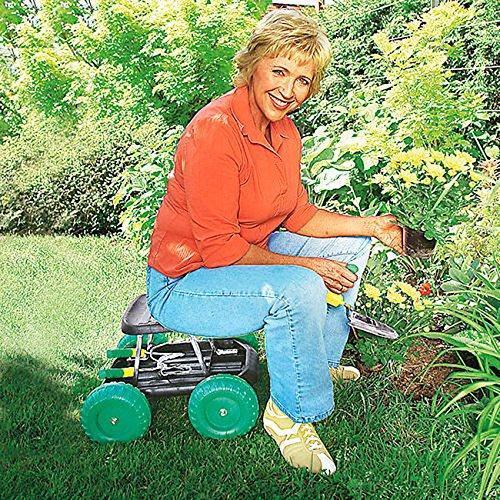
Choosing the right garden rolling work seat can transform how you approach outdoor gardening projects, making long hours of weeding, planting, and maintenance far more comfortable and efficient. A quality garden rolling work seat combines mobility with ergonomic support, allowing you to move easily between garden beds without straining your back or knees. Whether you're tending to a small residential garden or managing larger landscape projects, understanding which features matter most will help you select a garden rolling work seat that truly meets your needs and withstands years of regular use.
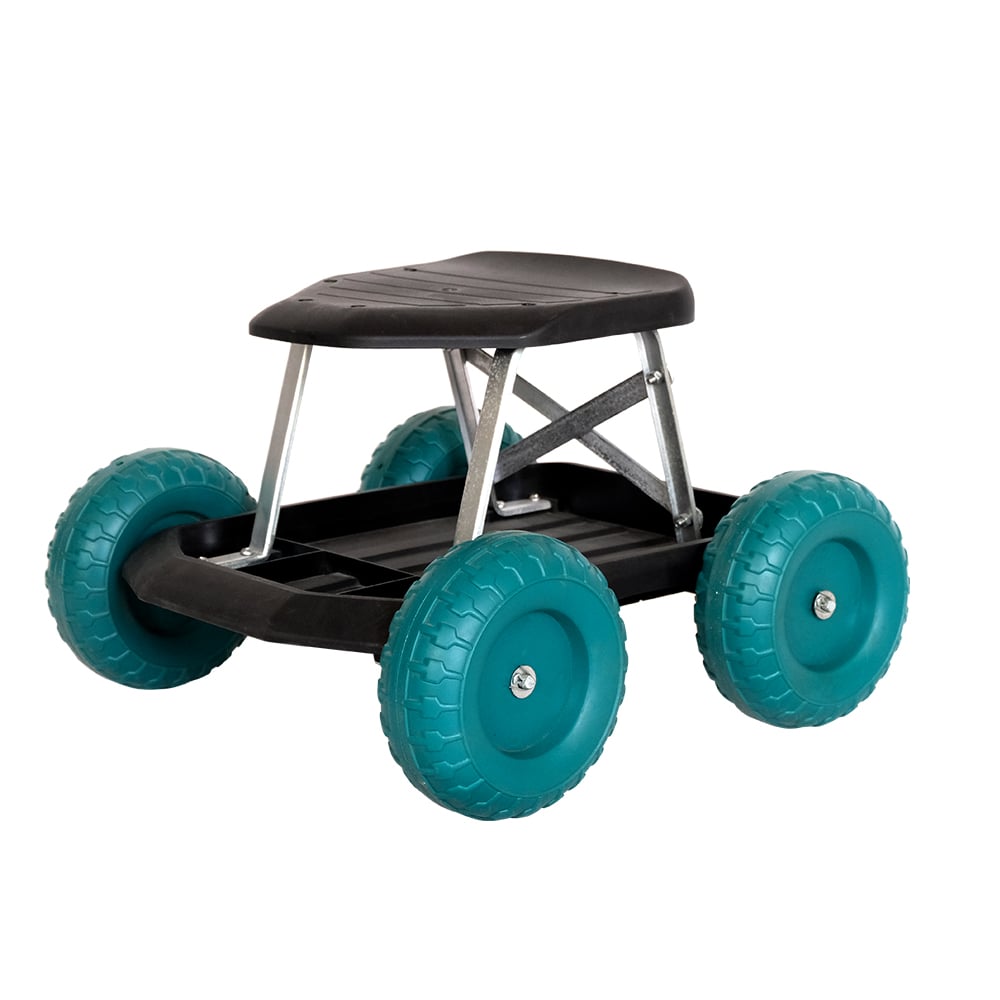
The market offers many garden rolling work seat options, but not all provide the durability, comfort, and practical functionality that serious gardeners require. A well-designed garden rolling work seat addresses multiple pain points: it reduces pressure on joints, enables quick repositioning across your garden space, provides accessible storage for hand tools, and maintains structural integrity through different weather conditions and intensive daily use. This guide explores the critical features that distinguish a superior garden rolling work seat from basic alternatives, helping you make an informed investment in your gardening comfort and productivity.
Structural Durability and Weight Capacity
Frame Material and Construction Quality
The foundation of any reliable garden rolling work seat lies in its frame construction. Heavy-duty models typically feature steel or reinforced metal frames that can support substantial weight while resisting rust and corrosion from outdoor exposure. A quality garden rolling work seat should have a frame designed to accommodate users across a wide weight range, typically supporting 300 pounds or more without flexing or becoming unstable. The welds and joints should be carefully inspected for strength, as these connection points are critical stress areas. When evaluating frame materials for your garden rolling work seat, prioritize those with powder-coated finishes or stainless components that naturally resist deterioration in wet garden environments.
Wheel Performance and Maneuverability
Mobility is a defining characteristic of an effective garden rolling work seat, making wheel quality absolutely essential. Premium garden rolling work seat models feature locking wheels that allow you to secure position when seated, preventing unwanted movement during tasks. The wheels themselves should be made from durable rubber or polyurethane compounds that provide smooth rolling across various ground surfaces—soil, gravel, grass, and paved areas. Larger wheel diameters on a garden rolling work seat typically offer better traction and obstacle navigation than smaller wheels. Look for sealed bearings in the wheel assembly to keep your garden rolling work seat rolling smoothly despite dust, dirt, and moisture exposure that naturally occurs in garden environments.
Comfort and Ergonomic Design
Seat Cushioning and Support
Comfort during extended gardening sessions depends heavily on seat design and cushioning quality. An excellent garden rolling work seat includes padding that maintains its shape and support even after months of regular use. Memory foam or high-density foam seats on a garden rolling work seat conform to your body contours, distributing weight evenly and reducing pressure points. The cushion material should have water-resistant or quick-drying properties, since a garden rolling work seat will inevitably encounter moisture from morning dew, watering activities, or unexpected rain showers. The seat height adjustment feature is crucial—your garden rolling work seat should allow you to position the seat at an optimal height relative to your working surface, enabling proper posture and reducing strain on your lower back, hips, and knees.
Back Support and Armrest Integration
Proper lumbar support transforms a basic garden rolling work seat into an ergonomic tool that protects your back during prolonged gardening activities. A quality garden rolling work seat includes a backrest that supports the natural curve of your spine, preventing slouching and the associated back pain that results from unsupported positions. Some premium garden rolling work seat models feature adjustable backrests or armrests that allow customization based on your body type and specific gardening tasks. Armrests on a garden rolling work seat provide leverage when standing or sitting, reducing strain on shoulder and arm muscles. These ergonomic additions to a garden rolling work seat make it particularly valuable for gardeners with existing back conditions or those over fifty who need enhanced support during extended outdoor work.
Practical Features and Accessibility
Tool Storage and Accessibility
An often-overlooked feature of a functional garden rolling work seat is integrated storage capacity for commonly used hand tools. Many premium garden rolling work seat designs include storage bags or compartments positioned conveniently near the seat, allowing you to keep pruners, trowels, gloves, and other items within arm's reach without requiring additional trips back to your garden shed. A well-designed garden rolling work seat may feature side pockets, under-seat baskets, or overhead tool racks that keep your most frequently used implements organized and accessible. This integrated storage on your garden rolling work seat significantly improves workflow efficiency, as you spend less time searching for tools and more time completing actual gardening tasks. Weatherproof compartments on a garden rolling work seat ensure that stored items remain dry and protected throughout the growing season.
Weather Resistance and Seasonal Durability
Since outdoor gardening exposes your garden rolling work seat to intense UV radiation, moisture, temperature fluctuations, and varying humidity levels, weather resistance is paramount. The most durable garden rolling work seat options feature UV-resistant fabrics and protective coatings that prevent fading, cracking, and material degradation. Stainless steel or galvanized components on a garden rolling work seat naturally resist corrosion that develops when metal contacts moisture and soil. Many quality garden rolling work seat models are designed to remain outside year-round or include optional covers that protect the seat during off-seasons. The plastic components on your garden rolling work seat should be impact-resistant and formulated to maintain flexibility in cold temperatures, preventing brittleness and cracking during winter months or in cooler climates.
FAQ
What weight capacity should I look for in a garden rolling work seat?
A quality garden rolling work seat should support at least 300 pounds, with many heavy-duty models accommodating 400 pounds or more. Choose a garden rolling work seat with a weight capacity that exceeds your body weight by at least 50 pounds to ensure stability and frame longevity, as this margin protects against stress fractures and premature wear. If you anticipate carrying additional items while seated, such as gardening supplies or hand tools, select a garden rolling work seat with an even higher capacity rating to maintain safety and structural integrity.
How do I maintain my garden rolling work seat throughout the seasons?
Proper maintenance keeps your garden rolling work seat functioning smoothly for years. After each use, rinse dirt and debris from your garden rolling work seat with clean water and allow it to dry completely. Periodically lubricate the wheel bearings and pivot points on your garden rolling work seat with silicone spray or light machine oil to prevent rust and ensure smooth operation. Inspect the cushion and fabric on your garden rolling work seat for damage or fading, applying protective coatings as needed. When not in use for extended periods, store your garden rolling work seat in a shaded location or use a protective cover to minimize UV exposure and environmental weathering.
Can a garden rolling work seat work on uneven ground?
Most quality garden rolling work seat models perform adequately on moderately uneven terrain, though a garden rolling work seat with larger wheels and locking mechanisms provides significantly better stability on challenging surfaces. A garden rolling work seat designed with wide, durable wheels and a low center of gravity handles natural garden topography better than lightweight alternatives. However, extremely steep slopes or severely uneven ground may pose challenges for any garden rolling work seat; in such cases, verify wheel diameter and locking wheel functionality before making your purchase, as these features directly impact your safety and comfort while using a garden rolling work seat on uneven garden surfaces.

