 EN
EN

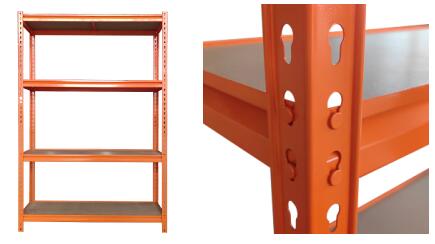
Selecting the right racks is fundamental to optimizing warehouse operations and maximizing storage efficiency in commercial environments. The performance of your facility depends heavily on the type and configuration of racks you choose, as they directly impact space utilization, worker safety, inventory accessibility, and long-term operational costs. Understanding which racks are best suited for your specific warehouse application requires evaluating load capacity, space constraints, product dimensions, and workflow patterns. This comprehensive guide examines the leading types of racks available for commercial warehouse applications and helps you make informed decisions that align with your business objectives.
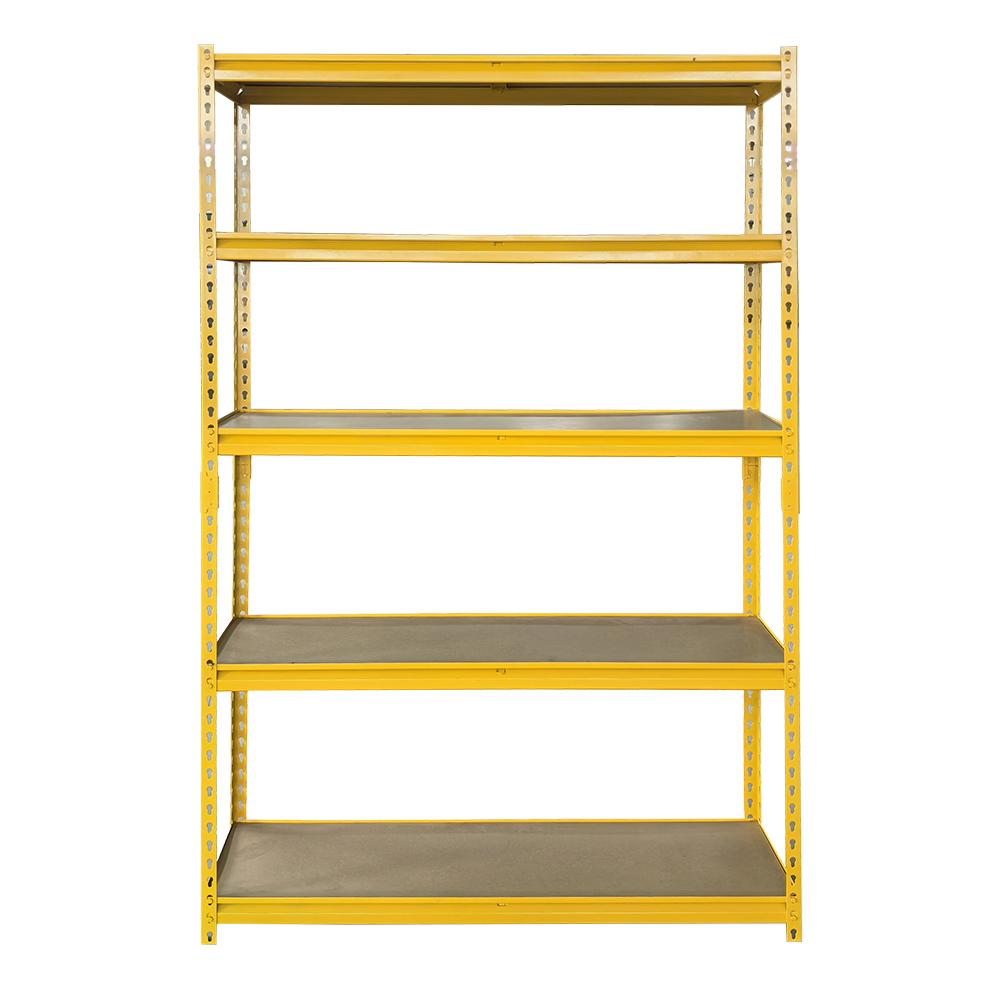
Commercial warehouse applications demand racks that balance performance, durability, and cost-effectiveness across diverse product categories and operational scenarios. Whether you manage a distribution center, retail storage facility, or manufacturing warehouse, the quality and suitability of your racks determine how efficiently your team moves inventory and fulfills orders. Modern warehouses require specialized racks engineered to withstand continuous use while maintaining structural integrity and safety standards.
Pallet Racks and Heavy-Duty Storage Solutions
Understanding Selective Pallet Racks
Selective pallet racks represent the most versatile and widely adopted storage system for commercial warehouses handling standard pallet loads. These racks allow direct access to every pallet without moving adjacent inventory, making them ideal for facilities requiring frequent picking and restocking operations. Selective pallet racks accommodate various pallet sizes and weights, with load capacities typically ranging from 2,000 to 5,000 pounds per level, depending on configuration and engineering specifications. The modular design of selective pallet racks enables quick assembly, reconfiguration, and expansion as your warehouse needs evolve. For businesses managing mixed product types and unpredictable demand patterns, selective pallet racks provide the flexibility that drive operational efficiency.
Drive-In and Drive-Through Rack Systems
Drive-in racks and drive-through racks maximize vertical storage density by eliminating aisles between rack sections, allowing forklifts to operate directly within the rack structure. Drive-in racks operate on a last-in, first-out (LIFO) basis, making them optimal for storing large quantities of homogeneous products with lower turnover rates. Drive-through racks function on a first-in, first-out (FIFO) basis, supporting higher-velocity inventory rotation and making them suitable for facilities requiring sequential product access. These deep-storage racks significantly increase cubic space utilization compared to selective pallet racks, often accommodating 50 percent more inventory within the same footprint. Commercial warehouses storing bulk commodities, seasonal inventory, or slow-moving product lines benefit substantially from drive-in and drive-through racks.
Medium-Duty and Light-Duty Rack Applications
Wire Decking and Shelving Racks
Wire decking racks combine steel framework with welded wire platforms, creating adjustable storage racks suitable for medium-duty warehouse applications and general inventory management. These racks support loads between 500 and 2,000 pounds per level while allowing air circulation and visibility through the wire surface, which reduces dust accumulation and improves worker safety through enhanced sightlines. Adjustable racks featuring wire decking accommodate products of varying dimensions and weights without requiring complete reconfiguration. Commercial warehouses utilizing small parts storage, work-in-progress inventory, and organized retail operations find wire decking racks particularly effective for maximizing accessible storage space.
Boltless and Adjustable Shelving Racks
Boltless racks, also called rivet racks, feature simplified assembly without nuts and bolts, enabling rapid deployment and reconfiguration within commercial warehouse environments. These modular racks support adjustable shelf heights at one-inch intervals, accommodating diverse product profiles and operational changes. Boltless racks typically handle loads between 300 and 1,000 pounds per shelf level, making them suitable for organized storage of cartons, boxes, and packaged goods. The ease of adjusting racks and reconfiguring shelf heights allows warehouse managers to adapt storage layouts quickly in response to changing inventory mixes or seasonal demand fluctuations, reducing downtime and labor requirements.
Specialized Racks for Unique Warehouse Demands
Cantilever Racks for Long Product Storage
Cantilever racks extend horizontally from a central column, creating open storage structures ideal for warehouses storing long, heavy, or irregularly shaped items like lumber, pipes, or structural materials. Unlike traditional racks that occupy significant floor space with support legs, cantilever racks minimize footprint impact while providing excellent access and load visibility. Cantilever racks support loads between 2,000 and 10,000 pounds per arm depending on configuration, engineering, and material specifications. Commercial warehouses managing construction materials, metals, or industrial components rely on cantilever racks to optimize space while maintaining efficient inventory retrieval workflows.
Push-Back and Flow Racks for High-Volume Operations
Push-back racks utilize gravity and cart systems to enable inventory rotation on LIFO principles while maintaining continuous aisle access throughout the warehouse. These dynamic storage racks reduce forklift travel distance and labor time during picking operations, significantly improving throughput in high-volume commercial facilities. Flow racks operate similarly but incorporate rollers and adjustable slopes to support FIFO inventory rotation, making them ideal for perishable goods, time-sensitive products, and just-in-time inventory management systems. Both push-back and flow racks increase storage density while maintaining pick efficiency, delivering substantial operational advantages for busy distribution centers and fulfillment facilities.
Selecting and Implementing the Right Racks for Your Warehouse
Evaluating Load Requirements and Space Constraints
The first step in selecting appropriate racks involves calculating precise load weights and determining how much storage volume your facility requires. Analyze average and peak inventory levels, understand product dimensions and weight distribution, and assess your facility's ceiling height and available floor space. The weight-bearing capacity of racks must exceed maximum load scenarios by a safety margin, typically 20 to 30 percent, ensuring continued performance under unexpected conditions. Space constraints and ceiling limitations directly determine viable rack configurations, influencing whether selective pallet racks, drive-in systems, or specialized high-density solutions best fit your warehouse.
Aligning Racks with Operational Workflows
Your warehouse's picking patterns, inventory rotation requirements, and handling equipment significantly influence rack selection and configuration decisions. High-velocity operations requiring rapid product access favor selective pallet racks and push-back systems that prioritize pick efficiency over density. Bulk storage facilities with slower rotation rates benefit from drive-in racks or deep-storage systems that maximize cubic utilization despite reduced accessibility. Understanding whether your operation prioritizes speed, density, or flexibility enables selection of racks that directly support your strategic warehouse objectives rather than forcing incompatible systems onto your operations.
FAQ
What load capacity do commercial warehouse racks typically support?
Load capacities for warehouse racks vary significantly based on type, configuration, and engineering specifications. Selective pallet racks typically support 2,000 to 5,000 pounds per level, while heavy-duty cantilever racks can handle 2,000 to 10,000 pounds per arm. Light-duty shelving racks support 300 to 1,000 pounds per shelf level. Consult manufacturer specifications and conduct capacity calculations specific to your products and facility conditions.
How do drive-in racks differ from selective pallet racks in warehouse applications?
Selective pallet racks provide direct access to every pallet and support frequent inventory picking, while drive-in racks eliminate aisles to maximize density and require LIFO inventory rotation. Selective pallet racks suit high-velocity operations with mixed products, whereas drive-in racks excel for bulk storage of homogeneous inventory. The choice depends on your warehouse's inventory turnover, product mix, and storage density priorities.
Can warehouse racks be reconfigured as business needs change?
Yes, most commercial warehouse racks feature modular designs enabling reconfiguration and height adjustment without complete system replacement. Boltless and adjustable racks allow particularly quick modifications at one-inch increments. However, specialized systems like drive-in racks require more substantial changes. Select rack systems with sufficient configurability to accommodate anticipated future operational changes and inventory variations.

