 EN

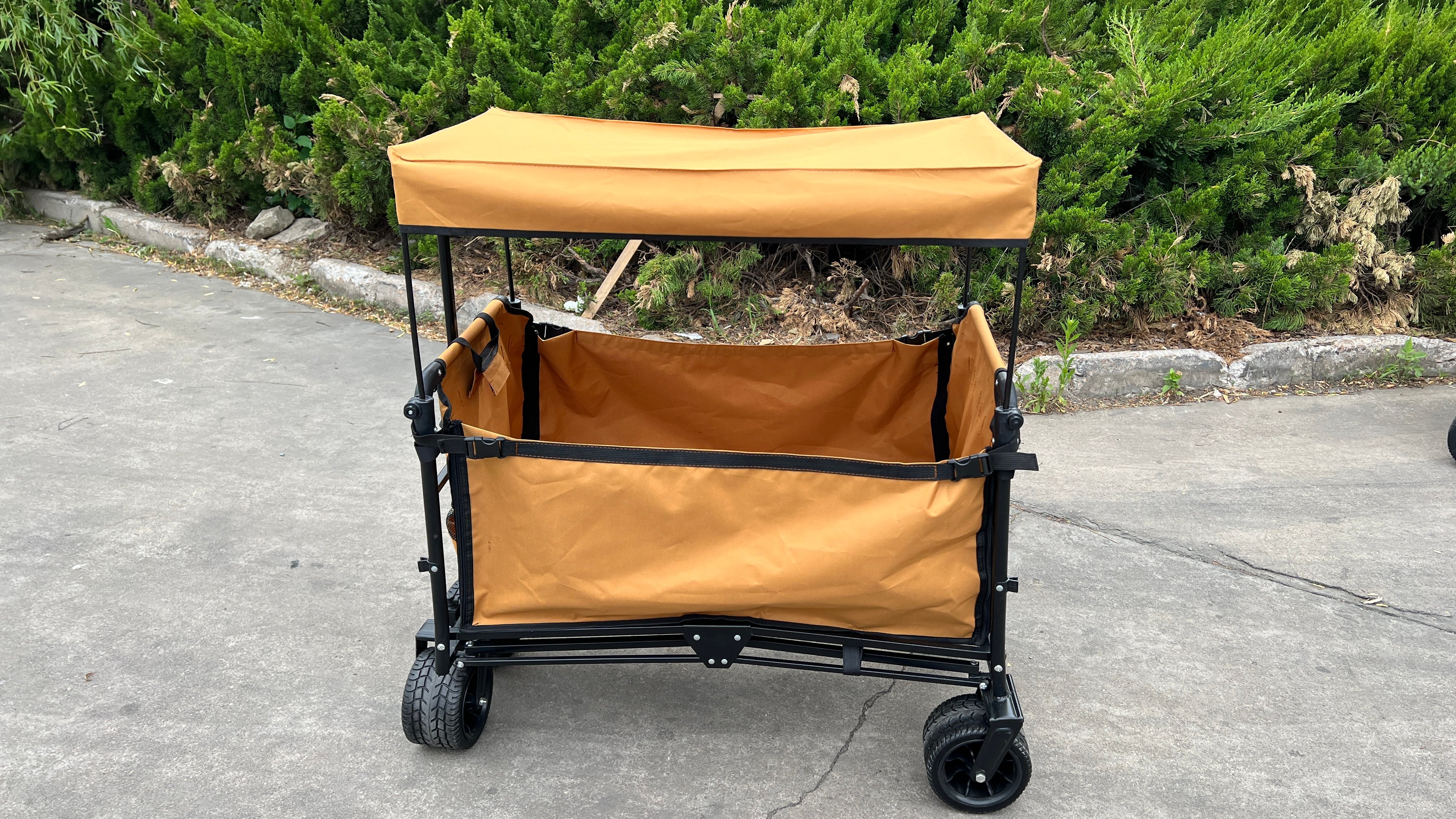
Choosing a commercial folding wagon means looking beyond a single maximum-load figure. The right limit depends on what the wagon must carry, how weight is distributed, and the surfaces it crosses. Before placing a folding wagon into daily service, check its rated capacity, the meaning of that rating, and the operating conditions that can reduce practical carrying ability.
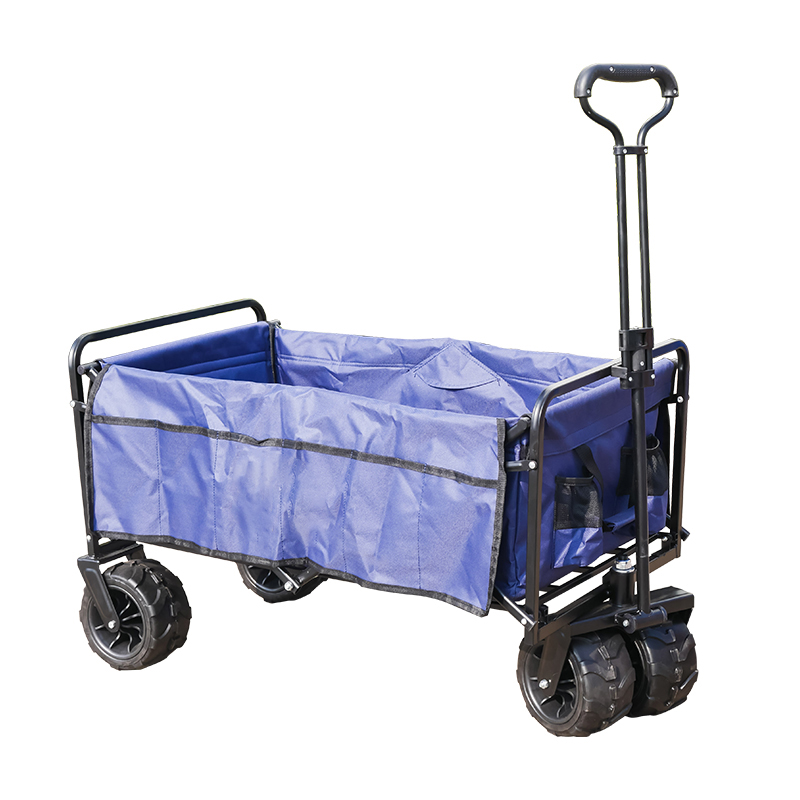
A commercial folding wagon may move supplies through a venue, carry tools across a site, or transport stock between work areas. Those jobs place different demands on its frame, wheels, and fabric bed. Treat the advertised capacity as a starting point, then assess the actual load and route. This approach helps buyers choose a folding wagon suited to the work rather than relying on an isolated number.
Understand the Capacity Rating
Check the stated maximum load
Start with the manufacturer’s stated load capacity and confirm that it refers to the weight of cargo, not the wagon’s own weight. A folding wagon rating should be clear enough to compare against the heaviest planned load. If the published information is ambiguous, ask for clarification before purchase. For a commercial folding wagon, written specifications are more useful than a general claim that it is heavy duty.
Estimate the heaviest realistic load, including occasional peak use, rather than calculating only a typical trip. For example, a folding wagon used for event setup may carry boxes, signage, and equipment together, even if each item is manageable alone. Weigh representative loads where possible, and include containers or packaging. The folding wagon should have a stated capacity that accommodates this complete cargo load without routinely operating at its limit.
Separate payload from total weight
Payload usually means the goods carried in the bed, while total rolling weight includes the wagon itself. This distinction matters when a team pushes a folding wagon over ramps, thresholds, or sloped ground. A heavier empty frame adds to the effort required, even when the cargo remains within the payload rating. Confirm what the number includes so staff can understand the real load placed on the equipment.
The stated maximum is not necessarily an ideal everyday target. Repeatedly loading a folding wagon to its limit can leave little margin for uneven cargo placement, sudden stops, or route changes. Set an internal working limit below the published maximum when the task involves frequent trips or variable surfaces. That operating rule gives teams a practical buffer while keeping each folding wagon within its intended capacity.
Account for Conditions That Affect Load
Evaluate wheels, frame, and load distribution
Capacity depends on the whole structure, not only the bed material. Check whether the frame, joints, wheel mounts, and handle appear appropriate for the expected duty cycle. A folding wagon carrying dense items may place concentrated force on a small area, even when its total cargo weight seems acceptable. Spread loads across the base and secure them so they cannot shift while the wagon is moving.
Wheel size and construction influence how easily a folding wagon handles the intended route, but they do not replace its load rating. Small wheels can struggle with gravel, grass, or floor gaps, increasing push effort and stress on connections. Review the product details for wheel type and any stated surface guidance. When a folding wagon must cross mixed terrain, test it with a representative load before making it part of routine operations.
Consider route, pace, and repeated use
A level indoor corridor creates different demands from a sloped walkway or an outdoor work area. Inclines, bumps, and abrupt turns can increase the forces on a folding wagon and its contents. Identify the route, including door thresholds and loading areas, before settling on a capacity requirement. A folding wagon that meets the numerical limit may still be unsuitable if its wheels or handling do not fit the site.
Frequency also matters. A folding wagon used for occasional light transfers may not face the same wear as one making repeated trips throughout a shift. Ask how the load rating relates to the intended usage, and inspect moving parts as part of normal equipment checks. If teams notice loose connections, wheel damage, or a bent frame, remove the folding wagon from service until it has been assessed.
Set a Commercial Limit for the Job
Match capacity to the heaviest task
Translate work requirements into a load profile before selecting equipment. Record typical cargo, the heaviest expected combination, and whether bulky items occupy space before reaching the weight limit. A folding wagon must suit both capacity and usable bed dimensions. If the load is awkward, a folding wagon with adequate rated capacity can still be a poor fit unless goods sit securely and remain balanced.
For mixed tasks, base the requirement on the most demanding regular use, not an unusual one-time scenario. Keep the cargo within the stated limit and avoid stacking above the sides if that can affect stability or visibility. The folding wagon should be evaluated against the same practical criteria as any equipment considered for workplace transport, including load, route, and handling needs.
Verify specifications and establish handling rules
Before ordering, confirm the capacity in the product documentation and check whether there are separate limits for static storage and movement. Do not assume a folding wagon can safely carry the same weight while stationary and rolling. Ask about any restrictions related to terrain, gradients, or load placement when these affect the planned use. Keep the specification accessible so supervisors can set clear, consistent expectations for each folding wagon.
Create simple operating guidance based on the rating: distribute cargo evenly, secure items, stay below the internal working limit, and avoid pulling or pushing beyond the intended route conditions. Train users to report damage and not to use a folding wagon with a compromised frame or wheel. These steps connect the published number to daily practice. Revisit the limit if tasks, cargo, or site conditions change, rather than assuming the original choice still fits.
FAQ
Does the maximum capacity include the folding wagon itself?
Often, a listed capacity refers to cargo payload, but wording can differ by product. Check the specification for the exact definition before calculating a folding wagon’s total moving weight. If the rating is unclear, request confirmation and use the stated cargo limit only once its meaning is understood.
Should a folding wagon operate at its maximum rated load?
The maximum rating is a ceiling, not automatically the preferred everyday target. Leave a practical margin when loads vary, trips are frequent, or surfaces are uneven. A folding wagon used below its published maximum is easier to manage when cargo shifts or operating conditions become less predictable.
What should a buyer check besides weight capacity?
Check bed dimensions, frame and wheel details, route suitability, and the meaning of the load rating. Confirm that the folding wagon can carry the heaviest planned cargo securely, then consider how often and where it will be used. Capacity only helps when the complete setup matches the task.

