 EN

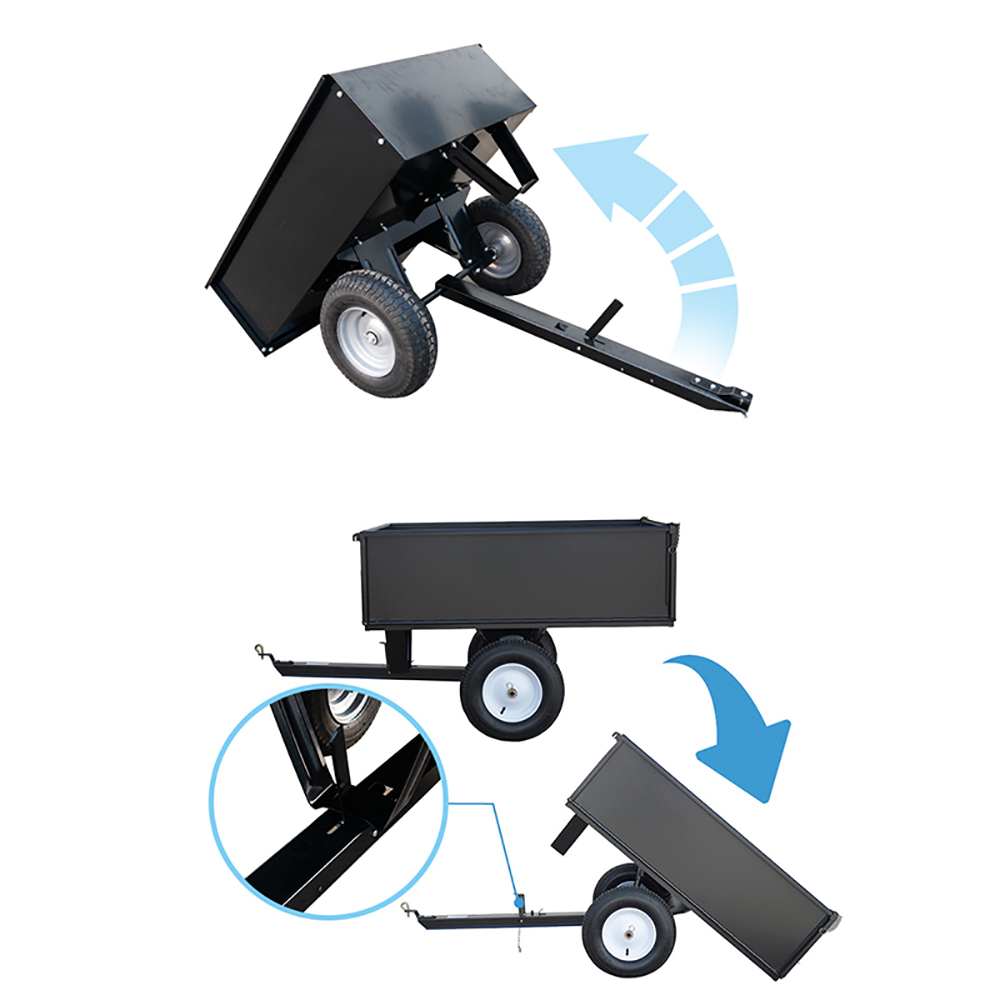
Agricultural dealers across the industry consistently gravitate toward heavy duty ATV trailers as their preferred solution for farm equipment transport and material handling. The decision to invest in an ATV trailer reflects a deep understanding of operational efficiency, cost management, and long-term asset value. Heavy duty ATV trailers have become the backbone of modern agricultural logistics, enabling dealers to serve their customers more effectively while maintaining profitability. Understanding why agricultural professionals choose these robust solutions provides valuable insight into the priorities and challenges that define the industry today.
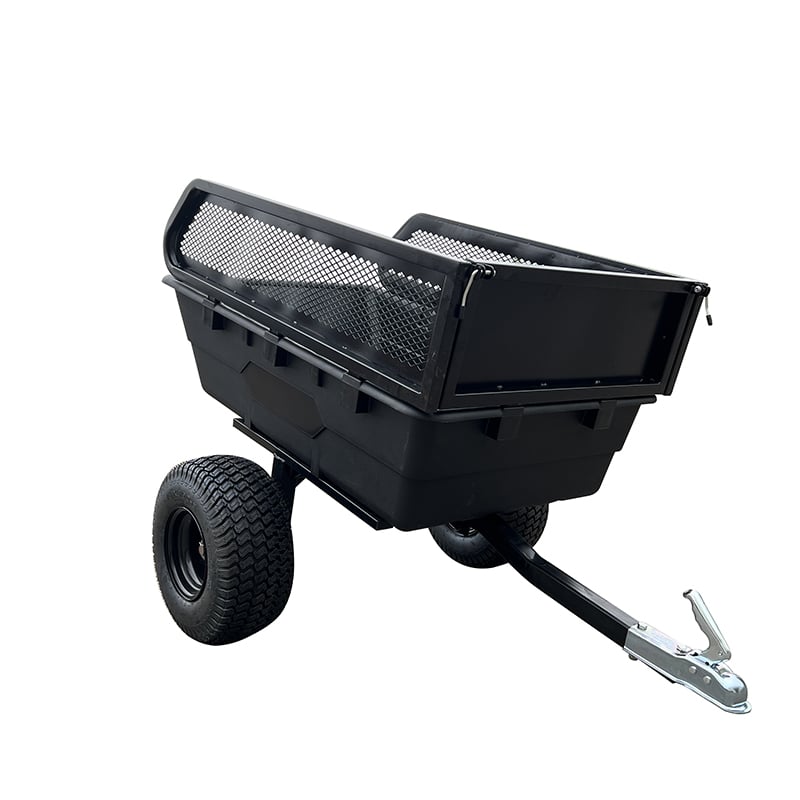
An ATV trailer represents far more than a simple hauling tool. It serves as a critical infrastructure investment that directly influences daily operational capacity, customer satisfaction, and competitive positioning. Agricultural dealers recognize that selecting the right ATV trailer model determines whether their fleets operate reliably across seasons or face costly downtime. The heavy duty construction of premium ATV trailer options ensures consistent performance on demanding farm terrain and under variable weather conditions.
Superior Load Capacity and Durability
Meeting Demanding Agricultural Requirements
Heavy duty ATV trailer models deliver exceptional load capacity that aligns with the working demands of modern agriculture. Agricultural dealers handle diverse cargo, from fertilizer and seed to harvested products and equipment repairs. A properly specified heavy duty ATV trailer accommodates these variable loads without structural compromise. The reinforced frame, upgraded suspension systems, and heavy gauge steel construction typical of premium ATV trailer designs ensure reliable performance across multiple seasons and thousands of operational hours.
The durability advantage of a heavy duty ATV trailer directly translates to reduced maintenance costs and extended operational life. Agricultural dealers understand that equipment downtime during critical seasonal windows represents lost revenue and customer trust. Heavy duty ATV trailer models built with premium materials and engineering resist corrosion, fatigue failure, and impact damage far more effectively than standard alternatives. This reliability becomes a competitive advantage when dealers can guarantee consistent service availability to their farming customers.
Long-Term Investment Value
When agricultural dealers evaluate capital equipment purchases, return on investment over the asset lifecycle drives decision-making. A heavy duty ATV trailer with quality construction retains resale value better than lower-cost alternatives. The premium components found in quality ATV trailer designs hold up through years of service, making these models attractive to secondary market buyers. Agricultural dealers recognize that the initial premium paid for a heavy duty ATV trailer often recovers through reduced repair expenses, fewer replacement cycles, and stronger residual value.
Operational Efficiency and Productivity
Streamlining Daily Workflows
Productivity gains from using a properly designed heavy duty ATV trailer multiply across daily operations. Agricultural dealers employ these trailers for seed delivery, equipment transport, parts distribution, and customer service calls. The standardized specifications of a quality ATV trailer allow dealers to maintain interchangeable attachments, quick-hitch systems, and standardized cargo configurations. These operational efficiencies reduce loading time, minimize asset idle time, and enable dealers to complete more service calls within standard operating hours.
An ATV trailer's accessibility and ease of loading significantly impact workforce productivity. Agricultural dealers' teams spend less time maneuvering cargo or struggling with difficult loading scenarios when using a well-designed heavy duty ATV trailer. Ergonomic heights, stable platforms, and side access designs typical of premium ATV trailer models reduce physical strain on workers while speeding operational cycles. For agricultural dealers managing tight seasonal windows, these efficiency gains become indispensable for meeting customer demand.
Fleet Standardization Benefits
Many agricultural dealers maintain fleets containing multiple ATV trailer units to serve distributed service territories. Standardizing on a specific heavy duty ATV trailer model across the fleet delivers administrative advantages. Spare parts inventory management becomes straightforward when all ATV trailer models use identical components. Training for equipment operators becomes more efficient when team members work with the same heavy duty ATV trailer configurations. Agricultural dealers can also optimize maintenance scheduling and reduce spare parts carrying costs through this standardization approach.
Performance in Variable Agricultural Environments
Weather Resistance and All-Terrain Capability
Agricultural operations continue regardless of weather conditions, and equipment must perform reliably across seasonal extremes. A heavy duty ATV trailer designed for agricultural use incorporates protective features like reinforced undercarriage guards, sealed bearing systems, and rust-resistant coatings. Agricultural dealers operating in regions with high humidity, heavy precipitation, or extreme temperature swings depend on these protective specifications. An ATV trailer's ability to withstand environmental stress directly correlates with its operational availability and long-term durability.
Off-road terrain demands specific suspension and frame characteristics that distinguish heavy duty ATV trailer models from consumer-grade alternatives. Agricultural dealers navigate fields, rural access roads, and unimproved service areas that require robust suspension geometry and adequate ground clearance. The specialized ATV trailer designs engineered for agricultural environments provide superior ride quality under load while protecting cargo and preventing premature wear. Agricultural dealers in challenging terrain environments particularly value these specialized heavy duty ATV trailer capabilities.
Compliance and Safety Considerations
Agricultural dealers operating commercial services face regulatory requirements regarding equipment safety, load securing, and transportation compliance. A properly engineered heavy duty ATV trailer incorporates safety features that meet or exceed industry standards and local regulations. Integrated lighting systems, brake integration, load rating labels, and hitch specifications on quality ATV trailer models simplify compliance management. Agricultural dealers avoid costly violations and liability exposure by selecting ATV trailer options designed with regulatory requirements in mind from the initial design phase.
FAQ
What makes a heavy duty ATV trailer suitable for agricultural use?
Heavy duty ATV trailers designed specifically for agricultural use feature reinforced frames, increased load capacity, specialized suspension systems, and weather-resistant components. Agricultural dealers require these specifications because farming operations involve transporting heavy loads, navigating rough terrain, and operating under diverse weather conditions. An ATV trailer built for agricultural service incorporates upgrades in frame gauge thickness, suspension stiffness, bearing sealing, and corrosion protection compared to standard models.
How do agricultural dealers evaluate ATV trailer models for their operations?
Agricultural dealers typically assess ATV trailer options by examining load capacity, durability rating, maintenance requirements, parts availability, and total cost of ownership. They compare the initial purchase price of an ATV trailer against expected maintenance costs, replacement intervals, and residual value over a typical five to ten year service life. Dealers also consider how well an ATV trailer integrates with their existing equipment and whether premium features align with their specific operational requirements and customer service demands.
Why is standardization across multiple ATV trailers important for agricultural dealers?
Standardizing on a single heavy duty ATV trailer model across a dealer's fleet simplifies spare parts management, reduces operator training requirements, and streamlines maintenance scheduling. When all ATV trailer units share identical specifications and components, agricultural dealers can maintain smaller inventory levels while ensuring rapid repair capability. Standardization also reduces administrative overhead and enables more accurate performance tracking and cost analysis across the entire ATV trailer fleet.

