 EN
EN

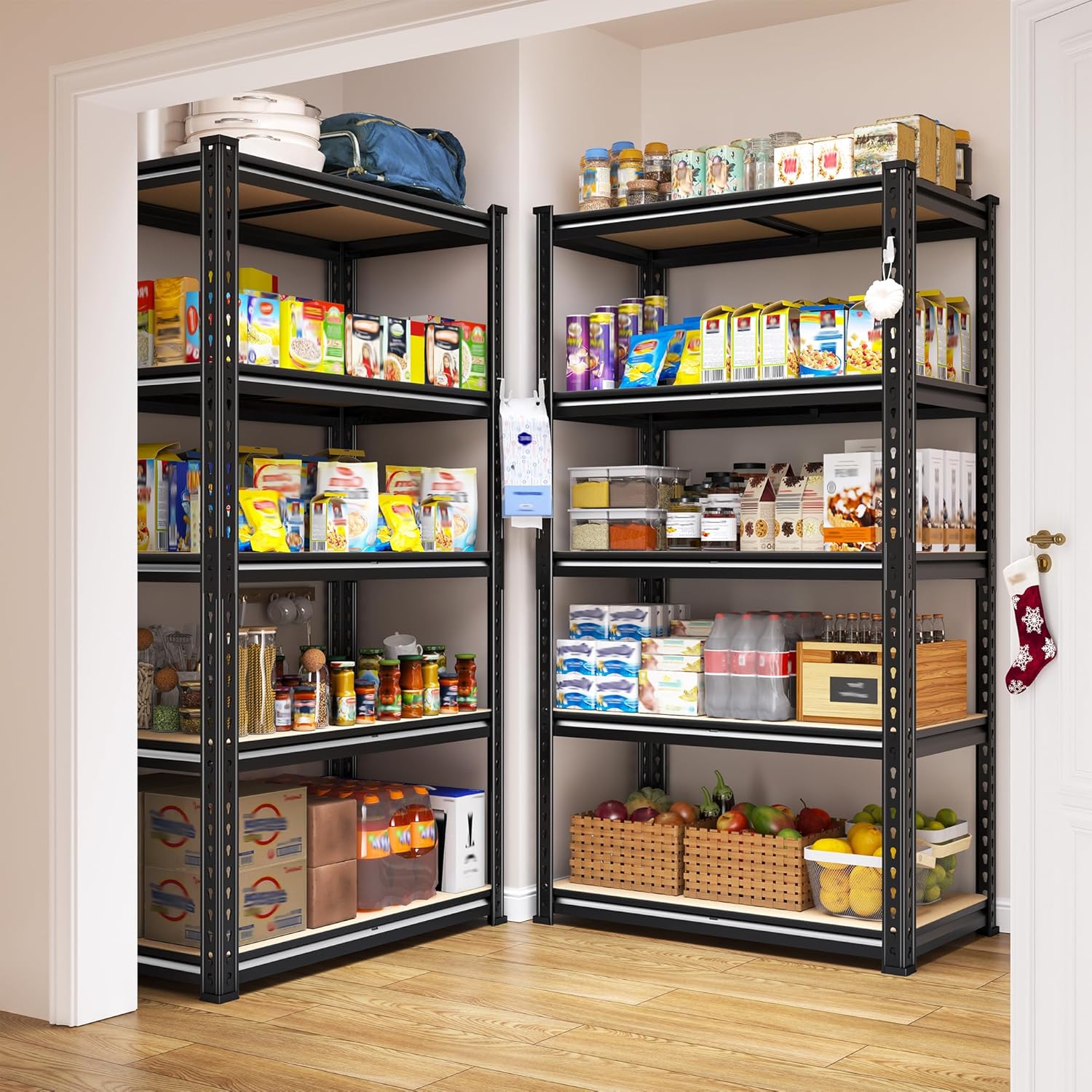
Importers usually pay more attention to execution risk than to unit price alone, especially when storage systems are tied to warehouse uptime, safety compliance, and shipment schedules. That is why many procurement teams actively choose an experienced shelf manufacturer at the start of sourcing discussions. An experienced shelf manufacturer reduces uncertainty across design validation, production consistency, packaging quality, and customs documentation, all of which directly affect landed cost. In practical terms, a seasoned shelf manufacturer protects margin by preventing avoidable delays, claims, and rework.
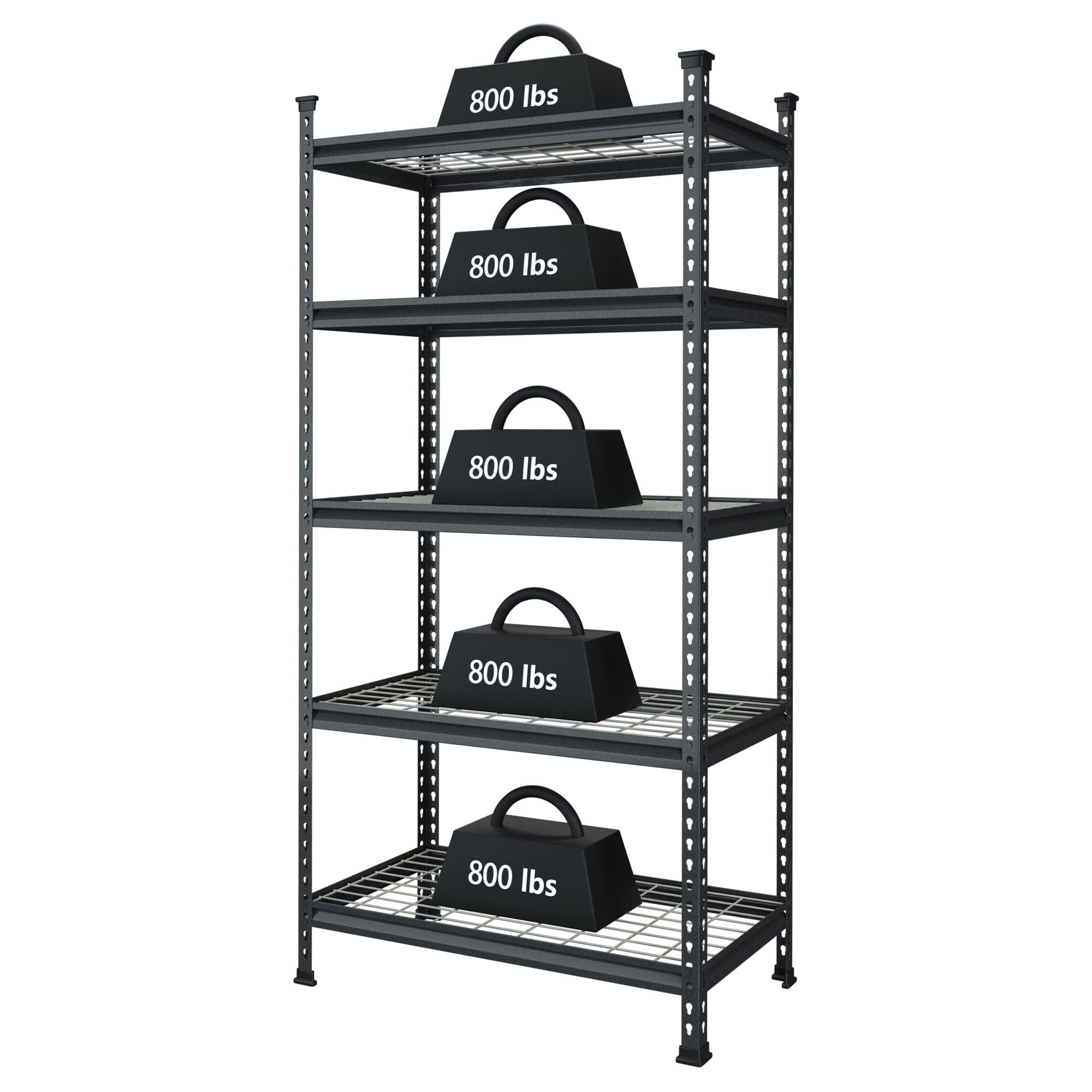
The preference for an experienced shelf manufacturer is not based on marketing language. It comes from repeated operational results in real import cycles where timing, technical accuracy, and communication discipline matter every week. A reliable shelf manufacturer helps importers standardize reorder planning, lower damage exposure, and align product specifications with local installation realities. For B2B buyers managing multiple SKUs and seasonal demand spikes, selecting the right shelf manufacturer becomes a strategic decision rather than a routine purchase transaction.
Risk Reduction Drives Importer Preference
Specification errors become expensive after shipment
Importers know that most losses happen before goods leave the factory floor, usually when requirements are interpreted differently by both sides. An experienced shelf manufacturer asks deeper technical questions about load levels, shelf span, upright thickness, connector tolerances, and carton handling constraints. That early clarification prevents design mismatches that are difficult to correct once containers are on water. A disciplined shelf manufacturer also confirms drawing versions and change logs, which keeps every production batch aligned with approved specifications.
When importers work with an inexperienced shelf manufacturer, unclear assumptions often surface late during receiving or installation. This can lead to mixed components, unstable assemblies, and expensive sorting labor at destination warehouses. A proven shelf manufacturer reduces this scenario by building repeatable engineering review checkpoints before mass production. The result is fewer disputes, fewer emergency replacements, and better inventory readiness at arrival.
Quality variation is controlled through mature production routines
For importers, quality is not just appearance; it is repeatability across long-term purchase cycles. An experienced shelf manufacturer has stable process controls for cutting, punching, welding, surface treatment, and final inspection. This consistency matters because even small dimensional variance can disrupt installation speed and compromise rack alignment. A dependable shelf manufacturer documents tolerance targets and uses standardized in-process checks to keep output predictable.
A mature shelf manufacturer also understands that importers need quality data in practical formats, not just broad assurances. Clear inspection records, sample retention, and traceable batch coding support claim resolution and internal compliance reviews. Over time, this operational transparency helps importers trust the shelf manufacturer with larger volumes and more complex configurations. That trust is a major reason preference shifts toward experienced partners.
Supply Chain Reliability Creates Measurable Business Value
Delivery discipline protects selling seasons and project deadlines
Importers often coordinate product arrival with warehouse expansions, customer contracts, or retail replenishment windows. A seasoned shelf manufacturer plans around procurement lead times for steel, coating materials, and packaging inputs, then translates those constraints into realistic delivery commitments. This planning maturity helps importers avoid overpromising to downstream customers. A dependable shelf manufacturer does not treat delivery as a rough estimate but as a managed performance target.
A less experienced shelf manufacturer may quote aggressively, then miss dates when capacity tightens or raw material supply shifts. In contrast, an established shelf manufacturer builds contingency into scheduling and communicates adjustments early. That early visibility gives importers time to rebalance inventory or shipment mode decisions. Consistent delivery performance is one of the strongest practical reasons importers stay with the same shelf manufacturer.
Packaging and container utilization influence total landed cost
Experienced importers evaluate cost by container efficiency, damage rate, handling labor, and return exposure, not by ex-factory unit price alone. An experienced shelf manufacturer designs carton dimensions, protective inserts, and bundling methods to maximize loading density while protecting painted or galvanized surfaces. Better packaging execution from a capable shelf manufacturer lowers transit damage and simplifies receiving workflows. This directly improves usable yield per container.
A skilled shelf manufacturer also aligns packing lists, carton marks, and pallet logic with destination warehouse practices. That detail reduces unloading confusion and speeds put-away, especially for mixed SKU shipments. When every process step is smoother, importers see lower hidden costs even if nominal price differences are small. This is another reason experienced shelf manufacturer partners are preferred in long-term procurement programs.
Technical Collaboration Supports Faster Market Execution
Customization works only when engineering communication is strong
Many importers need tailored dimensions, accessory compatibility, and load-performance options for specific sectors. A qualified shelf manufacturer can translate those needs into manufacturable designs without causing avoidable complexity in production. Instead of accepting vague requests, a capable shelf manufacturer clarifies use conditions, expected duty cycles, and installation methods before freezing technical details. This improves first-pass approval rates and shortens development loops.
When collaboration is weak, customization often creates repeated revisions and timeline drift. An experienced shelf manufacturer prevents that by providing structured drawings, prototype feedback, and revision control that import teams can audit. This method protects both quality and speed, which is crucial when importers launch new categories under tight timing. A responsive shelf manufacturer becomes an extension of the importer's product team rather than only a factory contact.
Documentation readiness lowers customs and compliance friction
Import operations depend heavily on clean documentation, especially when shipments include multiple SKUs and destination-specific requirements. An experienced shelf manufacturer prepares consistent commercial documents, packing details, and product specification references aligned with shipment reality. That precision helps importers clear goods faster and reduce correction cycles. A careful shelf manufacturer recognizes that paperwork accuracy is part of product quality.
For importers, document delays can trigger demurrage, warehouse congestion, and missed customer delivery windows. Working with a process-driven shelf manufacturer reduces these avoidable disruptions through standardized export routines and pre-shipment verification. The business effect is less administrative firefighting and more predictable cash flow timing. Over repeated transactions, this reliability is why many buyers maintain long partnerships with one experienced shelf manufacturer.
Long-Term Partnership Improves Strategic Sourcing Outcomes
Performance learning compounds over repeated order cycles
Each order provides data about demand patterns, defect tendencies, packaging performance, and customer installation feedback. An experienced shelf manufacturer uses this information to optimize future production and packing decisions. As the relationship matures, the shelf manufacturer can anticipate recurring requirements and reduce coordination time for routine reorders. This compounding operational learning is difficult to replicate with frequent supplier switching.
Importers benefit because forecasting and safety stock planning become more accurate when the same shelf manufacturer maintains stable execution. Consistent lead times allow better purchase scheduling and improved service levels to end customers. A knowledgeable shelf manufacturer also flags risk signals early, such as material volatility or tooling wear, before they affect deliveries. These early interventions preserve continuity in competitive markets.
Scalable capacity supports importer growth plans
As importers expand into new channels or regions, order volumes can rise quickly and product mixes can shift. A mature shelf manufacturer is typically better prepared to scale output while preserving consistency across batches. Capacity planning, cross-line coordination, and process standardization allow that shelf manufacturer to absorb growth with less disruption. This is critical for buyers that cannot afford service failures during expansion phases.
A growth-ready shelf manufacturer also supports phased rollouts by synchronizing production with importer launch calendars. When needed, importers can review options through a relevant product reference such as shelf manufacturer capabilities tied to adjustable industrial shelving programs. The key point is not promotion but execution fit: the right shelf manufacturer enables growth without sacrificing reliability. This strategic compatibility explains why experienced partners are favored across B2B import operations.
FAQ
Why is an experienced shelf manufacturer more valuable than a lower quoted price?
A lower quote can look attractive at purchase stage, but importers measure total landed cost after freight, handling, claims, and delay impact. An experienced shelf manufacturer lowers hidden costs by reducing defects, improving packaging outcomes, and delivering on schedule. That combination protects gross margin and customer commitments. Over several cycles, reliability usually creates more financial value than a small initial price difference.
How does a shelf manufacturer affect warehouse installation efficiency at destination?
Installation efficiency depends on dimensional consistency, hardware completeness, and clear component identification. A process-driven shelf manufacturer controls tolerance and packing logic so teams can assemble systems faster with fewer corrections. Better fit and labeling reduce labor hours and downtime during setup. Importers therefore prefer a shelf manufacturer that thinks beyond factory output and supports real-world deployment.
Can changing to a new shelf manufacturer improve performance quickly?
It can, but improvement is not automatic and usually requires transition effort. Importers must align drawings, quality criteria, packaging standards, and communication protocols with the new shelf manufacturer before stable results appear. Without disciplined onboarding, switching can temporarily increase risk. That is why many importers stay with an experienced shelf manufacturer once performance is proven.
What is the strongest indicator that a shelf manufacturer is partnership-ready?
The strongest indicator is consistent execution across technical, logistical, and documentation areas over multiple orders. A partnership-ready shelf manufacturer communicates constraints early, maintains quality repeatability, and resolves issues with traceable data. This behavior gives importers confidence to scale volumes and add complex SKUs. In practice, that consistency is what turns a transactional vendor into a preferred shelf manufacturer partner.
Table of Contents
- Risk Reduction Drives Importer Preference
- Supply Chain Reliability Creates Measurable Business Value
- Technical Collaboration Supports Faster Market Execution
- Long-Term Partnership Improves Strategic Sourcing Outcomes
-
FAQ
- Why is an experienced shelf manufacturer more valuable than a lower quoted price?
- How does a shelf manufacturer affect warehouse installation efficiency at destination?
- Can changing to a new shelf manufacturer improve performance quickly?
- What is the strongest indicator that a shelf manufacturer is partnership-ready?

