 EN
EN

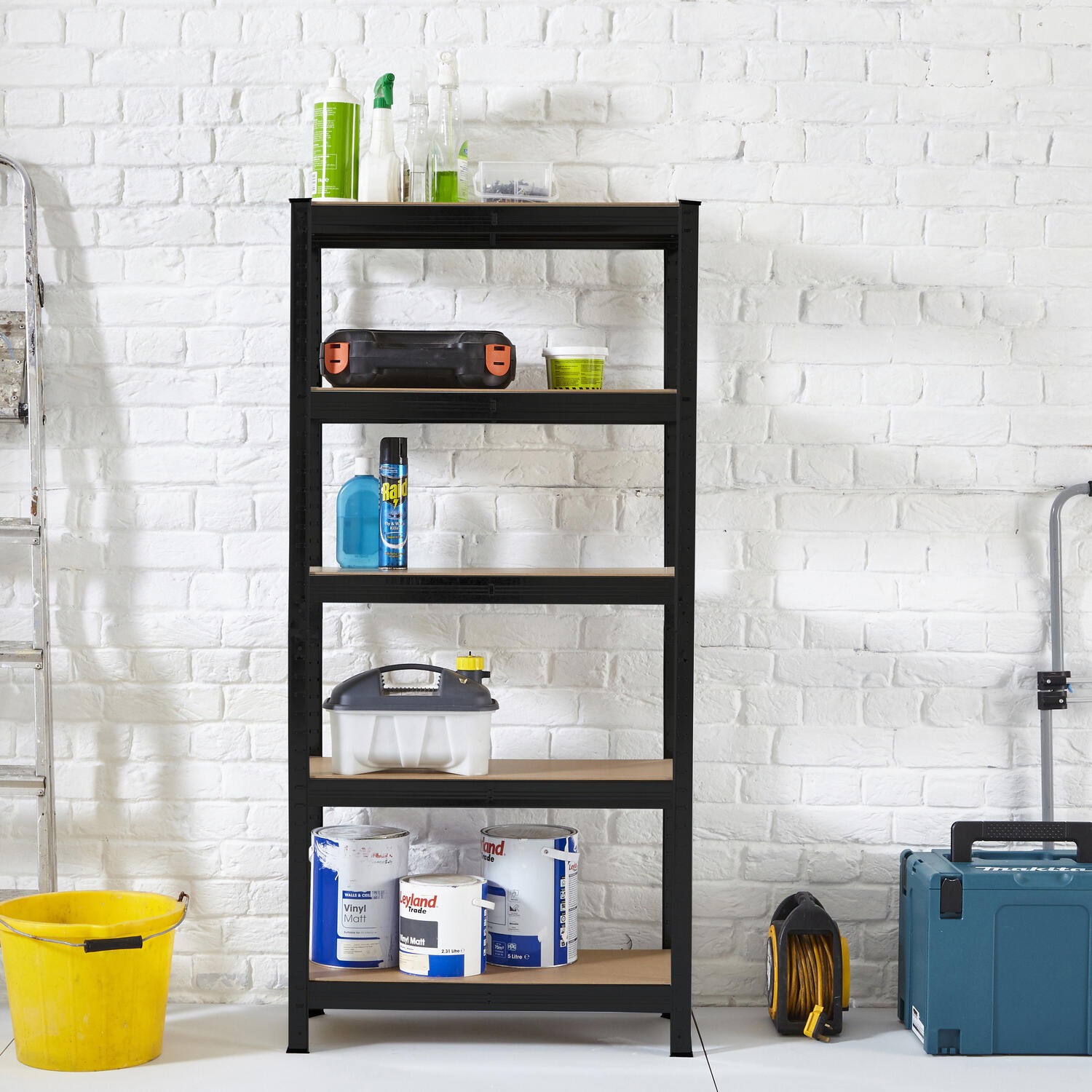
Cheap garage shelving fails in humid environments for one core reason: moisture attacks weak materials faster than most buyers expect. In garages, humidity often rises from outdoor air exchange, wet vehicles, concrete floor vapor, and seasonal temperature swings, so garage shelving is exposed to stress every day, not only during storms. When low-cost units are built with thin steel, poor coatings, low-grade fasteners, and moisture-sensitive boards, the structure can lose rigidity, corrode, and deform long before its stated load limit is reached. Understanding how humidity damages garage shelving helps facility managers and homeowners avoid repeated replacement cycles and hidden storage risk.
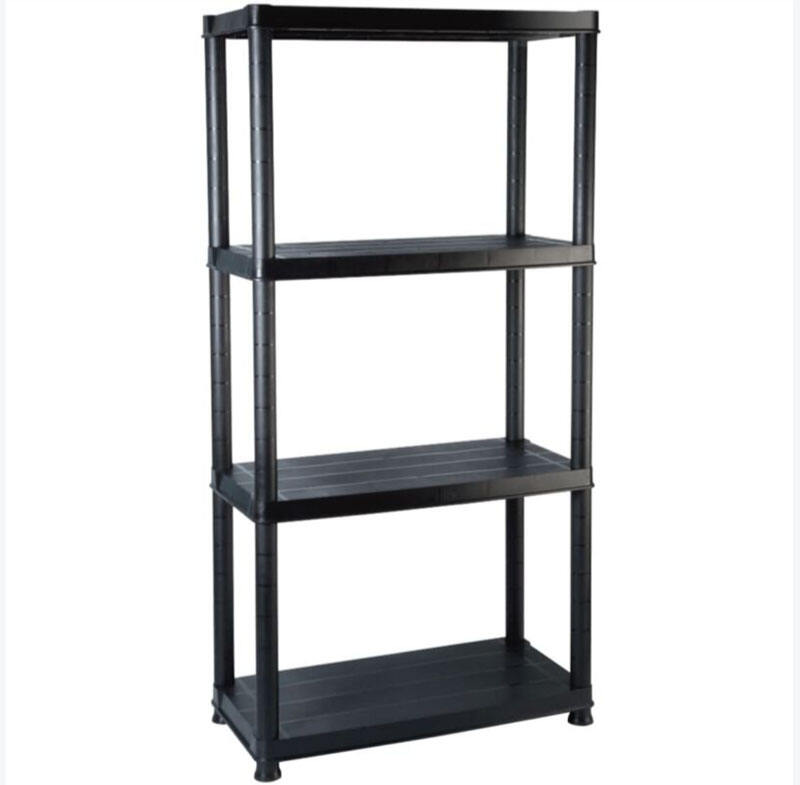
The failure pattern is rarely a single dramatic collapse at first. Most garage shelving degrades in stages: minor rust spots, shelf bowing, connector play, wobble, and then progressive instability under routine loads. In high-humidity regions, this timeline accelerates because moisture works into every exposed edge, fastener joint, and coating defect. If your operation depends on reliable garage shelving for tools, inventory, maintenance supplies, or seasonal stock, material selection and humidity compatibility are not optional details; they are the difference between stable storage performance and recurring failure costs.
Humidity creates constant material stress in enclosed garage environments
Moisture exposure is persistent, not occasional
Many buyers assume humidity is only a concern in coastal or tropical climates, but garage shelving can face high relative humidity in almost any region. Garages are often semi-conditioned spaces with frequent door openings, making warm moist air contact cooler surfaces. That cycle creates condensation events that repeatedly wet metal and shelf surfaces, even when no visible water leak exists.
Concrete slabs can also release moisture vapor upward, which means the lowest tier of garage shelving is often the first to show damage. Inexpensive units usually have minimal protective treatment at leg bottoms, so corrosion starts where inspection is less frequent. Over time, what appears to be light surface oxidation reduces cross-section strength at critical load points.
Temperature swings accelerate deterioration pathways
Humidity rarely acts alone. Daily and seasonal temperature changes make garage shelving expand and contract, especially at connections where different materials meet. Thin-gauge steel, low-quality coatings, and moisture-prone shelf boards can move at different rates, opening micro-gaps that allow deeper water ingress.
Once these pathways open, each humidity cycle worsens adhesion loss and corrosion spread. Cheap garage shelving often lacks enough coating thickness and edge protection to resist this repeating stress. The result is a system that may look acceptable in a dry showroom but underperforms in real garages where air conditions shift constantly.
Why low-cost construction fails faster than expected
Thin metal and weak joints lose structural margin quickly
Cheap garage shelving is commonly manufactured with thinner uprights and beams to hit price targets. In dry conditions, that may still carry moderate static loads, but humid conditions reduce the safety margin. Rust at bolt holes and connection tabs creates local weakness, and these are exactly the points that stabilize the frame against sway.
As joints loosen, garage shelving starts to rack under side movement from normal use, such as placing bins or pulling cartons. That movement increases fatigue at already weakened connectors. Eventually, shelves that were once level begin to tilt, and load distribution shifts to fewer members, accelerating failure.
Low-grade shelf panels absorb moisture and deform
Many budget units use particleboard or untreated composite panels that absorb moisture from humid air. When those panels swell, they lose flatness and stiffness, so garage shelving no longer distributes weight evenly across beams. The center of each shelf can sag, placing extra force on frame edges and joint corners.
Swelling and drying cycles can also cause surface breakdown and edge crumbling. Once shelf panels degrade, users often compensate by overloading intact areas, which creates uneven stress and increases tipping risk. This is a frequent reason garage shelving appears to fail below its advertised capacity.
Inadequate coatings and fasteners invite corrosion spread
Protective finish quality is a major divider between short-lived and durable garage shelving. Thin paint layers, inconsistent powder coating, and unprotected cut edges are common in low-cost products. In high humidity, these weak points become corrosion initiation sites, then rust migrates under adjacent coating.
Fasteners are another overlooked factor. If bolts, nuts, or inserts are not moisture resistant, corrosion can lock, seize, or weaken connections. At that point, garage shelving maintenance becomes difficult because adjustment and retightening are no longer reliable, and replacement parts may not restore original stability.
Operational impact of humidity-related shelving failure
Safety risk rises before visible collapse
The business impact of failing garage shelving starts before any dramatic incident. Small frame distortion changes how loads transfer across levels, so stored items may shift unexpectedly. In service garages, maintenance areas, or utility storage rooms, that instability increases handling risk for staff and can damage packaged goods or tools.
Because degradation is gradual, teams normalize wobble and shelf bowing until a near-miss occurs. Reliable garage shelving should maintain geometry over time, not only initial load support. Humidity-related deterioration undermines that reliability and reduces confidence in daily operations.
Replacement and downtime costs exceed upfront savings
Cheap purchase price often hides lifecycle cost. When garage shelving fails early, organizations pay for replacement units, labor for unloading and reassembly, and disruption to workflow. Stored materials may need temporary relocation, which consumes floor space and delays routine tasks.
In many cases, repeated replacement cycles cost more than selecting humidity-resilient garage shelving at the start. A better frame material, corrosion-resistant finish, and moisture-stable shelf design typically extend service life and lower total cost per year of use.
How to prevent failure in high-humidity garages
Match material system to moisture reality
The first control measure is choosing garage shelving designed for damp environments rather than dry retail display. Corrosion-resistant polymers, properly coated steel, and moisture-stable shelf surfaces perform better where humidity is persistent. The right product specification should include resistance to rust, swelling, and connector degradation under routine environmental cycling.
For teams evaluating options, this garage shelving approach reflects the practical shift toward moisture-tolerant structures in utility and garage settings. The key is not a marketing label, but whether materials and connection design remain stable when humidity stays high for long periods.
Improve installation and environmental controls
Even high-quality garage shelving benefits from proper setup. Keeping bottom levels off direct floor moisture, maintaining level placement, and securing units where needed all reduce stress concentration. Clearance from walls can improve airflow and limit trapped condensation behind loaded shelves.
Basic humidity controls also matter. Ventilation timing, moisture barriers, and dehumidification in enclosed periods can reduce exposure intensity. These steps do not replace better garage shelving materials, but they slow deterioration and support longer structural consistency.
Use inspection routines focused on early indicators
A short monthly check can prevent expensive failures. Inspect garage shelving legs, connector points, shelf flatness, and coating integrity, especially near floor level and high-load tiers. Early rust treatment and load redistribution are easier than emergency replacement after geometric distortion has progressed.
Load discipline is equally important. Keep heavy items on lower levels, avoid point loading, and document practical weight limits based on real humidity conditions rather than ideal lab assumptions. With this approach, garage shelving remains predictable and safer over longer service intervals.
FAQ
Why does rust start at the bottom of garage shelving first?
The lower section of garage shelving is closest to slab moisture vapor, tracked-in water, and settled humid air. This zone experiences longer wet exposure and less airflow, so coatings fail faster and corrosion begins earlier. Once rust forms at the base, structural stability can decline quickly because legs carry the primary vertical load.
Can cheap garage shelving work in humid areas with careful maintenance?
Cheap garage shelving can last somewhat longer with strict maintenance, but material limitations remain. Frequent drying, rust touch-up, and load reduction can delay failure, yet thin frames and moisture-sensitive panels still degrade under repeated humidity cycles. For long-term reliability, humidity-resistant construction is usually the more cost-effective path.
Is plastic garage shelving better than metal in high humidity?
Plastic garage shelving is often more resistant to rust, which is a major advantage in humid spaces. Performance still depends on design quality, load rating, and joint strength, but moisture tolerance is generally stronger than low-grade painted steel. In many garages, this reduces corrosion-related maintenance and extends usable life.
How often should garage shelving be inspected in damp garages?
For damp conditions, inspect garage shelving at least once per month and after major weather shifts. Focus on leg bases, fasteners, shelf deflection, and any movement during loading. Regular checks catch early warning signs before deformation becomes a safety issue or causes unplanned replacement.

