 EN
EN

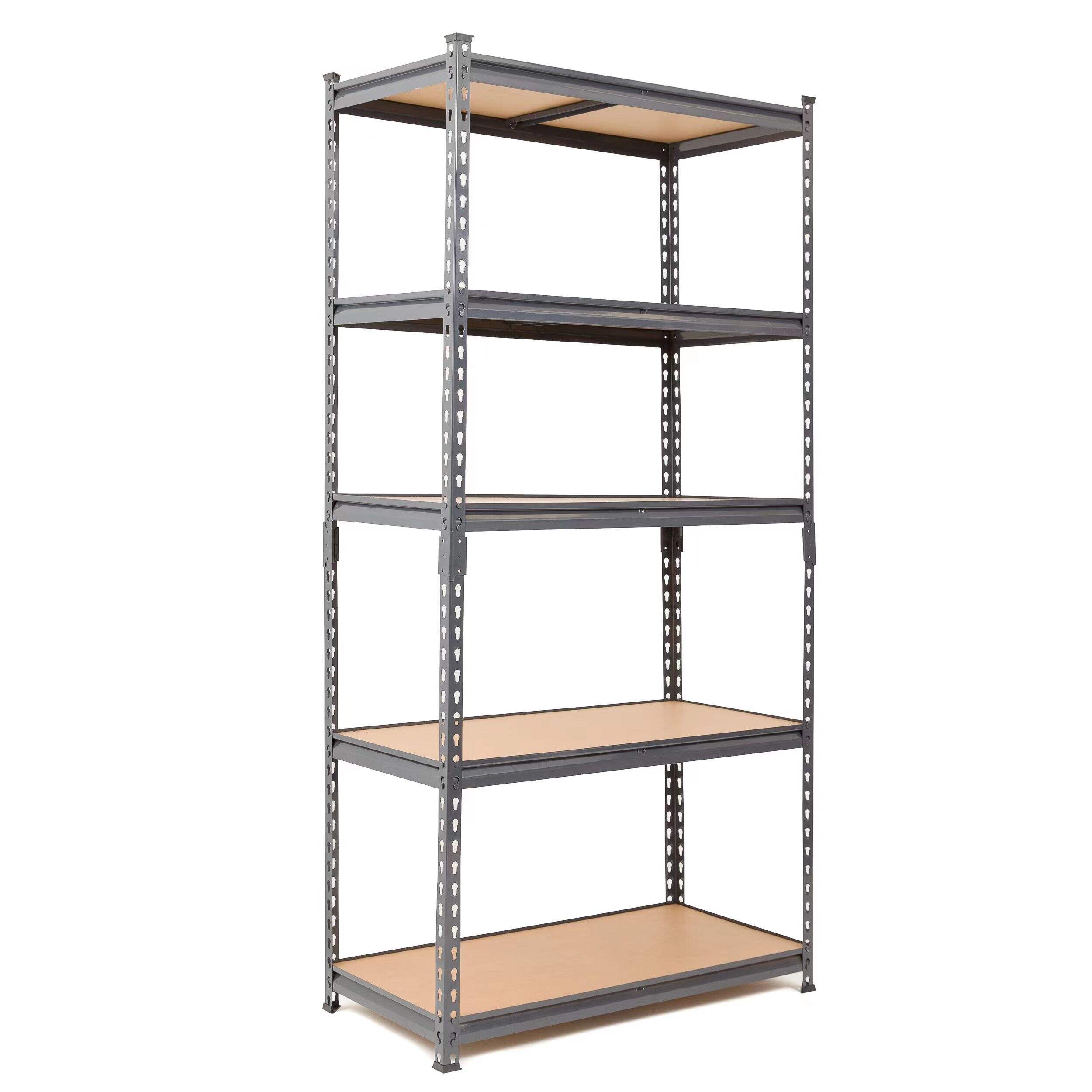
In most industrial workshops, lost time does not come from complex engineering problems. It comes from small interruptions repeated all day: searching for a drill bit, moving boxes to reach one carton, or clearing floor space before a task can begin. That is why garage shelving is often the single highest-leverage change in a constrained workspace. When garage shelving is planned around task flow, teams reduce walking distance, cut handling touches, and keep tools visible at the point of use.
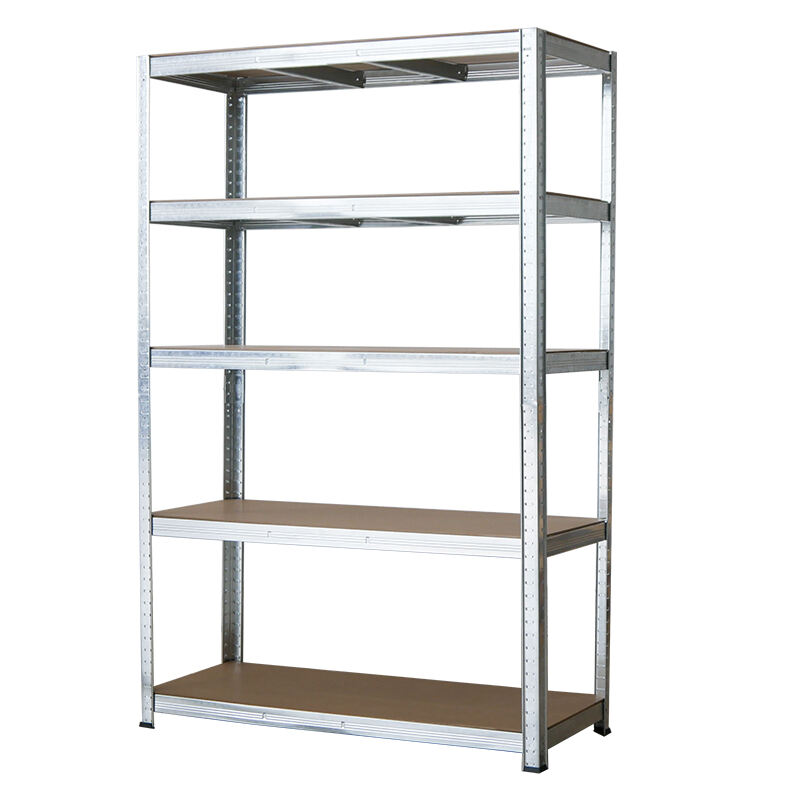
The reason garage shelving can unlock near 2x workspace efficiency is practical, not theoretical. Good garage shelving converts dead vertical air into active storage, protects aisle clearance, and creates repeatable locations for every item class. With structured garage shelving, daily work becomes faster because people stop negotiating clutter and start following a clear physical system.
Operational bottlenecks that garage shelving removes
Time loss from dispersed tools and materials
A typical garage work area stores fasteners, hand tools, consumables, parts, and seasonal items in mixed locations. Without garage shelving, these categories blur together and force workers into search behavior. Each search may take only a minute, but repeated dozens of times per shift, it becomes a major productivity drain. Garage shelving solves this by giving each category a fixed, visible home that lowers decision time.
The real value of garage shelving is consistency under pressure. During peak workload, people need a storage system that works even when the area is busy and noisy. Proper garage shelving preserves order because retrieval and return become simple habits, not memory tests. That stability is a direct driver behind efficiency gains approaching 2x in high-turnover zones.
Motion waste and retrieval friction in constrained footprints
Motion waste is one of the most expensive hidden costs in small industrial spaces. When floor stacks block access, workers bend, reach, and reposition materials before they can perform the actual task. Garage shelving reduces this friction by elevating inventory to ergonomic heights and keeping paths open. As a result, the same square meter supports more productive minutes per day.
Garage shelving also reduces re-handling, which is a major cause of slow cycle times. If a part is buried behind unrelated boxes, it may be touched three or four times before use. With layered garage shelving, access becomes direct and predictable, so parts are handled once and moved forward. That single change compounds across receiving, assembly, and dispatch operations.
Why garage shelving can double usable workspace capacity
Vertical cube utilization instead of horizontal sprawl
Many workshops use only floor-level storage, which wastes the full vertical envelope of the room. Garage shelving turns unused wall height into structured storage layers, effectively multiplying capacity without expansion. This is the first reason garage shelving is linked to 2x efficiency: the workspace gains functional volume while preserving movement lanes. Teams can work faster because the floor becomes a production surface, not a storage dump.
When garage shelving is matched to load profile and item dimensions, each bay carries more useful inventory with less crowding. Heavy items stay low for stability, medium-turn products stay at hand height, and light reserve stock stays higher. This stratification makes garage shelving a planning tool, not just furniture. Better placement means less strain, faster picking, and fewer workflow interruptions.
Zoning logic that aligns storage with task frequency
Efficiency doubles when garage shelving is organized by usage frequency instead of random available space. High-frequency parts should be closest to the main bench, while low-frequency items should be positioned on peripheral garage shelving. This reduces retrieval distance and protects momentum during repetitive work. Over time, shorter retrieval loops produce significant labor-hour savings.
Garage shelving supports visual zoning that new staff can understand quickly. If labels, shelf levels, and category boundaries are clear, onboarding time drops and errors decline. This is why garage shelving is especially effective in teams with rotating operators. The physical layout communicates process expectations better than verbal instructions alone.
Efficiency gains across daily industrial workflows
Receiving, sorting, and replenishment acceleration
Receiving is often chaotic in compact facilities because inbound goods arrive in mixed batches. Garage shelving creates dedicated intake zones where items can be sorted immediately by category and destination. Instead of temporary floor piles that linger for hours, garage shelving enables direct put-away with fewer touches. That compression of receiving time contributes materially to overall workspace efficiency.
Replenishment also improves when garage shelving is structured with minimum and maximum stock cues. Operators can identify shortages at a glance and refill before line-side stockouts occur. Garage shelving therefore supports rhythm and continuity, not just storage. Stable replenishment avoids stop-start work patterns that quietly erode throughput.
Maintenance quality, safety control, and downtime reduction
Maintenance tasks suffer when critical tools are misplaced or contaminated by poor storage conditions. Garage shelving keeps maintenance kits grouped, protected, and accessible, which speeds intervention during minor faults. Faster intervention reduces equipment downtime and protects production commitments. In this way, garage shelving influences reliability as much as organization.
Safety outcomes improve because garage shelving reduces trip hazards and unstable stacking. Clear aisles support safer movement of carts and manual loads, while designated shelf positions lower overreaching and awkward lifting. Fewer incidents mean fewer disruptions and less unplanned labor loss. That operational stability is part of why garage shelving is tied to large efficiency gains.
Implementation model for measurable 2x efficiency results
Layout audit, item mapping, and shelf assignment
A successful garage shelving project starts with a simple workflow audit. Track which items are used most, where delays occur, and how often workers cross paths unnecessarily. Then map those findings into garage shelving zones so the physical layout mirrors real task sequence. This data-led method ensures garage shelving supports output rather than aesthetics.
During assignment, classify items by weight, access frequency, and handling risk. Garage shelving should place heavy stock on lower levels, frequent-use stock in the power zone, and reserve stock at upper levels. Keeping this structure consistent prevents drift back to clutter. The discipline of structured garage shelving is what sustains efficiency gains beyond the first month.
Load classes, labeling standards, and governance routine
Garage shelving performs best when every shelf level has a clear load class and purpose. Teams should define what belongs in each bay and what never belongs there. With visible rules, garage shelving becomes self-correcting because deviations are obvious. This protects both safety and process speed.
Governance is the final multiplier. A weekly five-minute check of garage shelving conditions, label clarity, and aisle compliance prevents gradual disorder. Small corrections done frequently are cheaper than periodic full resets. When governance is steady, garage shelving continues to deliver high workspace efficiency quarter after quarter.
Financial and organizational impact of garage shelving decisions
Labor productivity and space cost efficiency
The economic case for garage shelving is strongest in labor utilization. If each worker saves even minutes per hour from faster retrieval and fewer movements, total recovered capacity becomes substantial over a year. Garage shelving effectively creates productive time without adding headcount. That is a practical path to better margins in space-constrained operations.
Space cost is another major factor. Expanding a facility is expensive and slow, but garage shelving extracts more utility from existing square footage immediately. By using vertical storage intelligently, garage shelving delays or avoids expansion pressure. This makes capital planning more flexible while maintaining operational performance.
Asset protection, quality consistency, and team discipline
Poor storage damages tools, components, and consumables through impact, moisture exposure, or misplacement. Garage shelving protects assets by separating categories and minimizing random stacking. Better protection means fewer replacements and fewer quality defects caused by degraded materials. This turns garage shelving into a quality-control contributor, not just an organizational aid.
There is also a cultural impact. When garage shelving is standardized, teams share the same expectations for return locations and housekeeping. That shared discipline improves shift handovers and reduces blame cycles around missing items. Over time, garage shelving reinforces process maturity, which is essential for sustained efficiency at scale.
FAQ
How quickly can garage shelving improve daily efficiency?
Most teams see immediate gains once garage shelving is installed with clear zoning and labels. The fastest improvement usually appears in retrieval time, because workers stop searching and start following fixed locations. Additional gains follow as replenishment and housekeeping routines stabilize around the garage shelving layout.
What type of workspace benefits most from garage shelving?
Any workspace with mixed inventory, limited floor area, and frequent picking activity benefits from garage shelving. Maintenance bays, small assembly cells, and service workshops are common examples. The more often staff handle tools and parts, the more value garage shelving creates.
Does garage shelving require process changes to deliver 2x efficiency?
Yes, garage shelving works best when paired with simple process rules for placement, labeling, and periodic checks. Without those habits, even high-quality garage shelving can drift into disorder. With light governance, garage shelving supports sustained gains that are measurable in time saved and throughput stability.
How do you maintain long-term performance after installing garage shelving?
Sustained performance comes from routine discipline rather than complex systems. Keep garage shelving categories fixed, audit shelf compliance weekly, and update labels when item mix changes. This keeps garage shelving aligned with real workflow and preserves the efficiency improvements achieved at launch.

