Heavy Duty Metal Work Table - Industrial Strength Workbenches for Professional Use

Contact me immediately if you encounter problems!

All Categories

heavy duty metal work table

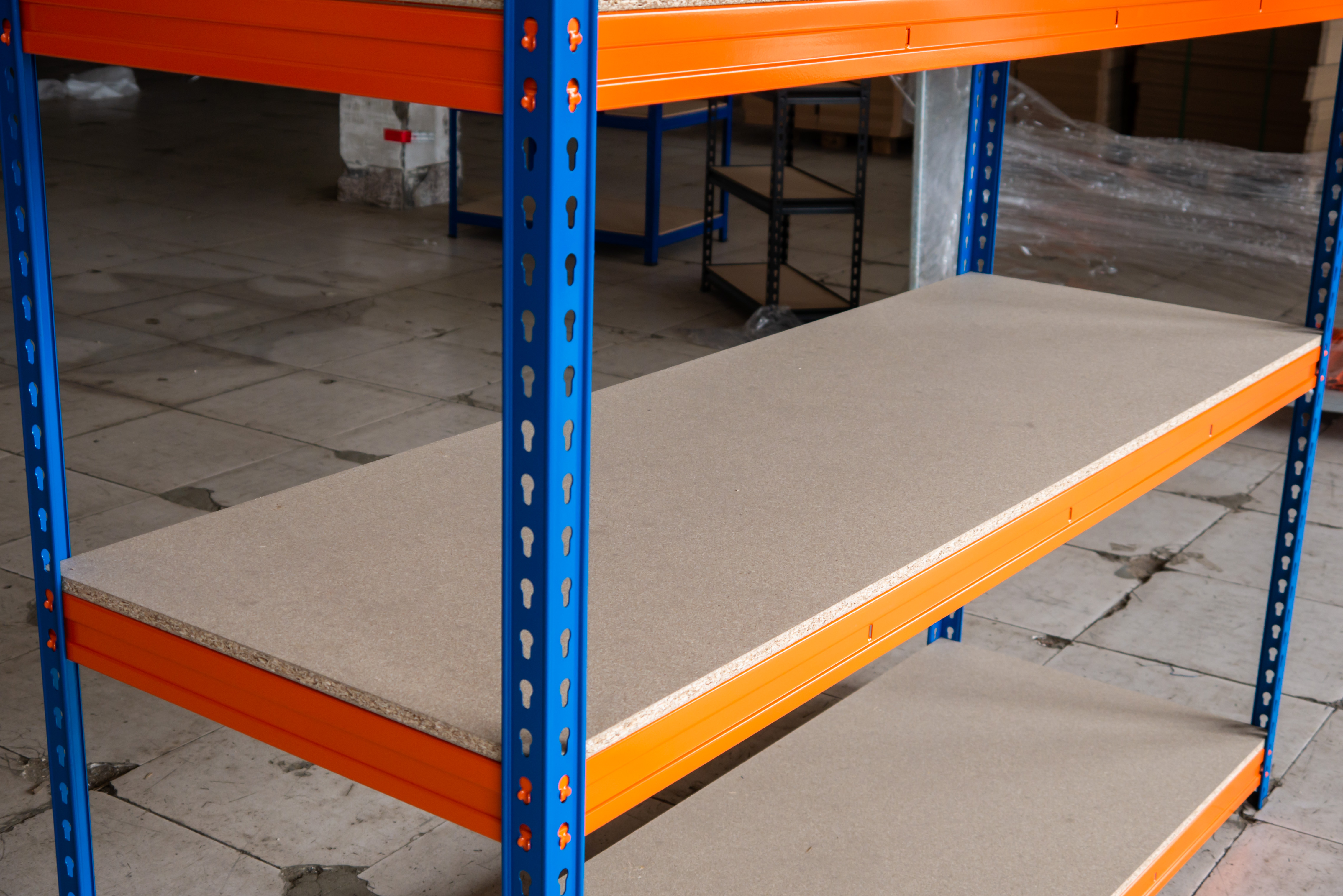
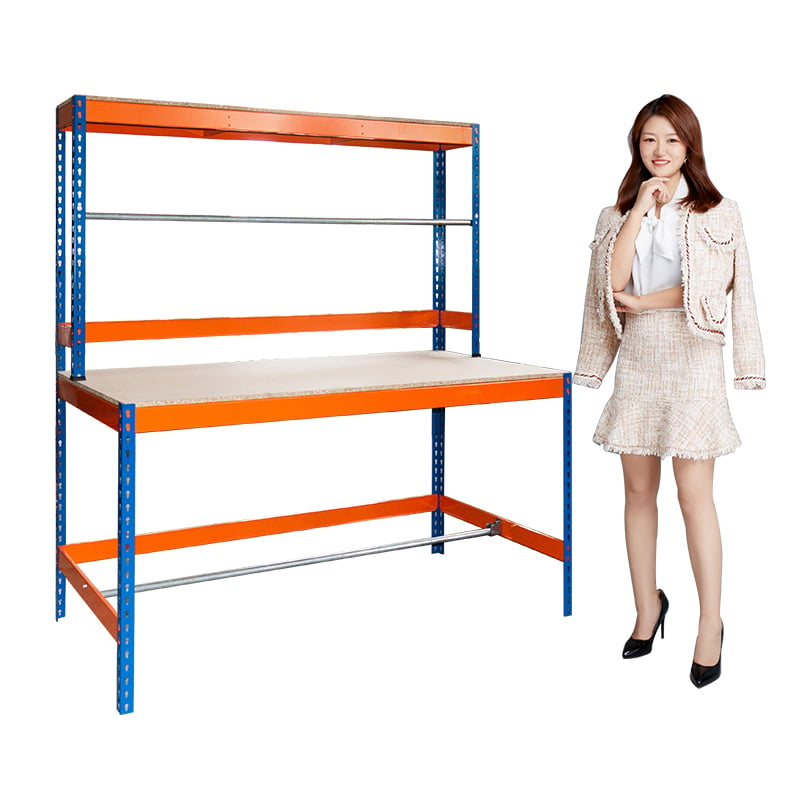
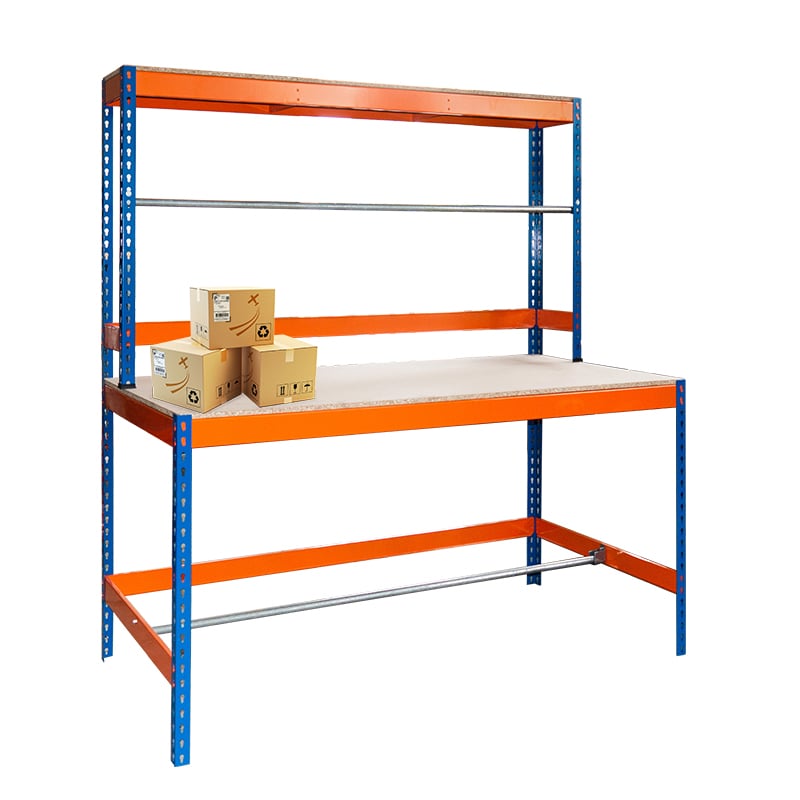
A heavy duty metal work table represents an essential investment for workshops, garages, manufacturing facilities, and industrial environments where reliability and durability are paramount. Designed to withstand rigorous daily use, this heavy duty metal work table provides a stable and robust platform for various tasks including assembly, fabrication, inspection, packaging, and maintenance operations. The construction typically features high-grade steel materials that ensure longevity and resistance to wear, impact, and deformation even under substantial loads. The heavy duty metal work table comes equipped with reinforced legs and cross-bracing that distribute weight evenly across the structure, preventing wobbling or instability during precision work. The work surface itself is engineered to resist scratches, dents, and chemical damage, making it suitable for environments where tools, machinery parts, and abrasive materials are handled regularly. Many models feature adjustable height mechanisms that accommodate different user preferences and task requirements, promoting ergonomic working conditions that reduce operator fatigue. The powder-coated finish not only enhances the aesthetic appeal but also provides additional protection against rust and corrosion, extending the service life significantly. Storage options such as integrated drawers, shelves, and pegboard panels transform the heavy duty metal work table into a comprehensive workstation that keeps tools and materials organized and within easy reach. The modular design of modern heavy duty metal work tables allows for customization according to specific workflow needs, with accessories like vises, lighting fixtures, and power strips easily attachable. Whether used in automotive repair shops, electronics assembly lines, woodworking studios, or educational institutions, the heavy duty metal work table delivers consistent performance that professionals depend on. The load-bearing capacity often ranges from several hundred to over a thousand pounds, accommodating heavy equipment and bulk materials without compromising structural integrity. Investment in a quality heavy duty metal work table translates to improved productivity, enhanced safety, and reduced downtime caused by inadequate work surfaces.

New Product Releases

The heavy duty metal work table offers numerous practical benefits that directly impact your daily operations and bottom line. First and foremost, durability stands as the primary advantage, with construction materials chosen specifically to endure years of intensive use without requiring frequent repairs or replacement. Unlike wooden benches that warp, crack, or splinter over time, or lightweight plastic tables that buckle under pressure, a heavy duty metal work table maintains its structural integrity through countless projects. This longevity translates to significant cost savings, as you avoid the expense and disruption of continually replacing inadequate work surfaces. The stability provided by a heavy duty metal work table cannot be overstated, particularly when performing tasks that require precision and accuracy. The solid foundation eliminates vibration and movement that can compromise measurement accuracy, drilling precision, or assembly alignment. Workers can apply force confidently when tightening bolts, hammering components, or operating machinery without worrying about table collapse or shifting. Safety improvements represent another crucial advantage, as the heavy duty metal work table reduces workplace accidents related to unstable work surfaces. The sturdy construction prevents tipping incidents, while the flat, level surface minimizes the risk of materials rolling off or tools slipping during use. Versatility defines the modern heavy duty metal work table, with designs accommodating diverse applications across multiple industries. The same table that serves an automotive technician diagnosing engine problems can equally support an artist working with metal sculpture or a laboratory technician conducting experiments. This adaptability makes the heavy duty metal work table a smart investment for facilities with varied operational needs. Organization capabilities built into many heavy duty metal work table designs enhance workflow efficiency by keeping essential tools and materials accessible yet orderly. Integrated storage eliminates time wasted searching for misplaced items and reduces clutter that can create hazards or slow productivity. The ease of maintenance presents yet another advantage, as metal surfaces simply require periodic cleaning and occasional lubrication of moving parts. Unlike porous materials that absorb oils and chemicals, the sealed surface of a heavy duty metal work table resists staining and contamination. Ergonomic benefits emerge from adjustable height options that let users customize the working level to their physical requirements, reducing back strain and promoting better posture during extended work sessions. The professional appearance of a heavy duty metal work table also contributes to creating an organized, credible workspace that impresses clients and inspires confidence. Environmental considerations favor metal construction as well, since steel is highly recyclable and maintains value at end of life. The investment in a heavy duty metal work table pays dividends through enhanced productivity, improved quality of work output, and the peace of mind that comes from working on equipment you can trust absolutely.

Latest News

How to Select a Durable Warehouse Platform Truck Supplier?

29

Apr

How to Select a Durable Warehouse Platform Truck Supplier?

Selecting a durable warehouse platform truck supplier is a critical decision that directly impacts operational efficiency, safety standards, and long-term cost management in industrial facilities. The choice of supplier determines not only the qualit...
View More
How to Source Trolleys That Withstand Continuous Material Handling?

29

Apr

How to Source Trolleys That Withstand Continuous Material Handling?

Sourcing reliable material handling equipment requires a strategic approach that balances durability, operational demands, and long-term cost efficiency. Organizations engaged in continuous material handling operations depend on trolleys that can end...
View More
How to Verify Quality in Bulk Orders of PVC Platform Trolleys?

29

Apr

How to Verify Quality in Bulk Orders of PVC Platform Trolleys?

When sourcing industrial equipment in large quantities, verifying the quality of a foldable pvc platform hand truck trolley becomes a critical step that directly impacts operational efficiency, worker safety, and long-term cost management. Bulk order...
View More
When should procurement teams audit garage tool rack suppliers?

30

Apr

When should procurement teams audit garage tool rack suppliers?

Procurement teams responsible for warehouse equipment, garage storage systems, and facility organization face a critical question: when is the right time to audit their tool rack for garage supplier? This decision carries significant weight, as the q...
View More

Get a Free Quote

Our representative will contact you soon.
Email Adress
Your Name
Phone
Company Name
Message
0/1000

heavy duty metal work table

Uncompromising Load Capacity and Structural Engineering

Uncompromising Load Capacity and Structural Engineering

The engineering excellence behind a heavy duty metal work table sets it apart from ordinary work surfaces through sophisticated structural design principles that maximize load-bearing capabilities while maintaining practical usability. At the foundation of this capability lies the careful selection of steel grades, with manufacturers typically employing cold-rolled steel or stainless steel variants that offer superior tensile strength and resistance to permanent deformation. The thickness of the tabletop material, often ranging from 14 to 12 gauge or heavier, directly correlates to the weight capacity, with thicker materials supporting heavier loads without flexing or bowing. The heavy duty metal work table achieves its remarkable stability through strategic reinforcement techniques including longitudinal and lateral bracing that creates a rigid framework resistant to racking and twisting forces. The leg design incorporates square or rectangular tubing rather than round pipes, providing greater resistance to bending in multiple directions and offering more surface area for secure floor contact. Welded construction at critical joints ensures continuous load paths that distribute forces efficiently throughout the entire structure rather than concentrating stress at connection points where failures typically initiate. Many heavy duty metal work table models feature adjustable leveling feet that compensate for uneven floor surfaces, maintaining a perfectly level work plane essential for precision tasks while simultaneously enhancing stability by ensuring all support points make solid contact. The load distribution characteristics of a properly designed heavy duty metal work table allow users to position heavy equipment anywhere on the surface rather than restricting loads to specific reinforced zones. This flexibility proves invaluable in dynamic work environments where task requirements change frequently and equipment must be repositioned regularly. The robust construction also provides vibration damping properties that benefit operations involving power tools or machinery, as the mass and rigidity of the heavy duty metal work table absorb oscillations that would otherwise affect work quality. Understanding the rated capacity requires recognizing the difference between static and dynamic loads, with the heavy duty metal work table specifications typically reflecting static weight limits that assume evenly distributed loading. Real-world applications often involve point loads and impact forces, which is why quality manufacturers incorporate substantial safety factors into their designs, ensuring the table performs reliably even under demanding conditions that exceed normal use parameters.
Corrosion Resistance and Surface Protection Technologies

Corrosion Resistance and Surface Protection Technologies

The longevity and consistent performance of a heavy duty metal work table depend significantly on advanced surface treatment technologies that protect the underlying metal from environmental degradation and operational wear. Corrosion represents the primary threat to metal structures, occurring when moisture and atmospheric oxygen interact with iron content to form rust that progressively weakens material integrity and compromises structural strength. The heavy duty metal work table combats this through multiple protective strategies, beginning with powder coating application that creates a dense, uniform barrier between the metal substrate and the surrounding environment. The powder coating process involves electrostatically charging fine polymer particles that adhere to the grounded metal surface before being cured in high-temperature ovens, resulting in a chemically bonded finish far more durable than conventional liquid paints. This finish on a heavy duty metal work table resists chipping, scratching, and peeling while providing excellent chemical resistance against oils, solvents, cleaning agents, and other substances commonly encountered in industrial settings. Some premium heavy duty metal work table models utilize stainless steel construction that offers inherent corrosion resistance through chromium content that forms a passive oxide layer, self-healing when scratched and providing protection without additional coatings. The work surface itself often receives specialized treatment beyond the frame protection, with options including zinc plating, galvanization, or specialized epoxy coatings selected based on intended use environments and exposure conditions. Manufacturers recognize that different applications subject the heavy duty metal work table to varying chemical exposures, temperature extremes, and physical abuse levels, prompting them to offer surface options tailored to specific industry requirements. For example, tables destined for food processing environments might feature FDA-compliant finishes, while those for automotive shops might prioritize oil and gasoline resistance. The edges and corners of a quality heavy duty metal work table receive particular attention during finishing processes, as these areas experience higher wear and present greater risk of coating breakthrough that could initiate corrosion. Regular maintenance extends protection effectiveness, with simple practices like prompt spill cleanup, periodic washing with appropriate cleaners, and touch-up painting of damaged areas preserving the heavy duty metal work table appearance and functionality for decades. The economic value of superior surface protection becomes evident when calculating total cost of ownership, as tables requiring frequent refinishing or suffering premature structural deterioration due to corrosion ultimately cost far more than initially investing in properly protected equipment.
Customization Capabilities and Accessory Integration Systems

Customization Capabilities and Accessory Integration Systems

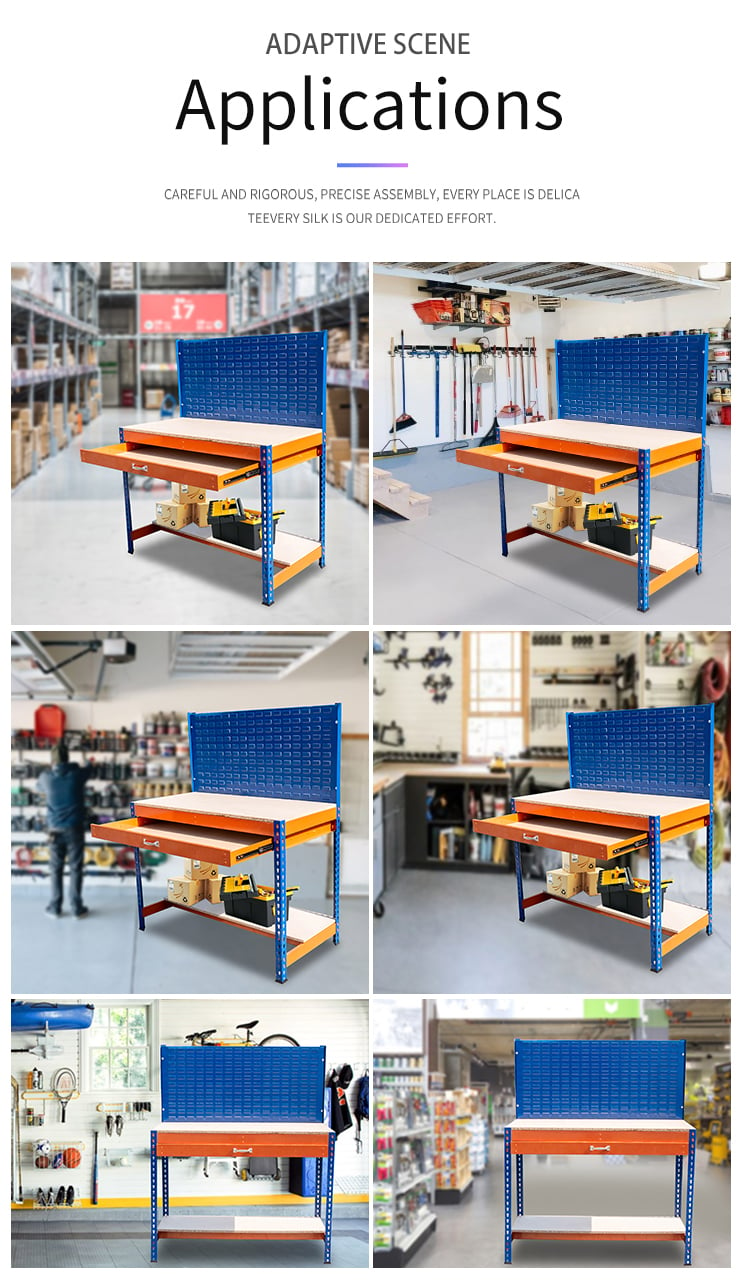
Modern heavy duty metal work table designs embrace modularity and customization options that transform a basic work surface into a fully integrated workstation precisely tailored to specific operational requirements and workflow patterns. This adaptability begins with fundamental dimensional options, as manufacturers offer the heavy duty metal work table in various lengths, widths, and heights to fit available floor space while providing adequate work area for typical tasks. Beyond basic sizing, the accessory ecosystem surrounding quality heavy duty metal work table products enables users to configure their workspace with specialized attachments that enhance functionality without requiring custom fabrication. Pegboard back panels mount to the rear of the heavy duty metal work table, creating vertical storage that keeps frequently used hand tools visible and immediately accessible while freeing valuable surface area for active work. Drawer units slide beneath the table surface, offering secure enclosed storage for precision instruments, small parts, documents, or valuable materials that require protection from dust and unauthorized access. The heavy duty metal work table framework typically incorporates standardized mounting points, slots, or rails that accommodate diverse accessories without requiring drilling or permanent modifications that might compromise structural integrity. Power distribution represents a critical consideration in modern work environments, leading to integration options for electrical outlets, USB charging ports, and cable management systems that route wiring neatly while maintaining safety standards. Lighting attachment capabilities allow users to mount task lights, magnifying lamps, or inspection lights directly to the heavy duty metal work table structure, positioning illumination exactly where needed for detail work without consuming workspace or creating shadows. Vise mounting platforms, anvil attachments, and specialized tool holders can be added to transform the general-purpose heavy duty metal work table into a dedicated station for specific trades like metalworking, electronics repair, or jewelry fabrication. Overhead shelving and hutch units expand storage vertically, particularly valuable in space-constrained facilities where floor area comes at a premium but vertical space remains underutilized. The heavy duty metal work table can even integrate with mobile bases or caster systems that preserve its stability during use while enabling repositioning when facility layouts change or tasks require equipment relocation. This customization philosophy recognizes that operational needs evolve over time, and the heavy duty metal work table investment should adapt rather than becoming obsolete when workflow changes occur. The standardization of accessory mounting interfaces across product lines from quality manufacturers means that accessories remain compatible even when eventually upgrading to new table models, protecting the investment in specialized attachments and configured accessories.
email goToTop