Manufacturing Shelving Solutions: Safer Storage, Faster Picking, and Flexible Growth for Modern Production

Contact me immediately if you encounter problems!

All Categories

manufacturing shelving

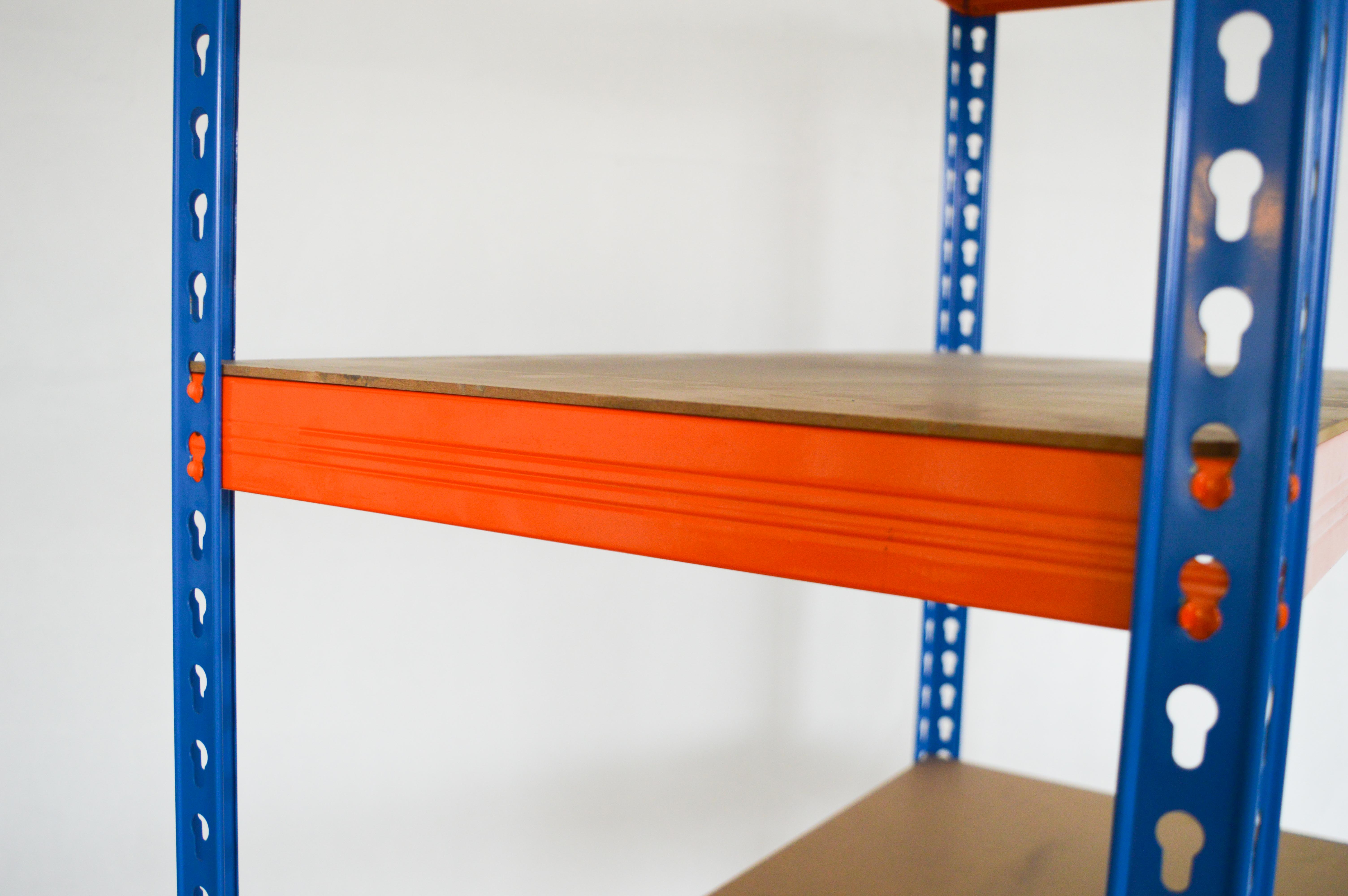
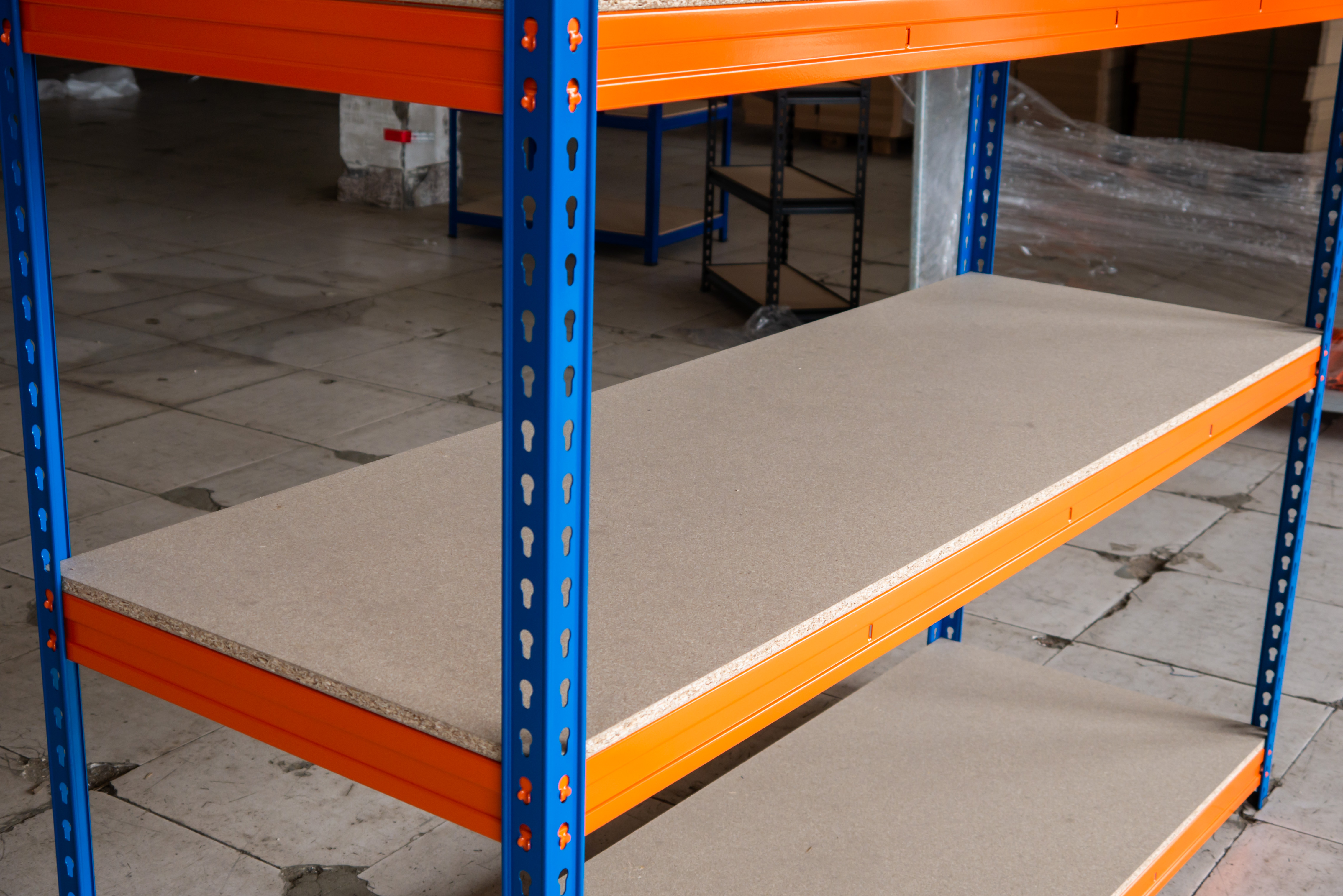
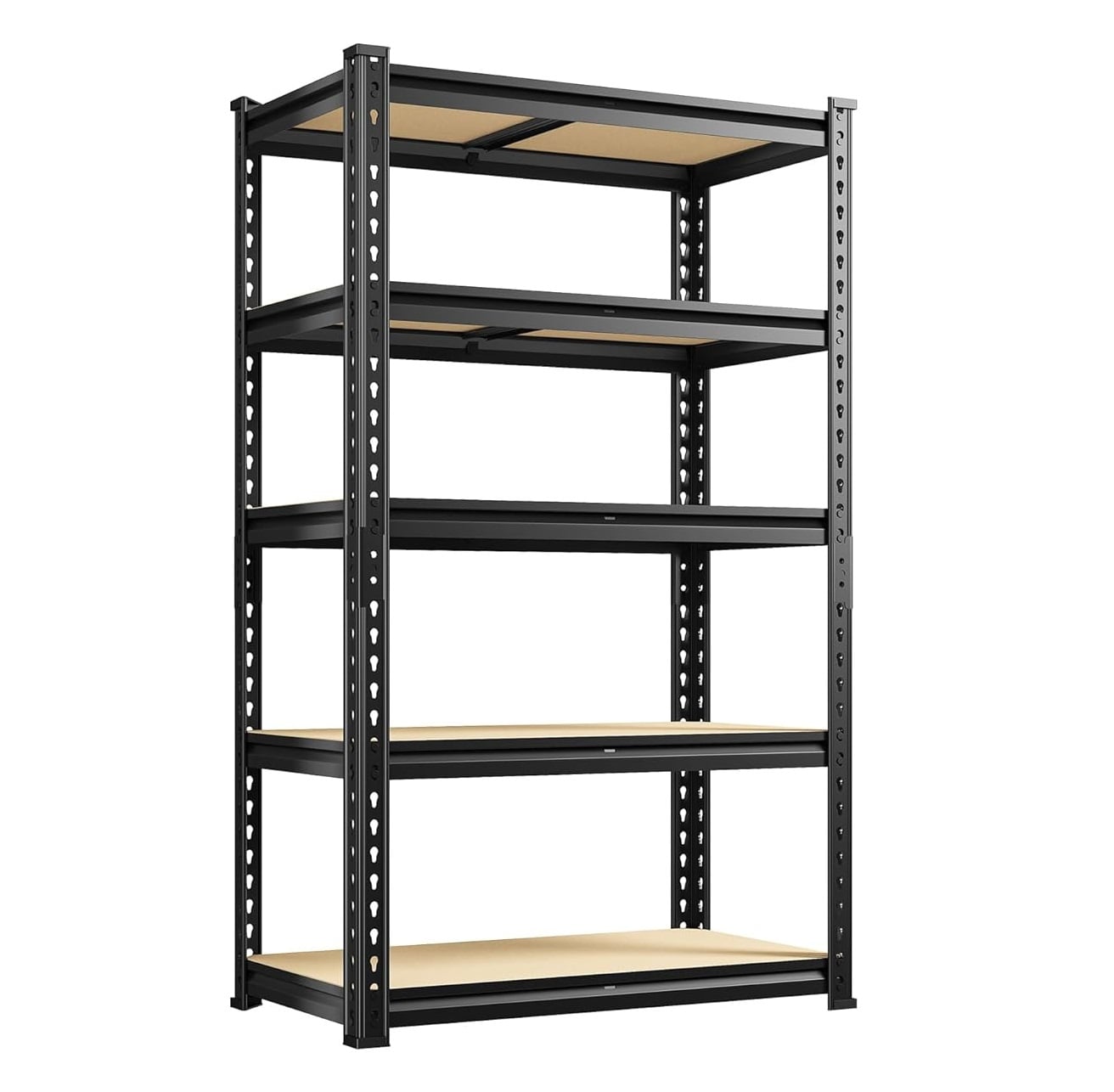
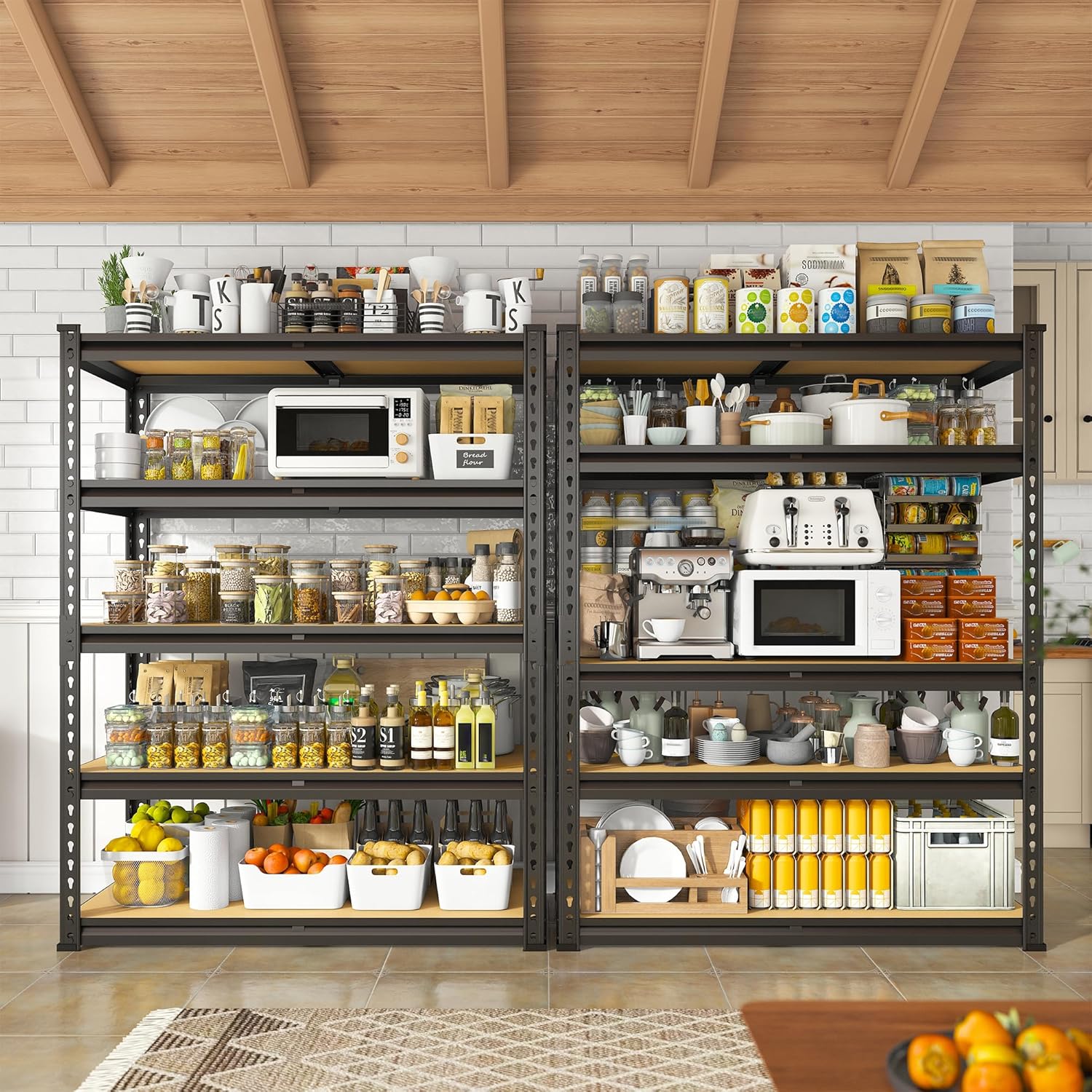
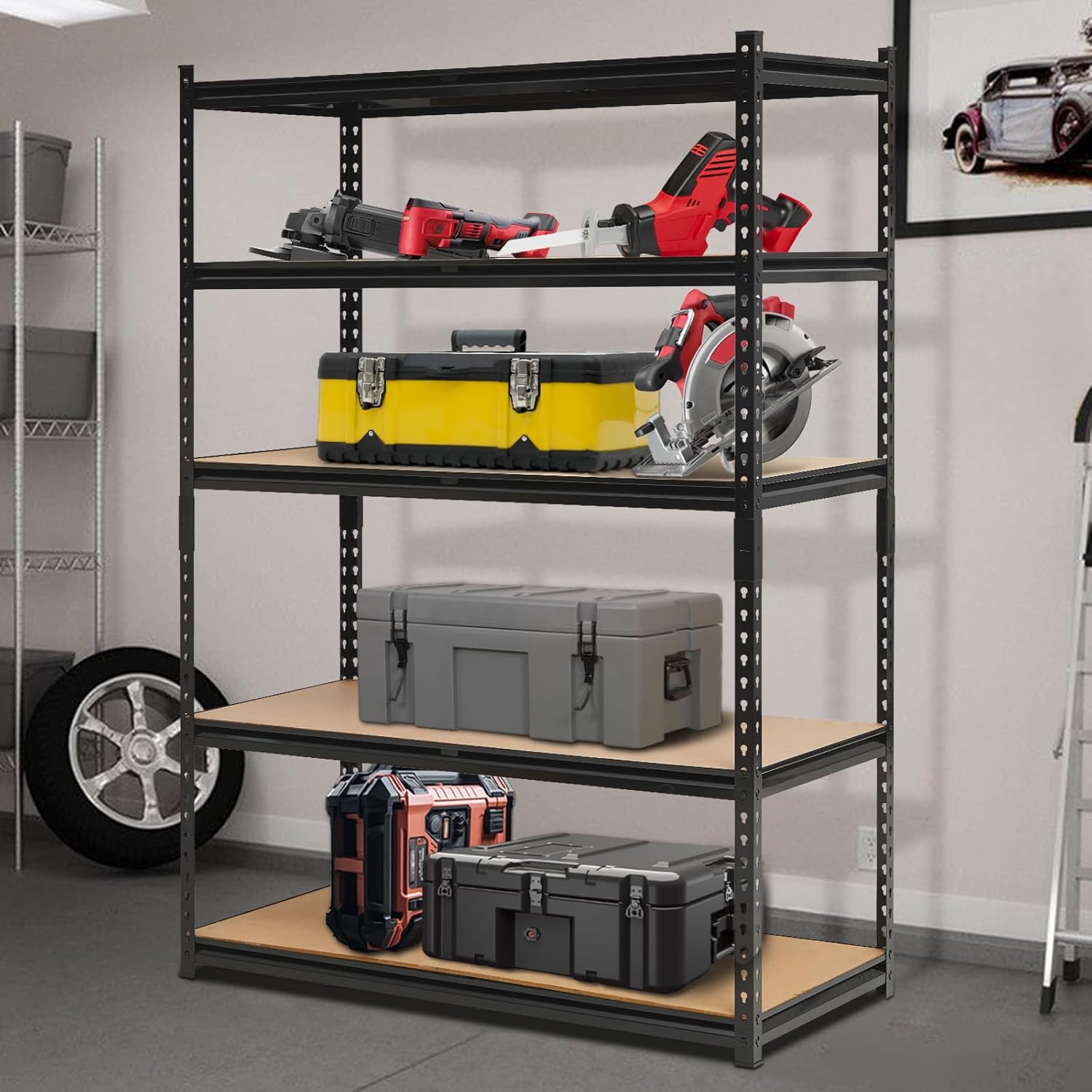
Manufacturing shelving is the core storage system that keeps a production site ordered, safe, and ready for daily output. At its simplest, manufacturing shelving creates dedicated places for tools, raw materials, work in progress, spare parts, and packed goods. Instead of leaving items on floors or in mixed bins, teams use manufacturing shelving to assign clear locations, shorten search time, and keep work moving without avoidable stops. This direct structure supports steady production flow from receiving to assembly to shipping. Good manufacturing shelving also improves visibility. Workers can see stock levels quickly, supervisors can spot shortages early, and planners can reorder materials before delays appear. In many facilities, manufacturing shelving now includes practical technology features that boost control without adding complexity. Common examples include barcode labels, QR location tags, color zoning, load labels, and simple digital inventory links. Some manufacturing shelving systems add adjustable beams, modular frames, anti corrosion coatings, and impact guards, so users can adapt layouts as products or volumes change. These features help teams make fast changes while protecting people and goods. Applications for manufacturing shelving are broad. Heavy duty rows hold metal components in machine shops. Mid weight units organize cartons in electronics assembly areas. Narrow profile shelves keep small parts in maintenance rooms. Cleanable finishes support food and pharmaceutical support spaces. In dispatch zones, manufacturing shelving stages outbound orders by route or customer. Across these cases, the same result appears: a cleaner workspace, easier picking, less waste, and more reliable output. For potential customers, manufacturing shelving is not just furniture. It is an operating system for space, speed, and consistency. When installed with clear labeling and sensible aisle design, manufacturing shelving turns unused square footage into productive capacity and gives teams a daily routine they can trust.

Popular Products

Manufacturing shelving delivers practical benefits that customers can measure from the first weeks of use. The first advantage is faster work. When every item has a fixed position, staff stop walking in circles and stop opening random boxes. Manufacturing shelving cuts search time, so pickers complete tasks sooner and machine operators wait less for parts. That time savings adds up across every shift. The second advantage is better use of floor space. Many sites pay high rent but still waste vertical room. Manufacturing shelving converts wall height into storage capacity, which means customers can hold more stock without moving to a larger building. By lifting materials off the floor, manufacturing shelving also opens safer pathways for people and forklifts. The third advantage is stronger inventory control. Clear shelf mapping supports simple counting routines, and teams can run cycle checks without closing lines. With manufacturing shelving, overstock and stockouts both drop because quantities are visible and locations are stable. This stability improves purchasing decisions and reduces emergency buying at higher prices. The fourth advantage is safer daily operations. Strong frames, load labels, anchor points, and beam locks reduce the chance of collapse or product damage. Manufacturing shelving keeps heavy items in controlled positions and separates fragile goods from high traffic areas. When customers pair shelving with safe lifting rules, they lower incident risk and protect staff confidence. The fifth advantage is flexibility. Product mixes change, order patterns shift, and new contracts arrive quickly. Adjustable manufacturing shelving lets teams move shelf levels, split zones, or add bays without rebuilding the whole store area. That adaptability protects investment value and supports growth. The sixth advantage is cleaner quality control. Organized storage reduces mix ups between batches, revisions, and customer orders. Manufacturing shelving makes traceability easier because each location can carry a clear code. Teams identify the right lot faster and avoid shipping errors. The seventh advantage is easier training. New employees learn the layout quickly when manufacturing shelving uses plain labels and logical aisle numbering. Faster onboarding means less supervision load and earlier productivity. The eighth advantage is lower hidden cost. Damage, lost parts, double handling, and idle waiting all eat margin. Manufacturing shelving tackles these leaks directly by creating order and repeatable movement. For customers who want a straightforward return, manufacturing shelving provides a strong one: more output from the same space, fewer disruptions, and a workplace that stays ready for tomorrow’s demand.

Practical Tips

Are Heavy Duty Hand Trucks Essential for Construction Material Suppliers?

29

Apr

Are Heavy Duty Hand Trucks Essential for Construction Material Suppliers?

Construction material suppliers face daily operational challenges that demand robust, reliable equipment capable of handling substantial loads across demanding environments. The question of whether investing in specialized material handling equipment...
View More
Can Custom Platform Trucks Streamline Your Distribution Center Workflow?

29

Apr

Can Custom Platform Trucks Streamline Your Distribution Center Workflow?

Distribution center managers constantly seek practical solutions to reduce handling time, minimize worker fatigue, and accelerate order fulfillment cycles. The question of whether custom platform trucks can genuinely streamline workflow is not hypoth...
View More
What Durability Tests Are Vital for Folding Handle Mechanisms?

30

Apr

What Durability Tests Are Vital for Folding Handle Mechanisms?

Folding handle mechanisms represent a critical structural component in material handling equipment, where repeated cycles of extension and retraction demand rigorous engineering validation. For industrial purchasers evaluating a folding handle platfo...
View More
When should procurement teams audit garage tool rack suppliers?

30

Apr

When should procurement teams audit garage tool rack suppliers?

Procurement teams responsible for warehouse equipment, garage storage systems, and facility organization face a critical question: when is the right time to audit their tool rack for garage supplier? This decision carries significant weight, as the q...
View More

Get a Free Quote

Our representative will contact you soon.
Email Adress
Your Name
Phone
Company Name
Message
0/1000

manufacturing shelving

Highlight 1: Modular Layout Control That Grows With Your Operation

Highlight 1: Modular Layout Control That Grows With Your Operation

A major selling point of manufacturing shelving is modular layout control. In real operations, storage needs never stay fixed for long. A business can add new product lines, change packaging sizes, or shift from bulk orders to many small orders in a short period. Manufacturing shelving with modular frames gives customers the power to reconfigure storage without expensive shutdowns or major construction. Teams can add extra bays, adjust shelf heights, and change aisle zoning with basic tools and a clear plan. This matters because static systems lock companies into yesterday’s workflow, while modular manufacturing shelving keeps the site aligned with current demand. The practical value is immediate. When stock profile changes, workers can rearrange shelf spacing to fit new carton heights and part bins. When fast moving items increase, teams can place them in easy reach zones to speed picking. When seasonal peaks hit, customers can expand capacity by adding connected sections of manufacturing shelving rather than renting emergency space. This flexibility lowers risk and protects cash flow. Instead of replacing entire storage setups, companies extend what they already own. Modular design also supports phased growth. A customer can start with a core block of manufacturing shelving and expand step by step as revenue rises. That staged approach keeps capital spending controlled and easier to justify. It also reduces disruption because each expansion can happen area by area while production continues. From a people perspective, modular manufacturing shelving helps create logical workflows. Supervisors can map receiving, staging, picking, and replenishment zones in a way that matches how teams actually move. Clear structure improves accountability because every zone has a purpose and every shelf location can be tracked. For potential customers, this highlight is important because it combines agility, cost control, and operational continuity in one system. Manufacturing shelving that adapts quickly gives businesses confidence to accept new orders, change product mix, and scale output without losing control of space or pace.
Highlight 2: Strength, Safety, and Product Protection in Daily Use

Highlight 2: Strength, Safety, and Product Protection in Daily Use

Another unique selling point of manufacturing shelving is dependable strength combined with practical safety features. Storage is not useful if it fails under load, causes accidents, or damages goods. Quality manufacturing shelving addresses these risks with engineered frames, stable connections, clear load limits, and protective finishes designed for hard daily use. The result is a storage environment where teams can work faster because they trust the system under normal pressure. This trust directly supports productivity and morale. In many facilities, equipment and parts vary widely in weight and shape. Manufacturing shelving handles this challenge by offering load options for light bins, medium cartons, and heavy components. Customers can assign the right shelf type to each material group, which prevents overloading and reduces avoidable wear. Anchor points and beam locks keep structures stable in high traffic aisles, while guards and end barriers protect both shelves and goods from impact. These details are important because small incidents often create hidden cost through rework, replacement, and downtime. Product protection is another core benefit. Manufacturing shelving lifts items off the floor, keeps lots separated, and reduces crushing caused by random stacking. Sensitive parts stay in defined locations, and packaging keeps its condition before shipment. Better storage condition supports better customer satisfaction because orders arrive complete and undamaged. It also helps internal quality teams because they spend less time sorting mixed or compromised stock. Safety management becomes simpler too. Clear load labels and marked positions give supervisors a straightforward checklist for daily checks. Training new staff is easier when rules are visible at the point of use. With manufacturing shelving, safe behavior is built into layout rather than left to memory alone. For potential customers, the value of this highlight is strong and practical: fewer incidents, lower damage rates, steadier output, and a more confident workforce. Manufacturing shelving that stays stable and protects inventory does more than store goods. It protects people, preserves product value, and supports consistent performance shift after shift.
Highlight 3: Faster Picking and Better Inventory Accuracy Through Clear Visibility

Highlight 3: Faster Picking and Better Inventory Accuracy Through Clear Visibility

The third standout selling point of manufacturing shelving is visibility that drives speed and accuracy. In busy operations, delay often starts with uncertainty: staff cannot find parts quickly, similar items get mixed, and counts drift away from reality. Manufacturing shelving solves this by giving every product a fixed, visible address. With aisle numbers, shelf codes, and clear labels, workers locate materials in seconds instead of minutes. This simple control raises throughput without adding labor hours. Picking speed improves first. Teams follow direct routes, collect items in sequence, and return to workstations sooner. Manufacturing shelving reduces backtracking because locations stay consistent over time. In dispatch and kitting areas, this consistency helps staff build orders with fewer pauses, which shortens lead time and supports on time delivery. The gain is practical and measurable: more lines picked per hour and fewer urgent interruptions on the floor. Inventory accuracy improves next. When manufacturing shelving pairs with barcode or QR scanning, each movement can be recorded at the exact location. Even in manual systems, structured shelf maps make cycle counts faster and more reliable. Customers get clearer stock visibility, which means planners can set smarter reorder points and avoid panic purchasing. Better accuracy also lowers the chance of production stoppage caused by missing components that appear available in records but are not actually in place. Visibility supports decision making at management level as well. Supervisors can walk the area and spot low stock, congestion, or misplaced items immediately. Manufacturing shelving turns storage into a visual control board for daily operations. Issues surface early, so teams fix them before they spread into schedule delays or shipment errors. For potential customers, this highlight matters because it combines service quality with cost discipline. Manufacturing shelving improves order correctness, reduces labor waste, and supports predictable planning. When teams can see what they have and reach it quickly, they deliver faster, work with less stress, and keep customers confident in every shipment.
email goToTop