 EN
EN

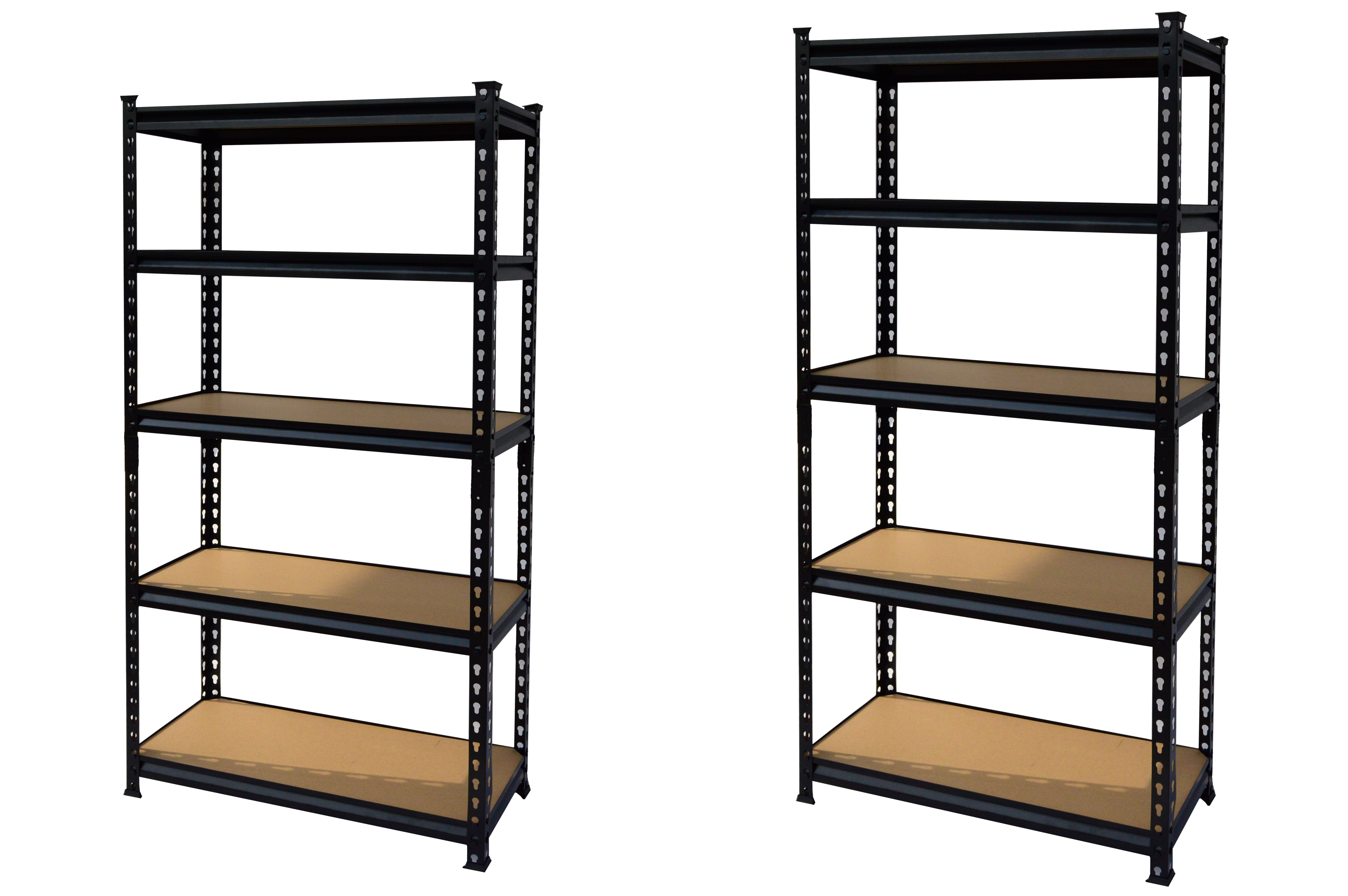
Warehouse storage efficiency improves when design, equipment, and daily execution are built as one operating system, and that is where a capable racks supplier creates measurable impact. A racks supplier does far more than deliver steel structures; the right racks supplier helps translate SKU behavior, order velocity, and handling constraints into a layout that increases usable cube and shortens travel time. For operations leaders, the question is not whether racking matters, but how early a racks supplier is involved in planning, because late involvement often locks in inefficiency.
In practical B2B warehouse environments, a racks supplier can improve storage efficiency through better slotting logic, higher density without congestion, safer flow paths, and adaptable rack configurations that evolve with demand. An experienced racks supplier also supports implementation sequencing, so receiving and dispatch performance does not collapse during transition. When warehouse teams treat the racks supplier as a technical partner instead of a transactional vendor, storage efficiency shifts from a one-time project to a controlled, repeatable improvement cycle.
Strategic role of a racks supplier in efficiency planning
Layout intelligence that converts floor area into working capacity
A skilled racks supplier begins with flow analysis instead of catalog selection. Before recommending beam levels or aisle widths, the racks supplier studies inbound frequency, put-away patterns, pick density, and pallet turnover to determine how each square meter should perform. This process reveals where static reserve storage should sit and where fast-moving positions need direct accessibility.
Because a racks supplier sees multiple warehouse models, the racks supplier can identify hidden friction points such as dead-end aisles, cross-traffic at replenishment zones, or overbuilt rack depth for slow SKUs. Correcting these points increases practical capacity without necessarily expanding building footprint. In many facilities, this planning phase alone unlocks meaningful gains in pallet position utilization.
The most valuable outcome is that the racks supplier links physical geometry to operational goals. Instead of asking only how many bays fit, the racks supplier asks how the layout supports target order cycle time and labor productivity. That alignment is the foundation of storage efficiency.
Storage profile mapping aligned with SKU behavior
A reliable racks supplier segments inventory by size, weight, velocity, and handling method, then maps each segment to the right rack zone. When a racks supplier places medium-turn items near primary pick faces and moves low-frequency inventory into higher reserve levels, forklift travel decreases and replenishment becomes more predictable. This improves both space usage and throughput consistency.
Seasonality is another area where a racks supplier can improve outcomes. A proactive racks supplier designs adjustable zones that can absorb temporary volume spikes without reworking the entire warehouse. This avoids the common pattern of overflow pallets occupying aisles and reducing safe movement corridors.
By tying rack configuration to SKU reality, the racks supplier prevents overgeneralized storage that wastes vertical cube. The result is a warehouse that stores more in the same footprint while protecting picking speed.
Process design from receiving to dispatch
Slotting logic that cuts motion and handling touches
Warehouse efficiency is strongly influenced by where inventory lands after receiving, and a capable racks supplier supports slotting decisions at the process level. The racks supplier helps define golden zones for high-frequency picks, replenishment-trigger locations, and clear separation between reserve and active positions. This structure reduces non-value movement and unnecessary double handling.
When a racks supplier collaborates with supervisors during go-live, slotting rules are easier to enforce. A racks supplier can mark bay logic, level assignment, and load boundaries so teams store goods consistently from day one. Consistency matters because every exception increases search time and misplacement risk.
In facilities with mixed carton and pallet flows, a racks supplier often recommends hybrid zoning so each handling unit follows the shortest feasible path. That design approach keeps dispatch lanes clear and strengthens dock rhythm.
Replenishment flow engineered for stable pick performance
A high-performing racks supplier treats replenishment as a core efficiency lever, not a background task. The racks supplier can configure reserve levels and pick faces so replenishment occurs with minimal aisle conflict, especially during peak outbound windows. This reduces stop-start activity that slows both forklifts and pickers.
With proper rack depth and lane access, the racks supplier enables smoother batch replenishment instead of emergency top-ups. Planned replenishment protects service levels and prevents pick-face stockouts that force manual expedites. Over time, this stability improves labor planning and cuts overtime pressure.
Many operators see added value when a racks supplier participates in post-install tuning. Early data from first operating weeks can reveal where replenishment frequency is too high, and the racks supplier can adjust bay allocation quickly before inefficiency becomes structural.
Engineering choices that increase storage density without congestion
Vertical cube utilization with safe load architecture
One of the clearest ways a racks supplier improves storage efficiency is by converting unused air space into safe, accessible storage levels. A qualified racks supplier evaluates ceiling height, sprinkler constraints, forklift lift capability, and load class before setting beam elevations. This creates real capacity rather than risky overstacking.
A racks supplier also improves density by selecting rack specifications that match true load profiles, avoiding both under-engineering and over-engineering. Right-sized components support better economics while preserving structural margin. In daily operation, that balance reduces damage events and unscheduled rack downtime.
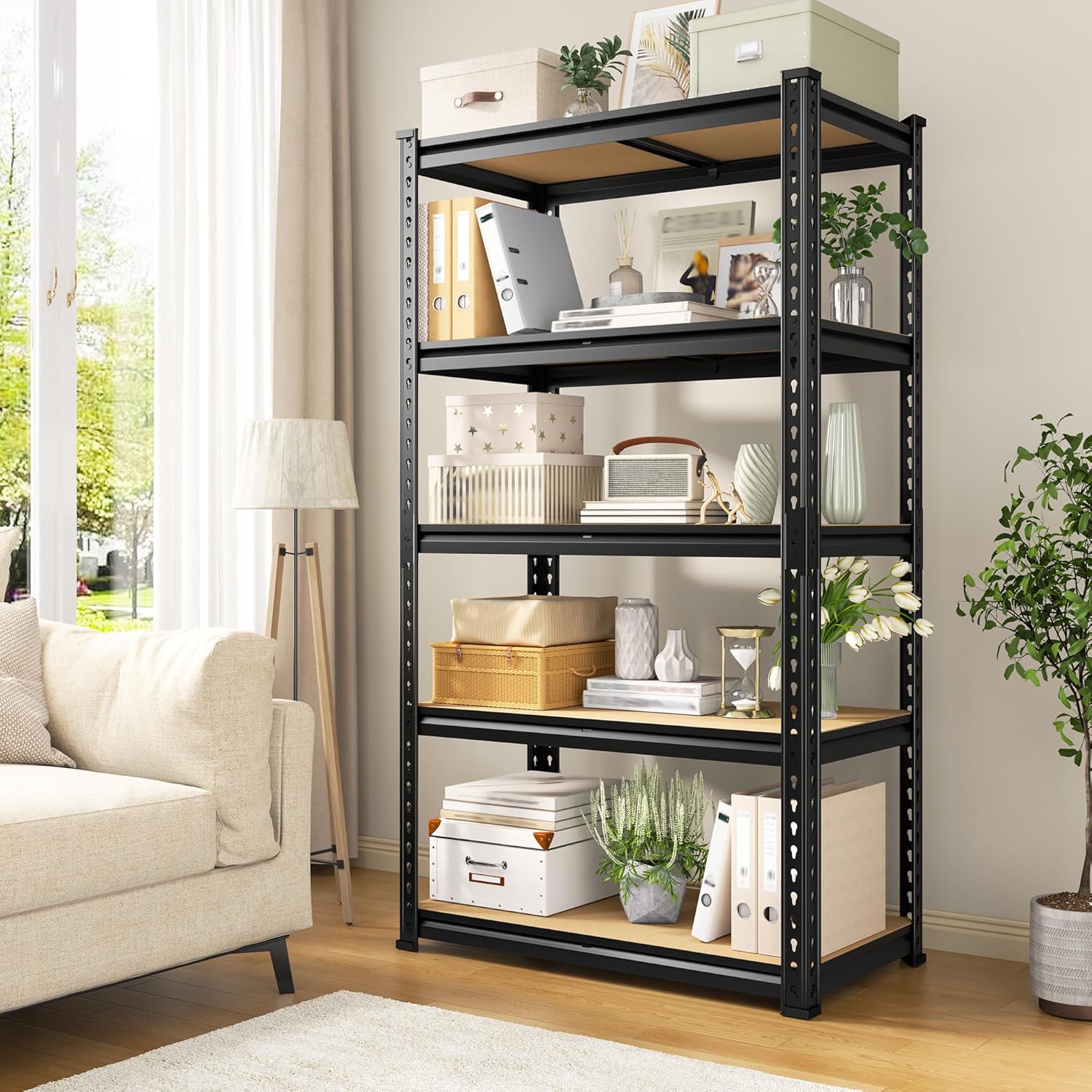
For teams exploring configurable systems, this racks supplier approach demonstrates how adjustable multi-layer layouts can support changing inventory mixes without major reconstruction. Flexibility at the structural layer is a direct efficiency advantage.
Adjustability that protects long-term warehouse agility
Demand patterns rarely remain fixed, so an effective racks supplier designs for change cycles. The racks supplier can specify modular beam intervals and adaptable bay schemes that allow re-slotting as SKU dimensions or order profiles shift. This prevents expensive redesign every time business conditions move.
From an operations perspective, a racks supplier that plans adjustability reduces disruption risk. Minor reconfiguration can occur in phases, keeping most aisles active while improvements are executed. That phased model is often essential in live B2B facilities where shutdown windows are limited.
Agility also supports resilience. When product mix changes quickly, the racks supplier that has already embedded flexibility helps the warehouse absorb volatility while keeping storage density and picking reliability in balance.
Operational controls that sustain efficiency gains
Safety governance integrated with storage performance
Sustained efficiency depends on safe execution, and a responsible racks supplier builds safety into operating standards. The racks supplier provides load signage logic, impact protection guidance, and inspection criteria tied to actual rack use patterns. These controls reduce incidents that interrupt flow and consume maintenance resources.
When safety governance is weak, storage efficiency erodes quickly through blocked aisles, unplanned repairs, and conservative underutilization after incidents. A disciplined racks supplier helps prevent this cycle by defining clear load boundaries and escalation rules for damage findings. Stable safety conditions support stable throughput.
Training support is another important contribution. A racks supplier that aligns operator behavior with rack intent improves adherence, and adherence is what turns design assumptions into daily performance.
KPI cadence and continuous layout refinement
A mature racks supplier relationship includes performance review, not just installation completion. The racks supplier should align with warehouse leadership on key indicators such as location utilization, pick path time, replenishment touches, and aisle congestion frequency. Tracking these metrics shows whether the storage system is delivering intended efficiency.
As data accumulates, the racks supplier can recommend targeted refinements like reallocating velocity bands or adjusting bay assignments for recurring bottlenecks. Small physical and process corrections often create outsized efficiency gains because they remove repeated friction from thousands of daily transactions.
The long-term advantage is operational compounding. A warehouse that works with a racks supplier in a recurring improvement loop can maintain high space productivity even as volume, SKU complexity, and service expectations increase.
FAQ
How quickly can a racks supplier impact warehouse storage efficiency after project kickoff?
Initial impact often starts during assessment because layout and slotting corrections can be identified before full installation. A racks supplier typically delivers early gains through zoning, travel-path cleanup, and better reserve-to-pick relationships. Full structural benefits arrive after implementation and stabilization, but process-level improvement can begin within the first project phase.
What data should be prepared before engaging a racks supplier?
Prepare SKU dimensions, weight ranges, velocity classes, inbound and outbound profiles, equipment constraints, and current location utilization. A racks supplier uses this data to match rack configuration to real operating conditions rather than assumptions. Better input quality leads to better density, safer loads, and more reliable picking flow.
Can a racks supplier improve efficiency without expanding warehouse footprint?
Yes, and this is one of the most common outcomes. A racks supplier can increase usable cube through better vertical design, tighter slotting logic, and reduced aisle interference. Many operations recover significant capacity and labor efficiency inside existing walls when rack engineering and workflow design are aligned.
How does a racks supplier support efficiency when demand patterns change?
A forward-looking racks supplier designs modularity and adjustment points into the system so the warehouse can reconfigure zones with limited disruption. This allows faster response to seasonality, mix shifts, and growth spikes. Efficiency is preserved because storage structure adapts with demand instead of forcing workarounds that create congestion and handling waste.
Table of Contents
- Strategic role of a racks supplier in efficiency planning
- Process design from receiving to dispatch
- Engineering choices that increase storage density without congestion
- Operational controls that sustain efficiency gains
-
FAQ
- How quickly can a racks supplier impact warehouse storage efficiency after project kickoff?
- What data should be prepared before engaging a racks supplier?
- Can a racks supplier improve efficiency without expanding warehouse footprint?
- How does a racks supplier support efficiency when demand patterns change?

