 EN
EN

Selecting a racks supplier is not just a purchasing step, it is a long-term operating decision that affects storage density, picking speed, safety exposure, and future expansion costs. In industrial environments, the wrong racks supplier can create hidden friction that appears months later as damaged inventory, rework during installation, or layout bottlenecks that reduce throughput. The right comparison process helps procurement, operations, and engineering teams align on measurable criteria instead of choosing based on price alone.
Before you sign with a racks supplier, compare technical fit, customization depth, execution capability, and total lifecycle support in a structured way. This is especially important when your warehouse mix includes different SKUs, variable load profiles, and seasonal volume peaks. A disciplined comparison lets you identify whether a racks supplier can support your real operating model, not just deliver steel structures that look acceptable on a drawing.
Compare Technical Fit to Your Actual Storage Profile
Load design alignment and structural suitability
The first thing to compare in any racks supplier is whether their design logic matches your real load behavior, including pallet weights, load concentration, and dynamic movement from forklifts. A capable racks supplier asks for data such as beam span, unit load dimensions, floor flatness, and handling method before finalizing a configuration. When a racks supplier skips this technical discovery, the result is often overdesigned systems that waste space or underdesigned systems that increase risk.
Ask each racks supplier how they validate load assumptions and what engineering references they use when proposing frame depth, upright thickness, and bracing patterns. You should also compare how the racks supplier addresses uneven load distribution and accidental impact scenarios. These details directly influence operational durability, and they separate a transactional racks supplier from a solution-focused racks supplier.
Layout efficiency and slotting compatibility
A strong racks supplier should show how rack geometry supports your travel paths, replenishment strategy, and picking sequence. Compare aisle width recommendations, bay spacing logic, and vertical clearance planning from each racks supplier to see who is optimizing real workflow. If a racks supplier only discusses unit price per bay without modeling layout productivity, you are not getting a complete business case.
You should also compare how each racks supplier adapts to mixed inventory profiles, such as high-turn carton flow near dispatch and heavier pallet storage in reserve areas. The best racks supplier will discuss zoning and future re-slotting flexibility, not only initial installation. This comparison matters because throughput gains from layout fit often outweigh small differences in initial material cost.
Compare Customization Depth and Scalability
Modularity for growth, reconfiguration, and mixed use
A practical racks supplier builds systems that can change as your operation changes. Compare whether each racks supplier provides modular uprights, adjustable beam levels, and accessories that support multiple handling scenarios over time. A rigid design from a racks supplier may seem simpler during purchase, but it can become expensive when SKU counts grow or packaging formats change.
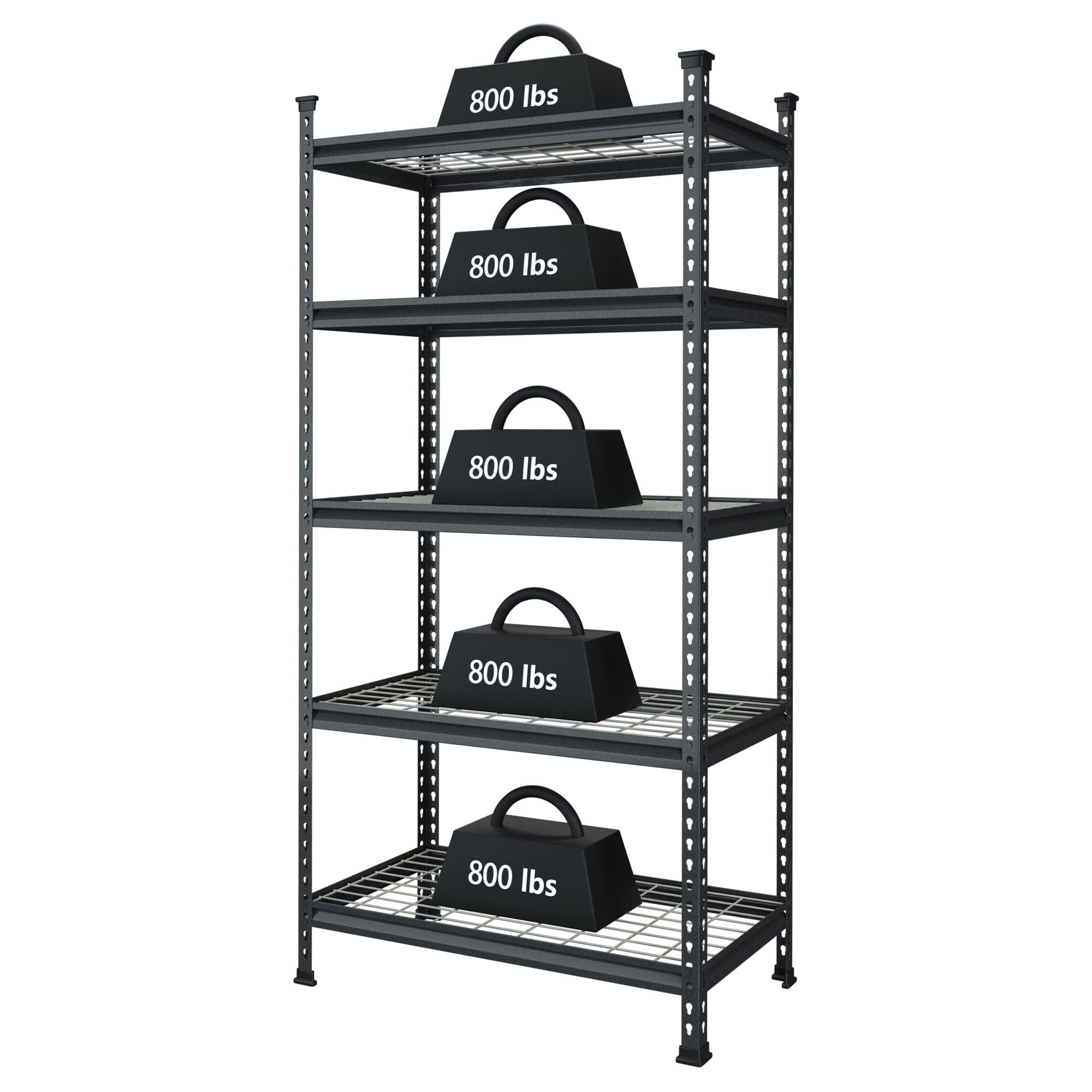
Evaluate how each racks supplier handles phased expansion. For example, can you add sections later without replacing core components, and does the racks supplier maintain dimensional consistency across production batches. A reliable racks supplier will explain compatibility rules clearly so your phase-two investment integrates smoothly with phase one.
Customization process and engineering response time
Not all customization is equal, so compare process discipline as much as design options. A mature racks supplier documents requirement intake, confirms constraints, and returns revision-ready drawings with clear assumptions. A weak racks supplier may promise custom work but struggle with design iteration speed, causing delays that impact facility launch timelines.
You can test this by presenting a realistic scenario, such as changing beam elevations for a new SKU family, and observing how each racks supplier responds. The best racks supplier will provide updated layout logic, material implications, and installation impact in one coordinated response. This comparison reveals whether the racks supplier can operate as a technical partner under real project pressure.
Compare Quality Assurance and Compliance Discipline
Material consistency and fabrication control
When comparing a racks supplier, review how quality is controlled from raw material intake through fabrication and coating. Ask each racks supplier how they manage dimensional tolerances, weld checks, and finish durability for high-contact areas. A dependable racks supplier should explain inspection checkpoints in plain operational terms, not generic quality language.
You should also compare traceability practices. A professional racks supplier can connect delivered components to production records, which matters when investigating field issues or planning preventive replacements. This level of control indicates that the racks supplier is prepared for long-term accountability, not only shipment completion.
Safety documentation and installation readiness
A racks supplier should provide practical documentation that supports safe installation and safe use, including load labeling guidance, anchoring recommendations, and maintenance checks. Compare how complete and usable this documentation is across each racks supplier. Missing or vague instructions from a racks supplier can shift risk to your internal team and create compliance gaps during audits.
During comparison, ask how the racks supplier coordinates with installation crews and site supervisors. A responsible racks supplier anticipates common field deviations, such as floor conditions or clearance conflicts, and provides corrective pathways quickly. This is where quality and execution meet, and it is often the difference between a smooth startup and prolonged commissioning issues.
Compare Commercial Terms Through Lifecycle Value
Total cost logic beyond unit price
The most common mistake in selecting a racks supplier is comparing only quoted unit cost. A stronger approach is to compare lifecycle value, including installation efficiency, maintenance burden, replacement cycle, and adaptability costs. A higher initial quote from one racks supplier may still deliver lower total ownership cost if reconfiguration is easier and downtime risk is lower.
Request cost breakdown transparency from each racks supplier, including accessories, anchoring components, and field adjustment assumptions. This helps you see whether a racks supplier is presenting a complete scope or a low headline number with hidden additions. Procurement teams gain better control when commercial comparison is tied to operational outcomes rather than material line items alone.
Service model, lead time reliability, and support continuity
A racks supplier is part of your ongoing infrastructure chain, so compare post-delivery support as carefully as pre-sale responsiveness. Review lead time consistency, spare component availability, and escalation paths for urgent corrections. A stable racks supplier will define response windows and ownership contacts instead of relying on informal communication.
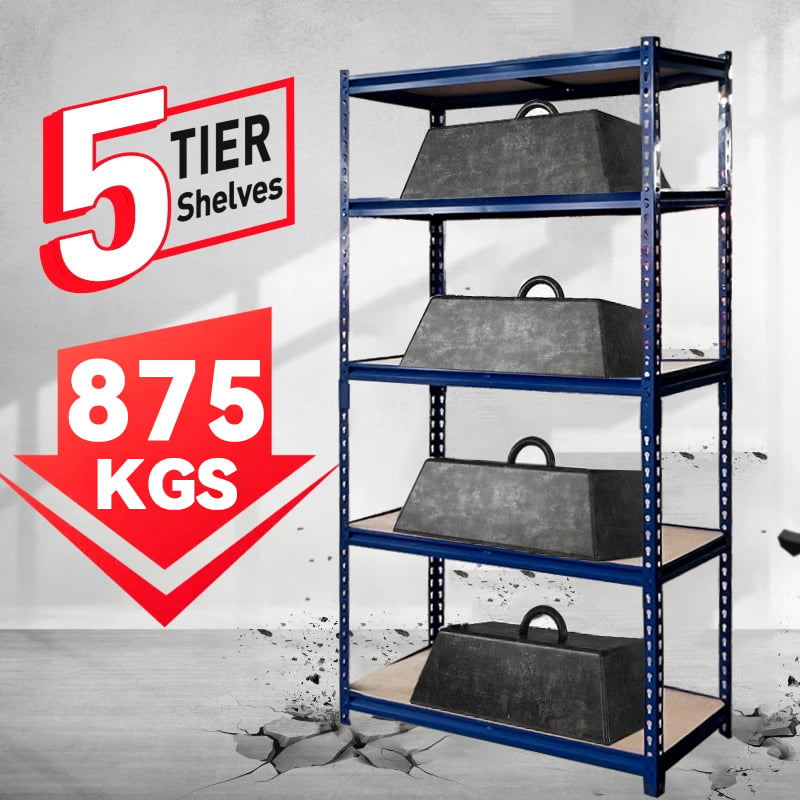
When reviewing options, examine one real product case from the supplier catalog to test fit and support expectations, such as this racks supplier solution used for adjustable industrial storage layouts. The point is not the specific model alone, but whether the racks supplier can connect product details, application guidance, and long-term service into one coherent delivery model. That integrated capability is what reduces surprises after procurement closes.
FAQ
How many suppliers should be compared before making a final decision?
In most B2B industrial projects, comparing three qualified options gives enough spread to evaluate technical fit, cost logic, and support quality without slowing procurement too much. The key is depth of comparison, not just quantity. A structured review of each racks supplier against the same criteria is more valuable than collecting many shallow quotations.
What is the biggest red flag during racks supplier evaluation?
A major red flag is when a racks supplier provides pricing before understanding load profile, handling flow, and site constraints. That usually signals a template-driven approach instead of engineered fit. Another warning sign is unclear accountability for installation deviations and post-delivery technical issues.
Should procurement or operations lead the final selection?
The strongest outcomes come from a joint decision model where procurement manages commercial controls and operations validates functional fit. Engineering input is also critical when load behavior and safety conditions are complex. Final approval should reflect whether the racks supplier meets technical, operational, and contractual requirements together.
How can a buyer verify long-term compatibility for future expansion?
Ask each racks supplier to document component continuity rules, dimensional standards, and expected availability windows for matching parts. You should also request a phased expansion scenario during evaluation to confirm practical compatibility. A forward-looking racks supplier will treat expansion planning as part of current project scope, not as a future exception.

