 EN
EN

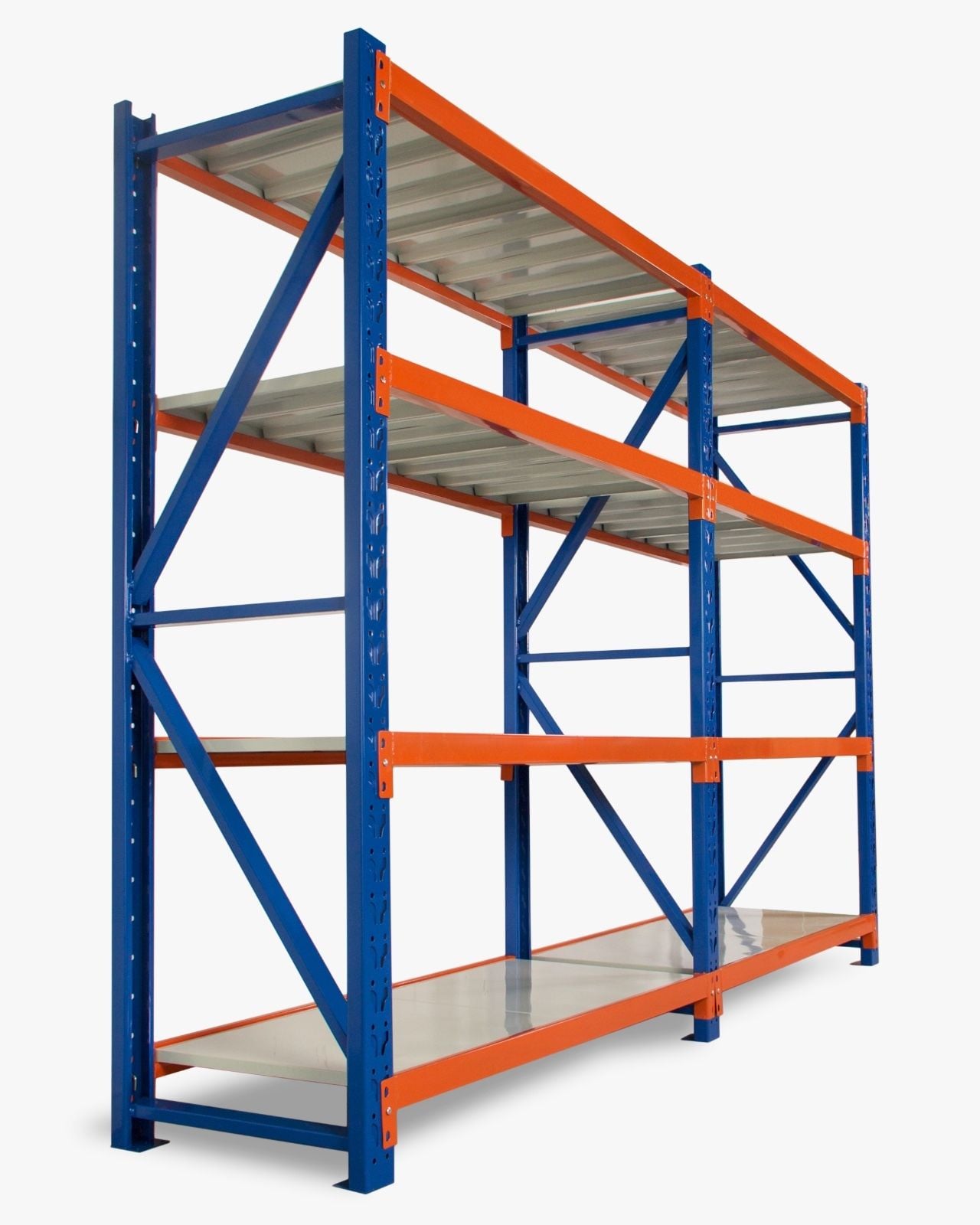
Yes, metal shelving can significantly improve both storage capacity and organization when it is matched to load needs, space constraints, and daily workflow. In most B2B and industrial settings, floor area is expensive, handling time is measurable, and misplaced inventory creates avoidable delays. Metal shelving helps solve these issues by converting unused vertical space into structured, accessible storage zones. Instead of adding square footage, teams can often gain substantial effective capacity by redesigning layout around metal shelving and clear placement logic.
The operational benefit of metal shelving is not limited to storing more items on each aisle. Well-planned metal shelving also improves stock visibility, pick accuracy, replenishment flow, and housekeeping standards across warehouses, workshops, backrooms, and maintenance areas. When teams combine metal shelving with consistent labeling and zoning rules, they reduce search time and create predictable movement paths for people and material. That is why organizations treating storage as part of process design often choose metal shelving as a foundational infrastructure decision rather than a simple fixture purchase.
Operational Impact on Capacity and Space Efficiency
Vertical utilization creates immediate capacity gains
A common reason storage feels full is not true volume saturation but poor vertical use. Metal shelving turns wall height and clear overhead into practical storage levels, allowing facilities to store more units without expanding the footprint. In medium-density inventory environments, this shift can separate fast-moving stock from reserve stock in the same zone. Metal shelving also supports adjustable tier spacing, so shelf heights can be set to real carton dimensions rather than wasting air gaps between levels.
Capacity gains become more reliable when the shelf design aligns with product profile. Bulky but light items can occupy upper levels, while denser loads remain at ergonomic or lower levels for safer handling. This arrangement helps metal shelving carry mixed SKU ranges without forcing one-size-fits-all spacing. As a result, every bay contributes more usable storage volume and fewer locations become dead space.
Modular layouts reduce expansion pressure
Another way metal shelving improves capacity is through modular expansion. Facilities can add bays, change aisle width, or reassign sections as demand changes without rebuilding the entire storage area. This flexibility is especially useful for seasonal operations and phased product launches where inventory profiles shift during the year. Metal shelving supports this evolution while preserving layout consistency for operators.
Because metal shelving is structured in repeatable units, planners can model capacity by bay count, load class, and shelf interval. That predictability helps teams estimate when a zone will reach limit and expand before congestion affects output. Instead of reacting to overflow, organizations can scale storage in controlled increments. Over time, metal shelving reduces the need for temporary floor stacks that often block access and hide inventory.
How Metal Shelving Strengthens Organization and Inventory Control
Defined locations improve retrieval speed
Organization improves when every item has a visible, stable home location. Metal shelving enables clear address systems by row, bay, level, and position, making inventory easier to find and return correctly. This structure shortens travel and search time for pickers, technicians, and replenishment staff. Metal shelving also helps supervisors audit placement quickly because items are exposed and grouped by logic rather than stacked in piles.
In day-to-day operations, speed comes from consistency rather than urgency. When teams trust shelf addresses, they spend less effort asking where items are and more effort completing tasks. Metal shelving supports this discipline by physically separating categories such as consumables, components, tools, and spares. The result is faster handoffs between shifts and fewer disruptions caused by misplaced stock.
Visual order supports accuracy and accountability
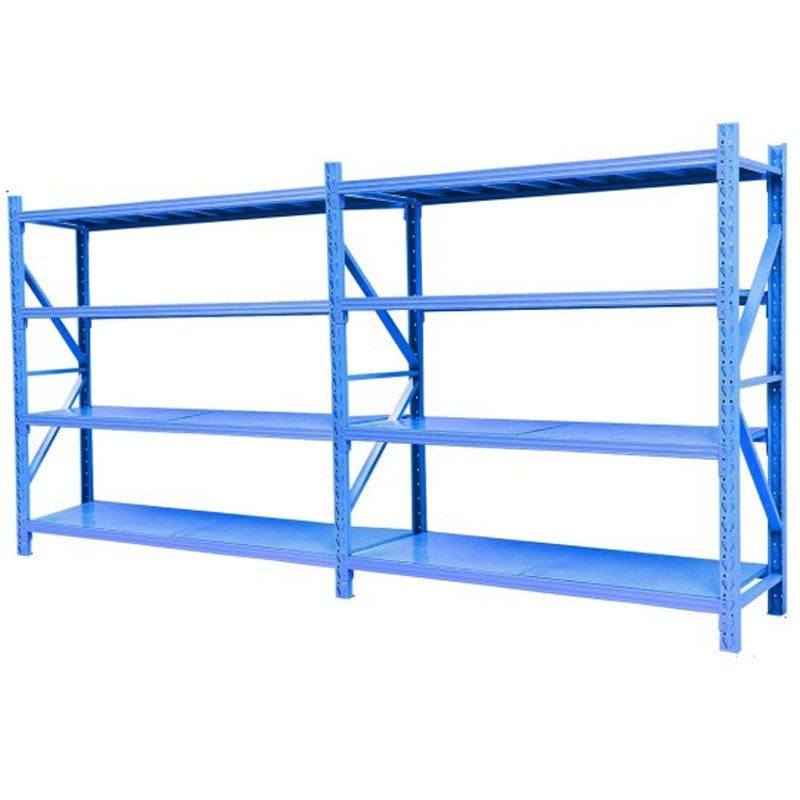
Metal shelving works well with visual management standards, including label strips, shelf tags, min-max cards, and color zoning. These controls are easier to maintain on rigid, open-front structures than on ad hoc bins or floor pallets. When each shelf level is assigned by class and turnover rate, teams can detect anomalies quickly during routine checks. Metal shelving therefore acts as both storage and a control surface for inventory discipline.
Accountability also improves because deviations are visible. Empty slots, overstock spillover, and mixed-item locations stand out immediately in a structured metal shelving environment. Supervisors can correct root causes such as wrong replenishment quantities or poor receiving placement before errors spread. Over time, this visibility builds a more reliable cycle counting process and cleaner data quality in the inventory system.
Implementation Conditions That Determine Results
Load planning and shelf specification must match real usage
Metal shelving delivers strong results only when load ratings match actual storage behavior. Facilities should consider unit weight, stacking pattern, handling frequency, and potential impact loads from daily operations. Choosing metal shelving without realistic load assumptions can create safety concerns or force underuse of available tiers. Proper specification allows teams to use full shelf depth and height with confidence.
Shelf geometry also matters for practical access. If levels are too deep for hand retrieval or too high for safe reach, theoretical capacity will not convert into productive capacity. Metal shelving should be configured around picking method, container size, and worker ergonomics. This alignment prevents bottlenecks and keeps throughput stable as storage density rises.
Layout design should follow movement patterns
Organization depends on how people and materials move, not just where shelves stand. Metal shelving performs best when aisle orientation, inbound placement, and outbound staging follow natural process flow. Fast movers should stay near dispatch or work cells, while slower items can occupy higher or more distant positions. With this logic, metal shelving supports both compact storage and smooth operation.
Cross-functional planning improves the outcome because operations, safety, and maintenance teams see different risks. Early alignment on aisle clearance, turning points, and replenishment windows helps metal shelving integrate with daily activity rather than disrupt it. Even small layout changes, such as relocating one bay near a packing zone, can reduce repeated walking across shifts. Well-placed metal shelving therefore affects labor efficiency as much as storage volume.
Long-Term Business Value Beyond Basic Storage
Safer and cleaner environments support stable output
A structured storage system reduces accidents linked to unstable stacks, blocked walkways, and manual overreaching. Metal shelving provides fixed boundaries that keep inventory off floors and within defined handling zones. This clarity improves housekeeping routines and reduces time spent clearing obstructions before work can begin. In safety-driven environments, metal shelving helps standardize conditions across shifts and departments.
Clean, visible storage also supports quality control. Parts are less exposed to crushing, mixing, or accidental contamination when each class is stored in assigned metal shelving locations. Teams can inspect stock condition faster and isolate nonconforming material without disturbing adjacent inventory. Over months, these small improvements protect service levels and reduce hidden operational losses.
Scalability and lifecycle value improve total cost performance
Metal shelving often delivers lifecycle value because it can be reconfigured as product mix and volume evolve. Instead of replacing entire storage systems during process changes, organizations can adjust shelf intervals, add frames, or repurpose zones. This adaptability protects earlier investment while supporting growth. Metal shelving also maintains consistent organization standards during transitions, which lowers retraining burden for staff.
From a cost perspective, better organization reduces indirect expenses tied to errors, searching, and emergency space fixes. When metal shelving is planned with realistic capacity buffers, teams avoid frequent overflow responses that disrupt schedules. The combination of higher usable density and cleaner execution improves overall operational resilience. That is why many industrial sites view metal shelving as a productivity asset, not only a storage fixture.
FAQ
Can metal shelving work for both warehouse and workshop environments?
Yes, metal shelving is suitable for both settings when load class and layout are selected for the specific workflow. Warehouses may prioritize bay continuity and pick paths, while workshops may prioritize tool access and spare-part visibility. In both cases, metal shelving improves organization by giving fixed locations and clear retrieval logic. The same structural concept can support different operational priorities through configuration.
Does metal shelving still help when floor space is very limited?
Yes, limited floor area is often where metal shelving creates the strongest benefit because vertical utilization becomes critical. By adding usable levels and reducing floor stacking, metal shelving increases effective capacity without construction expansion. The key is balancing density with safe aisle access and handling reach. Proper spacing and zoning keep compact layouts workable rather than congested.
How quickly can teams see organization improvements after installing metal shelving?
Many teams see immediate gains in visibility and retrieval time once inventory is relocated into structured metal shelving zones. Larger improvements, such as fewer picking errors and smoother replenishment, usually appear after location labeling and process discipline are fully applied. Early training and clear ownership of each storage area accelerate results. Metal shelving provides the physical framework, while routine adherence converts that framework into consistent performance.
Is metal shelving effective for mixed inventory sizes and changing SKU profiles?
Metal shelving is effective for mixed profiles because shelf heights and bay assignments can be adjusted to match different package dimensions and turnover rates. This flexibility allows operators to separate fast and slow movers while keeping storage compact. As SKU mix changes, metal shelving can be rebalanced by reassigning levels and zones rather than redesigning the entire area. That adaptability supports long-term organization in dynamic B2B operations.
Table of Contents
- Operational Impact on Capacity and Space Efficiency
- How Metal Shelving Strengthens Organization and Inventory Control
- Implementation Conditions That Determine Results
- Long-Term Business Value Beyond Basic Storage
-
FAQ
- Can metal shelving work for both warehouse and workshop environments?
- Does metal shelving still help when floor space is very limited?
- How quickly can teams see organization improvements after installing metal shelving?
- Is metal shelving effective for mixed inventory sizes and changing SKU profiles?

