 EN
EN

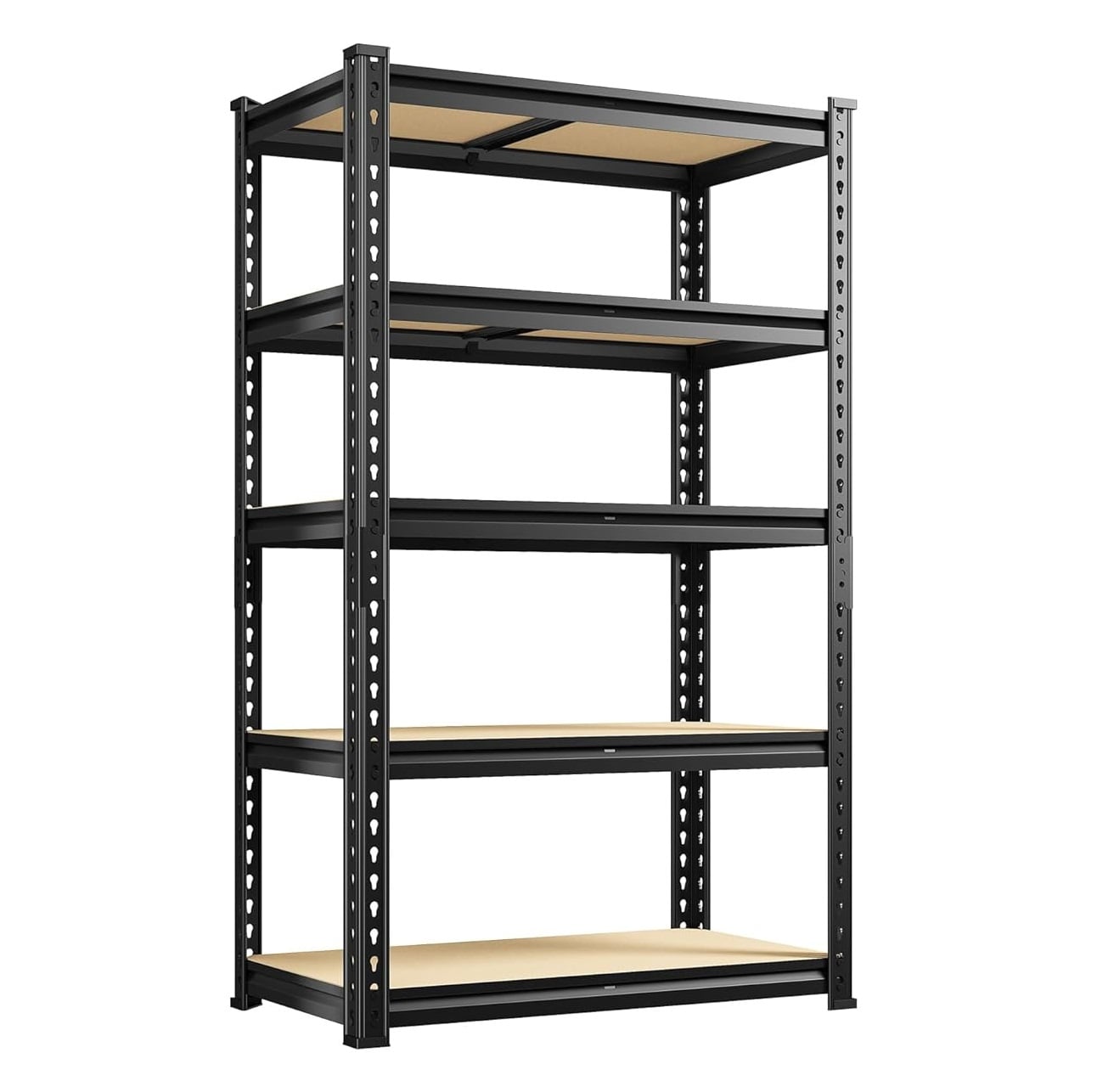
A shelf manufacturer can support custom storage solutions by translating operational constraints into practical rack geometry, material choices, load logic, and installation methods that match real workflows. In industrial and B2B settings, storage performance depends on more than shelf dimensions. A shelf manufacturer that understands picking speed, SKU variability, safety regulations, and floor utilization can design systems that reduce wasted space while improving access and control. The central value is not just producing metal components, but creating a storage framework aligned with how your team actually receives, stores, moves, and audits inventory.
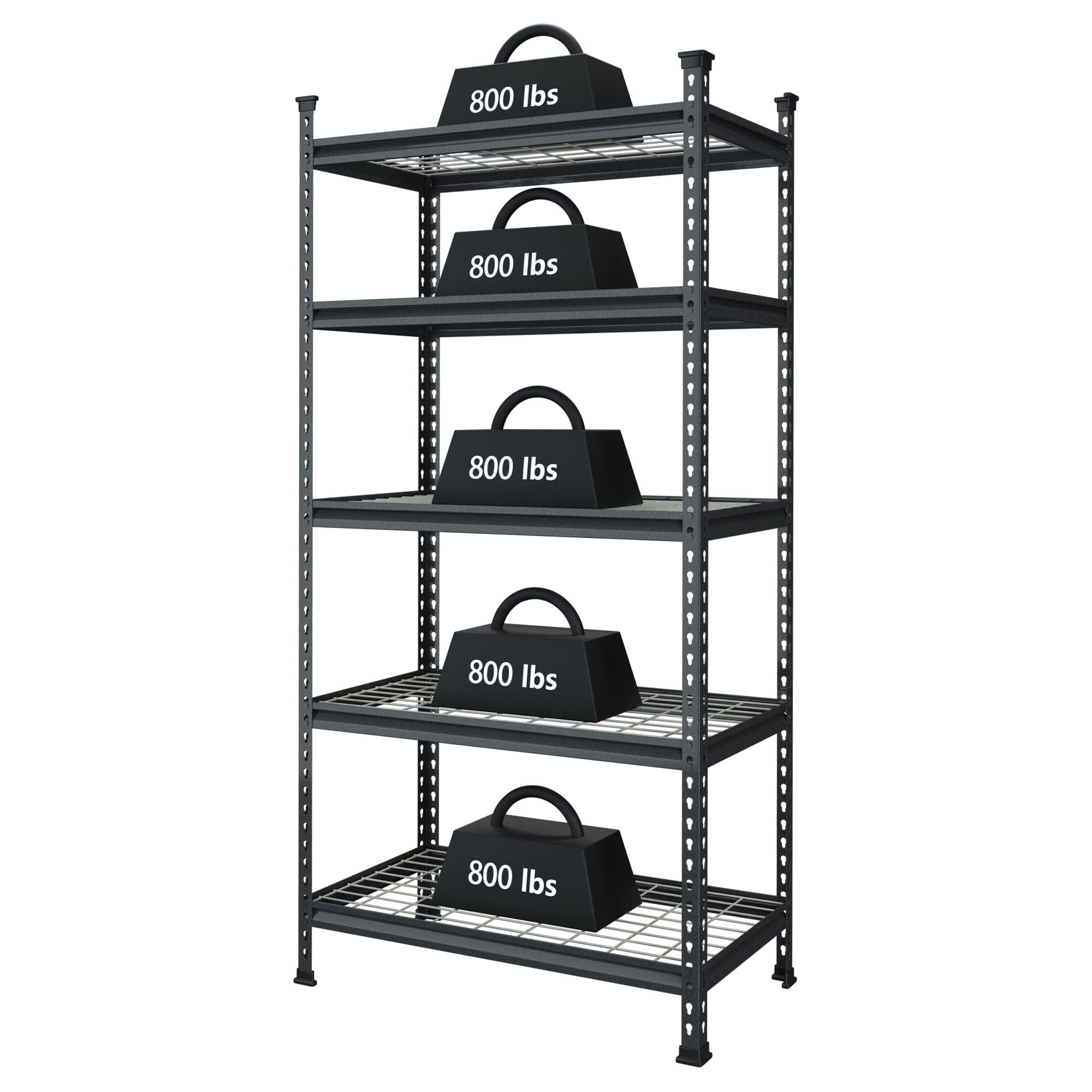
For companies dealing with changing order patterns, seasonal volume shifts, or mixed product profiles, the right shelf manufacturer becomes a long-term operational partner. Instead of forcing standard racks into complex environments, an experienced shelf manufacturer builds around bay width limits, aisle turning radius, pallet and carton mix, and future expansion plans. This is how custom storage moves from a one-time purchase to a structured capacity strategy that improves uptime, labor productivity, and storage reliability over time.
Operational Diagnosis That Shapes Custom Storage Design
Workflow mapping before metal fabrication
The first way a shelf manufacturer supports custom storage is by diagnosing workflow before proposing dimensions. A capable shelf manufacturer studies inbound receiving, replenishment frequency, pick-path congestion, and dispatch staging so storage layout reflects movement reality. Without this step, even high-quality racks can create bottlenecks because they are physically strong but operationally misaligned.
When a shelf manufacturer gathers process data early, custom storage becomes purpose-built. Fast-moving SKUs can be placed at ergonomic heights, bulky loads can be assigned deeper bays, and mixed-case picking zones can be separated from reserve storage. This front-end analysis is often the difference between a warehouse that merely stores products and one that actively supports throughput.
Load profile and safety requirements integration
A shelf manufacturer also supports customization by integrating load profile details into structural decisions. Product weight distribution, point-load behavior, and shelf deflection thresholds all affect beam section, upright gauge, and decking configuration. A responsible shelf manufacturer does not rely on generic assumptions, especially when load variation is high across locations or product families.
Safety and compliance matter just as much as capacity. A shelf manufacturer building custom storage should incorporate anchoring logic, impact protection, and stability margins based on the site environment. In practical terms, this means the shelf manufacturer is reducing risk while preserving accessibility, so operators can work faster without compromising structural confidence.
Engineering Flexibility for Real-World Storage Variation
Modular architecture for evolving inventory
Custom storage only works long term when it can adapt, and a skilled shelf manufacturer builds that flexibility into the system architecture. Adjustable levels, modular bay combinations, and reconfigurable accessories help facilities respond to SKU count growth and packaging changes. A shelf manufacturer that plans for change protects your investment because layout revisions can happen with minimal downtime.
In many operations, fixed designs fail once demand patterns shift. A forward-looking shelf manufacturer avoids this by specifying modular components that can be moved or expanded in phases. This allows custom storage to scale with business needs rather than forcing full replacement after each operational change.
Material and surface choices matched to environment
Environmental conditions strongly influence storage durability, so a shelf manufacturer should align material selection with humidity, dust, temperature swings, and handling intensity. In dry, high-turn operations, lighter configurations may perform well. In heavy-duty or corrosive environments, a shelf manufacturer may recommend stronger sections and protective finishes to maintain stability and service life.
Surface treatment and component detailing are often overlooked in procurement, but they directly affect maintenance load. A shelf manufacturer that matches coatings and connection systems to site conditions can reduce rust risk, simplify cleaning, and preserve structural integrity. In custom storage projects, these engineering details have a measurable impact on lifecycle cost.
Space Optimization and Throughput Improvement in Practice
Layout logic that increases usable cubic volume
Another critical way a shelf manufacturer supports custom storage is through intelligent space planning. Floor area is only one variable; vertical clearance, aisle behavior, and access method determine how much usable volume you truly gain. A shelf manufacturer that models these factors can increase storage density while keeping operations workable for forklifts and manual handling teams.
Custom storage should not chase density at the expense of speed. A practical shelf manufacturer balances compactness with retrieval efficiency, ensuring that the location profile matches order behavior. This creates a storage system that supports both reserve stock and active picking without creating travel waste.
Zone-based storage for mixed business demands
Most B2B facilities run multiple storage needs at once, including bulk replenishment, small-part picking, returns quarantine, and value-added processing. A strategic shelf manufacturer can divide these into functional zones using compatible rack modules. This gives each process the right shelf depth, access mode, and load specification while preserving overall layout coherence.
By structuring zones correctly, a shelf manufacturer helps reduce cross-traffic and location confusion. Operators spend less time searching, supervisors gain clearer slotting control, and inventory accuracy becomes easier to maintain. For custom storage programs, this operational clarity often produces stronger gains than hardware upgrades alone.
Implementation, Integration, and Long-Term Performance Support
From concept approval to installation readiness
Design quality only creates value when execution is disciplined. A dependable shelf manufacturer supports custom storage by coordinating drawings, dimensional checks, installation sequence, and handover documentation. This reduces project friction and prevents costly on-site corrections caused by missed measurements or unclear component planning.
During rollout, the shelf manufacturer should align installation timing with ongoing operations to minimize disruption. Phased deployment, pre-assembled modules, and clear labeling can accelerate commissioning. For teams comparing options, reviewing the implementation process of a shelf manufacturer is often as important as reviewing load ratings.
Post-installation adaptation and performance continuity
Support should continue after installation. A proactive shelf manufacturer helps teams tune shelf elevations, slotting strategy, and expansion phasing as demand evolves. This post-installation guidance allows custom storage to remain aligned with KPI targets such as pick rate, replenishment time, and occupancy ratio.
Long-term continuity also depends on inspection routines and component availability. A shelf manufacturer that provides maintenance guidance and compatible add-on parts makes future adjustments faster and more predictable. In fast-changing industrial environments, this ongoing support model turns custom storage into a resilient operational asset rather than a static fixture.
FAQ
How early should we involve a shelf manufacturer in a custom storage project?
The best time is during early layout planning, before finalizing process flow or equipment placement. Early involvement allows the shelf manufacturer to align rack design with receiving, picking, and dispatch logic instead of adapting after constraints are locked. This usually leads to better space efficiency and fewer redesign costs.
Can a shelf manufacturer support both manual picking and heavier reserve storage in one facility?
Yes, a qualified shelf manufacturer can design mixed-zone systems that combine ergonomic picking areas with higher-capacity reserve sections. The key is matching shelf geometry, load class, and aisle design to each operational zone. This integrated approach helps maintain speed in active areas while preserving capacity in bulk areas.
What information should we prepare before meeting a shelf manufacturer?
Prepare SKU dimensions, weight ranges, throughput patterns, site measurements, and equipment movement paths. A shelf manufacturer can produce stronger custom storage recommendations when data reflects real operating behavior, not estimates. Include growth assumptions so the proposed system can support expansion without major structural replacement.
How does a shelf manufacturer help reduce long-term storage costs?
A shelf manufacturer reduces long-term cost by improving storage density, reducing handling inefficiencies, and designing for reconfiguration instead of frequent replacement. Better structural matching also lowers maintenance risk and prevents misuse-driven damage. Over time, custom storage built on operational fit tends to deliver lower total ownership cost than generic layouts.
Table of Contents
- Operational Diagnosis That Shapes Custom Storage Design
- Engineering Flexibility for Real-World Storage Variation
- Space Optimization and Throughput Improvement in Practice
- Implementation, Integration, and Long-Term Performance Support
-
FAQ
- How early should we involve a shelf manufacturer in a custom storage project?
- Can a shelf manufacturer support both manual picking and heavier reserve storage in one facility?
- What information should we prepare before meeting a shelf manufacturer?
- How does a shelf manufacturer help reduce long-term storage costs?

