 EN
EN

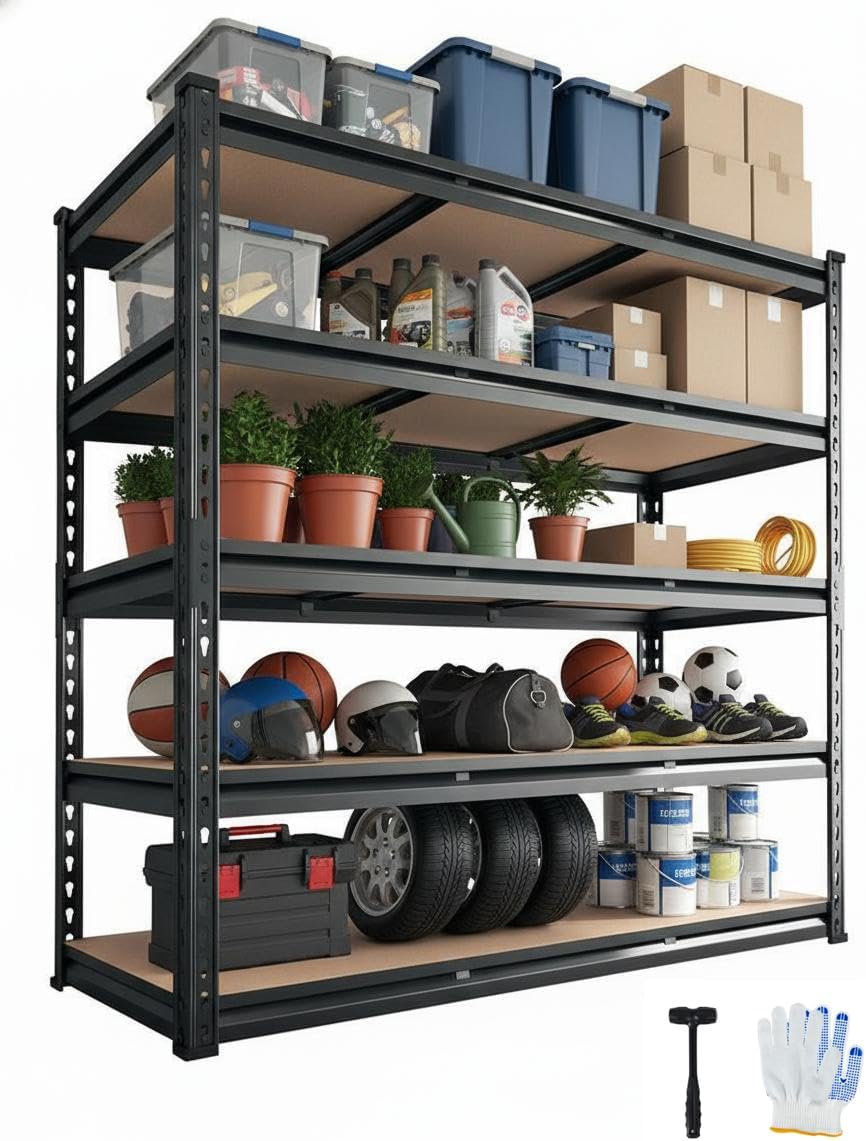
Large volume procurement can lock in cost advantages, but it can also lock in risk if the wrong partner is selected. When your team is preparing a high-volume program, evaluating a shelf factory is not just a sourcing task, it is an operational decision that affects installation speed, inventory flow, worker safety, and long-term maintenance budgets. The right evaluation process should confirm whether a shelf factory can deliver consistent quality at scale, keep lead times stable under pressure, and respond quickly when project requirements change.
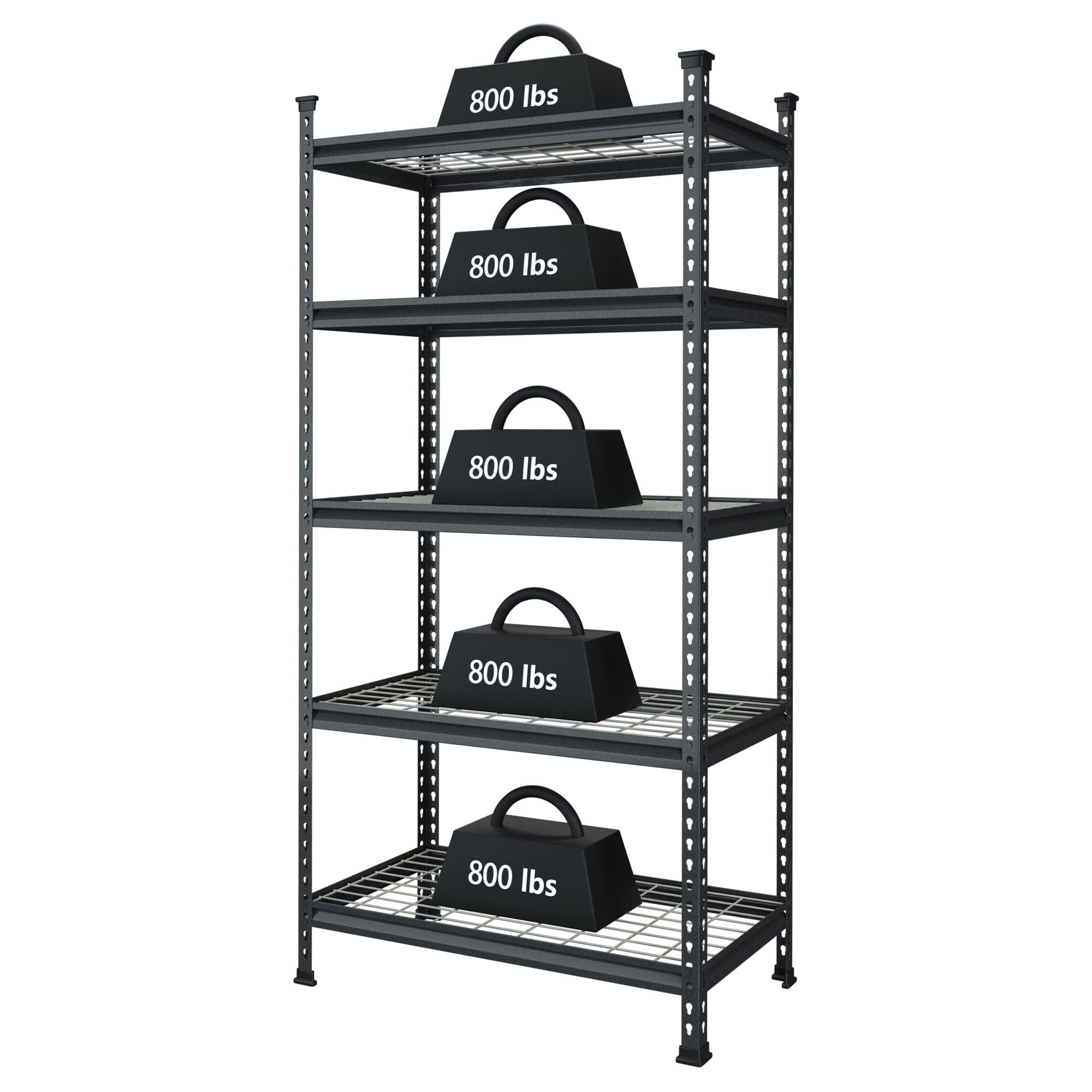
A practical way to evaluate a shelf factory is to move from internal requirement clarity to external capability verification, then to controlled pilot execution before full release. This sequence helps procurement, engineering, quality, and operations teams make the same decision from different angles. Instead of relying on a sample alone, you assess production systems, tolerance control, packaging logic, communication rhythm, and commercial terms that matter once order volume increases month after month.
Translate Volume Demand Into Technical and Operational Criteria
Build a requirement baseline before contacting any shelf factory
Start by documenting what success looks like over a 12 to 24 month horizon. Your internal baseline should include load requirements, bay dimensions, adjustability intervals, finish specifications, corrosion environment, and required compliance documents. A shelf factory can only be evaluated fairly when your demand profile is precise enough to test against real manufacturing constraints.
Add operational data to your baseline, including expected monthly order cadence, destination mix, packaging preferences, and installation labor model. High-volume programs fail when commercial teams buy a design that works in theory but creates handling inefficiencies at receiving docks. By defining the use environment early, you can check whether the shelf factory aligns product engineering with logistics reality.
Convert internal standards into measurable acceptance thresholds
Evaluation becomes objective when every major parameter has a measurable threshold. Set clear limits for dimensional tolerance, coating thickness range, weld appearance, deflection limits under rated load, and carton drop resistance where relevant. During review, ask the shelf factory to map each threshold to its process control point, test method, and release authority.
This approach prevents ambiguous commitments such as "standard quality" or "industrial grade." A capable shelf factory will answer with process documentation, inspection frequency, and corrective action flow rather than broad statements. That level of detail is often the first indicator of whether the supplier can handle large repetitive orders without quality drift.
Verify Production Capability Beyond Sample Performance
Review capacity structure and bottleneck resilience
One approved sample does not prove scalable output. Ask for production flow visibility from raw material intake through forming, welding, coating, assembly prep, and final packing. The goal is to determine whether the shelf factory has balanced capacity or hidden bottlenecks that appear only during peak demand.
Check line changeover logic, shift arrangements, overtime dependency, and maintenance planning. A mature shelf factory should explain normal capacity, surge capacity, and lead-time impact under concurrent programs. When planning large volume orders, this information is more useful than a single monthly capacity number because it shows how stable delivery can remain during real-world fluctuations.
Confirm tooling readiness and repeatability controls
High repeatability depends on tooling condition, calibration discipline, and fixture management. During evaluation, request evidence of tooling maintenance intervals and first-piece approval records. A dependable shelf factory should demonstrate how it preserves hole alignment, upright straightness, and beam fit consistency across long production runs.
Also verify how engineering changes are handled. In volume business, minor design updates can create mixed inventory risks if control is weak. A well-managed shelf factory will have revision traceability from drawing release to production order to shipment label, reducing the chance of incompatible components reaching your sites.
Audit Quality Systems, Testing Discipline, and Traceability
Evaluate incoming, in-process, and final quality gates
A robust quality system uses layered controls, not final inspection alone. Ask the shelf factory to show material verification at receiving, key checkpoints during fabrication, and pre-shipment release criteria. Review actual records, not templates, so you can see whether controls are consistently executed over time.
For industrial shelving, attention should be paid to steel grade confirmation, surface preparation, coating adhesion consistency, and critical fit dimensions. A disciplined shelf factory can quickly provide batch-level data and nonconformance history with closure evidence. This transparency gives confidence that quality issues are managed systematically rather than reactively.
Validate test relevance to your operating conditions
Testing is only useful when it matches how the product will be used. Ask whether the shelf factory can conduct load tests, stability checks, and environmental durability verification aligned with your warehouse conditions. Review the test setup, acceptance criteria, and sample selection method to ensure results are representative.
When possible, request pilot units configured exactly like your planned installation. For many buyers, this is where a practical product page can support technical discussion, such as this shelf factory reference for adjustable warehouse applications. The point is not promotion but alignment: dimensions, deck type, and assembly method must match field requirements before volume release.
Assess Supply Chain Reliability and Commercial Execution Risk
Analyze material sourcing continuity and lead-time exposure
Large orders are vulnerable to upstream disruption, especially in steel-based products. Ask the shelf factory how it secures core materials, manages safety stock, and handles volatility in procurement cycles. You need to know not only normal lead time but also recovery lead time when supply interruptions occur.
Review how the shelf factory sequences production across multiple customers during constrained periods. Reliable partners can explain allocation principles and communication triggers for potential delays. This foresight helps your planning team avoid costly installation rescheduling and emergency freight decisions.
Examine quoting clarity and contract-level protections
Commercial terms should be explicit enough to support ongoing governance. A professional shelf factory quote should separate product cost, packaging assumptions, tooling charges if any, quality documentation scope, and logistics responsibility boundaries. Ambiguous pricing often leads to disputes once volumes ramp up.
In contracts, include measurable service levels for on-time shipment, defect handling cycle time, and replacement responsibility. Also define change management, forecast windows, and escalation paths. A transparent shelf factory will accept performance-based terms because process discipline allows predictable execution.
Run a Controlled Pilot and Establish Ongoing Supplier Governance
Use pilot orders to test end-to-end execution, not just product fit
Before full commitment, place a pilot order that reflects real complexity, including mixed SKUs, realistic packaging labels, and destination diversity. This reveals whether the shelf factory can maintain documentation accuracy, loading discipline, and communication quality when transactions become operationally dense.
Track pilot metrics such as first-pass acceptance rate, shipment completeness, transit damage incidence, and response speed to corrective requests. A capable shelf factory treats pilot findings as process improvement input and provides structured corrective action with owners and due dates.
Create a scorecard model for long-term performance control
After pilot success, move into governance with a monthly scorecard shared by procurement, quality, and operations. Include indicators for on-time delivery, defect rate by category, claim closure days, and forecast adherence. The best shelf factory relationships are data-driven and reviewed regularly, not only when problems emerge.
This governance model also supports continuous cost and quality improvement. As your volume grows, periodic reviews with the shelf factory can identify packaging optimization, process yield gains, and design refinements that reduce total ownership cost without sacrificing reliability. That is the practical outcome of a strong pre-order evaluation: fewer surprises, steadier execution, and better operational control.
FAQ
How long should a shelf factory evaluation take before a large order decision?
For most B2B programs, a structured shelf factory evaluation takes several weeks, depending on technical complexity and site access. The timeline should cover requirement alignment, process review, sample or pilot verification, and contract clarification. Rushing this phase often creates downstream delays that are far more expensive than a disciplined upfront review.
Can one product sample prove that a shelf factory is ready for volume production?
A sample confirms design feasibility, but it does not prove production stability. Volume readiness depends on process control, capacity balance, quality records, and supply continuity. A reliable shelf factory must demonstrate repeatable output under operational load, not just a well-prepared sample submission.
What is the most common risk when selecting a shelf factory for large procurement?
The most common risk is selecting based on unit price without validating execution capability. A low quoted price from a shelf factory can become expensive when delays, quality variation, and rework accumulate across multiple shipments. Balanced evaluation across technical, operational, and commercial criteria is the safer approach.
How often should performance be reviewed after onboarding a shelf factory?
Monthly reviews are effective during the first stages of high-volume cooperation, followed by quarterly strategic reviews once performance is stable. Regular cadence keeps expectations clear and allows early correction before issues grow. Continuous visibility helps both your team and the shelf factory sustain predictable delivery and quality outcomes.
Table of Contents
- Translate Volume Demand Into Technical and Operational Criteria
- Verify Production Capability Beyond Sample Performance
- Audit Quality Systems, Testing Discipline, and Traceability
- Assess Supply Chain Reliability and Commercial Execution Risk
- Run a Controlled Pilot and Establish Ongoing Supplier Governance
-
FAQ
- How long should a shelf factory evaluation take before a large order decision?
- Can one product sample prove that a shelf factory is ready for volume production?
- What is the most common risk when selecting a shelf factory for large procurement?
- How often should performance be reviewed after onboarding a shelf factory?

