 EN
EN

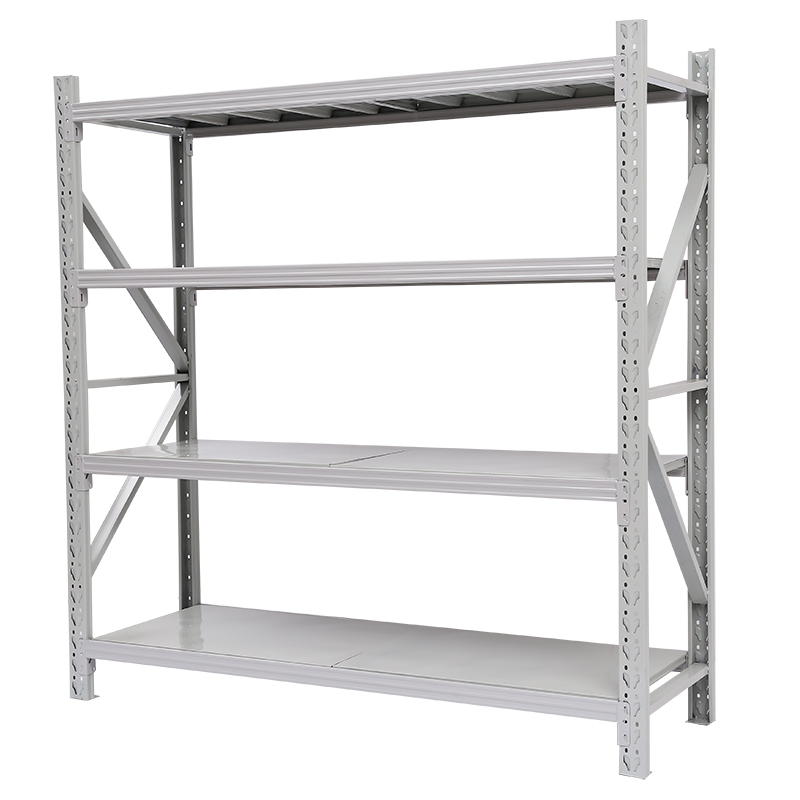
Choosing a metal shelving supplier is not only a purchasing step, it is a risk decision that affects storage safety, operating continuity, and long-term cost control. Buyers often focus on unit price first, but the real outcome depends on whether the metal shelving supplier can meet load requirements, deliver stable quality, and support installation and future expansion. Before signing any order, procurement and operations teams should verify technical fit, production reliability, and commercial clarity so the selected metal shelving supplier can support real warehouse conditions.
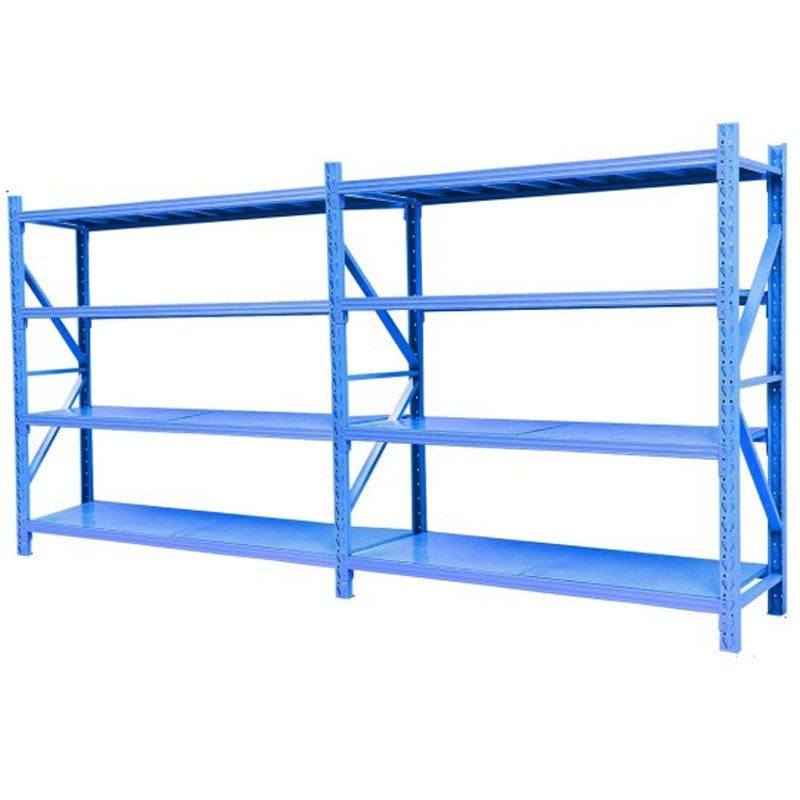
For industrial buyers, the right evaluation process should answer one core question: can this metal shelving supplier deliver compliant, durable, and scalable shelving under your operational constraints. That means checking engineering documentation, material standards, lead-time consistency, and after-sales accountability before issuing a purchase order. A qualified metal shelving supplier is transparent in technical communication, realistic in commitments, and capable of supporting changes in SKU mix, throughput, and floor layout without creating hidden cost later.
Define technical fit before discussing price
Load rating evidence and structural calculations
The first checkpoint with any metal shelving supplier is proof of load performance under realistic conditions. Buyers should request clear load ratings per level, total bay capacity, and explanation of testing assumptions such as distributed versus point loads. A dependable metal shelving supplier can provide structured data rather than broad claims, including deflection limits and safety margins relevant to your usage profile.
It is also important to confirm whether the proposed system is designed for static storage, frequent picking, or mixed handling. A metal shelving supplier that understands workflow impact will discuss not only weight capacity but also beam geometry, upright thickness, connector design, and anchoring requirements. This technical dialogue helps buyers prevent mismatch between catalog specifications and live warehouse stress.
Material grade, surface treatment, and corrosion resistance
Material consistency is a critical indicator when screening a metal shelving supplier. Ask for steel grade details, thickness tolerances, and coating specifications, because these factors directly affect service life and safety performance. When a metal shelving supplier provides full material transparency, buyers can evaluate lifecycle value instead of making decisions on appearance alone.
Surface finishing should be validated against your environment, especially in humid, dusty, or chemically exposed facilities. A serious metal shelving supplier explains pretreatment steps, coating process control, and expected wear behavior in industrial use. This level of detail helps procurement teams avoid early rust, coating failure, and unplanned replacement cycles that inflate total ownership cost.
Validate manufacturing and quality control capability
Production process stability and traceability
A reliable metal shelving supplier should be able to explain how raw material inspection, forming, welding, and finishing are controlled across batches. Buyers should check whether process checkpoints are documented and whether nonconforming parts are isolated with corrective actions. If a metal shelving supplier cannot demonstrate traceability, quality drift risk is higher when order volumes increase.
Traceability is especially important for multi-site rollouts where consistency matters more than one-time acceptance. The right metal shelving supplier can map each production lot to inspection records and shipment data, allowing faster root-cause analysis when issues appear. This reduces downtime risk and protects operational planning across regional facilities.
Testing records and compliance documentation
Before purchase, buyers should ask the metal shelving supplier for recent testing records tied to comparable product configurations. Relevant documentation may include load tests, coating adhesion checks, and dimensional inspection reports. A credible metal shelving supplier does not avoid documentation requests and can explain what each test result means in practical operating terms.
Compliance readiness is another checkpoint that separates capable partners from transactional vendors. Your metal shelving supplier should provide required declarations and product data in a format your internal quality and EHS teams can review quickly. This is one reason many buyers review technical pages such as this metal shelving supplier reference during early qualification, because clear product transparency shortens approval time.
Assess delivery reliability and project execution strength
Lead-time realism and capacity alignment
A common sourcing mistake is accepting aggressive timelines without verifying production capacity at the metal shelving supplier. Buyers should request a realistic lead-time breakdown covering manufacturing, finishing, packing, and shipment preparation. A dependable metal shelving supplier provides schedule assumptions openly and explains how peak demand periods may affect timing.
Capacity alignment matters even more for phased deployments. When your ramp plan depends on monthly deliveries, the metal shelving supplier should confirm sustained output, not just first-batch capability. This protects commissioning schedules and prevents costly labor standby caused by partial or delayed shelving arrivals.
Packing quality, shipment accuracy, and installation readiness
Even well-made products can fail a project if packaging and shipment control are weak. Ask the metal shelving supplier how parts are labeled, protected, and grouped by installation sequence. A process-oriented metal shelving supplier reduces receiving confusion, prevents transit damage, and shortens onsite assembly time.
Installation readiness should include clear drawings, component coding, and tolerances that field teams can work with efficiently. A professional metal shelving supplier provides practical documentation rather than generic manuals. Buyers should verify that technical support is available during initial installation, especially when the project includes mixed bay dimensions or future expansion interfaces.
Review commercial terms and after-sales accountability
Quotation transparency and total cost visibility
Commercial clarity is as important as engineering quality when selecting a metal shelving supplier. Quotations should clearly separate unit pricing, accessories, finish options, freight assumptions, and tooling or customization charges. A transparent metal shelving supplier helps buyers compare proposals accurately and avoid hidden costs that appear after order confirmation.
Buyers should also evaluate total cost over service life, not only purchase price. The right metal shelving supplier can discuss replacement part availability, maintenance burden, and expected durability under your handling frequency. This approach supports better budgeting and reduces long-term disruptions tied to premature component failure.
Warranty scope, spare parts, and response commitment
Before finalizing procurement, confirm what the metal shelving supplier warranty actually covers, including structural components, coating defects, and manufacturing nonconformance. Strong warranty language should define claim procedures, evidence requirements, and response timelines. A responsible metal shelving supplier sets realistic service commitments and documents them contractually.
Spare parts policy is another practical checkpoint that is often ignored during negotiations. Ask the metal shelving supplier how long key components will remain available and how quickly replacements can be dispatched. When continuity is critical, buyers should favor a metal shelving supplier that treats after-sales support as part of operational reliability, not as an optional add-on.
FAQ
What is the first thing to verify with a metal shelving supplier?
Start with technical suitability: load ratings, structural details, and material specifications that match your real storage conditions. A qualified metal shelving supplier should provide data-backed answers and documentation, not broad assurances. This early check prevents expensive redesign and rework later in the project.
How can buyers confirm whether a metal shelving supplier is consistent across large orders?
Ask for evidence of process control, inspection checkpoints, and lot traceability. A dependable metal shelving supplier can explain how quality is maintained from one batch to the next and how issues are corrected when detected. Consistency proof is essential when your deployment spans multiple sites or phases.
Why are lead times from a metal shelving supplier sometimes unreliable?
Lead-time problems often come from capacity overcommitment, incomplete scheduling assumptions, or weak shipment coordination. A trustworthy metal shelving supplier gives a detailed timeline and identifies variables that may shift delivery windows. Buyers reduce risk by validating capacity and milestone reporting before awarding the contract.
Should procurement teams focus on price first when selecting a metal shelving supplier?
Price matters, but it should follow technical fit and execution reliability. The lowest quote from a metal shelving supplier can become the highest total cost when quality drift, delay, or weak after-sales support causes disruption. Better outcomes come from evaluating lifecycle value, documented capability, and contractual accountability together.
Table of Contents
- Define technical fit before discussing price
- Validate manufacturing and quality control capability
- Assess delivery reliability and project execution strength
- Review commercial terms and after-sales accountability
-
FAQ
- What is the first thing to verify with a metal shelving supplier?
- How can buyers confirm whether a metal shelving supplier is consistent across large orders?
- Why are lead times from a metal shelving supplier sometimes unreliable?
- Should procurement teams focus on price first when selecting a metal shelving supplier?

