 EN
EN

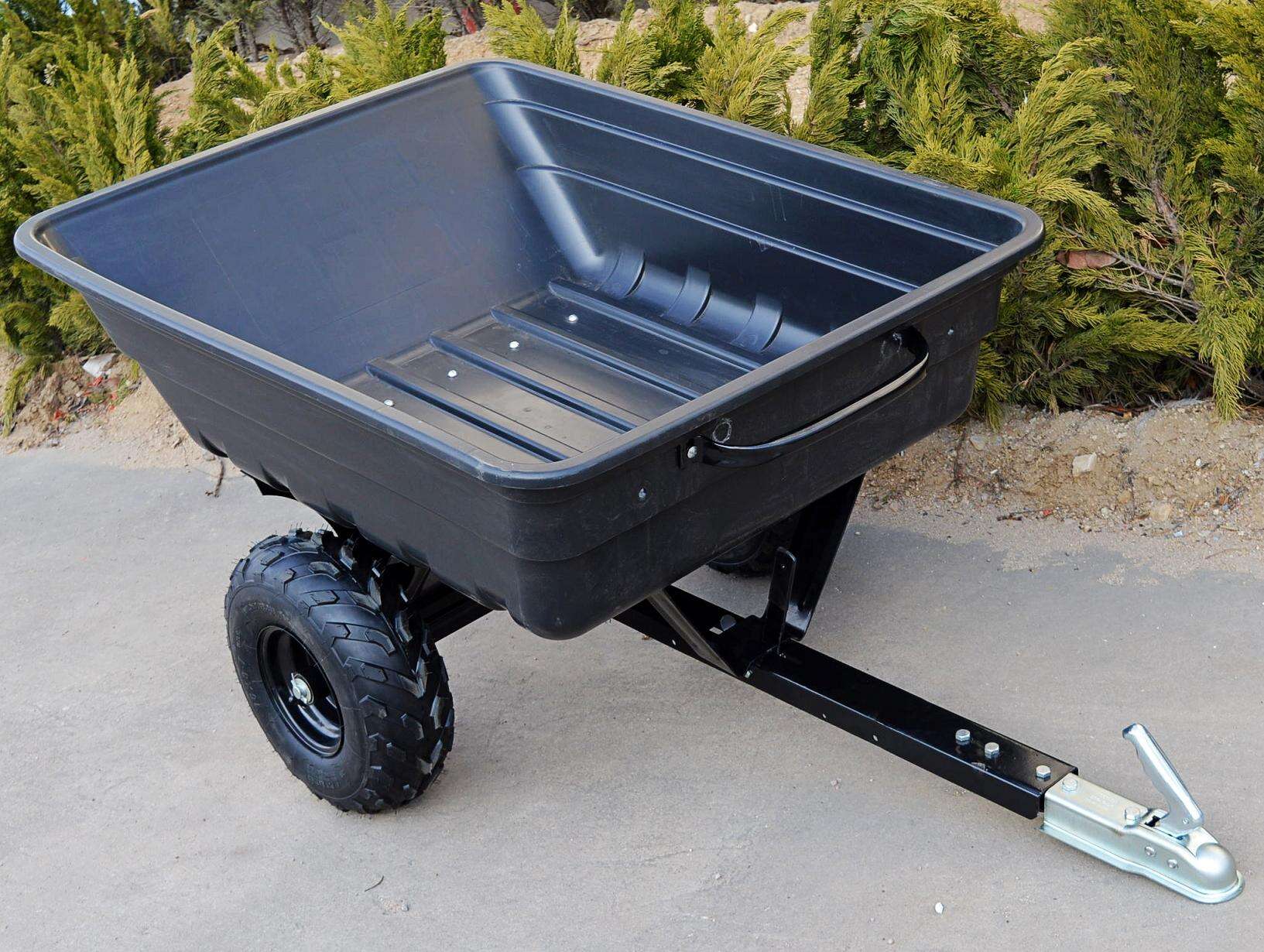
Selecting a reliable atv trailer for heavy farm transportation starts with one practical truth: reliability is not a single feature, it is the result of correct matching. A farm team can buy a strong-looking atv trailer and still face bent frames, unstable hauling, and repeated downtime if the trailer does not match load type, route conditions, and daily work rhythm. The right atv trailer should carry weight consistently, remain controllable on uneven ground, and support fast loading cycles without adding risk to operators or equipment. In heavy farm use, the selection process must be technical, not visual.
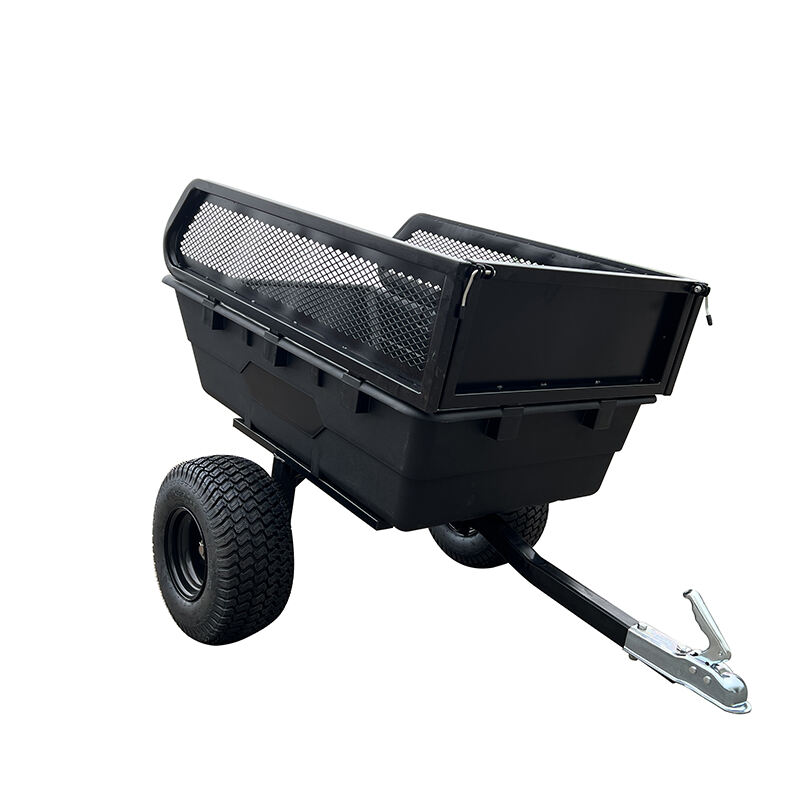
A dependable selection workflow evaluates the atv trailer in four stages: load definition, structural reliability, field-operational fit, and ownership risk control. This method prevents common mistakes such as choosing an atv trailer only by rated capacity, ignoring center-of-gravity behavior, or overlooking maintenance access. Many buyers also review related heavy-duty storage and handling solutions while planning transport systems, and that is where atv trailer planning can align with broader farm logistics decisions. When each stage is handled carefully, the atv trailer becomes a stable productivity asset rather than a recurring failure point.
Define the Transportation Load Before You Compare Designs
Map daily payload reality, not peak assumptions
The first step in choosing an atv trailer is documenting what the trailer will carry on normal days, not only on rare peak days. Heavy farm transportation often involves repeated movement of feed, fencing material, harvested produce, tools, and soil inputs, each with different density and movement behavior. A reliable atv trailer choice depends on average trip frequency, average loaded weight, and the proportion of trips near maximum load. Without this profile, buyers tend to oversize one factor and underspecify another.
For example, an atv trailer that is adequate for dry, compact loads may behave very differently with shifting or uneven material. Reliability improves when operators define not just total mass, but load distribution patterns from front to rear and side to side. A good atv trailer must maintain predictable tongue load and stable tracking when load consistency changes through the season. This is especially important when multiple workers use the same unit under time pressure.
A practical evaluation includes trip distance, stop frequency, slope exposure, and seasonal surface changes. An atv trailer used for short level runs can tolerate different setup decisions than an atv trailer that must cross ruts, wet ground, and narrow turns many times each day. By grounding selection in real transport behavior, reliability becomes measurable instead of assumed.
Match bed dimensions and sidewall height to material behavior
Bed size is often treated as a convenience feature, but for heavy farm transportation it is a reliability variable. If an atv trailer bed is too short, operators stack higher to compensate, raising center of gravity and increasing rollover risk on side slopes. If the atv trailer bed is too wide for route constraints, tire edge impacts and side contact increase structural fatigue. Reliable selection means choosing dimensions that reduce correction work during every load cycle.
Sidewall height matters for containing bulky material while preserving safe loading geometry. A low-wall atv trailer may require extra tie-down effort for each trip, while very high sides can complicate manual unloading and increase retained material in corners. In heavy farm conditions, the best atv trailer setup allows quick loading by available equipment and controlled unloading without aggressive tipping behavior. Geometry should support process stability, not just maximum fill volume.
Tailgate design also affects reliability. A durable atv trailer should have hinges, latches, and gate framing that tolerate frequent cycles and contamination from dust, moisture, and debris. Repeated gate deformation often becomes the first signal that the atv trailer was mismatched to material flow and handling style.
Evaluate Structural Reliability and Safety Margins
Assess frame integrity, axle capacity, and weld quality
In heavy applications, the true reliability of an atv trailer comes from structural margin, not headline capacity alone. Frame rail thickness, cross-member spacing, gusset placement, and weld continuity determine how the atv trailer responds to repeated dynamic loads. Farm routes create vibration, shock, and twist that exceed static assumptions, so structural details directly influence service life.
Axle selection should be reviewed with real operating stress in mind. A reliable atv trailer uses axle and hub components that can sustain repeated near-capacity movement over uneven ground without heat buildup or premature bearing wear. Buyers should verify whether rated limits reflect real off-road duty cycles rather than ideal test surfaces. When axle margin is narrow, the atv trailer may perform acceptably at first but degrade rapidly after seasonal peak use.
Weld quality is another critical factor. An atv trailer exposed to torsional load in field transitions needs clean weld penetration and reinforcement at stress concentration zones such as tongue connection points and suspension brackets. Surface finish can hide weak execution, so reliability decisions should focus on structural continuity and stress path logic. A well-built atv trailer shows design consistency from drawbar to rear frame, not isolated heavy sections.
Confirm braking behavior, tire suitability, and hitch stability
Heavy farm transportation is as much about control as carrying power. The right atv trailer should track straight under deceleration, remain stable during corner entry, and avoid abrupt weight transfer on uneven braking surfaces. Even where trailer braking systems are optional, load class and route slope may justify enhanced control features to reduce risk and drivetrain strain.
Tires influence both stability and downtime. An atv trailer intended for mixed terrain should use tire construction and tread pattern matched to mud exposure, puncture risk, and rolling resistance targets. Under-spec tires can undermine a strong frame by introducing sway, sidewall stress, and frequent pressure loss. A reliable atv trailer platform treats wheel-end components as primary safety elements, not consumable afterthoughts.
Hitch compatibility must be evaluated under articulation and shock load, not only static fit. The atv trailer coupler, drawbar length, and connection height should maintain stable angle transitions through dips and ridges. Poor hitch geometry causes oscillation that can damage both towing unit and atv trailer over time. Reliable selection includes verifying that the complete towing system behaves predictably across the farm’s most demanding route segments.
Test Operational Fit With Farm Terrain and Workflow
Validate performance on real routes and turning constraints
A dependable atv trailer choice is proven in field paths, service lanes, yard entries, and storage access points where daily work actually happens. Route width, gate clearance, turn radius, and slope transitions can quickly expose mismatch between trailer dimensions and operational reality. A trailer that appears suitable on paper may become inefficient when repeated repositioning is required.
Turning behavior is especially important in heavy transportation tasks near buildings, pens, or loading zones. An atv trailer with poor maneuver balance can increase tire scrub, surface damage, and operator fatigue. Over time, these issues reduce throughput and increase repair frequency. Reliable selection prioritizes smooth tracking and predictable follow-line behavior in both loaded and unloaded conditions.
Ground contact under varying moisture also affects uptime. During wet periods, an atv trailer with unsuitable tire profile or weight distribution may rut routes, reduce traction, and force detours. Choosing an atv trailer that maintains mobility across seasonal conditions protects scheduling reliability and lowers recovery effort when weather shifts suddenly.
Align loading and unloading speed with labor reality
Heavy farm operations depend on cycle efficiency. The right atv trailer should reduce handling steps per trip and fit the available labor skill level. If loading requires complex positioning or frequent manual adjustment, the system loses productivity even when structural capacity is adequate. Reliability includes repeatable cycle time under ordinary crew conditions.
Unloading method should match material type and destination layout. A dump-capable atv trailer can improve speed in some workflows, but only when tip angle, latch strength, and stability are suited to load behavior. In other cases, a fixed-bed atv trailer with optimized side access may deliver safer, more consistent unloading. Selection should focus on predictable output rather than feature count.
Operator ergonomics also matter for long-term consistency. Handle placement, latch resistance, and boarding points influence daily strain and compliance with safe handling practice. A reliable atv trailer minimizes awkward movements so workers maintain correct procedure even during peak workload periods.
Verify Serviceability, Compliance, and Total Ownership Risk
Plan maintenance intervals and parts accessibility in advance
An atv trailer can only remain reliable if service tasks are practical in real farm conditions. Grease points, hub access, fastener reach, and wear-component replacement time should be reviewed before purchase. A technically strong atv trailer still creates downtime risk when routine maintenance requires excessive disassembly or specialized tooling unavailable on site.
Parts continuity is another reliability filter. For heavy transportation duty, the atv trailer should use components that can be replaced within reasonable lead time during critical seasons. Long waits for standard wear items can interrupt harvest movement or feed logistics. Selection decisions should therefore include service workflow, not just initial specifications.
Inspection discipline improves outcome predictability. A reliable atv trailer program includes scheduled checks for frame stress marks, tire condition, bearing temperature behavior, latch wear, and hitch play. When this routine is straightforward, teams sustain performance consistency and catch issues before they escalate into structural failures.
Use documentation and operating limits to reduce hidden risk
Many reliability problems begin when operating limits are vague or ignored. A strong atv trailer decision includes clear load rating interpretation, speed guidance for terrain classes, and coupling requirements aligned with towing equipment. Documented limits help supervisors enforce safe and consistent use across shifts and seasonal staff changes.
Warranty terms should be read as a risk-management input, not a marketing point. A practical atv trailer evaluation checks which conditions affect coverage, how claims are handled, and whether maintenance records are required. This helps farms avoid the common gap between expected support and actual support during failure events.
Total ownership risk includes downtime cost, repair complexity, and operational disruption. The most reliable atv trailer for heavy farm transportation is the unit that preserves continuity under load, terrain variation, and labor turnover while staying serviceable over multiple seasons. That outcome comes from disciplined selection criteria, not from a single premium feature.
FAQ
How much safety margin should I keep between working load and rated capacity?
For heavy farm use, many operators target a practical margin that keeps routine loads below maximum rating to absorb dynamic shock from ruts, turns, and slope transitions. The exact margin depends on terrain severity and trip frequency, but the key principle is that an atv trailer should not operate at absolute limit for most cycles. Consistent margin improves stability, component life, and braking control.
Can one atv trailer handle different farm materials efficiently?
One atv trailer can cover multiple tasks when bed geometry, side containment, and unloading method are matched to the widest set of routine materials. Efficiency drops when material behavior changes faster than the trailer setup can adapt, especially with loose or shifting loads. Farms with highly mixed payloads should prioritize configuration flexibility and quick reset between trips.
What are the earliest signs that an atv trailer is not reliable for my route?
Early warnings include repeated sway on mild turns, uneven tire wear, frequent latch adjustment, visible frame stress near joints, and rising time per loading cycle. These indicators show that the atv trailer may be mismatched to load distribution or route demands. Addressing mismatch early prevents larger failures and costly downtime during peak periods.
How often should a heavy-use atv trailer be inspected?
Inspection frequency should align with duty intensity, but heavy daily use generally requires frequent visual checks plus scheduled deeper inspections at defined intervals. The atv trailer should be checked for tire condition, hitch wear, fastener security, and structural stress points before issues affect control or capacity. A documented routine is the most reliable way to maintain safe transport performance.

