 EN
EN

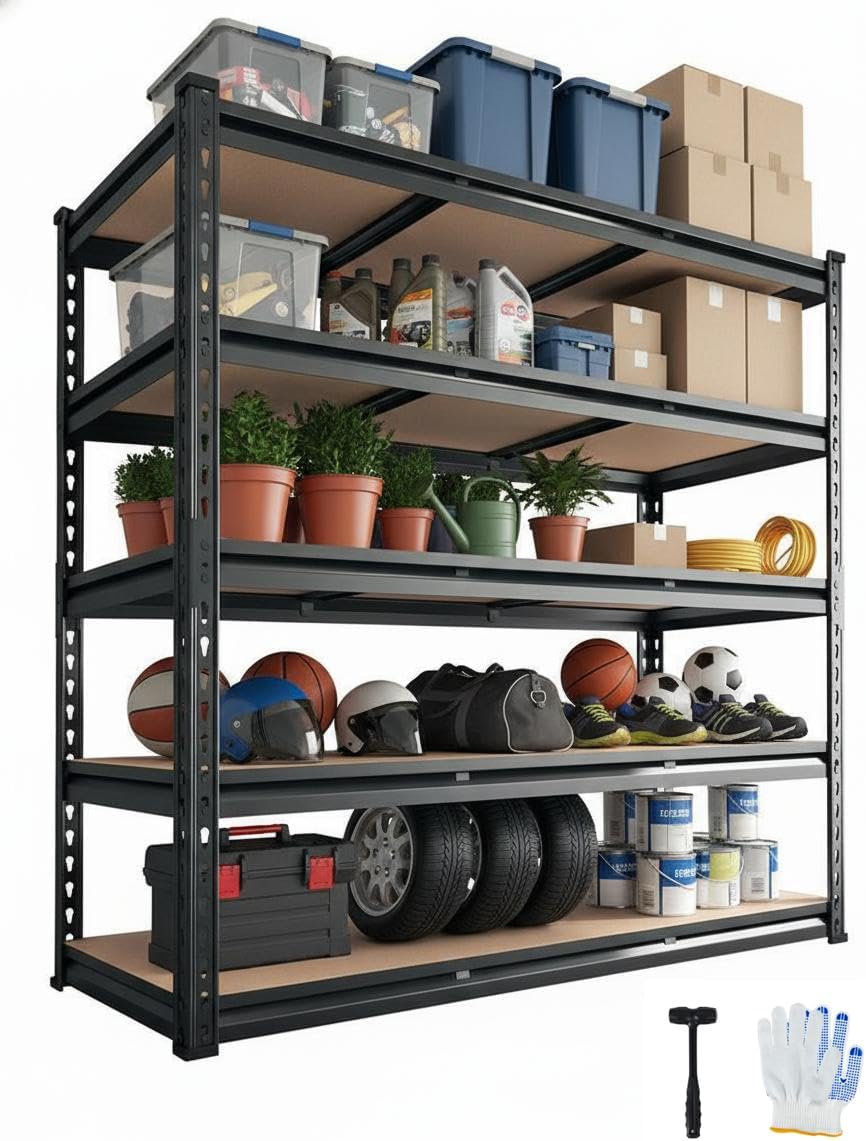
Operating a successful shelf factory requires strategic investment in the right equipment and machinery. A modern shelf factory must balance production capacity, quality control, worker safety, and operational efficiency to remain competitive in today's industrial market. The foundation of any productive shelf factory starts with understanding which equipment directly impacts output, product consistency, and bottom-line profitability. This comprehensive guide walks you through the essential machinery and systems that distinguish a well-equipped shelf factory from basic operations.
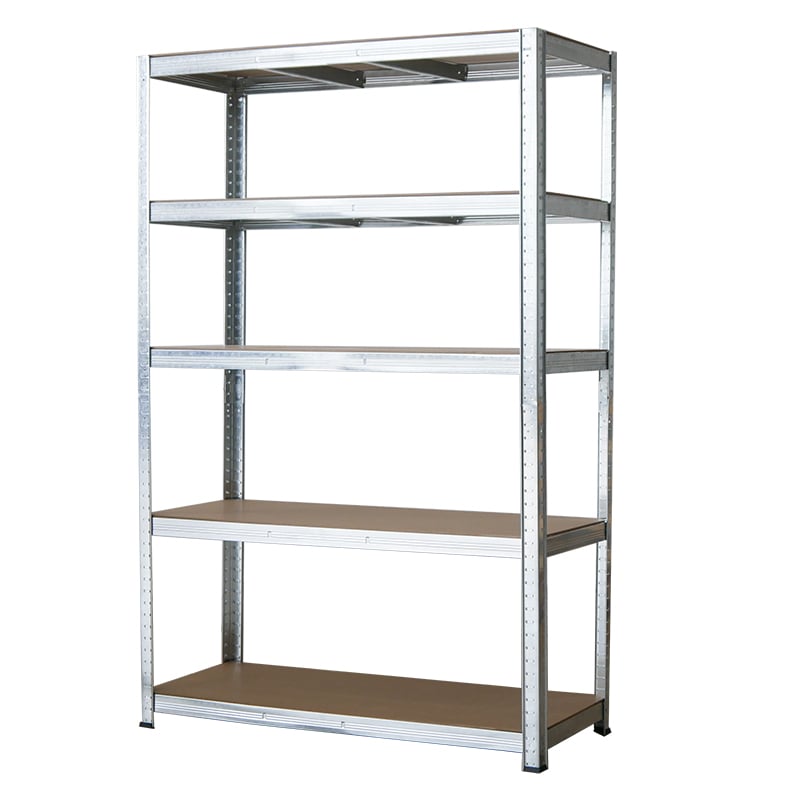
Every shelf factory operator faces the same critical question: what equipment delivers the highest return on investment? The answer depends on production volume, product specifications, and market positioning. A shelf factory handling thousands of units monthly requires different machinery than one producing smaller batches. Understanding core equipment categories helps shelf factory owners make informed purchasing decisions that align with their operational goals and growth trajectory.
Core Production Machinery for Shelf Factory Operations
Sheet Metal Working Systems
Sheet metal equipment forms the backbone of any shelf factory. Hydraulic shearing machines cut raw steel or aluminum coils into precise dimensions required for shelf construction. A modern shelf factory invests in CNC shearing systems that deliver consistent cuts and minimize material waste. Plasma cutting tables enable a shelf factory to handle complex geometries and specialized profile requests from customers. These machines directly influence the shelf factory's ability to scale production while maintaining dimensional accuracy.
Bending and forming equipment transforms flat stock into curved or angular components used in shelf frames. A shelf factory equipped with CNC press brakes can produce multiple bend configurations without manual repositioning, significantly improving throughput. Hydraulic presses allow a shelf factory to achieve high-precision angles and radii consistently across large production runs. The investment in these bending systems pays dividends through reduced scrap rates and faster shelf factory delivery schedules.
Welding and Assembly Stations
Welding capability separates basic shelf factory operations from advanced manufacturers. Robotic welding stations enable a shelf factory to join structural components with superior speed and consistency compared to manual processes. A shelf factory implementing automated welding reduces labor costs while improving weld quality and structural integrity. Multi-station welding lines allow a shelf factory to weld multiple shelf frame assemblies simultaneously, dramatically increasing daily production capacity.
Assembly workstations equipped with ergonomic fixtures speed up shelf factory operations. Jig and fixture systems hold components in precise alignment while workers assemble shelves or perform secondary operations. A well-organized shelf factory uses dedicated assembly zones for different product types, allowing workers to develop efficiency through specialization. Quality checkpoints integrated into assembly stations help a shelf factory maintain consistency and catch defects before shipping.
Finishing and Quality Control Systems
Surface Treatment Equipment
Finishing processes distinguish premium shelf factory output from basic commodity products. Powder coating lines apply protective finishes that enhance durability and aesthetics. A modern shelf factory implements automated coating systems with spray booths, ovens, and conveyor handling to achieve uniform coverage. Galvanizing or zinc-plating systems allow a shelf factory to offer corrosion-resistant products that command higher market prices and extend product lifespan in demanding environments.
Surface preparation equipment removes burrs, rust, and contaminants before finishing. Deburring machines eliminate sharp edges that pose worker safety risks and reduce product quality perception. A shelf factory with automated surface treatment stations reduces manual labor and achieves consistent results across all units. Chemical treatment systems used in a shelf factory prepare metal surfaces for optimal coating adhesion, preventing finish failures and warranty claims.
Testing and Inspection Systems
Quality control equipment protects a shelf factory's reputation and ensures compliance with industry standards. Load testing machines verify that shelf factory products meet weight capacity specifications before distribution. A shelf factory should conduct regular destructive testing on representative samples to validate structural integrity. Non-destructive testing methods allow a shelf factory to inspect finished products without compromising them for resale.
Precision measurement tools including coordinate measuring machines (CMM) enable a shelf factory to verify dimensional accuracy. Digital calipers and height gauges allow operators throughout a shelf factory to spot-check critical dimensions. Statistical process control systems help a shelf factory monitor trends and identify quality drift before it impacts customer satisfaction. Documentation systems used in a shelf factory create traceability records that demonstrate compliance with quality standards.
Material Handling and Storage Infrastructure
Inventory Management Equipment
Material handling systems determine how efficiently a shelf factory moves raw materials and work-in-progress through production areas. A shelf factory requires heavy-duty racking systems to organize coils, sheet stock, and component inventory. Overhead cranes and hoists allow a shelf factory to safely move heavy materials between workstations and storage zones. Automated material handling equipment reduces manual labor while minimizing product damage and worker injury risks across the shelf factory.
A shelf factory benefits from organized component staging areas positioned near assembly stations. Small-parts racks enable shelf factory employees to access fasteners, brackets, and other components without leaving their workstation. Pallet jacks and powered carts help a shelf factory maintain continuous material flow without creating bottlenecks. Efficient material placement directly impacts how many units a shelf factory can produce daily.
Packaging and Shipping Systems
Modern shelf factory operations include equipment for protecting and presenting finished products. Wrapping machines secure shelf units with stretch wrap, protecting surfaces during transit. A shelf factory might use banding equipment to bundle multiple units for shipment. Palletizing systems allow a shelf factory to organize products efficiently for truck loading and distribution.
Scale systems integrated into a shelf factory's shipping area verify product count and weight before invoicing. Barcode printers and labeling systems create shipment documentation that a shelf factory uses for inventory tracking. Climate-controlled staging areas protect finished products in a shelf factory until shipment, preventing rust or damage from environmental factors.
Safety Systems and Facility Infrastructure
Workplace Safety Equipment
A professional shelf factory prioritizes worker safety through equipment and systems design. Machine guards and safety interlocks prevent a shelf factory employee from accessing dangerous components. Emergency stop systems throughout a shelf factory allow workers to halt operations immediately if hazards emerge. Personal protective equipment stations should be readily accessible across the shelf factory floor.
Ventilation systems remove fumes generated during welding and coating operations in a shelf factory. A shelf factory maintains air quality through extraction hoods positioned at workstations and facility-wide ventilation. Spill containment systems protect a shelf factory environment from chemical releases. First aid stations and eyewash stations are essential safety infrastructure every shelf factory must provide.
Environmental and Compliance Systems
Waste management equipment helps a shelf factory comply with environmental regulations and reduce disposal costs. Scrap metal collection and baling systems allow a shelf factory to recycle waste material efficiently. Wastewater treatment systems or containment equipment protect a shelf factory's environmental compliance. A shelf factory maintains safety data sheets and chemical storage protocols that meet regulatory requirements.
Energy-efficient lighting and HVAC systems reduce operating costs for a shelf factory while improving working conditions. Compressed air systems power many pneumatic tools and equipment throughout a shelf factory. Backup power systems ensure that a shelf factory can maintain operations during utility interruptions, protecting work-in-progress inventory. Maintenance equipment and spare parts inventory keep a shelf factory running smoothly between equipment services.
FAQ
What is the minimum equipment investment needed to start a small shelf factory?
A basic shelf factory can begin with essential cutting equipment, a welding station, and assembly fixtures. However, this minimal approach limits production capacity and product versatility. As a shelf factory grows, reinvesting profits into additional machinery multiplies output capabilities. Most successful shelf factory operators find that reasonable upfront investment in core equipment generates returns within 18–24 months through increased production efficiency and customer capacity.
How does automation improve shelf factory productivity?
Automation enables a shelf factory to reduce labor requirements while increasing consistency and speed. Robotic welding in a shelf factory operates continuously without fatigue, producing thousands of identical welds. CNC machinery allows a shelf factory to cut production time for complex shapes by 40–60% compared to manual methods. While automation requires higher initial investment, a shelf factory typically recovers costs through improved throughput and reduced defect rates within a few years.
What ongoing maintenance does shelf factory equipment require?
A shelf factory must implement preventive maintenance schedules to minimize equipment downtime. Hydraulic systems in a shelf factory require regular oil changes and filter replacement. Welding equipment needs periodic inspection and cleaning to maintain arc quality. A shelf factory should maintain spare parts inventory for critical components and establish relationships with equipment service providers to ensure rapid repairs when needed.

