 EN


Choosing a wheelbarrow for extreme terrain starts with matching its running gear, frame, and load capacity to the ground your crew actually crosses. Mud, loose gravel, steep grades, and rocky paths place different demands on a wheelbarrow, so a model that works on a level site may become unstable or difficult to push elsewhere. Start by identifying the toughest route, not simply the largest load.
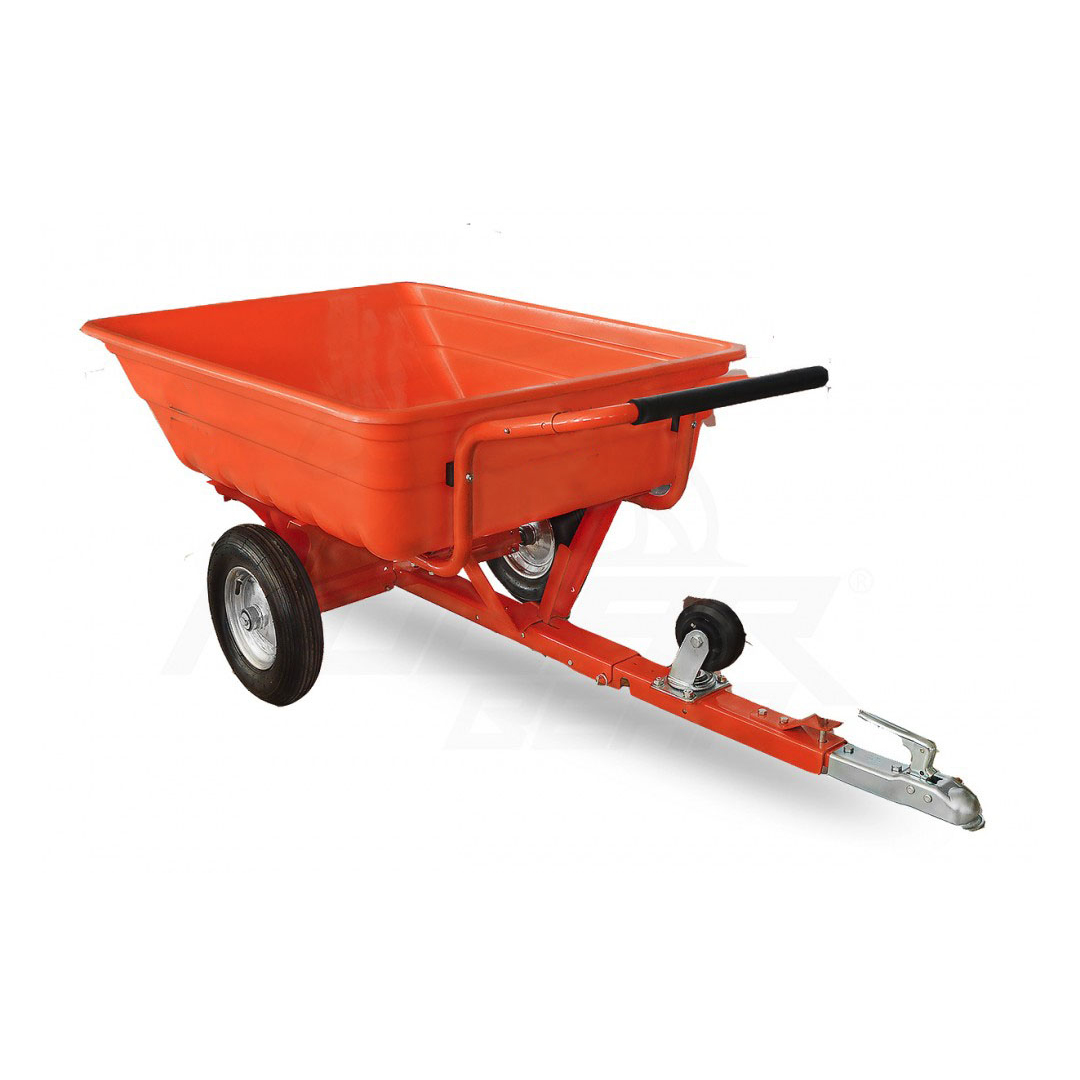
A suitable wheelbarrow should let the operator move material with control, maintain balance over uneven surfaces, and withstand repeated impact. That means considering tire type, wheel arrangement, handles, tray, frame, and serviceability together. This guide explains how to evaluate those features for challenging conditions, so you can select a wheelbarrow around real terrain and work practices rather than relying on a single specification.
Assess the terrain before comparing designs
Identify the surface and its changing conditions
Map the full route for the wheelbarrow, including loading and dumping points. Soft soil and mud call for flotation, while loose stone can shift under a narrow tire; roots and rubble create repeated jolts that test the wheelbarrow frame and fasteners. A route may combine all three, so assess the weakest sections and seasonal changes instead of judging only the most visible surface.
Grade matters as much as ground texture. On slopes, a loaded wheelbarrow can pull sideways, gain momentum, or become difficult to stop, especially when its load sits high. Check turns, cross-slopes, ramps, and stopping areas before choosing a wheelbarrow. If operators must negotiate tight corners, confirm the wheelbarrow can turn without forcing them to twist their backs or lift the handles excessively.
Match the route to the operating method
A short, rough path may suit a manually pushed wheelbarrow, whereas long travel distances or repeated heavy trips can make manual handling inefficient. Estimate the number of trips, average load, and distance for each shift. This helps establish whether a wheelbarrow is practical for the whole task or better reserved for narrow areas that larger transport equipment cannot reach.
Consider who will operate the wheelbarrow and whether the same person handles loading, travel, and unloading. Different users may have different reach, strength, and experience, which affects safe control on uneven ground. A wheelbarrow should fit the crew and workflow, not just the material. When powered towing is more appropriate, compare the required access and handling separately; a manual wheelbarrow is not automatically the right solution for every route.
Choose running gear and structure for control
Evaluate tire size, tread, and wheel layout
Tire diameter and width influence how a wheelbarrow rolls over obstacles and distributes pressure on soft ground. Wider tires can help limit sinking, while a larger wheel may pass over small obstructions more smoothly. Pneumatic tires can absorb shocks but require pressure checks and may puncture; solid tires avoid air loss but can transmit more vibration. Select wheelbarrow tires according to terrain, maintenance access, and expected load.
A single-wheel wheelbarrow usually offers a tighter turning radius, but the operator must balance it during travel and unloading. Two-wheel layouts can feel steadier on straight, uneven routes, though they may be less agile in confined spaces. Neither arrangement guarantees control on a slope. Test an unloaded wheelbarrow through representative turns, then assess loaded handling cautiously in a controlled area before routine use.
Inspect the frame, tray, and contact points
For rocky or rutted routes, examine frame joints, axle supports, and the connection between handles and tray. Repeated impacts can loosen fasteners or fatigue stressed metal, so a wheelbarrow needs a frame suited to the duty cycle, not merely a high stated capacity. Look for accessible inspection points and a design that allows routine tightening or replacement of wear parts without improvised repairs.
Tray material and shape also affect durability and control. A deep tray can contain loose material, but overfilling a wheelbarrow raises the load and can compromise balance. Check that the tray resists the abrasion and impact expected from soil, aggregate, or construction debris. Handles should provide a secure grip and adequate clearance; a wheelbarrow that forces awkward wrist or shoulder positions is harder to steer over obstacles.
Set capacity and handling around the task
Use realistic loads rather than maximum ratings
Choose capacity by weighing material density, not by tray volume alone. A wheelbarrow filled with compact, wet material may be far heavier than one carrying loose, dry debris. Compare the expected working load with the stated rating, and leave room for uneven distribution. A smaller, controlled wheelbarrow load often provides better steering and braking than a full tray on difficult terrain.
The operator must lift the handles to support part of the load, so total weight affects more than the wheelbarrow structure. On uneven surfaces, sudden bumps can shift material and increase the effort needed to correct direction. Establish a practical fill line, train workers to distribute loads evenly, and avoid carrying loads that block the route ahead. These measures help keep wheelbarrow use predictable without treating maximum capacity as a target.
Check maneuverability, maintenance, and safe use
Before committing, trial the wheelbarrow on representative terrain with a modest load. Observe whether it tracks straight, clears obstacles, and can be turned or stopped without abrupt effort. Include the actual dumping point, because a wheelbarrow that travels well may still be difficult to tip on a slope or cramped surface. For crews considering powered transport, this wheelbarrow reference presents an all-terrain trailer alternative to assess against the task.
A practical inspection routine should cover tire condition, axle movement, handle security, tray damage, and loose fasteners. Keep the wheelbarrow clean enough to spot cracks and remove material that could interfere with wheel rotation. Define safe travel limits for steep or unstable ground, and stop work when traction or visibility is inadequate. Regular checks cannot remove terrain hazards, but they can reveal a wheelbarrow problem before it becomes a handling failure.
FAQ
Is a pneumatic tire always best for rough terrain?
No. Pneumatic tires can cushion a wheelbarrow over rough ground, but they need suitable pressure and puncture checks. Solid tires may suit routes where air loss is a concern. Choose based on surface, load, and maintenance capability, then test the wheelbarrow under controlled conditions.
Should I choose a one-wheel or two-wheel design?
Choose according to maneuverability and balance needs. A one-wheel wheelbarrow can turn tightly but requires active balancing; a two-wheel design may feel steadier on straight routes. Compare both on the actual path, because slope, width, and load can change how each wheelbarrow handles.
How can I tell whether the load is too heavy?
If the operator cannot steer, stop, or lift the handles with controlled effort, reduce the load. A wheelbarrow rating does not account for every slope or surface. Set a conservative working load and make sure material stays stable during travel and unloading.

