 EN

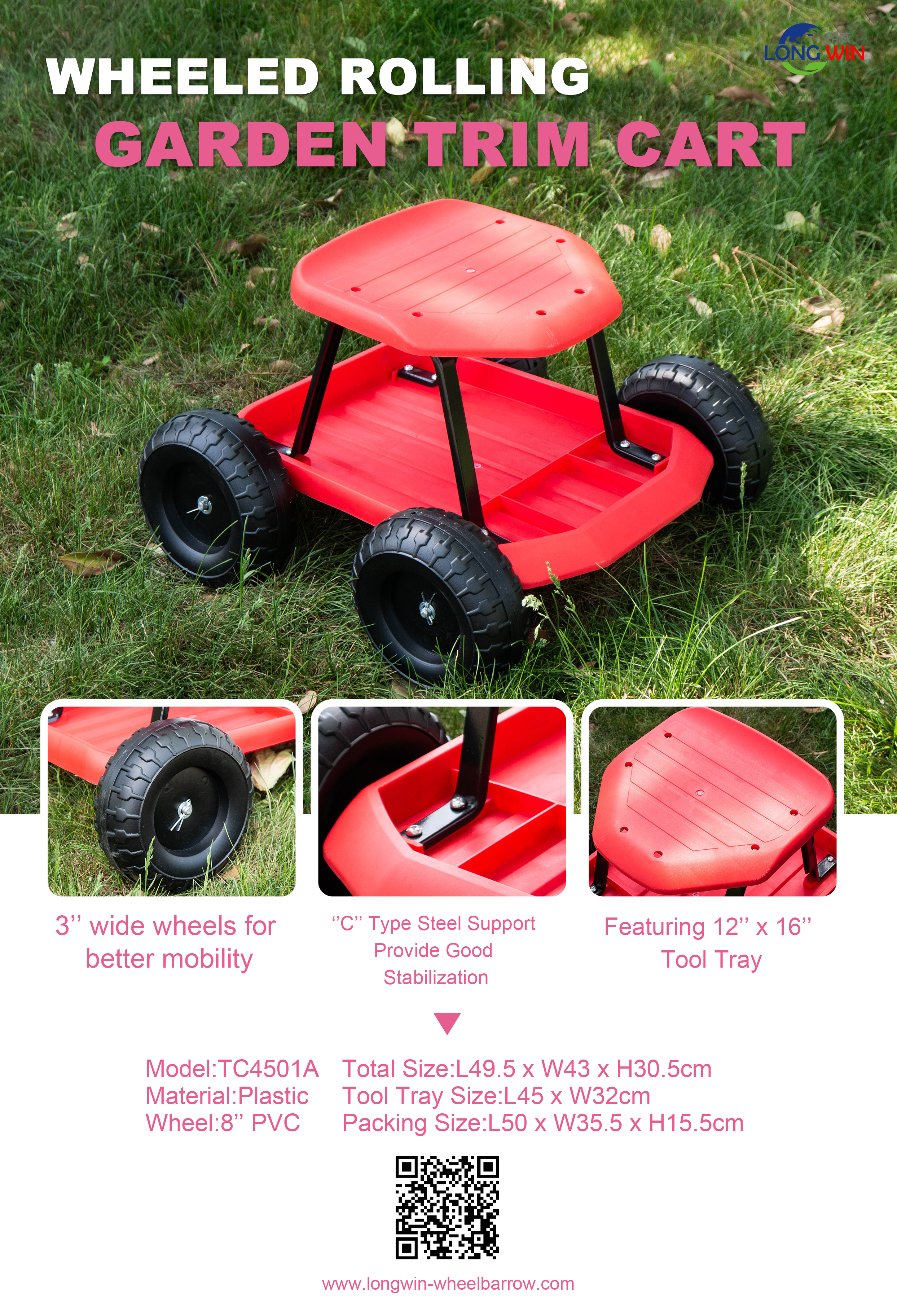
A garden rolling work seat is essential for landscaping suppliers because it connects product usefulness with the practical realities of planting, pruning, and maintaining outdoor spaces. It lets staff demonstrate a tool or workflow at ground level, where customers actually use it, while offering a mobile place to sit and keep small supplies close. For a supplier, the garden rolling work seat is not just a comfort accessory; it is a way to make advice more relevant and product selection easier.
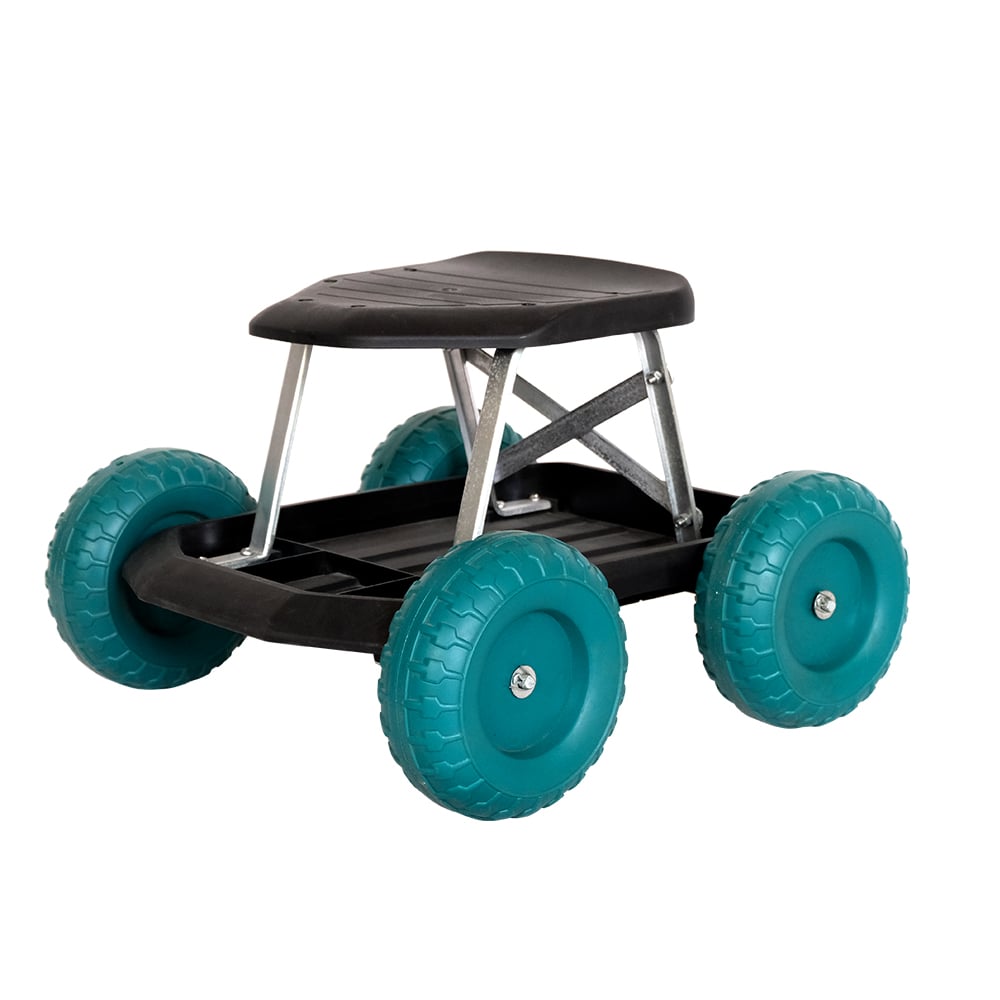
Landscaping suppliers serve contractors, grounds teams, garden centers, and home gardeners, each with different tasks and physical demands. A garden rolling work seat can help translate product specifications into hands-on value, whether a buyer is organizing a work area or considering equipment for repetitive planting. The reasons it matters reach beyond comfort: it supports demonstrations, helps staff explain task setup, and gives buyers a tangible example of how mobility can fit into outdoor work.
Practical value during product demonstrations
Bringing the product closer to real tasks
A garden rolling work seat gives a supplier a clear way to demonstrate how seating and storage can support ground-level work. Rather than describing the idea from behind a counter, staff can show how the seat moves between beds and keeps frequently used items within reach. A garden rolling work seat also makes it easier to discuss the actual work sequence, helping customers judge whether the format suits their planting, weeding, or maintenance routine.
A useful demonstration should reflect the customer’s conditions, not just the product’s appearance. With a garden rolling work seat, staff can explain how operators may sit for close work, reposition as a task progresses, and stand when a different movement is needed. This practical context helps a garden rolling work seat become part of a specific workflow discussion, rather than an accessory presented without a clear purpose.
Making advice more concrete
Customers often compare equipment by asking how it will behave in their own workspace. A garden rolling work seat creates a physical reference for discussing reach, movement, tool access, and the amount of space needed around a planting area. Suppliers can use the demonstration to ask about bed width, surface conditions, and the tools a buyer normally carries. Those questions make recommendations more grounded and help prevent mismatches between product format and task.
A supplier can also use a garden rolling work seat to show how a portable work position may be arranged beside a bench, greenhouse row, or display garden. The demonstration should make limitations visible too: terrain, load requirements, and storage needs vary. Explaining those factors around a garden rolling work seat builds confidence because buyers can assess fit instead of relying on broad claims.
Supporting supplier operations and customer needs
Connecting product education with daily use
Landscaping suppliers do more than move goods; they help customers understand how equipment fits into daily work. A garden rolling work seat can anchor conversations about repetitive low-level tasks, where workers may benefit from changing position and keeping selected tools nearby. Staff can describe the role of a garden rolling work seat without implying that it removes every physical demand, since task design, breaks, and safe movement remain important.
This context is useful when a buyer is outfitting a small crew or adding practical accessories to an existing operation. Suppliers can ask who will use the garden rolling work seat, how often it will move, and whether the work area is smooth, compact, or uneven. These details shape a sensible discussion of suitability. A garden rolling work seat may be more relevant for close, mobile work than for tasks requiring long-distance travel or substantial loads.
Helping buyers evaluate workplace fit
A garden rolling work seat also gives suppliers a way to explain that comfort depends on matching equipment to the task and user. Height, access to tools, storage arrangements, and movement paths all influence whether a seat is practical. Rather than promising a universal solution, staff can use a garden rolling work seat to encourage a trial in a representative work area and invite the buyer to assess reach, stability, and maneuverability.
For commercial buyers, even a small item should fit purchasing and handling routines. A garden rolling work seat may need to be stored between jobs, moved through narrow aisles, or cleaned after outdoor use. Suppliers can discuss these operational details before a decision, including the product’s construction and the buyer’s maintenance expectations. A garden rolling work seat becomes easier to evaluate when practical ownership questions are addressed alongside its intended task.
Choosing and presenting the right use case
Matching mobility to the work environment
The main reason to consider a garden rolling work seat is that many landscaping tasks change position frequently while staying close to the ground. The right fit depends on the route between work points, the surface, and the amount of equipment involved. Suppliers should explain how a garden rolling work seat is intended to move, then encourage customers to consider whether their site allows safe, controlled repositioning.
A greenhouse, nursery aisle, and residential planting bed can present very different conditions. A garden rolling work seat may suit a compact work zone where the user can move short distances, but roots, slopes, loose gravel, or crowded paths can affect usability. Asking customers to describe the setting helps suppliers frame the garden rolling work seat honestly. It also prevents a simple demonstration from being mistaken for proof of suitability in every landscape.
Building trust through clear product guidance
A credible supplier explains both benefits and boundaries. When presenting a garden rolling work seat, staff can describe its role in supporting seated work and organizing nearby items while reminding buyers to check capacity, dimensions, materials, and care guidance. A garden rolling work seat should be selected against the user’s actual routine, not solely because the concept sounds convenient or because a display makes it look versatile.
That level of guidance can strengthen the customer relationship over time. Buyers remember suppliers who ask useful questions and relate product details to real tasks. By discussing how a garden rolling work seat fits planting, maintenance, or greenhouse work, staff make the conversation more specific and useful. They can also recommend that customers test movement and access in a safe area before relying on the garden rolling work seat as part of a regular work process.
FAQ
Why should landscaping suppliers stock a garden rolling work seat?
It gives suppliers a practical product to demonstrate for close, mobile outdoor tasks. A garden rolling work seat also supports useful conversations about work comfort, tool access, and site suitability, helping customers assess whether it matches their needs.
Which customers may benefit from a garden rolling work seat?
Gardeners, nursery staff, and landscaping teams performing frequent ground-level work may find the format relevant. A garden rolling work seat is most useful when its movement, capacity, and design fit the user’s tasks and work surface.
What should buyers check before choosing one?
Buyers should consider dimensions, capacity, construction, storage, maintenance, and the terrain where the seat will be used. Testing a garden rolling work seat in a representative area can clarify whether it moves and positions well for the intended work.

