Low Maintenance Requirements and Long-Term Value Retention
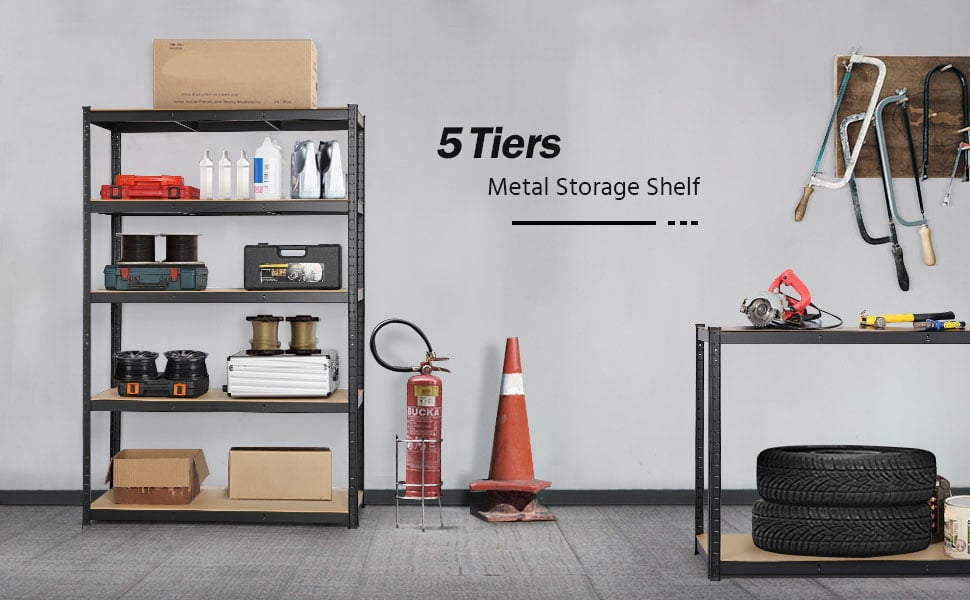
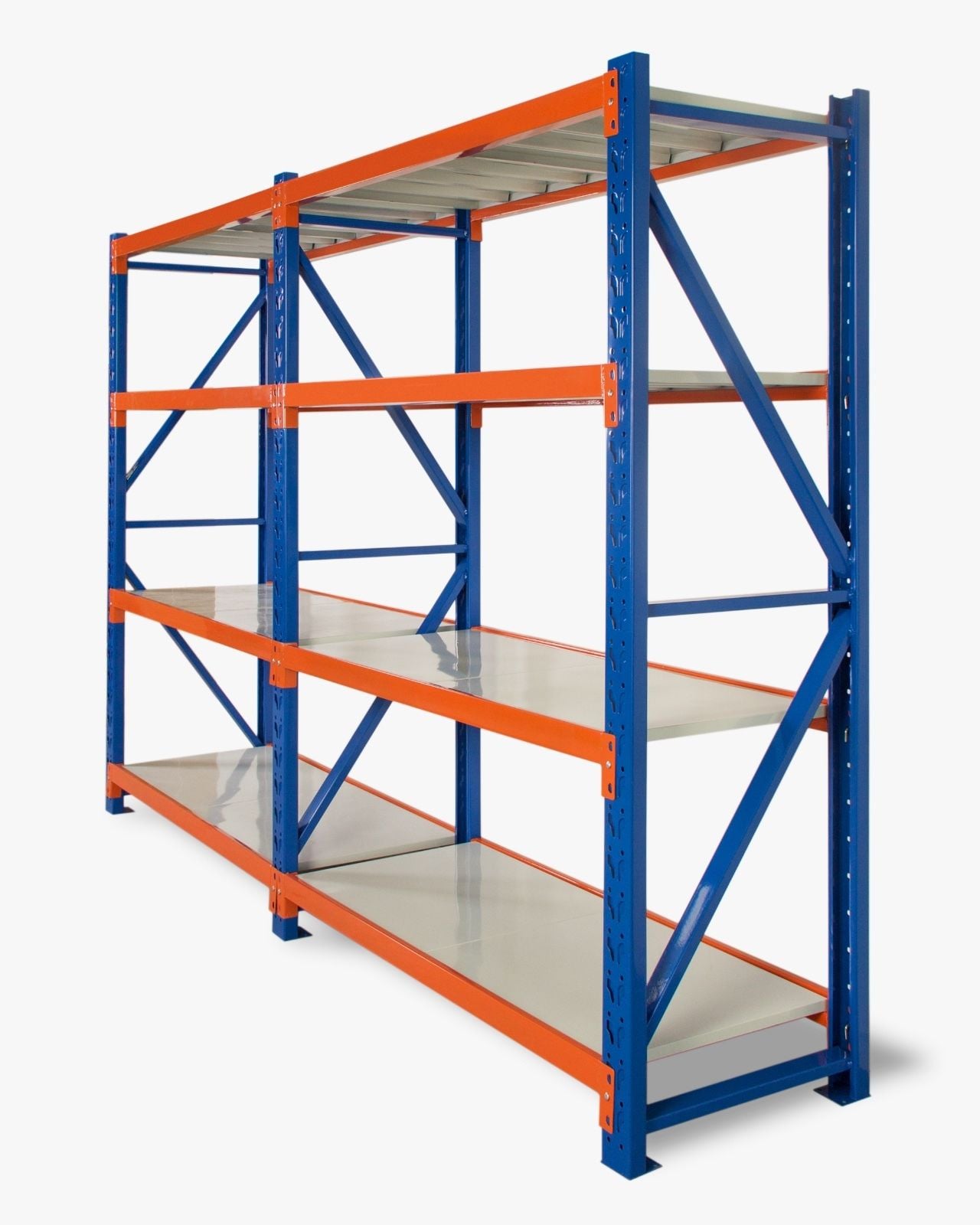
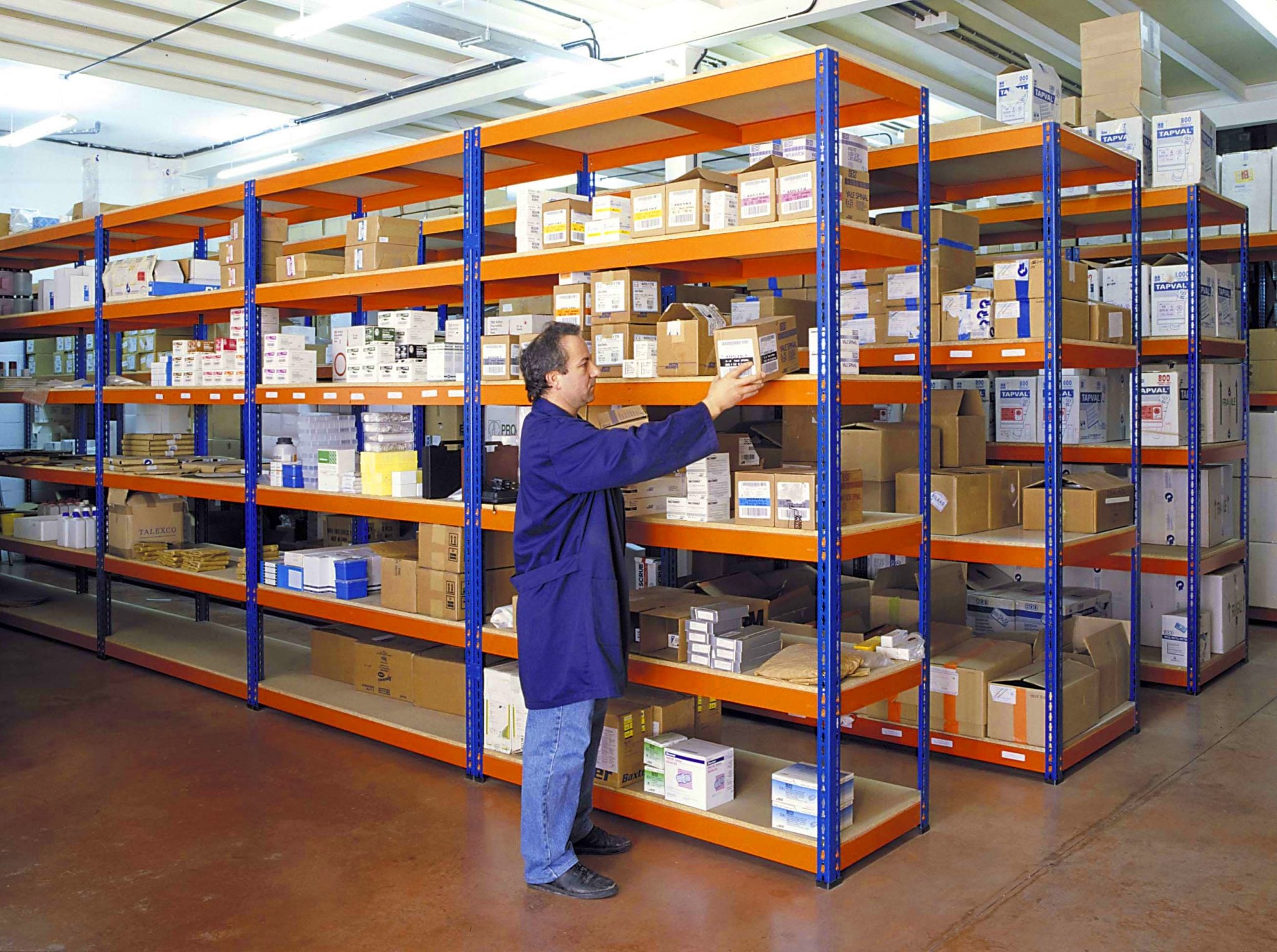
The minimal maintenance demands of metal utility shelves contribute significantly to their total cost of ownership advantage and user satisfaction over extended periods. Unlike wooden shelving that requires periodic refinishing, sealing, or treatment to maintain appearance and prevent deterioration, metal utility shelves remain functionally and aesthetically sound with only basic cleaning practices. The powder-coated finishes applied to quality metal shelving create a durable barrier that resists scratches, chips, and wear from daily contact with stored items and handling during loading operations. This protective layer bonds molecularly to the underlying metal through an electrostatic application process followed by heat curing, resulting in a finish far more resilient than conventional paint that simply sits on the surface. When cleaning becomes necessary, the non-porous surface of metal utility shelves wipes clean with a damp cloth and mild detergent, removing dust, spills, and residues without specialized cleaning products or labor-intensive scrubbing. The inherent properties of properly finished metal prevent common storage problems such as mold growth, pest infestation, and moisture absorption that plague organic materials. Termites, carpenter ants, and other wood-destroying insects show no interest in metal utility shelves, eliminating the need for pesticide treatments or constant vigilance for signs of infestation. The dimensional stability of metal means shelves maintain their original shape regardless of humidity fluctuations or temperature variations, preventing the gaps, warping, and misalignment that develop in wooden systems exposed to environmental changes. This consistency ensures smooth operation of adjustable features and maintains proper weight distribution across shelf surfaces throughout years of service. Galvanized or stainless steel components offer enhanced corrosion resistance for particularly challenging environments such as outdoor covered areas, coastal locations with salt air exposure, or industrial settings with chemical vapors. The structural integrity of metal utility shelves remains intact even if cosmetic damage occurs, unlike wooden shelves where surface damage often indicates underlying weakness. Small scratches or dents do not compromise load-bearing capacity or require immediate repair, allowing these shelves to continue functioning effectively while displaying the honest wear patterns of hardworking storage solutions. The recyclability of metal components provides an exit strategy that recovers value even when shelves eventually reach end-of-life, as scrap metal dealers purchase old steel shelving for recycling into new products. This circular lifecycle approach aligns with sustainability goals while providing a financial return that partially offsets replacement costs. The timeless industrial aesthetic of metal utility shelves ensures they never appear outdated, maintaining visual appeal across changing design trends that might render other shelving styles obsolete.
 EN
EN