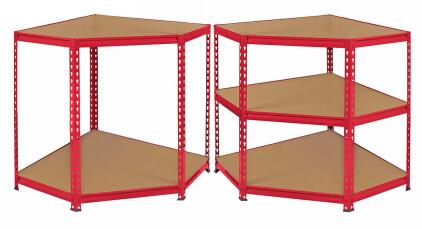
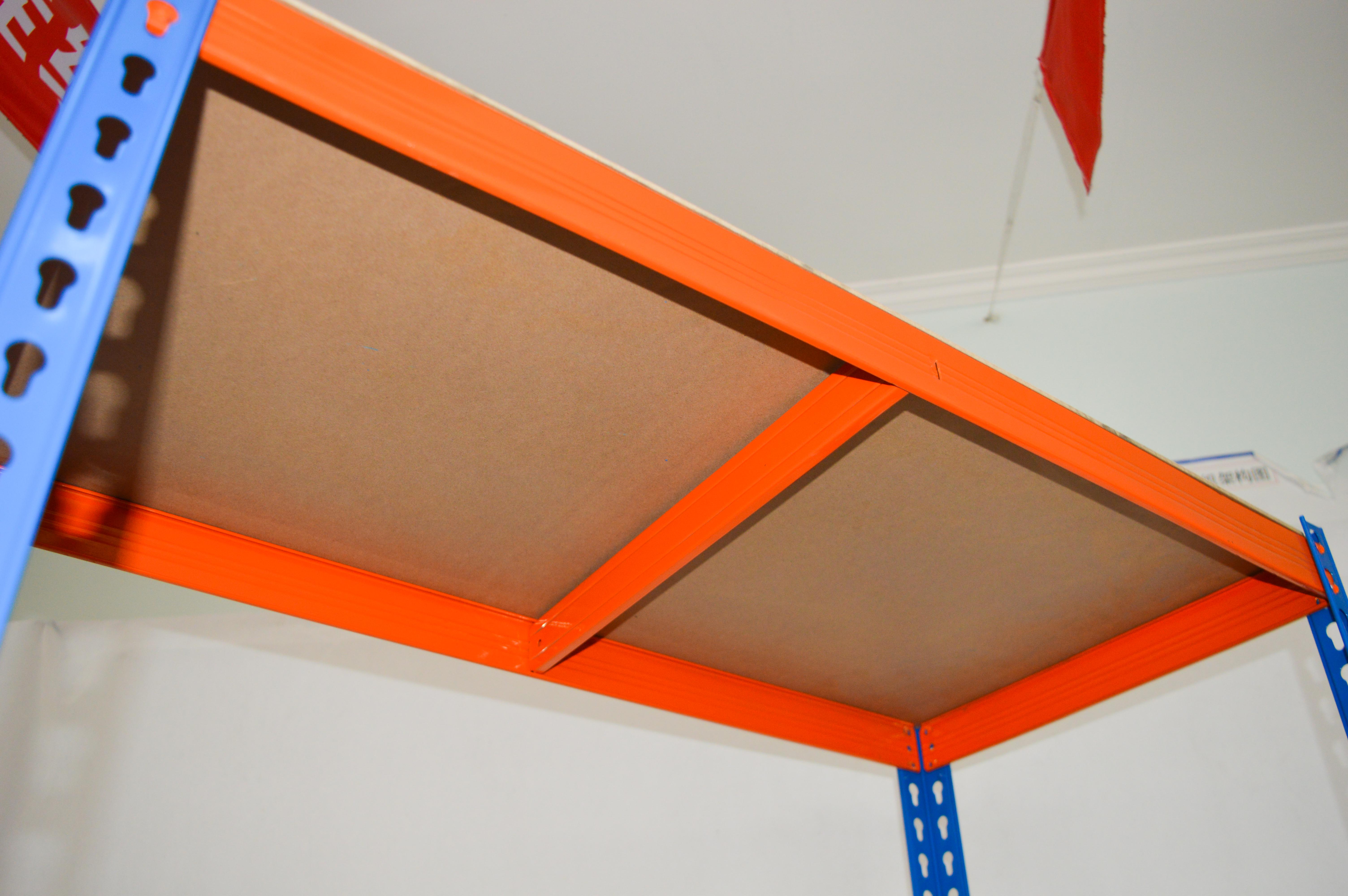
Effortless Assembly and Reconfiguration Without Professional Help
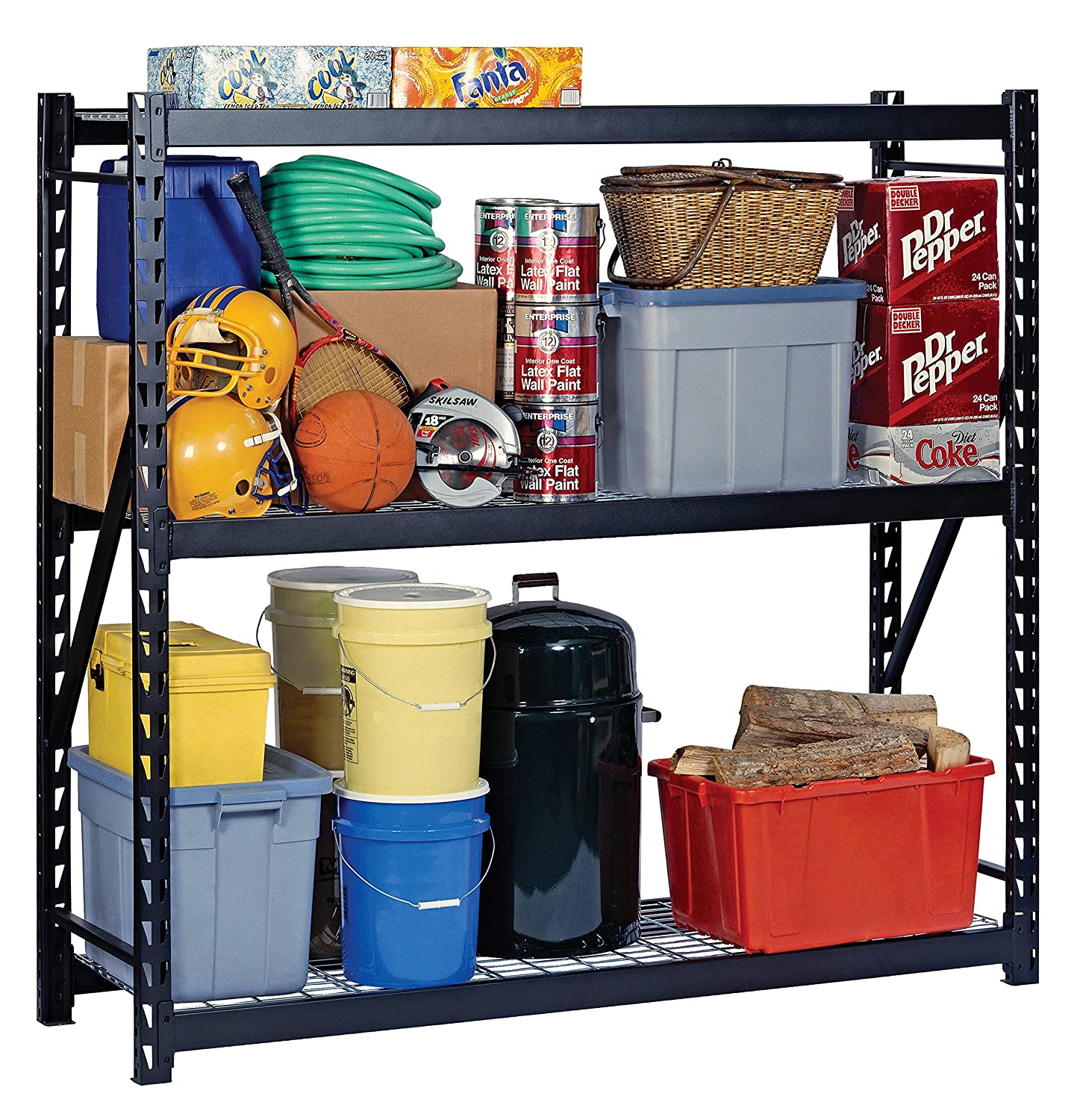
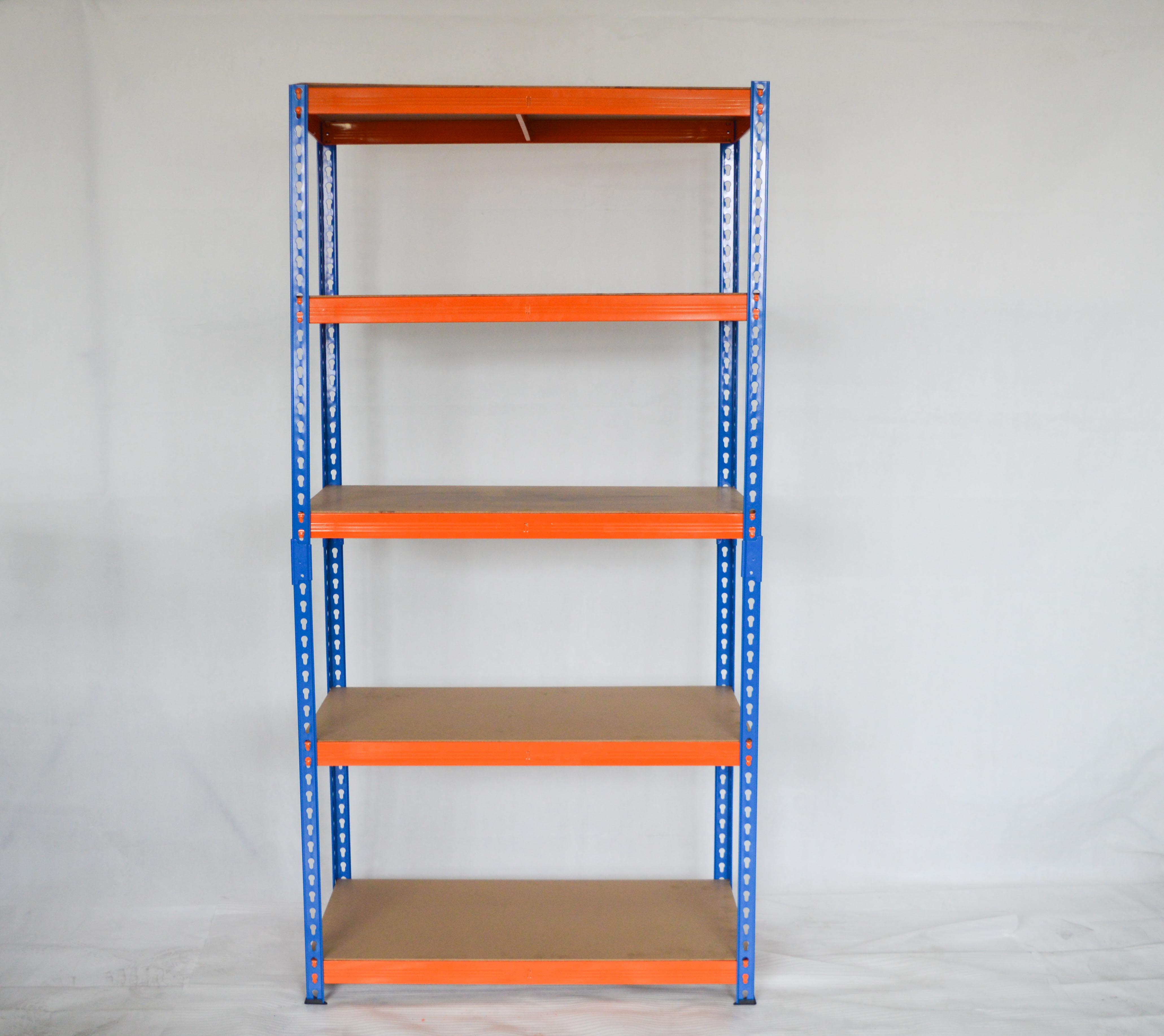
One of the most compelling practical advantages of a modular shelving unit is the unprecedented ease with which average users can assemble, modify, and reconfigure these systems without specialized tools, technical expertise, or professional assistance. This accessibility democratizes quality storage solutions, removing the barriers that traditionally made custom or adaptable shelving prohibitively expensive or complicated for typical homeowners and small business operators. The assembly process for most modular shelving units has been refined through extensive user testing and design iteration to minimize complexity while maximizing structural soundness. Manufacturers recognize that complicated assembly instructions frustrate customers and generate returns, so contemporary modular shelving units feature intuitive connection methods that often require nothing more than a rubber mallet or standard hex key. Many premium systems achieve complete tool-free assembly through innovative snap-together connections, twist-lock mechanisms, or gravity-based stacking designs where components simply rest in precisely engineered grooves and notches. The typical assembly timeline for a basic modular shelving unit configuration ranges from 30 minutes to one hour for a single person working at a comfortable pace. This efficiency stems from several design factors including pre-assembled subcomponents, color-coded parts, numbered connection points, and visual instruction manuals that transcend language barriers. Video assembly guides available through manufacturer websites or mobile apps provide additional support, showing each step in real-time motion that clarifies any potential confusion. This contrasts dramatically with traditional furniture assembly experiences that consume entire afternoons and test the limits of household patience. Beyond initial assembly, the reconfiguration capability of modular shelving units provides ongoing value that static furniture cannot match. When you decide to change your room layout, move to a different home, or repurpose a space, disassembling and reassembling a modular shelving unit takes minimal time and effort. The same connections that simplified initial assembly allow quick reconfiguration without degrading joint integrity. Unlike traditional furniture with cam-lock fasteners that strip after multiple uses, quality modular shelving units employ connection methods designed for repeated assembly cycles. The modular approach also facilitates transportation. Rather than struggling to navigate a large, assembled bookcase through doorways, around corners, and up stairwells, you simply break down the modular shelving unit into manageable components that fit easily through standard passages. This portability proves particularly valuable for apartment dwellers, military families, college students, or anyone who relocates frequently. The components pack efficiently for moving, occupying less truck space than fully assembled furniture while reducing the risk of damage during transit. For businesses, the easy reconfiguration enables responsive space planning. Retail environments can adjust modular shelving units to accommodate seasonal merchandise changes, promotional displays, or evolving product lines without expensive fixture replacements or store closures for major renovations. Offices can reorganize work areas, create or eliminate private spaces, and adapt to changing team sizes simply by reconfiguring existing modular shelving units during off-hours or weekends. This operational flexibility supports business agility and reduces the total cost of workspace management over time. The empowerment that comes from easy assembly and reconfiguration should not be underestimated, as it transforms users from passive consumers of fixed furniture into active creators of customized environments.
 EN
EN