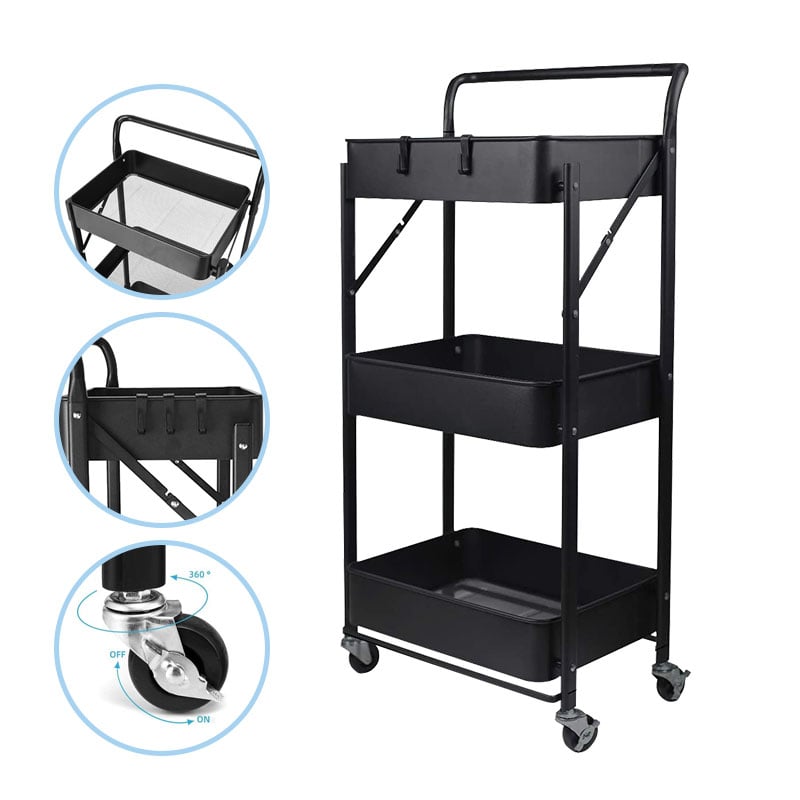
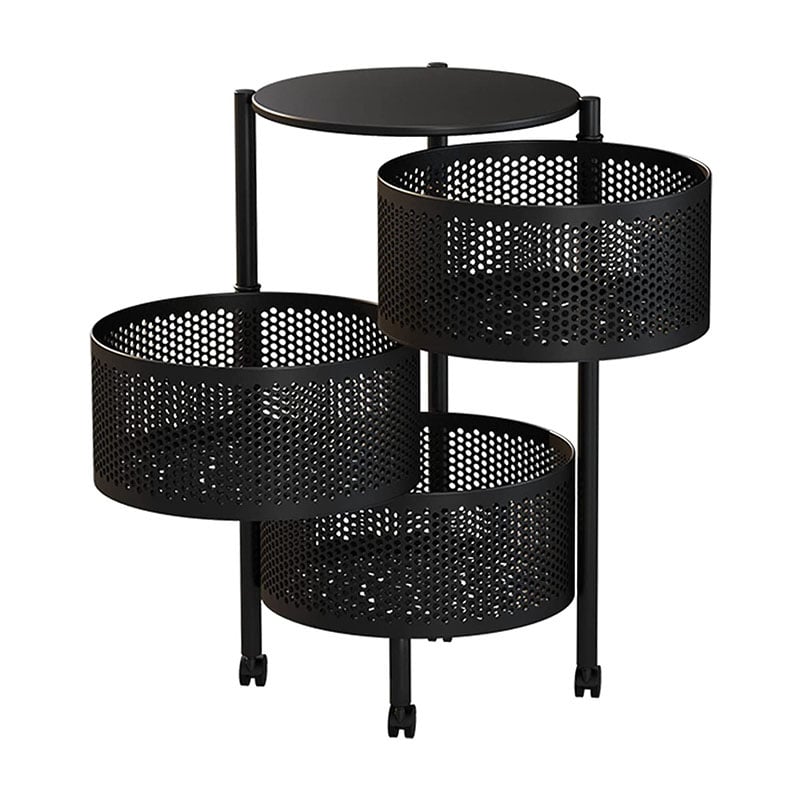
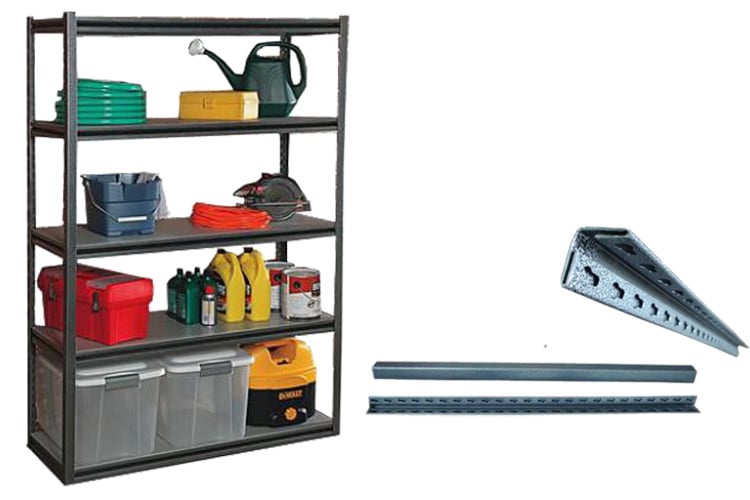
Superior Space Efficiency That Maximizes Your Facility Investment
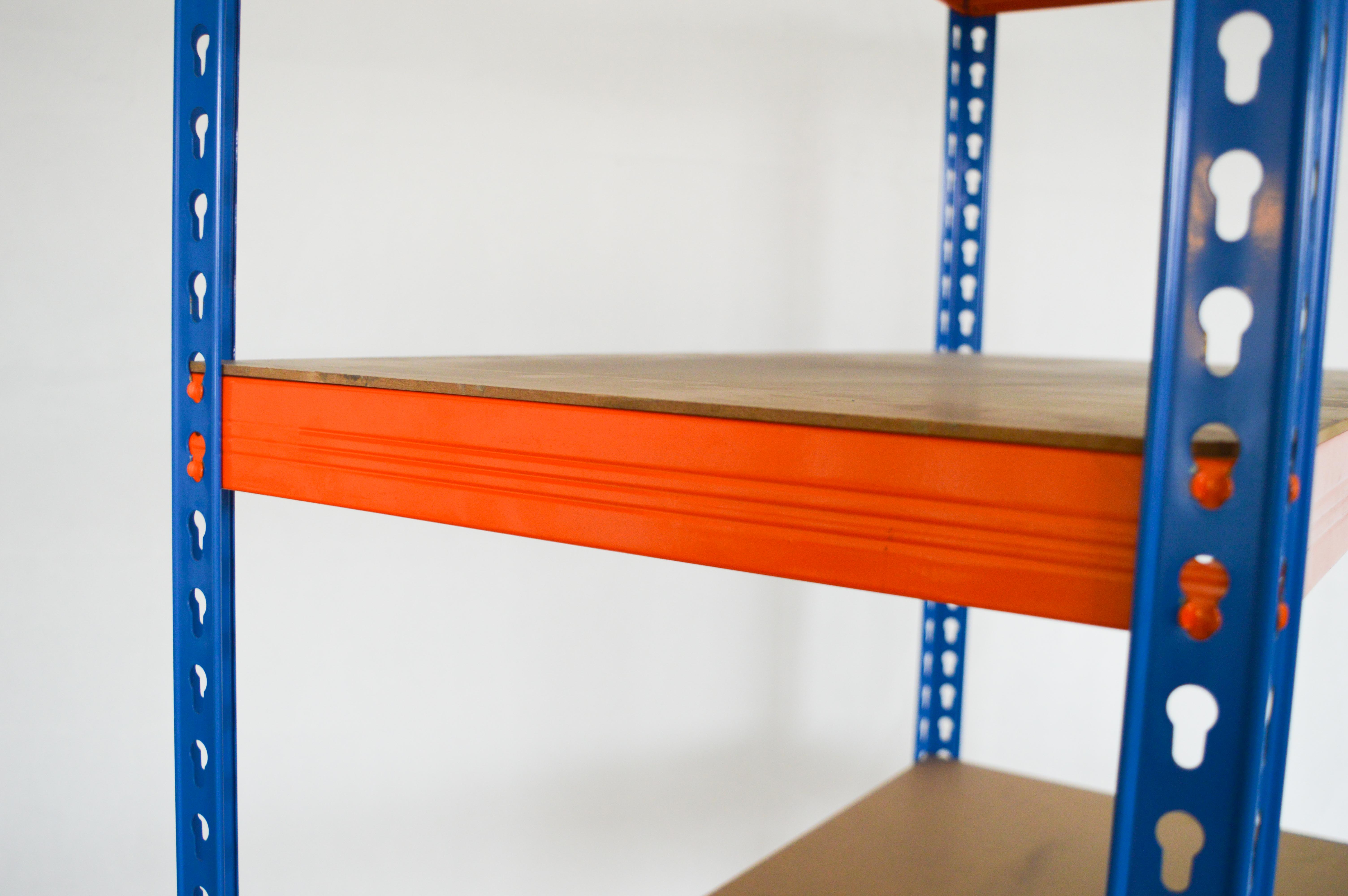
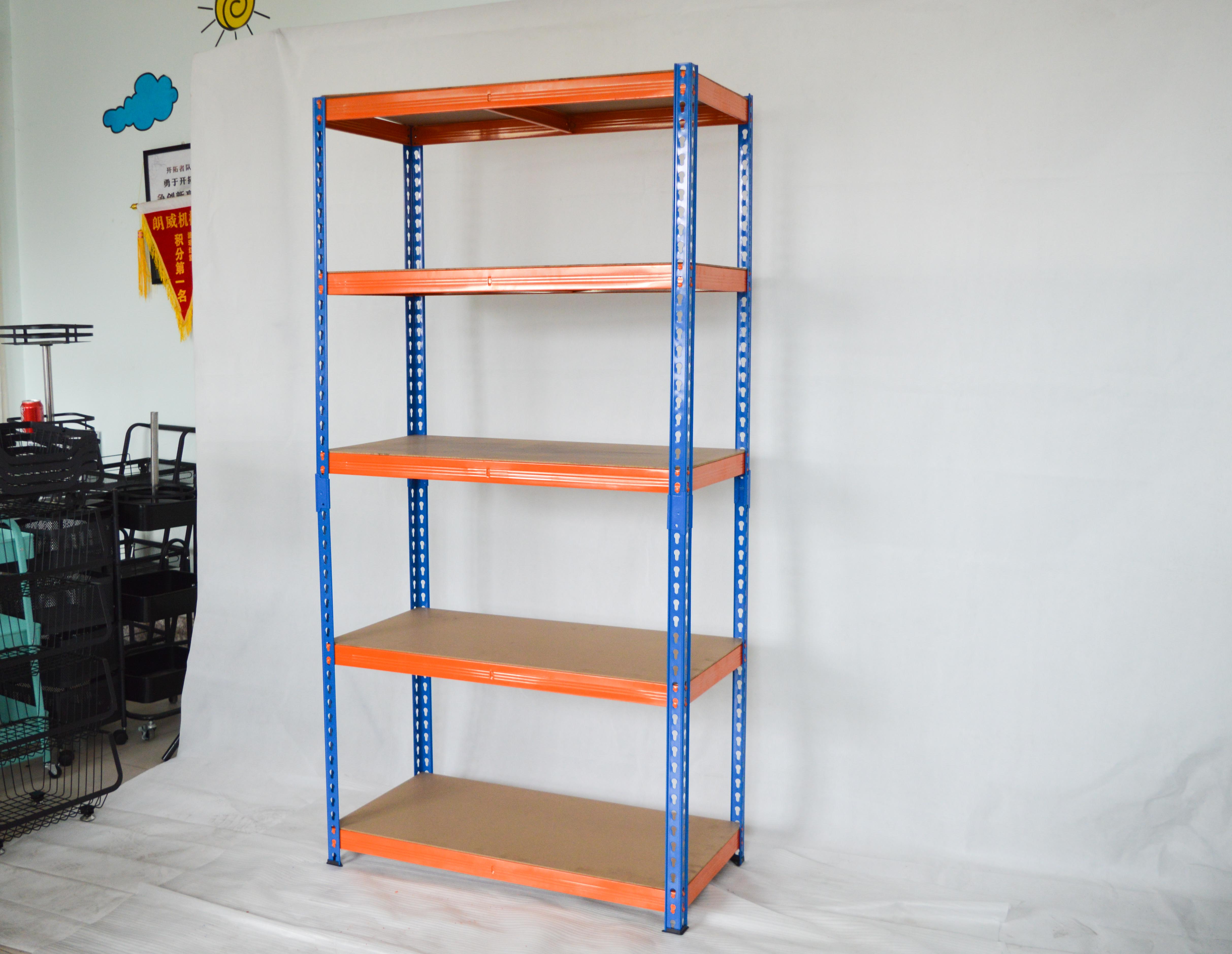
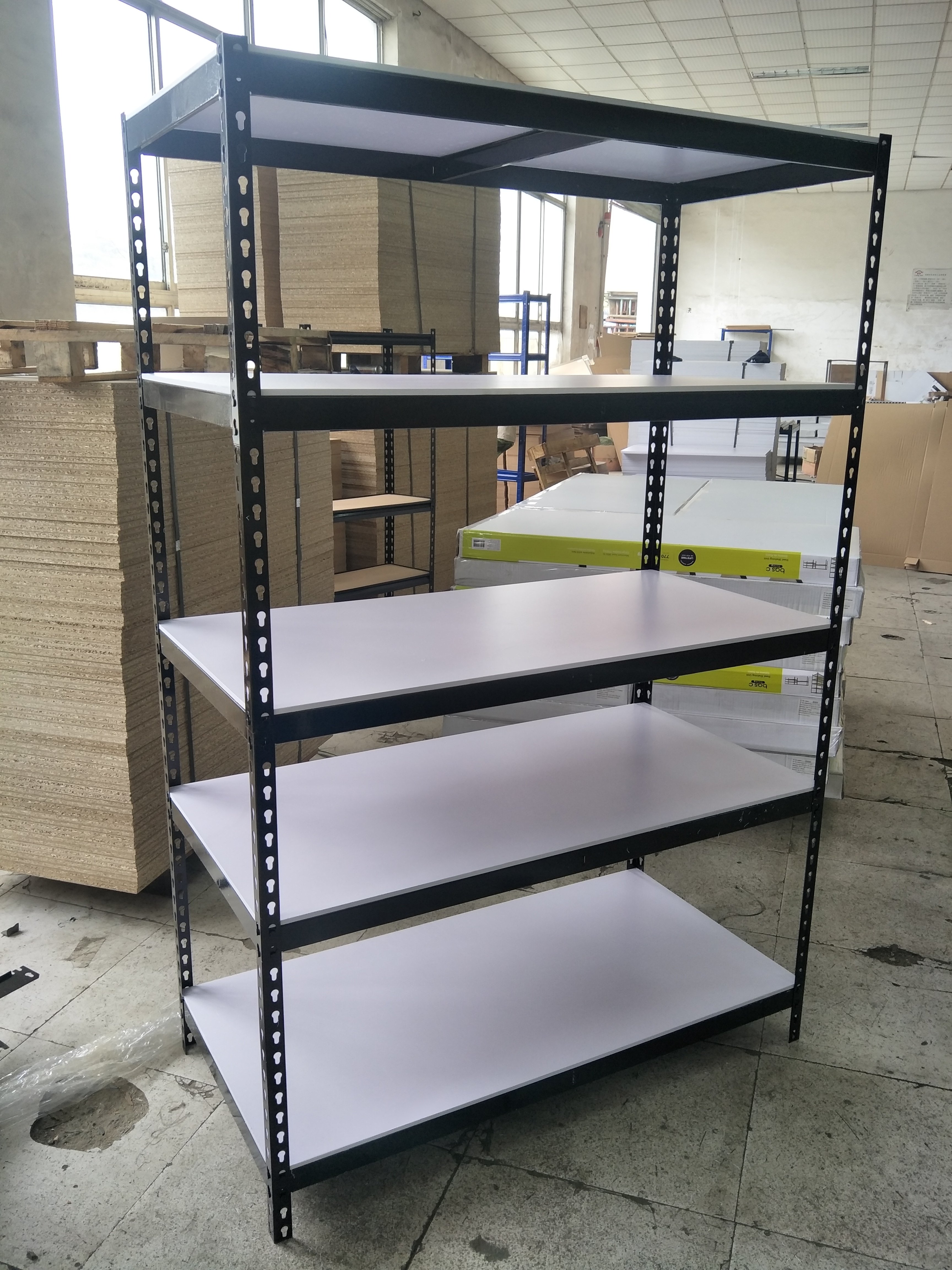
The space optimization capabilities of high capacity shelving units address one of the most pressing challenges facing modern businesses: extracting maximum utility from expensive facility square footage. Commercial and industrial real estate costs continue escalating in most markets, making efficient space utilization not merely preferable but economically essential. High capacity shelving units transform underutilized vertical space into productive storage volume, effectively multiplying the functional capacity of existing facilities without construction, relocation, or lease expansion. The mathematical reality of vertical storage proves compelling when analyzed systematically. Standard facilities feature ceiling heights between 12 and 30 feet, yet many organizations store items only 4 to 6 feet high, leaving vast cubic footage empty and unproductive. High capacity shelving units with multiple shelf levels capture this unused dimension, commonly providing four to eight distinct storage levels within typical ceiling heights. This vertical multiplication can double, triple, or quadruple effective storage capacity within an unchanged footprint, delivering dramatic improvements in space utilization efficiency. The financial implications extend well beyond storage density improvements. Organizations facing capacity constraints typically confront difficult decisions: rent additional warehouse space, construct new facilities, or limit inventory selection and quantities. Each option carries substantial costs and operational complications. High capacity shelving units present a fourth alternative that resolves capacity limitations through better utilization of existing assets. The capital investment in shelving infrastructure typically represents a fraction of the ongoing expense associated with additional facility costs, while providing immediate capacity relief and long-term operational benefits. The organized structure that high capacity shelving units impose on storage environments creates secondary space efficiency advantages through improved traffic flow and reduced aisle congestion. Properly designed shelving layouts establish clear pathways for material handling equipment, define logical storage zones that group related items, and eliminate the chaotic accumulation of floor-stacked inventory that consumes excessive space while hindering access. This organizational efficiency means stored items occupy less total space while simultaneously becoming more accessible, resolving the traditional tension between capacity and accessibility. Environmental considerations increasingly influence facility design decisions, and space-efficient storage directly supports sustainability objectives. Organizations that maximize existing facility utilization reduce their overall real estate footprint, consuming fewer resources for building construction, climate control, and ongoing facility operations. High capacity shelving units enable this consolidation while maintaining operational effectiveness, aligning business efficiency with environmental responsibility in ways that benefit both financial performance and corporate sustainability commitments.
 EN
EN