shelving unit organizer
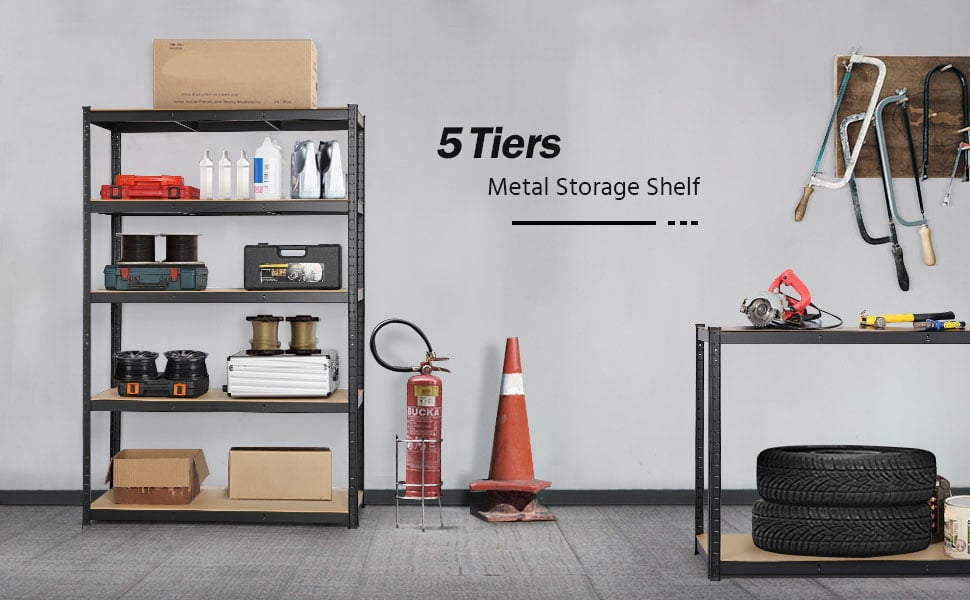
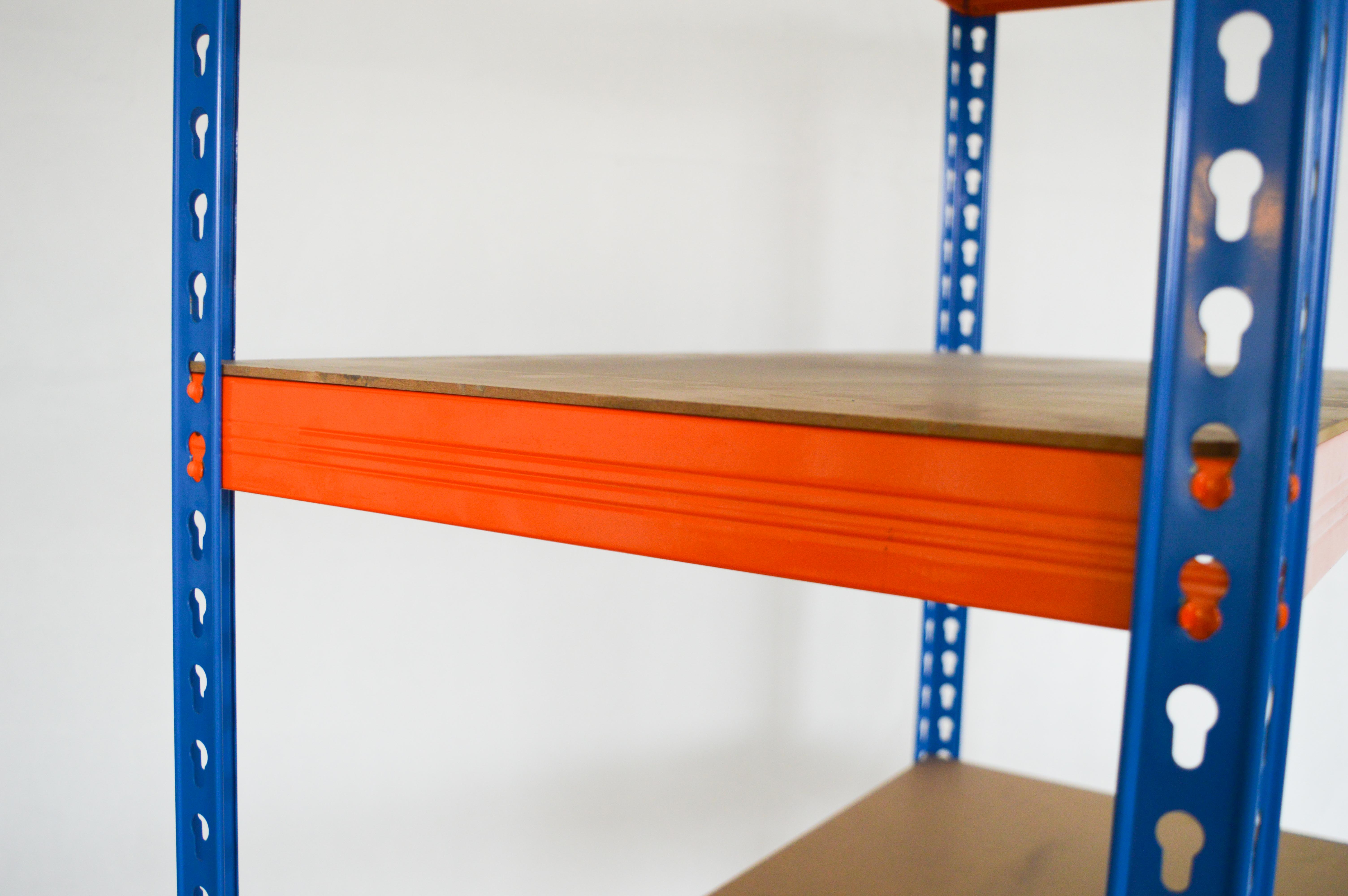
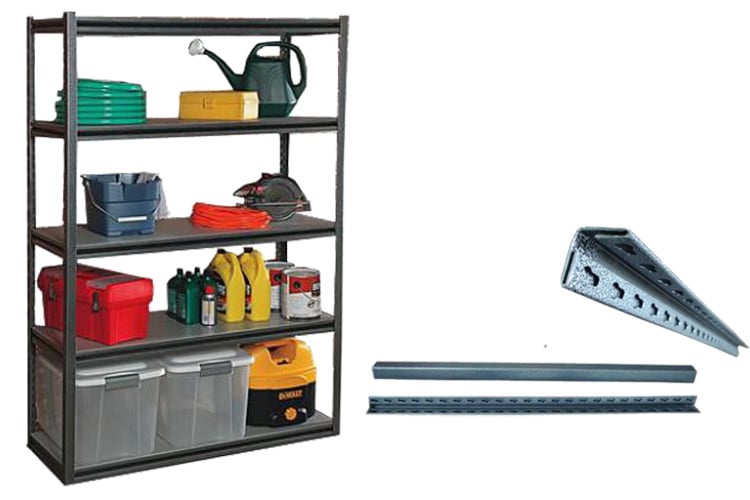
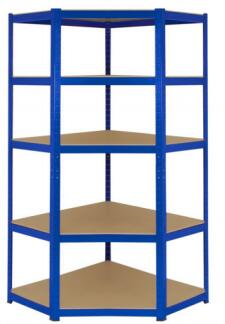
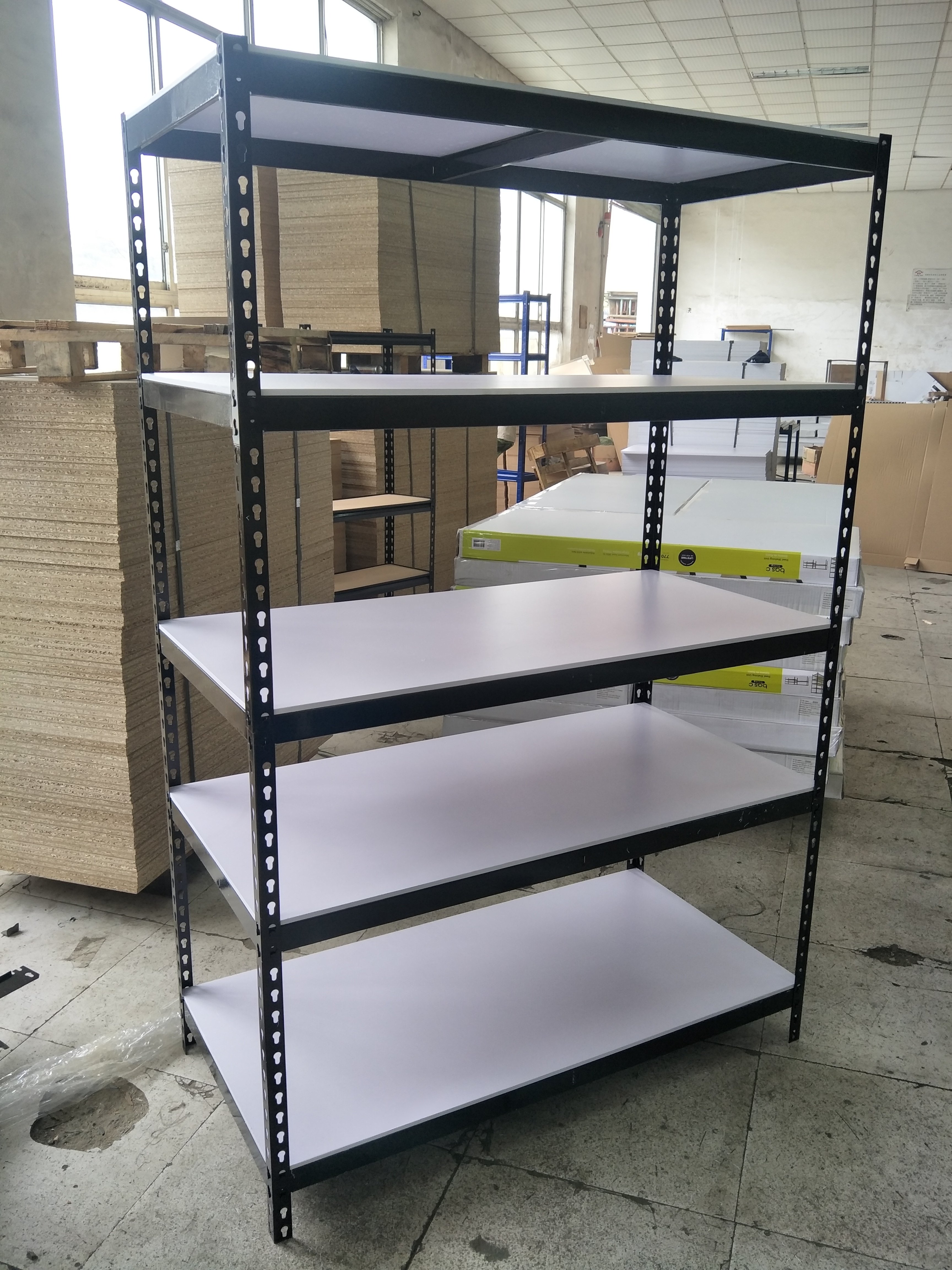
A shelving unit organizer represents an essential storage solution designed to maximize space efficiency while maintaining accessibility and visual order in any environment. This versatile organizational system combines structural integrity with functional design to transform chaotic spaces into well-ordered areas that enhance productivity and aesthetic appeal. Modern shelving unit organizers incorporate adjustable components, durable materials, and modular configurations that adapt to diverse storage needs across residential, commercial, and industrial settings. The primary function of a shelving unit organizer centers on creating vertical storage opportunities that capitalize on underutilized wall space, thereby freeing valuable floor area for other purposes. These systems feature multiple tiers or levels that accommodate items of varying sizes, from small accessories to bulky equipment, ensuring everything has a designated place. Technological advancements have introduced innovative features such as reinforced weight distribution systems, anti-tip mechanisms, and quick-assembly designs that require no specialized tools or expertise. The shelving unit organizer employs high-grade steel, engineered wood, or heavy-duty plastic materials that withstand substantial loads while resisting environmental factors like moisture, temperature fluctuations, and physical wear. Applications span numerous contexts including home offices, garages, warehouses, retail stores, libraries, kitchens, and professional workshops. In residential settings, these organizers help homeowners declutter living spaces, create efficient pantry systems, and establish organized craft rooms or hobby areas. Commercial applications include inventory management in stockrooms, product display in retail environments, and document storage in office settings. Industrial facilities utilize heavy-duty shelving unit organizers for parts management, tool storage, and materials handling operations. The adaptability of these systems allows users to customize shelf heights, add dividers or bins, and reconfigure layouts as storage requirements evolve over time. This flexibility ensures long-term value and continued relevance despite changing organizational needs or spatial constraints.
 EN
EN