Robust Construction Supporting Heavy-Duty Applications
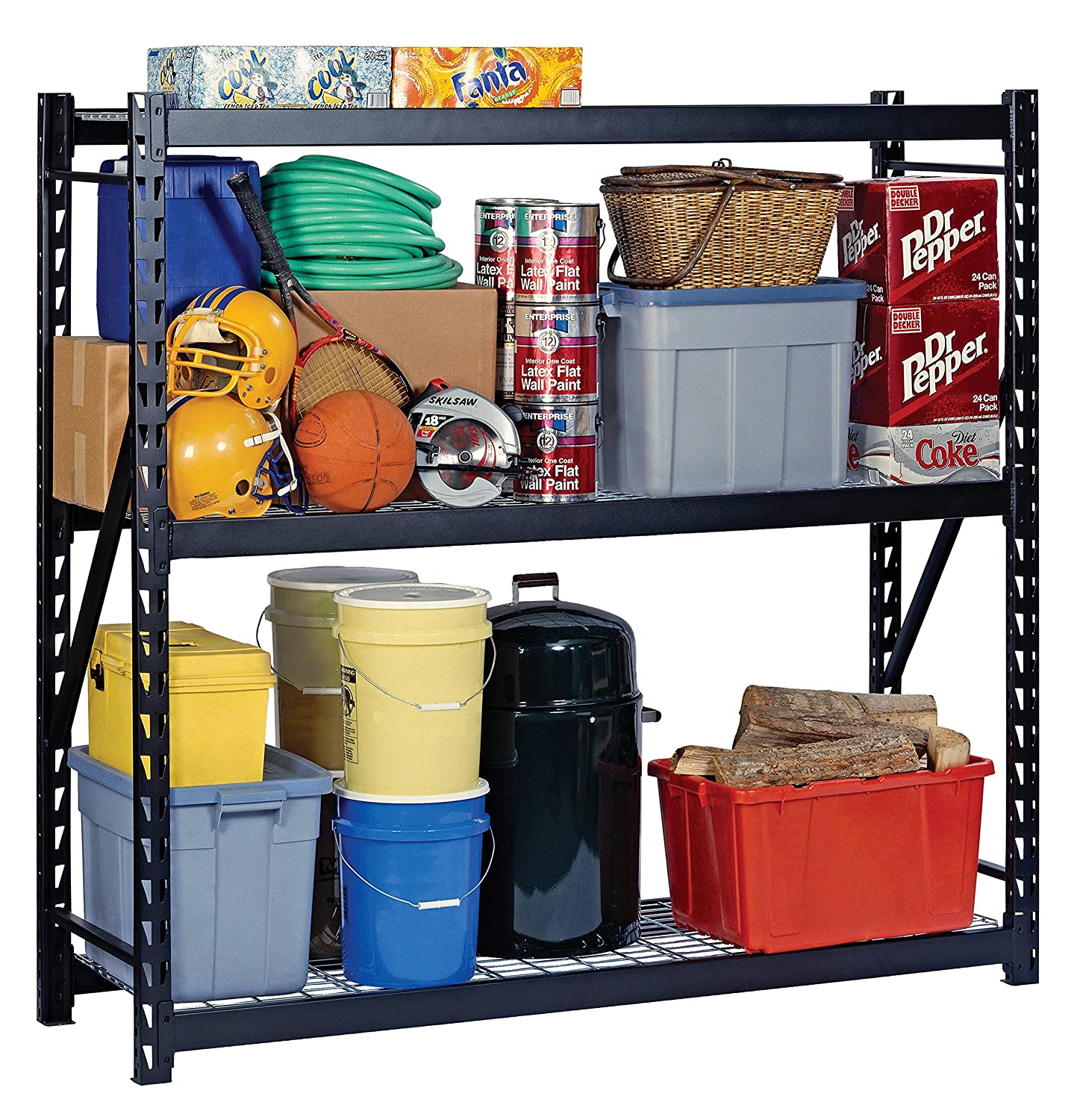
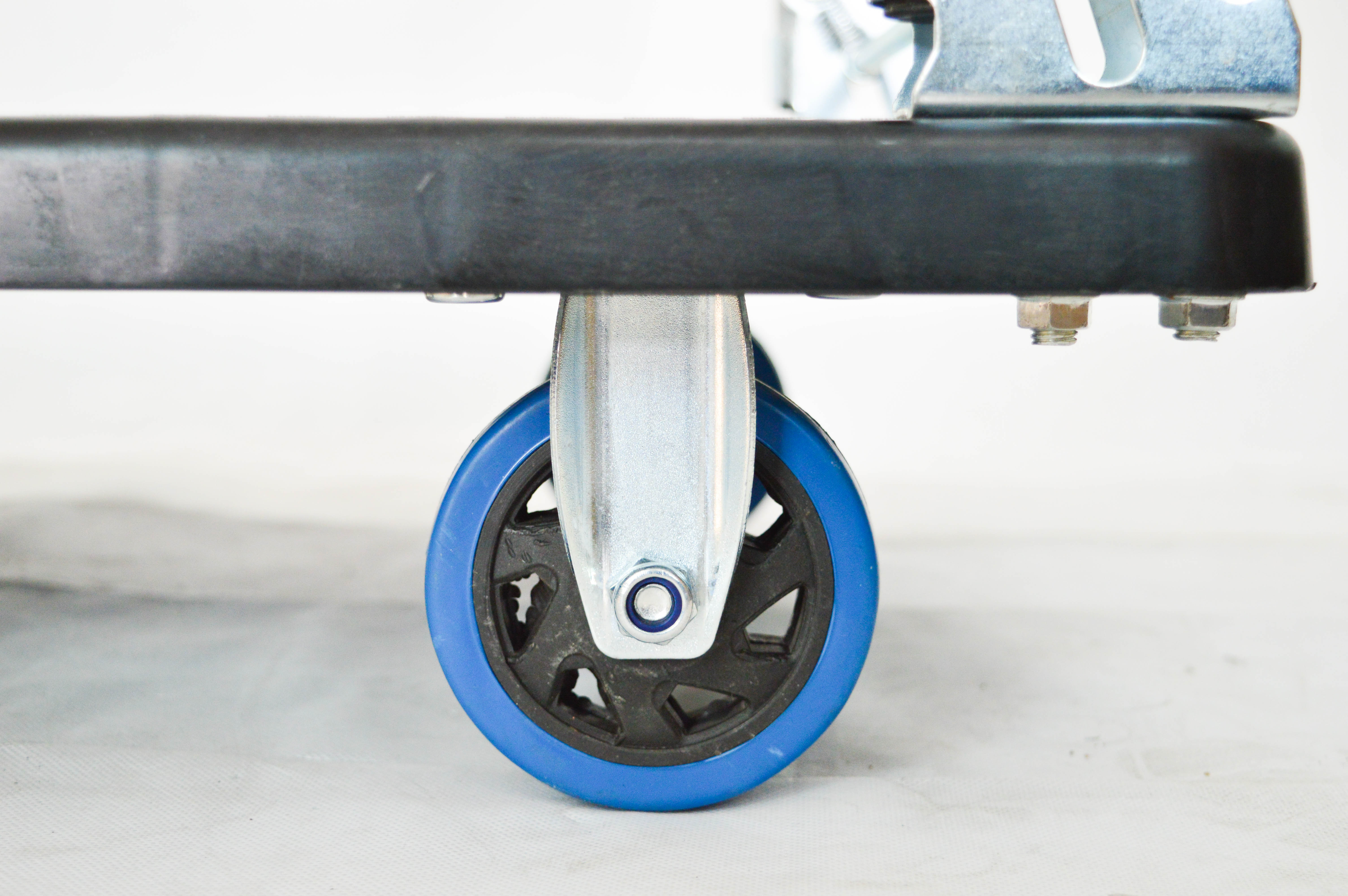
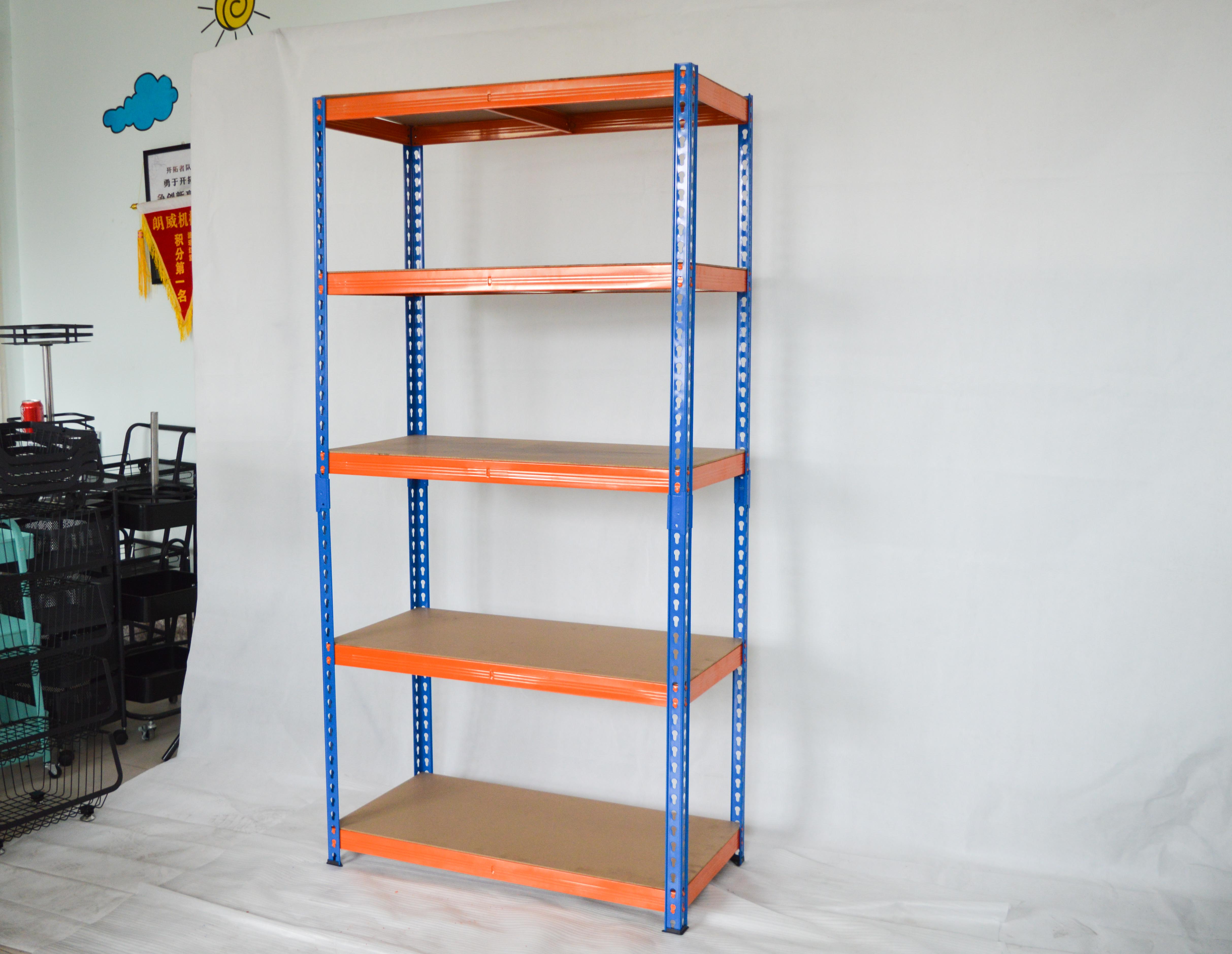
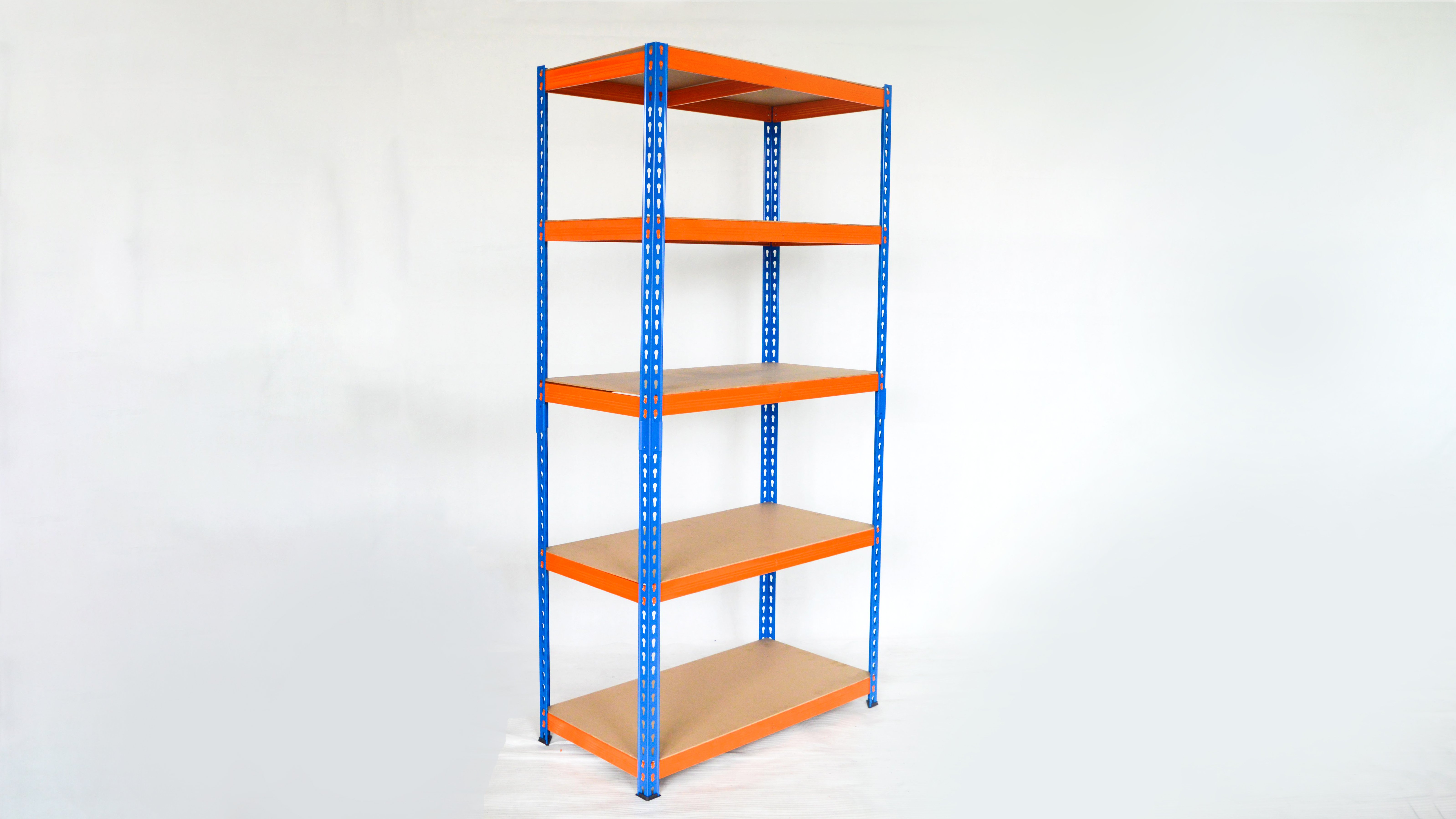
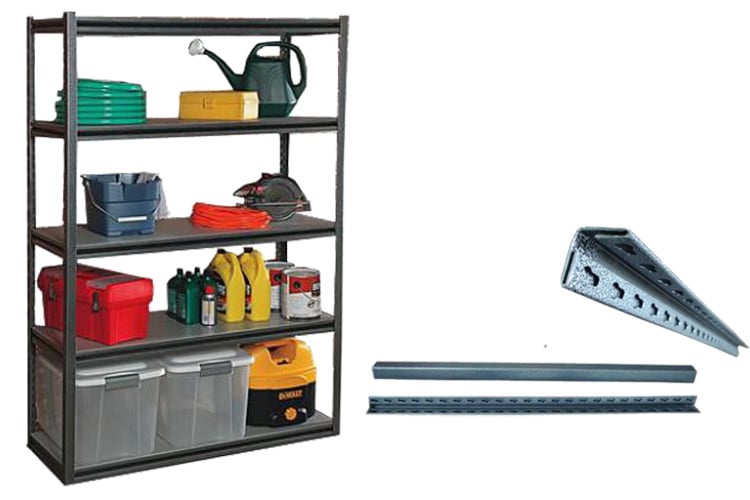
The robust construction of a quality adjustable shelving unit ensures reliable performance across demanding applications while maintaining the flexibility that defines these versatile storage systems. Manufacturers employ advanced materials science and structural engineering principles to create units that balance strength with adjustability, typically utilizing industrial-grade steel frames with gauge thicknesses ranging from eighteen to twenty-four gauge depending on intended load capacities. The vertical posts undergo specific manufacturing processes including cold-rolling for enhanced strength and powder-coating for corrosion resistance, resulting in frameworks capable of supporting substantial weight across multiple shelf levels simultaneously. Shelf surfaces themselves vary according to application requirements, with options including wire mesh for ventilated storage that prevents dust accumulation, solid steel for maximum load capacity in warehouse environments, particleboard with melamine coating for office settings requiring smooth surfaces, and specialized materials like stainless steel for food service or medical applications demanding sanitary conditions. The load distribution technology integrated into adjustable shelving units represents a significant engineering achievement, with weight-bearing brackets designed to transfer forces evenly across support structures rather than creating stress concentration points that could compromise stability. Quality units feature reinforced corners, cross-bracing elements, and base leveling feet that compensate for uneven floors while providing stable foundations. The practical implications of this robust construction manifest in real-world applications where an adjustable shelving unit might support hundreds of pounds of automotive parts in a garage, extensive libraries in home offices, heavy kitchen appliances in pantries, or substantial inventory in retail backrooms. Unlike lightweight alternatives that sag, wobble, or fail under demanding conditions, properly constructed adjustable shelving maintains structural integrity through years of regular use and repeated reconfigurations. The durability extends to the adjustment mechanisms themselves, which undergo repeated stress during shelf repositioning yet maintain secure locking capabilities through thoughtful design featuring hardened steel pins, reinforced slots, or secure clip systems engineered to resist accidental dislodging while permitting intentional adjustment. Safety considerations receive paramount attention in construction design, with stability testing ensuring units resist tipping even when loaded asymmetrically, and weight capacity ratings providing clear guidance to prevent overloading. The combination of strength and adjustability delivers exceptional value, as users need not sacrifice load capacity for flexibility or accept fixed configurations to ensure stability.
 EN
EN