Steel Heavy Duty Racking Systems - Industrial Storage Solutions for Maximum Capacity

Contact me immediately if you encounter problems!

All Categories

steel heavy duty racking

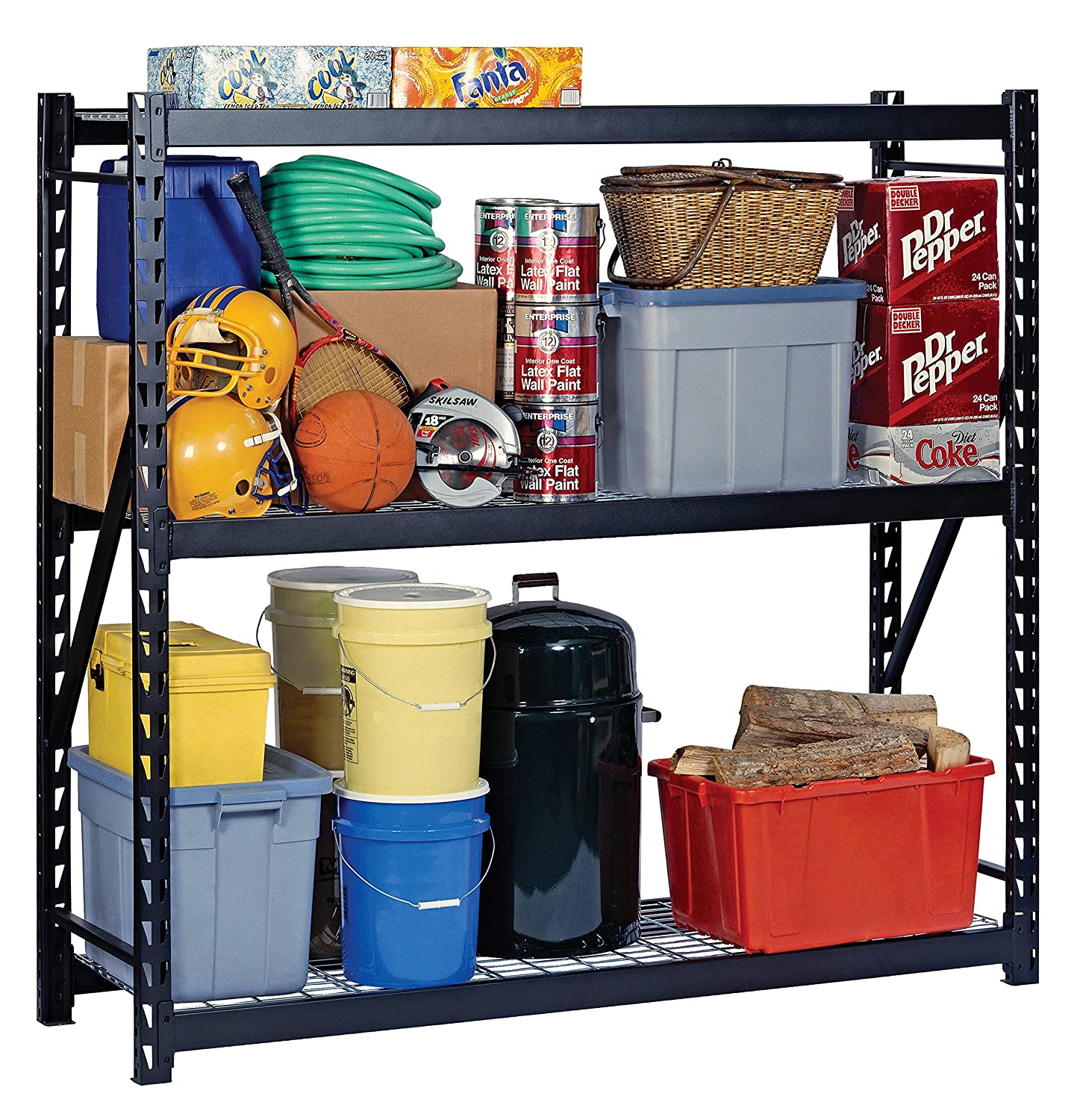
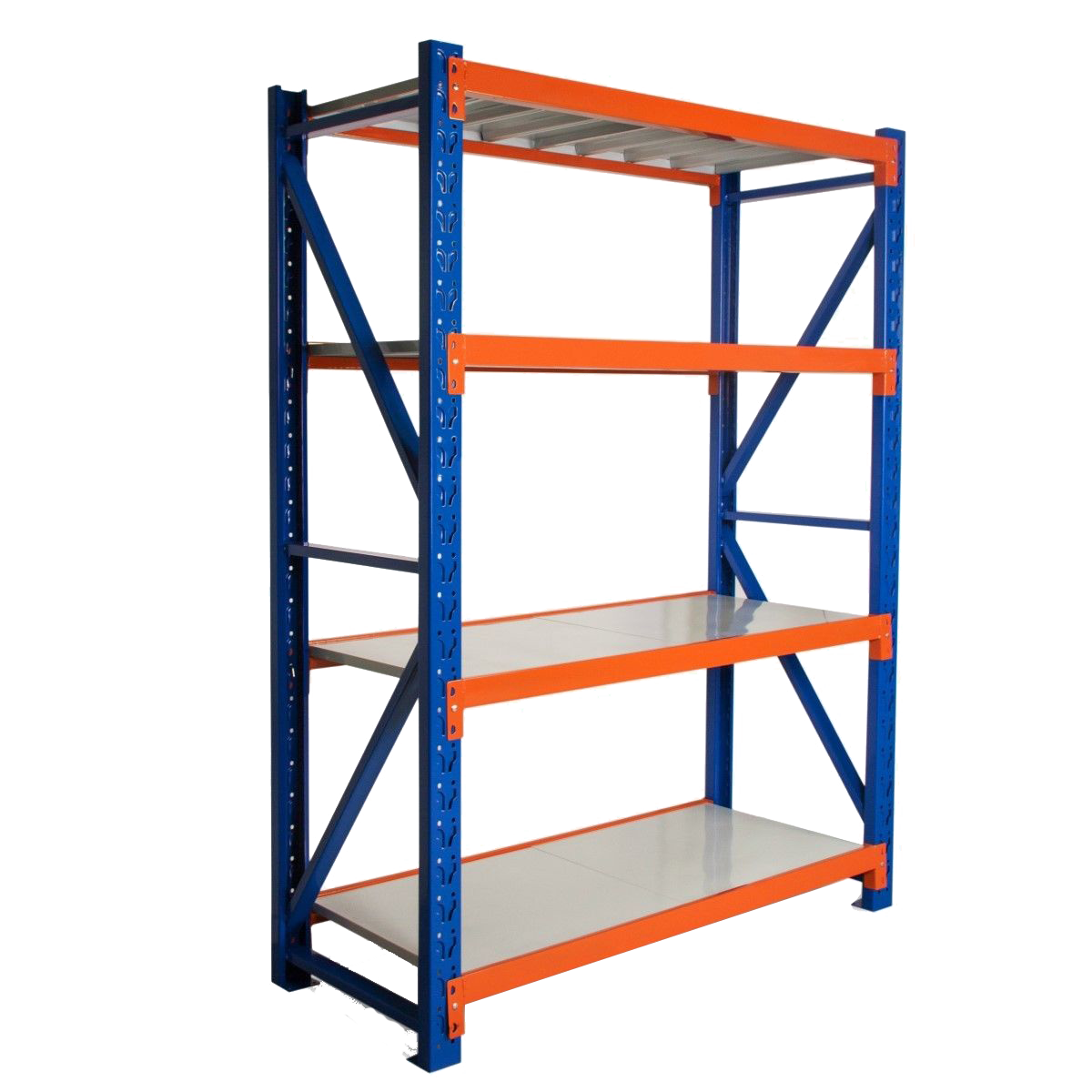
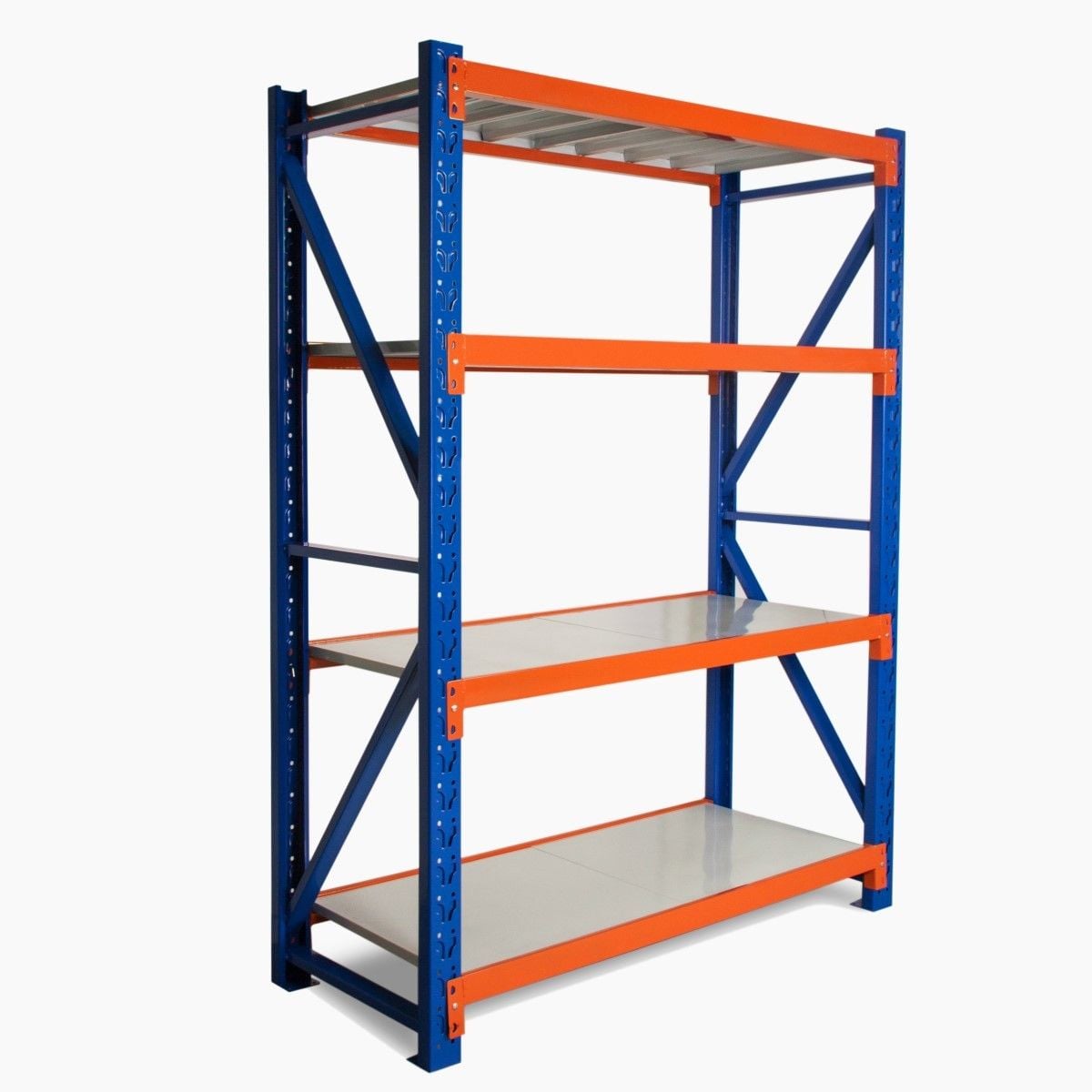
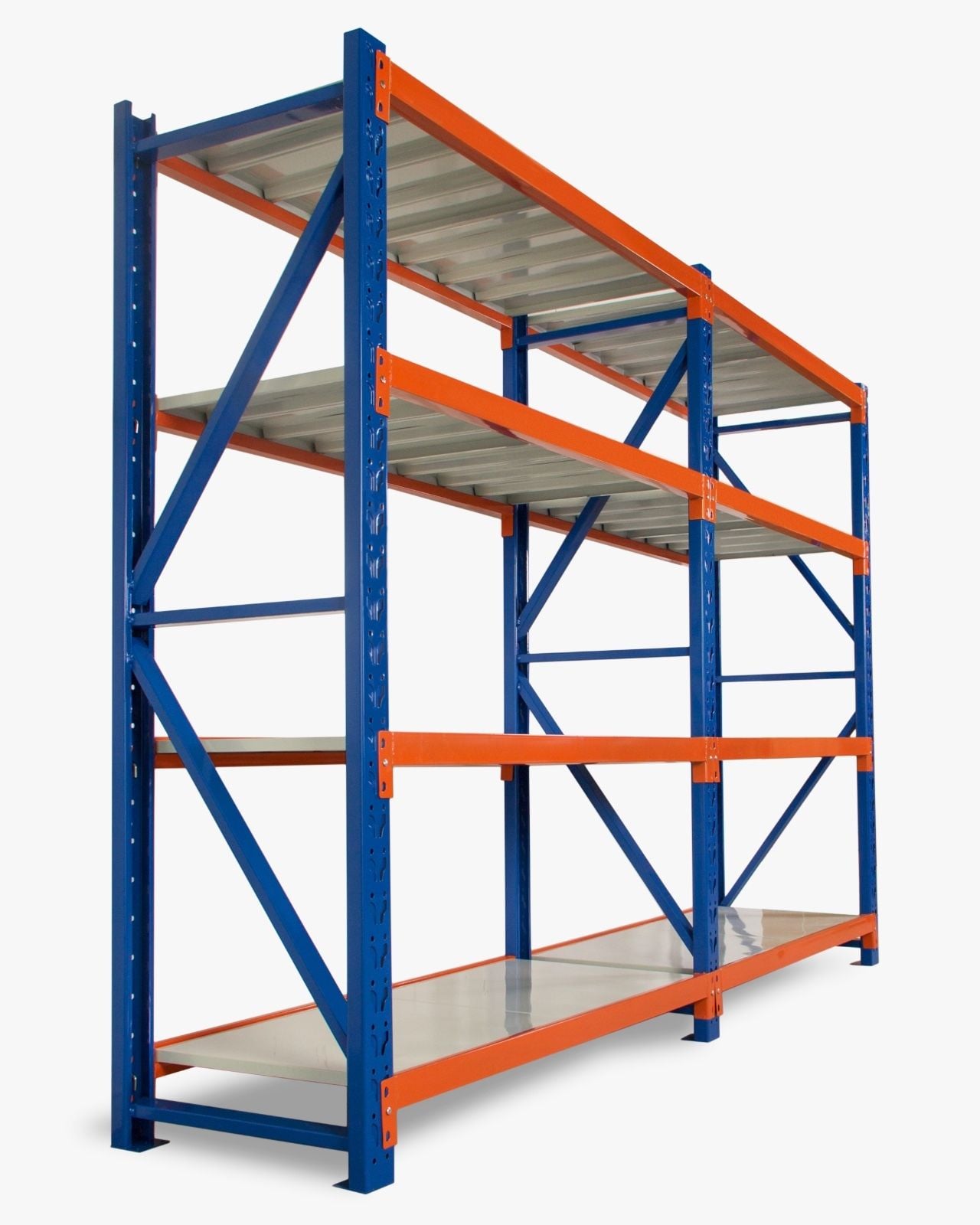
Steel heavy duty racking represents a cornerstone solution for modern warehouse management and industrial storage systems. Designed to accommodate substantial weight loads while maximizing vertical space utilization, these robust storage structures have become indispensable across manufacturing facilities, distribution centers, and logistics operations worldwide. The primary function of steel heavy duty racking involves providing secure, organized storage for palletized goods, bulk materials, and oversized items that exceed the capacity limitations of standard shelving units. These systems typically support loads ranging from 500 kilograms to several tons per level, making them ideal for industries requiring reliable storage of heavy merchandise. The technological framework behind steel heavy duty racking incorporates advanced engineering principles, utilizing high-grade cold-rolled steel profiles that undergo rigorous quality testing to ensure structural integrity. Modern designs feature adjustable beam levels, allowing operators to customize shelf heights according to specific inventory requirements. The uprights, beams, and bracing components interconnect through precision-engineered locking mechanisms that eliminate the need for bolts or welding, facilitating rapid installation and reconfiguration. Surface treatment processes such as powder coating or galvanization protect the steel framework from corrosion, extending operational lifespan even in challenging environmental conditions. Applications for steel heavy duty racking span diverse sectors including automotive parts warehousing, building materials storage, food and beverage distribution, pharmaceutical logistics, and manufacturing operations. Retail distribution centers utilize these systems to manage seasonal inventory fluctuations, while third-party logistics providers depend on their adaptability to accommodate varying client requirements. The scalability of steel heavy duty racking makes it suitable for both small-scale operations and expansive warehouse complexes, with configurations ranging from simple single-deep pallet racks to complex multi-level structures incorporating mezzanine floors and integrated conveyor systems.

New Products

The implementation of steel heavy duty racking delivers transformative benefits that directly impact operational efficiency and financial performance. Organizations experience immediate space optimization as vertical storage capacity increases dramatically compared to floor-level stacking methods. This vertical expansion means businesses can store three to five times more inventory within the same footprint, delaying or eliminating costly facility expansions. The economic advantage extends beyond space savings, as improved inventory accessibility reduces labor hours spent searching for products. Workers can quickly locate and retrieve items using clear aisle designations and systematic storage protocols, cutting order fulfillment times by substantial margins. Safety improvements represent another critical advantage, as properly engineered steel heavy duty racking eliminates the instability risks associated with stacked pallets. The structural design distributes weight evenly across multiple support points, preventing collapses that could endanger personnel and damage valuable inventory. Organizations also benefit from enhanced inventory control, as the systematic organization facilitates accurate stock counts and rotation practices. First-in-first-out inventory management becomes practical when items are stored in designated rack positions rather than stacked randomly. The durability of steel construction means minimal maintenance requirements over decades of continuous operation, unlike wooden alternatives that deteriorate or require frequent replacement. Temperature fluctuations, moisture exposure, and daily wear patterns that destroy lesser materials have negligible impact on quality steel frameworks. Flexibility stands out as a defining advantage, with businesses able to reconfigure rack layouts as product lines evolve or operational strategies shift. The tool-free adjustment systems allow staff to modify shelf heights during regular operating hours without disrupting warehouse activities. This adaptability proves invaluable for seasonal businesses facing dramatic inventory composition changes throughout the year. Financial benefits accumulate through reduced product damage, as proper racking prevents the crushing and deformation common when heavy items rest atop one another. Insurance providers often offer premium reductions for facilities demonstrating professional storage practices, recognizing the decreased claim likelihood. The professional appearance of organized steel heavy duty racking systems also impresses clients during facility tours, projecting operational competence that strengthens business relationships and facilitates contract negotiations.

Tips And Tricks

What Specs Guarantee a Heavy-Duty Platform Trolley for Industrial Use?

29

Apr

What Specs Guarantee a Heavy-Duty Platform Trolley for Industrial Use?

Industrial environments demand equipment that can withstand continuous stress, heavy loads, and rigorous daily use. A heavy duty platform truck trolley is not merely a convenience—it is a critical asset that directly impacts operational efficiency, w...
View More
What Are the Lifespan Benefits of a Foldable PVC Trolley Design?

29

Apr

What Are the Lifespan Benefits of a Foldable PVC Trolley Design?

Understanding the longevity advantages inherent in a foldable pvc platform hand truck trolley design requires examining how structural engineering, material science, and user-centered functionality converge to create durable material handling solutio...
View More
How to Source Trolleys That Withstand Continuous Material Handling?

29

Apr

How to Source Trolleys That Withstand Continuous Material Handling?

Sourcing reliable material handling equipment requires a strategic approach that balances durability, operational demands, and long-term cost efficiency. Organizations engaged in continuous material handling operations depend on trolleys that can end...
View More
How to Verify Quality in Bulk Orders of PVC Platform Trolleys?

29

Apr

How to Verify Quality in Bulk Orders of PVC Platform Trolleys?

When sourcing industrial equipment in large quantities, verifying the quality of a foldable pvc platform hand truck trolley becomes a critical step that directly impacts operational efficiency, worker safety, and long-term cost management. Bulk order...
View More

Get a Free Quote

Our representative will contact you soon.
Email Adress
Your Name
Phone
Company Name
Message
0/1000

steel heavy duty racking

Exceptional Load-Bearing Capacity Engineering

Exceptional Load-Bearing Capacity Engineering

The load-bearing capabilities of steel heavy duty racking systems emerge from sophisticated engineering that balances material science with structural mechanics. Each component undergoes precise calculation to determine optimal thickness, grade, and geometric configuration. The upright frames utilize cold-formed steel sections with strategic perforation patterns that reduce weight while maintaining strength, achieving an ideal strength-to-weight ratio that maximizes capacity without excessive material consumption. Beam construction employs either box-beam or step-beam profiles, with the specific design selected based on span length and anticipated load distribution. These beams incorporate safety locks that engage with upright perforations, creating mechanical connections capable of withstanding both vertical loads and lateral forces. Testing protocols subject sample assemblies to loads exceeding rated capacities, ensuring substantial safety margins exist under normal operating conditions. The floor-to-upright connection represents a critical engineering focus, with base plates sized to distribute concentrated loads across sufficient floor area, preventing concrete damage even when fully loaded. For installations on weaker subfloors, engineers specify larger base plates or recommend floor reinforcement to maintain system integrity. The vertical load path travels through uprights designed with progressive strength characteristics, where lower sections feature heavier gauge steel than upper portions, optimizing material usage while ensuring adequate support. Diagonal and horizontal bracing transforms individual components into unified structural systems, preventing sway and maintaining precise vertical alignment even when subjected to forklift impacts or seismic activity. Advanced steel heavy duty racking installations may incorporate seismic design features including specialized base connections and enhanced bracing patterns that allow controlled movement during ground motion events. The capacity ratings assigned to each configuration reflect conservative engineering assumptions, accounting for dynamic loading scenarios where forklifts rapidly deposit pallets rather than gently placing them. This conservative approach means rated capacities represent sustainable long-term loads rather than absolute failure thresholds, providing users with confidence that normal operational stresses remain well within safe parameters throughout the system's operational lifespan.
Versatile Configuration Options for Diverse Needs

Versatile Configuration Options for Diverse Needs

Steel heavy duty racking systems offer remarkable configuration versatility that addresses unique operational requirements across different industries and storage scenarios. Selective pallet racking provides the foundational configuration, offering direct access to every stored pallet through dedicated aisle access, making it ideal for operations requiring frequent inventory rotation or those managing diverse product assortments. Double-deep configurations sacrifice some accessibility for increased density, positioning pallets two-deep and reducing aisle requirements, which suits operations storing multiple pallets of identical products with lower turnover rates. Drive-in and drive-through variants eliminate horizontal beams between uprights along one or both sides, creating continuous storage lanes where forklifts drive directly into the structure to deposit or retrieve pallets. These high-density configurations maximize space utilization for homogeneous inventory with low selectivity requirements, such as cold storage facilities where expensive refrigerated space justifies the accessibility trade-offs. Push-back systems incorporate inclined rail mechanisms that allow pallets to slide backward as new units are loaded, automatically bringing forward the next pallet when the front position empties, combining density advantages with better selectivity than drive-in arrangements. Pallet flow racks utilize roller conveyors or wheeled lanes that employ gravity to move pallets from loading to picking faces, enforcing first-in-first-out rotation essential for perishable goods or date-sensitive products. The modular nature of steel heavy duty racking components allows hybrid configurations combining multiple storage methodologies within unified structures, letting operations optimize different inventory categories according to their specific handling characteristics. Vertical adjustability represents a defining versatility feature, with beam levels repositionable at incremental height settings typically ranging from 50mm to 75mm, accommodating inventory dimension changes without requiring new equipment purchases. Width and depth dimensions span broad ranges, with standard pallet positions designed around common pallet sizes while custom configurations address non-standard unit loads. The scalability extends vertically to building height limitations, with proper engineering enabling structures reaching 12 meters or higher in facilities with adequate clearance and appropriate material handling equipment. Organizations beginning with basic configurations can expand incrementally as business grows, adding rack sections, extending runs, or increasing height without disrupting existing installations, making steel heavy duty racking a future-proof investment that evolves alongside operational needs.
Enhanced Safety Features and Compliance Standards

Enhanced Safety Features and Compliance Standards

Safety considerations permeate every aspect of modern steel heavy duty racking design, reflecting industry recognition that protection of personnel and inventory represents paramount importance. Structural safety begins with engineering certifications ensuring designs meet or exceed applicable standards including RMI specifications, EN15512 European standards, or AS4084 Australian regulations depending on installation location. Manufacturing quality controls verify that materials match specifications, with mill certifications documenting steel grade and mechanical properties of raw materials before fabrication begins. Welding procedures follow qualified protocols with trained operators producing joints that meet stringent strength and consistency requirements, with random sampling and non-destructive testing confirming quality throughout production runs. Surface protection treatments prevent corrosion-related strength degradation, with powder coating processes creating durable finishes resistant to chipping and chemical exposure while galvanization provides superior protection in harsh environments like coastal locations or chemical storage facilities. Column protectors shield upright frames from forklift impact damage at floor level, absorbing collision energy that might otherwise compromise structural members, with bright safety colors enhancing visibility to reduce impact frequency. End-of-aisle guards create physical barriers preventing vehicles from accidentally entering rack structures from unintended directions, while guide rails along traffic aisles maintain appropriate clearances between forklifts and rack faces. Beam safety clips or locks prevent accidental dislodgement during loading operations, ensuring beams remain properly seated even if struck from below by rising forks or shifting loads. Back guards and mesh decking prevent pallets or individual items from falling through rack structures into adjacent aisles or work areas, eliminating serious injury risks from falling objects. Load capacity signage permanently affixed to rack uprights communicates maximum safe loads per beam level and per bay, providing clear guidance to operators and preventing overloading that could trigger failures. Regular inspection protocols recommended by safety standards include daily visual checks by operators, monthly detailed examinations by facility supervisors, and annual comprehensive assessments by qualified rack safety inspectors. Documentation systems track identified damage, implemented repairs, and configuration changes, creating accountability and ensuring issues receive timely resolution before they compromise safety. Training programs educate forklift operators, warehouse staff, and maintenance personnel about proper loading techniques, damage recognition, and reporting procedures, fostering a safety culture where everyone contributes to maintaining steel heavy duty racking system integrity throughout its operational lifetime.
email goToTop