Versatile Configuration and Adaptive Functionality
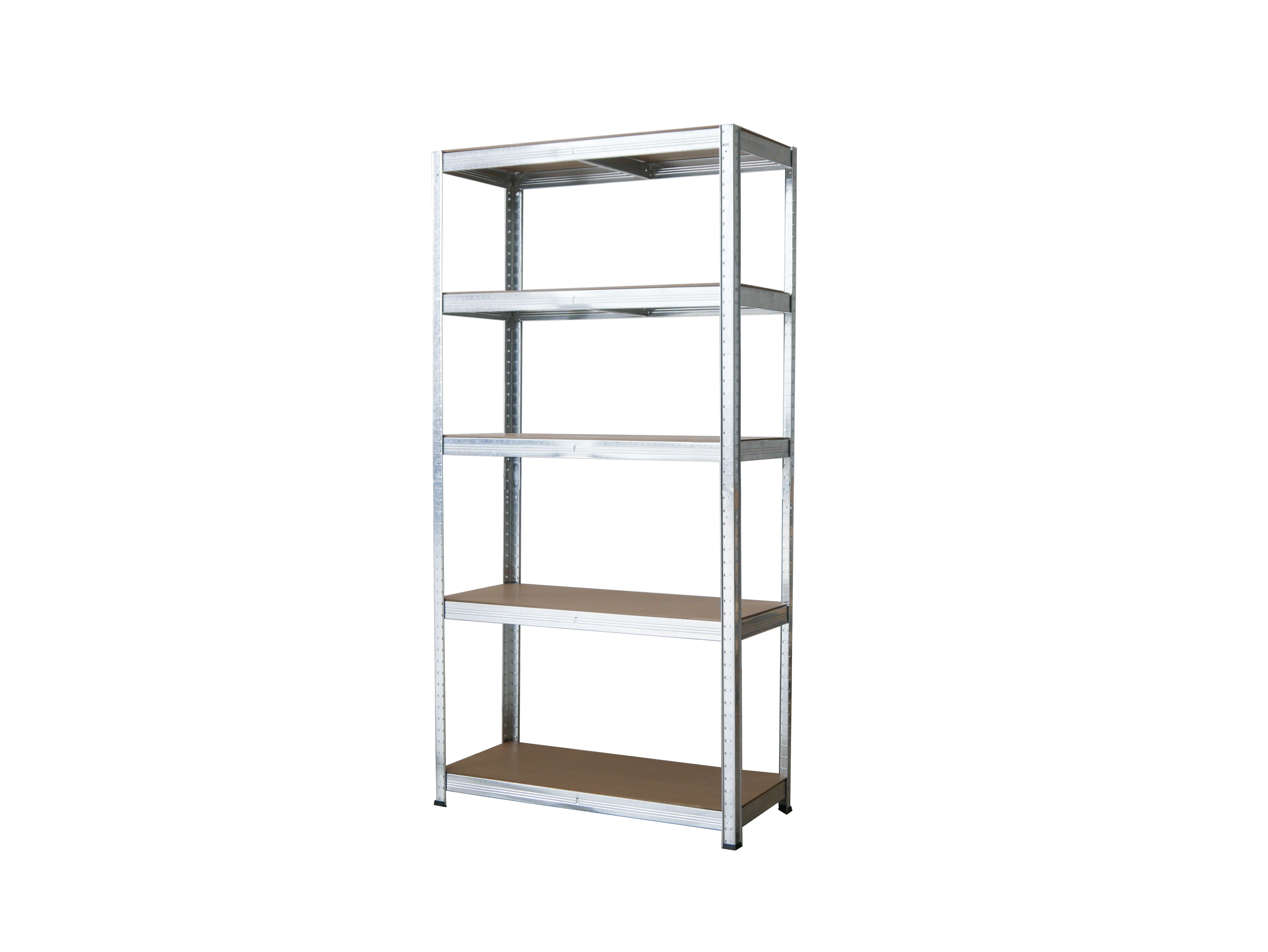
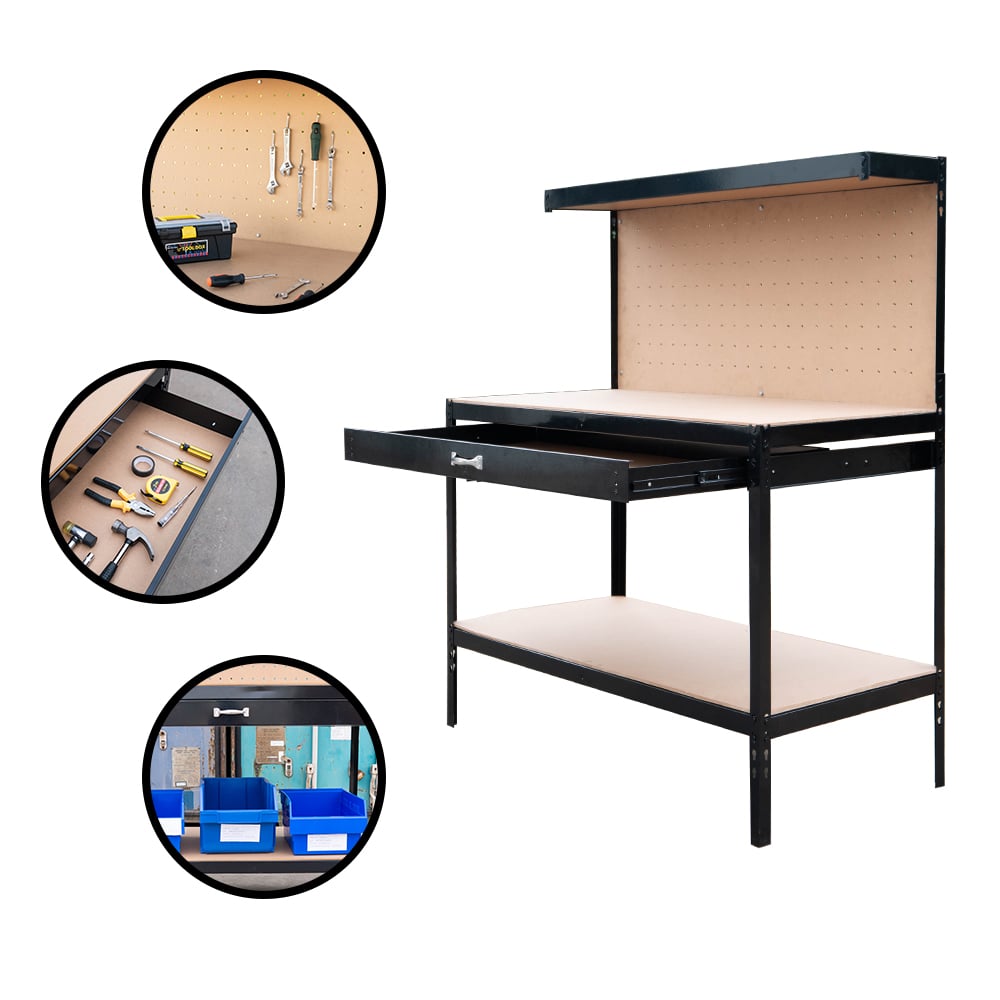
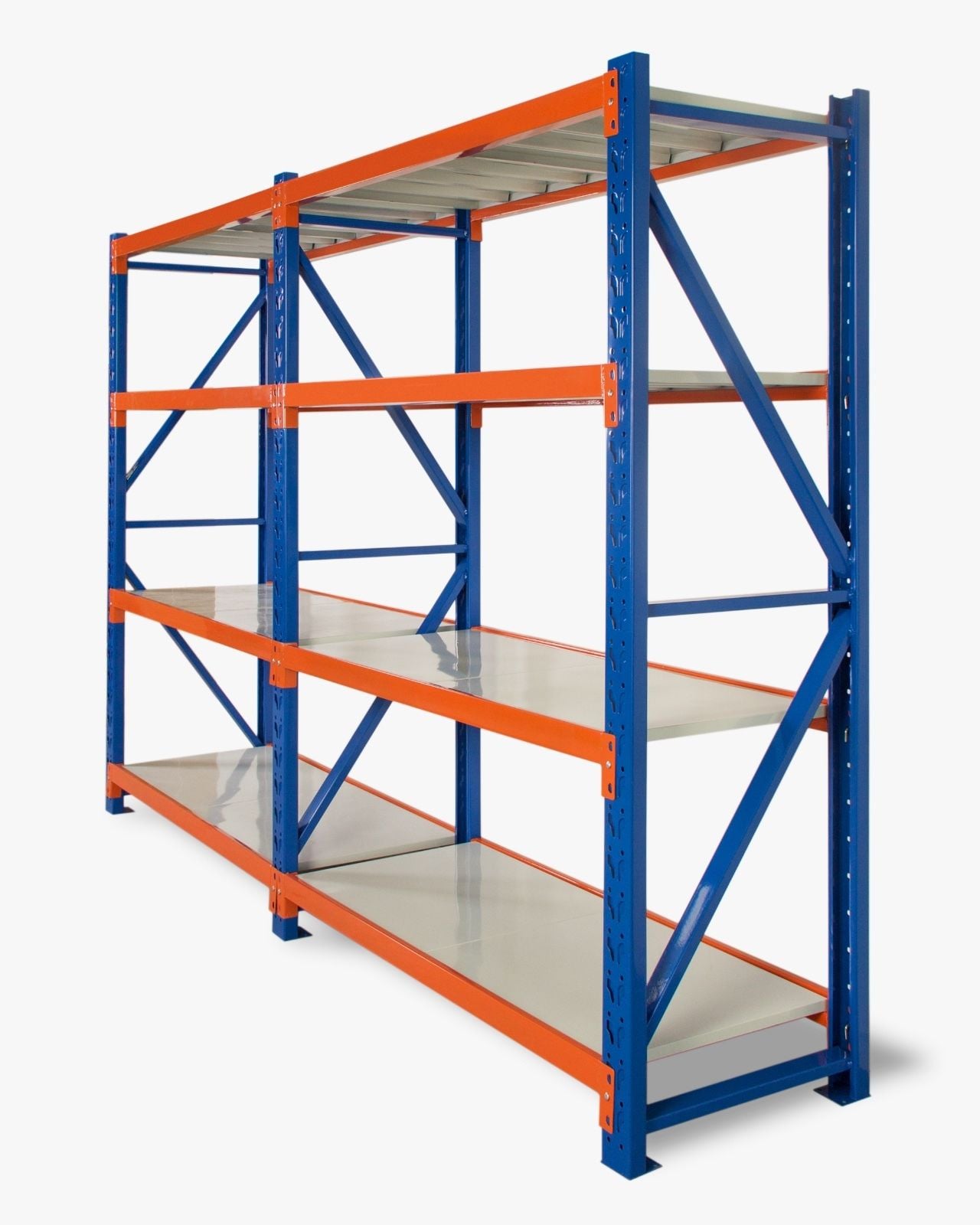
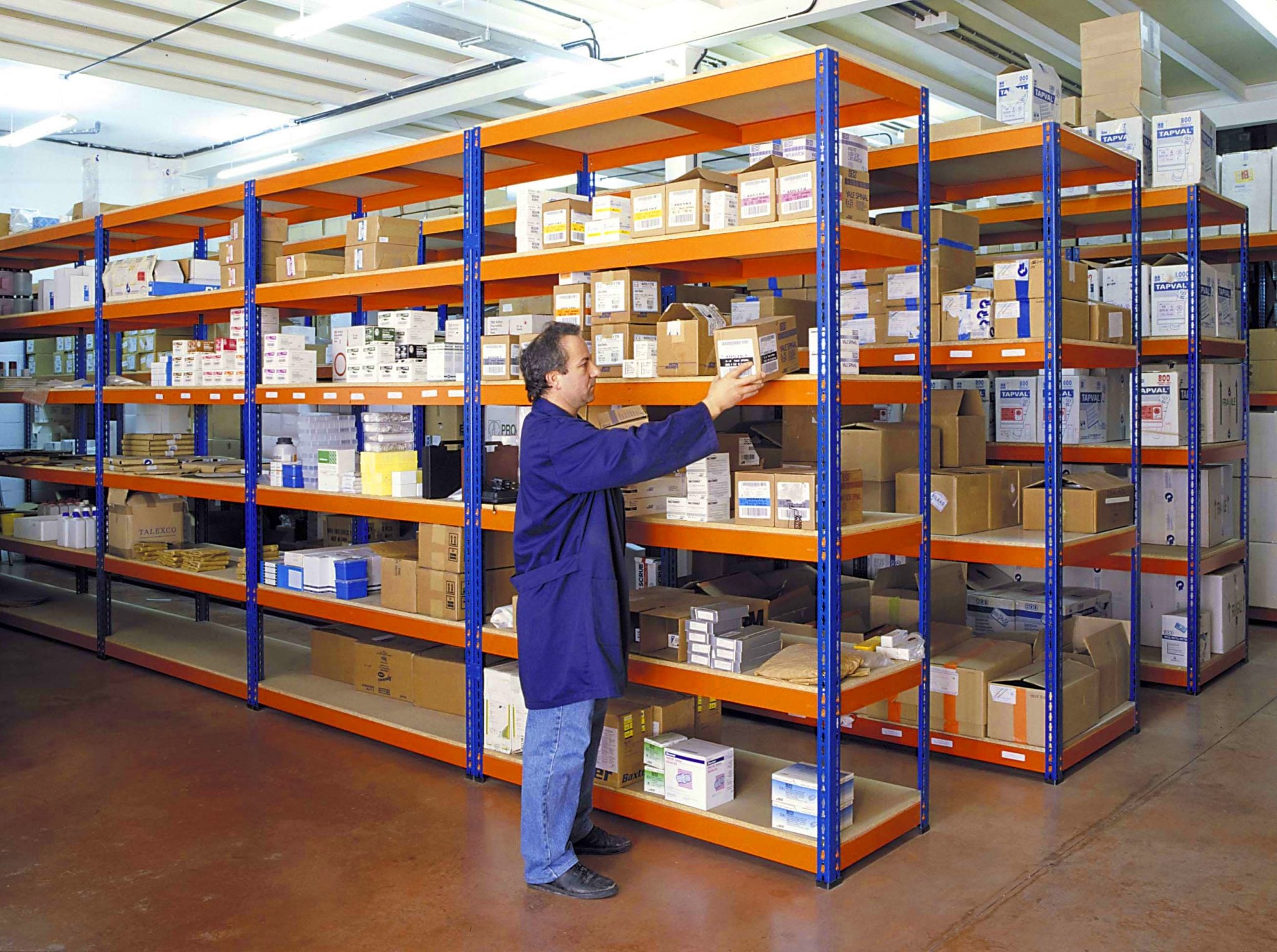
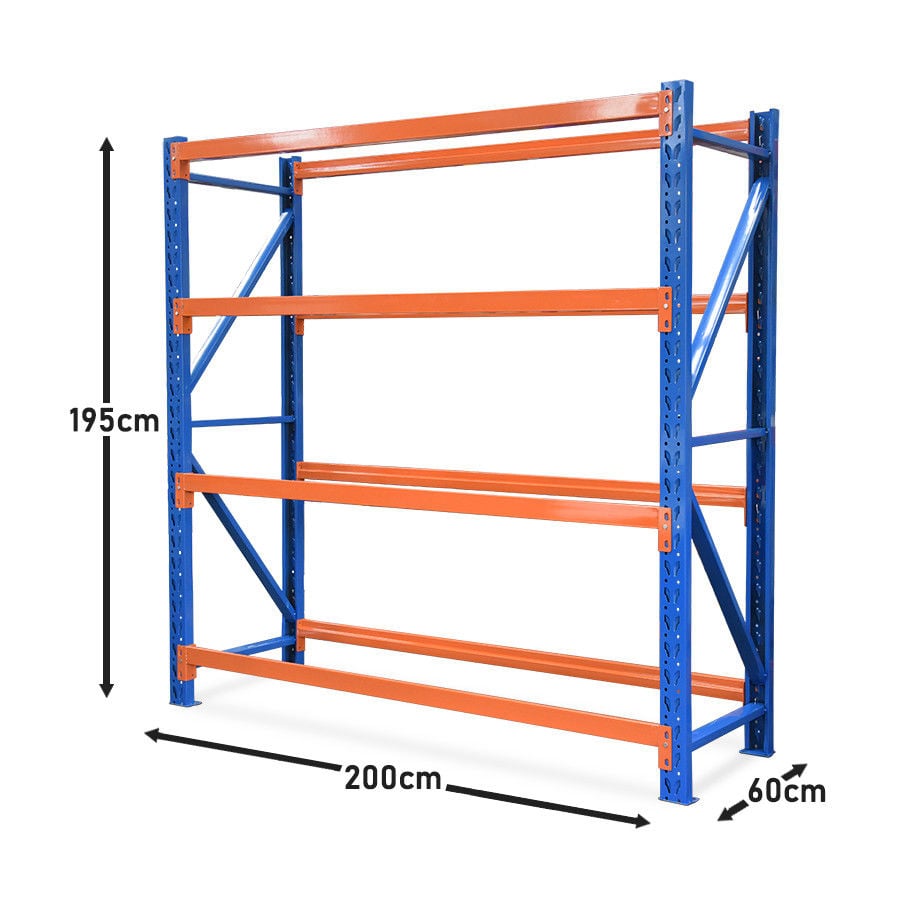
The adaptability of a metal utility rack system addresses the dynamic nature of modern storage requirements across residential and commercial contexts. Unlike fixed shelving that locks users into predetermined spacing and arrangements, the metal utility rack features tool-free adjustment mechanisms that enable rapid reconfiguration. Shelves slide along vertical posts and lock into position at one-inch or two-inch intervals, creating custom compartments sized precisely for current inventory or belongings. This flexibility proves invaluable when storage needs shift seasonally, such as accommodating holiday decorations, sports equipment rotations, or inventory fluctuations in retail environments. The metal utility rack adapts equally well to specialized applications through accessory compatibility. Users can integrate hanging bars for garments, tilted shelves for parts bins, enclosed backing panels for small item containment, or wheeled bases for mobile storage solutions. This ecosystem of complementary components transforms a basic metal utility rack into a fully customized organizational system tailored to specific workflows. In garage settings, the metal utility rack accommodates oversized items like lawn equipment on lower shelves while reserving upper levels for infrequently accessed seasonal goods, maximizing efficiency through strategic placement. Commercial kitchens utilize metal utility rack installations to create dedicated zones for dry goods, cookware, and supplies, with adjustable shelving accommodating bulk packaging of varying heights. The open architecture promotes FIFO inventory rotation by making older stock visible and accessible behind newer additions. Office environments benefit from metal utility rack versatility by creating mail sorting stations, supply distribution centers, or document archival systems that evolve alongside organizational changes. The ability to disassemble and relocate a metal utility rack without damage or loss of functionality supports agile workplace strategies and temporary project spaces. Educational institutions deploy metal utility rack systems in art rooms, science labs, and storage closets where diverse materials require organized accessibility. The chemical resistance of coated metal surfaces withstands exposure to solvents, cleaners, and reactive substances that would deteriorate alternative materials. Healthcare facilities appreciate the sanitary properties of metal utility rack construction, as non-porous surfaces resist bacterial colonization and tolerate aggressive disinfection protocols. The wire shelf designs facilitate air circulation around stored medical supplies and pharmaceuticals requiring specific environmental conditions. Warehouse operations scale metal utility rack installations to create high-density storage lanes with forklift-accessible configurations, while residential users appreciate the same fundamental design in compact formats suitable for apartment closets or pantries. This universal applicability across vastly different scales and contexts demonstrates the inherent versatility embedded in metal utility rack architecture.
 EN
EN