 EN
EN


Order picking efficiency remains one of the most critical performance indicators in warehouse operations, directly impacting labor costs, customer satisfaction, and overall throughput. Many warehouse managers struggle with congested aisles, difficult-to-access inventory, and storage systems that slow down picking workflows rather than accelerate them. The question of whether long span pallet racking can genuinely improve order picking efficiency is not merely theoretical—it addresses a practical operational challenge faced by distribution centers, e-commerce fulfillments, and manufacturing facilities worldwide. Understanding how storage infrastructure influences picking speed, accuracy, and ergonomics provides the foundation for making informed decisions about warehouse optimization.
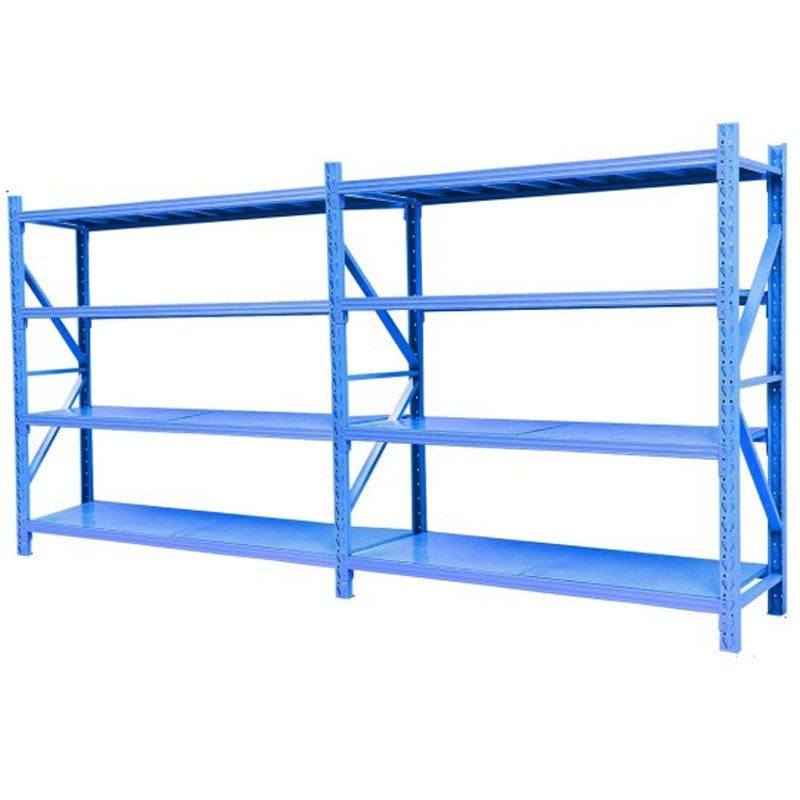
Long span pallet racking offers distinct advantages that directly address picking efficiency challenges through improved accessibility, better inventory visibility, and optimized space utilization. Unlike traditional selective racking or high-density systems that prioritize storage capacity over picking convenience, long span configurations balance storage efficiency with operational workflow requirements. This storage solution features adjustable shelving designed to accommodate medium-weight items typically handled during manual or semi-automated picking operations. The core design principles—open accessibility, flexible shelf spacing, and ergonomic height positioning—create conditions that reduce picking time per order line while maintaining inventory organization. Evaluating whether this system improves efficiency requires examining the specific mechanisms through which racking design influences picking performance in real-world warehouse environments.
How Long Span Pallet Racking Design Supports Faster Order Picking
Direct Accessibility and Reduced Travel Distance
The architectural foundation of long span pallet racking creates immediate advantages for order picking through enhanced direct accessibility. Each storage level presents inventory items without obstructions, eliminating the need for repositioning pallets or moving intervening stock units before accessing target items. This open-face design allows pickers to reach products directly from aisle positions without additional handling steps that consume time and increase error risk. The beam-and-shelf construction provides clear visual pathways to inventory, reducing the cognitive load on pickers who can quickly identify target items without navigating through stacked or nested storage configurations.
Travel distance reduction represents one of the most significant efficiency gains from properly configured long span pallet racking systems. By organizing frequently picked items within optimal reach zones—typically between waist and shoulder height—these systems minimize vertical and horizontal movement during picking tasks. Warehouse layouts incorporating long span pallet racking can achieve higher inventory density along picking routes compared to floor stacking or bulk storage methods, allowing pickers to complete more line items per aisle traversal. The ability to store multiple SKUs vertically within a compact footprint reduces the total distance pickers must walk per order, directly translating to increased picks per hour and reduced labor time per order.
Improved Inventory Visibility and Location Accuracy
Visual inventory management becomes substantially more effective with long span pallet racking due to the open framework and organized presentation of stored items. Unlike closed systems or deep storage configurations where products remain hidden behind front-loaded pallets, long span systems expose inventory across multiple levels simultaneously. This visibility allows pickers to quickly verify product locations, confirm quantities at a glance, and identify picking errors before they propagate through the fulfillment process. Reduced search time per item compounds across hundreds of daily picking operations, creating measurable throughput improvements that justify the initial system investment.
Location accuracy benefits emerge from the structured organization that long span pallet racking enforces within warehouse environments. The modular shelf configuration encourages consistent slotting practices where specific product categories occupy designated zones with predictable positioning. This structural consistency reduces the cognitive burden on picking staff who develop spatial memory of inventory locations, accelerating picking speed through familiarity. When integrated with warehouse management systems, the clearly defined storage locations within long span pallet racking facilitate accurate inventory tracking, reducing mispicks caused by location confusion or outdated bin assignments that plague less organized storage approaches.
Ergonomic Positioning That Reduces Picking Fatigue
Ergonomic considerations play a critical role in sustained picking efficiency, and long span pallet racking excels in positioning inventory within optimal human reach zones. The adjustable shelf heights allow warehouse managers to position frequently accessed items between 750mm and 1800mm from floor level—the ergonomic sweet spot that minimizes bending, stretching, and awkward postures that cause picker fatigue. By reducing physical strain per picking motion, these systems enable staff to maintain higher picking rates throughout entire shifts rather than experiencing productivity decline due to cumulative physical stress.
The medium-weight capacity of long span pallet racking aligns perfectly with manual picking operations where items typically range from 10kg to 30kg per unit. This weight range represents the practical threshold for repetitive manual handling without mechanical assistance. By accommodating products within this ergonomic weight range at accessible heights, the system prevents the operational slowdowns associated with retrieving heavy items from floor level or lightweight items from excessive heights. The result is a picking environment where physical limitations become less constraining to operational throughput, allowing human picking capacity to approach theoretical maximums based on movement and cognitive processing rather than physical endurance.
Operational Factors That Maximize Efficiency Gains
Strategic Slotting and Velocity-Based Organization
The efficiency improvements from long span pallet racking multiply significantly when combined with strategic slotting methodologies. Velocity-based slotting—placing high-turnover items in the most accessible locations—leverages the system's accessibility advantages to concentrate picking activity in optimized zones. Analysis of order profiles allows warehouse managers to position fast-moving SKUs within golden zones on long span pallet racking, typically at waist to chest height in the first three rack positions from picking start points. This intentional organization reduces average picking time per line by ensuring the most frequently accessed items require minimal travel and reach effort.
Product affinity grouping further enhances picking efficiency within long span pallet racking systems by positioning commonly ordered item combinations in proximity. When order analysis reveals that certain products frequently appear together in customer orders, placing these items adjacently on long span shelving reduces picker movement between locations. This clustering strategy transforms the physical rack layout into a reflection of actual order patterns, allowing pickers to complete multi-line orders with minimal aisle transitions. The flexible shelf adjustment capabilities of long span pallet racking facilitate this dynamic slotting approach, enabling periodic reorganization as product velocities and order patterns evolve without requiring complete system reconfiguration.
Integration With Picking Technologies and Methods
Long span pallet racking serves as an ideal foundation for various picking technologies that further amplify efficiency gains. Pick-to-light systems integrate seamlessly with the open framework of long span racks, where LED indicators can be mounted at shelf levels to guide pickers through order sequences. The clear visibility across multiple shelves allows pickers to quickly identify illuminated locations from several meters away, enabling anticipatory movement that reduces transition time between picks. Voice-directed picking systems similarly benefit from the organized structure of long span pallet racking, where consistent location nomenclature and logical zone organization reduce voice system errors and picker confusion.
Batch picking and zone picking strategies gain operational advantages from long span pallet racking configurations that support concentrated inventory presentation. In batch picking scenarios where single pickers collect multiple orders simultaneously, the vertical inventory organization within long span systems allows efficient collection of varied quantities without congestion or location conflicts. Zone picking implementations benefit from the modular nature of long span pallet racking, where distinct warehouse zones can be configured with rack specifications matching the picking characteristics of assigned product categories. This adaptability ensures that the physical infrastructure supports rather than constrains the optimal picking methodology for specific operational requirements.
Maintenance Accessibility and System Reliability
Often overlooked in efficiency discussions, the maintenance accessibility of long span pallet racking directly impacts sustained picking performance. The open frame design facilitates easy inspection of structural components, allowing maintenance staff to identify and address potential issues before they cause system failures that disrupt picking operations. Damaged beams, loose connections, or overloaded shelves become immediately visible rather than remaining hidden within enclosed storage systems until catastrophic failure occurs. This preventive maintenance advantage ensures consistent picking conditions without unexpected downtime that decimates daily throughput targets.
System reliability extends to the ease of modification and expansion that long span pallet racking provides as operational requirements evolve. When product mix changes or order profiles shift, warehouse managers can reconfigure shelf heights, add intermediate levels, or expand the rack footprint without major disruption to ongoing picking operations. This operational flexibility prevents the efficiency losses associated with temporary storage solutions or makeshift arrangements that commonly emerge when rigid storage systems cannot adapt to changing business needs. The modularity of long span pallet racking ensures that the storage infrastructure evolves with operational requirements rather than constraining warehouse capabilities within static configurations that gradually become suboptimal as business conditions change.
Measuring the Actual Efficiency Impact
Quantifiable Performance Metrics
Determining whether long span pallet racking improves order picking efficiency requires measuring specific performance indicators before and after implementation. Picks per hour represents the most direct metric, calculated by dividing total line items picked by labor hours invested in picking activities. Facilities implementing long span pallet racking typically observe 15-25% improvements in this metric when transitioning from floor stacking or less organized storage methods, with gains varying based on product characteristics and order profiles. Order cycle time—measuring the elapsed time from pick list generation to order staging—provides another critical efficiency indicator that captures the cumulative impact of improved accessibility and reduced travel distance.
Error rate reduction constitutes an equally important efficiency dimension, as picking errors generate costly downstream consequences including returns processing, customer dissatisfaction, and corrective shipments. Long span pallet racking systems typically correlate with 20-35% reductions in picking errors compared to less organized storage approaches, primarily through improved inventory visibility and location consistency. Travel distance per order can be measured using warehouse management system data or picker-worn pedometers, with efficient long span layouts reducing this metric by 30-40% compared to poorly organized alternatives. These quantifiable improvements translate directly to labor cost savings, throughput increases, and customer service enhancements that justify the capital investment in proper storage infrastructure.
Capacity Utilization Balance
The efficiency question regarding long span pallet racking must acknowledge the trade-off between picking speed and maximum storage density. High-density systems like drive-in racking or push-back configurations achieve superior cubic space utilization but sacrifice picking accessibility that long span systems prioritize. For operations where order picking represents the primary workflow—particularly in e-commerce fulfillment, retail distribution, and spare parts warehousing—the picking efficiency advantages of long span pallet racking outweigh the reduced storage density compared to deep storage alternatives. The optimal balance depends on the ratio of picking activity to storage duration, with operations experiencing high inventory turnover and frequent picking activity benefiting most from long span configurations.
Calculating the efficiency-density trade-off requires analyzing operational costs holistically rather than focusing exclusively on cost per pallet position. While long span pallet racking may provide fewer total pallet positions per square meter compared to high-density alternatives, the reduced labor hours per order and increased daily throughput often generate greater total cost savings. Facilities with limited building footprints may need to accept somewhat constrained inventory capacity to achieve the picking efficiency required for competitive order fulfillment. Conversely, operations with abundant warehouse space but tight labor budgets find that long span pallet racking converts less valuable real estate into highly valuable labor productivity, optimizing the more constrained resource within their specific operational context.
Implementation Considerations for Maximum Efficiency
Aisle Width Optimization
Aisle width configuration significantly influences the efficiency gains achievable with long span pallet racking systems. Standard aisle widths between 2.4 and 3.0 meters accommodate manual picking operations while providing sufficient picker circulation space for high-activity zones. Wider aisles facilitate faster picker movement and reduce congestion during peak periods but consume valuable floor space that could otherwise hold additional rack positions. The optimal aisle width balances movement speed against storage capacity, typically determined through time-motion studies that measure actual picking speeds at various aisle configurations. Operations emphasizing maximum throughput often select slightly wider aisles that prevent picker congestion, accepting modest storage capacity reductions in exchange for sustained picking velocity during high-volume periods.
Aisle configuration also encompasses the decision between straight aisles and cross-aisles that create grid patterns within the warehouse. Long span pallet racking installations incorporating strategic cross-aisles enable pickers to transition between zones without traversing entire aisle lengths, reducing travel distance for multi-zone orders. However, cross-aisles consume floor space that could otherwise hold inventory, requiring careful analysis of order patterns to determine whether the travel distance savings justify the storage capacity reduction. Facilities with high order complexity—where typical orders include items from multiple warehouse zones—generally benefit from cross-aisle configurations that reduce total travel distance despite the reduced rack footage.
Lighting and Environmental Factors
Lighting quality directly impacts picking accuracy and speed within long span pallet racking installations, particularly for operations relying on visual product identification. The open framework of long span systems creates shadow patterns that can obscure inventory identification if illumination remains inadequate. LED lighting positioned at rack levels or integrated into shelf components eliminates shadows and provides consistent illumination across all storage positions, enabling rapid visual confirmation of product identities and quantities. Proper lighting reduces eye strain that causes picker fatigue and error rates to increase throughout shifts, sustaining efficiency levels from first pick to shift completion.
Temperature and environmental controls affect picking efficiency in ways that long span pallet racking can either mitigate or exacerbate depending on implementation details. In climate-controlled warehouses, the open structure of long span systems facilitates air circulation that maintains consistent temperatures across storage zones, preventing the hot and cold spots that cause picker discomfort and productivity declines. For ambient or unconditioned warehouses, the exposure created by open racking may necessitate additional environmental considerations, particularly for temperature-sensitive products that require specific storage conditions. The rack configuration should account for HVAC placement and airflow patterns to ensure environmental consistency that supports both product integrity and picker comfort throughout daily operations.
Training and Process Standardization
The efficiency potential of long span pallet racking only materializes when picking staff receive proper training on optimal utilization methods. New picker orientation should include system-specific instruction on proper item retrieval techniques, weight handling methods for various shelf levels, and location nomenclature conventions used within the facility. Standardized picking procedures that leverage the accessibility advantages of long span pallet racking—such as established movement patterns through picking zones and consistent item placement after quantity picks—ensure that all staff operate at similar efficiency levels rather than exhibiting wide performance variation based on individual preferences or undocumented techniques.
Continuous improvement processes should regularly evaluate picking performance within long span pallet racking systems to identify emerging efficiency constraints. Periodic time studies reveal whether specific rack locations, product categories, or order types consistently require more picking time than expected, indicating opportunities for slotting adjustments or process modifications. Picker feedback provides valuable insights into practical efficiency barriers that may not appear in quantitative metrics, such as awkward product packaging that complicates retrieval or location labels positioned where they remain difficult to read during picking motions. This ongoing optimization ensures that the initial efficiency gains from long span pallet racking installation continue expanding through incremental improvements rather than gradually eroding due to changing conditions or process drift.
FAQ
What picking methods work best with long span pallet racking?
Discrete order picking and batch picking methods generate the strongest efficiency gains with long span pallet racking systems. Discrete picking—where individual pickers complete entire orders—benefits from the accessibility and visibility that allows rapid location identification and minimal search time. Batch picking—where pickers collect multiple orders simultaneously—leverages the vertical inventory organization to efficiently gather varied quantities without location conflicts. Zone picking also performs well when the warehouse is divided into sections with long span pallet racking configured to match the specific product characteristics and picking requirements of each zone. Wave picking strategies that coordinate multiple pickers across zones can maximize throughput during peak periods by preventing congestion while maintaining high picks per hour across the entire facility.
How does long span pallet racking compare to shelving for picking efficiency?
Long span pallet racking occupies a middle position between light-duty shelving and heavy-duty selective pallet racking, offering advantages for medium-weight items typically handled in manual picking operations. Compared to standard shelving, long span systems provide greater load capacity per shelf level while maintaining similar accessibility advantages, making them suitable for heavier products that would overload conventional shelving. Compared to selective pallet racking, long span configurations offer more flexible shelf spacing and better accommodation of varied product sizes without wasting vertical space. The efficiency advantage emerges specifically for operations handling carton quantities, bagged products, or boxed items weighing between 10kg and 50kg per unit, where the strength-to-accessibility balance of long span pallet racking optimally matches operational requirements.
Can long span pallet racking accommodate automated picking technologies?
Long span pallet racking integrates effectively with several automated and semi-automated picking technologies that enhance efficiency beyond manual operations alone. Pick-to-light systems mount easily on the open frame structure, providing visual guidance that reduces search time and picking errors. Voice-directed picking systems work seamlessly with the organized location structure of long span installations, where consistent naming conventions and logical zone organization minimize voice recognition errors. Collaborative mobile robots can navigate aisles between long span racks to transport picked items, reducing picker travel for order consolidation while maintaining manual selection of individual items. However, fully automated retrieval systems typically require specialized high-density racking rather than long span configurations, as the accessibility advantages of long span designs primarily benefit human pickers rather than automated mechanisms.
What warehouse characteristics indicate long span pallet racking will improve picking efficiency?
Facilities experiencing specific operational patterns see the greatest efficiency improvements from long span pallet racking implementation. High order frequency with multiple line items per order benefits from the reduced travel distance and improved accessibility that long span systems provide. Medium inventory turnover rates—where products move within weeks rather than months—justify the picking-optimized configuration over higher-density storage alternatives. Product weight ranges between 10kg and 100kg per picking unit align perfectly with the load capacities and ergonomic positioning that long span pallet racking offers. Operations currently using floor stacking, block stacking, or disorganized storage methods typically achieve the most dramatic efficiency gains, sometimes doubling picks per hour after implementing properly configured long span systems with optimized slotting strategies.
Table of Contents
- How Long Span Pallet Racking Design Supports Faster Order Picking
- Operational Factors That Maximize Efficiency Gains
- Measuring the Actual Efficiency Impact
- Implementation Considerations for Maximum Efficiency
-
FAQ
- What picking methods work best with long span pallet racking?
- How does long span pallet racking compare to shelving for picking efficiency?
- Can long span pallet racking accommodate automated picking technologies?
- What warehouse characteristics indicate long span pallet racking will improve picking efficiency?

